



Rytířská jeskyně Castle
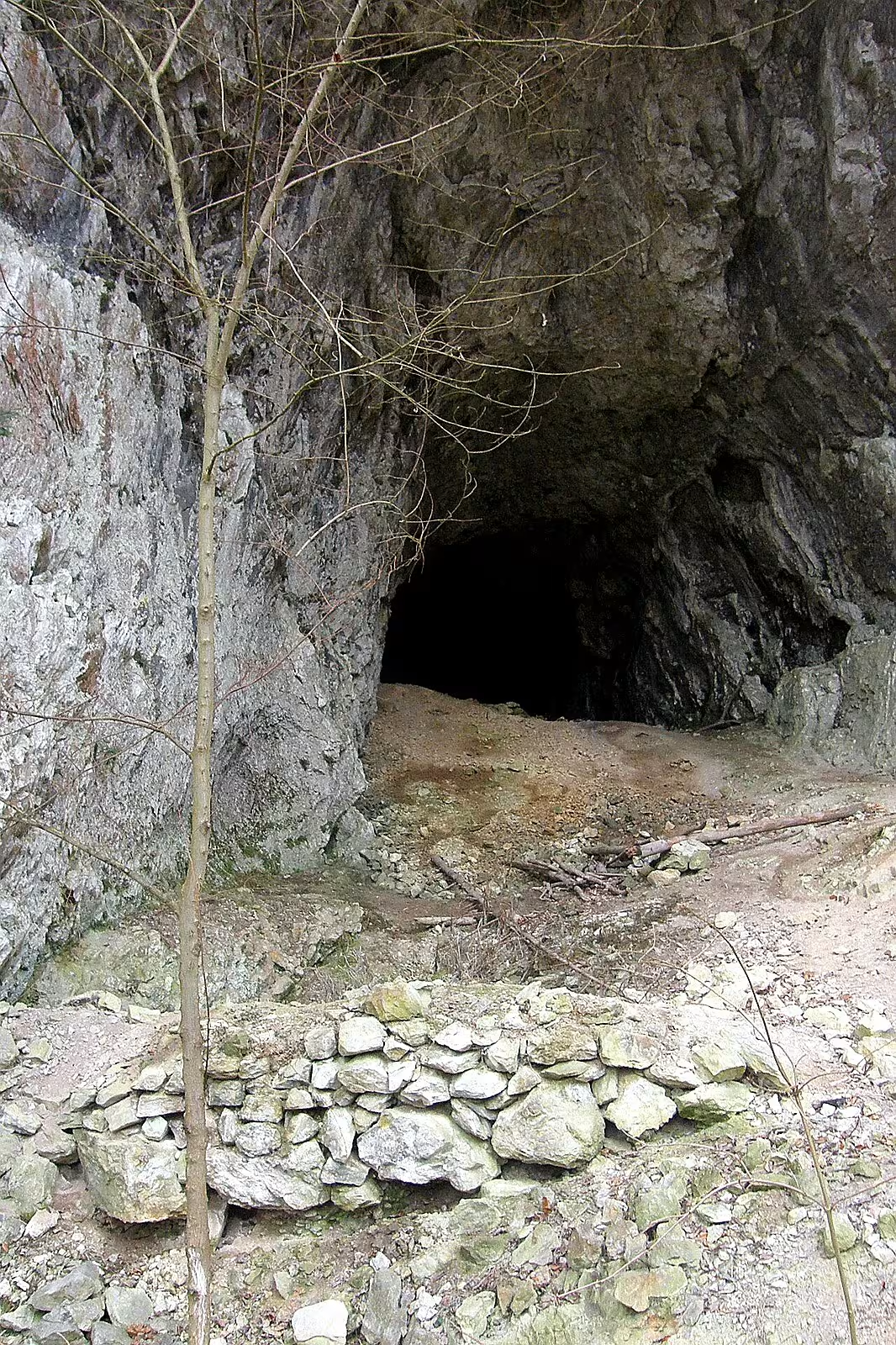
Rytířská jeskyně is a unique medieval cave castle located in the Moravian Karst near Blansko. It stands out as the only known structure of its kind in the Czech Republic. The site has been inhabited since prehistoric times and was fortified during the Middle Ages for security and watchtower purposes. Its historical significance lies in its use as a defensive stronghold rather than a residential dwelling.
The origins of Rytířská jeskyně trace back to prehistory, serving initially as a shelter due to its considerable size. In the 13th century, during the Middle Ages, it was fortified into a unique medieval castle within a cave. Historical sources suggest this fortification occurred when regional powers sought to secure their territories, reflecting broader European trends of increased defensive construction under King Ottokar II's reign over Bohemia as part of the Holy Roman Empire. Despite its strategic importance, no written records from that period have survived; archaeological evidence is our primary source for understanding its history.
Architecturally, Rytířská jeskyně features remnants of walls at its entrance, indicating defensive intent rather than residential use. The absence of a water source within the cave underscores this purpose, as it would not have been suitable for long-term habitation. Discoveries of arrowheads suggest military activity and support the notion that the site functioned as a watchtower or lookout post, emphasizing its role in regional defense strategies.
Throughout its history, Rytířská jeskyně did not experience significant changes in ownership or administration due to the lack of documented historical records. Its primary era of significance was during its construction and use in the 13th century until it was abandoned in the 15th century. The reasons for its abandonment remain unclear but mark the end of its active period as a fortified site.
Key events associated with Rytířská jeskyně include its fortification in the 13th century and subsequent abandonment in the 15th century. These milestones highlight its role within medieval defensive strategies rather than any specific battles or notable figures, which remain undocumented. The site's uniqueness as a cave castle adds to its historical curiosity.
Today, Rytířská jeskyně stands as an intriguing monument for visitors interested in medieval history and architecture. Its location on the southern slope of Suchý žleb within the Moravian Karst offers accessibility to those exploring this natural landscape. Visitors are drawn not only by its historical significance but also by the opportunity to explore a rare example of medieval fortification techniques adapted to a cave environment.
Rytířská jeskyně remains a testament to the ingenuity and strategic considerations of medieval societies in Bohemia. Its preservation allows modern audiences to appreciate the unique adaptations made for defense during this period, offering insights into the broader historical context of European fortifications. Visitors are invited to explore this remarkable site, where history is etched into the very walls of nature itself.
Then and now
Drag the slider to compare how the landmark may have looked when it was built with the view today.
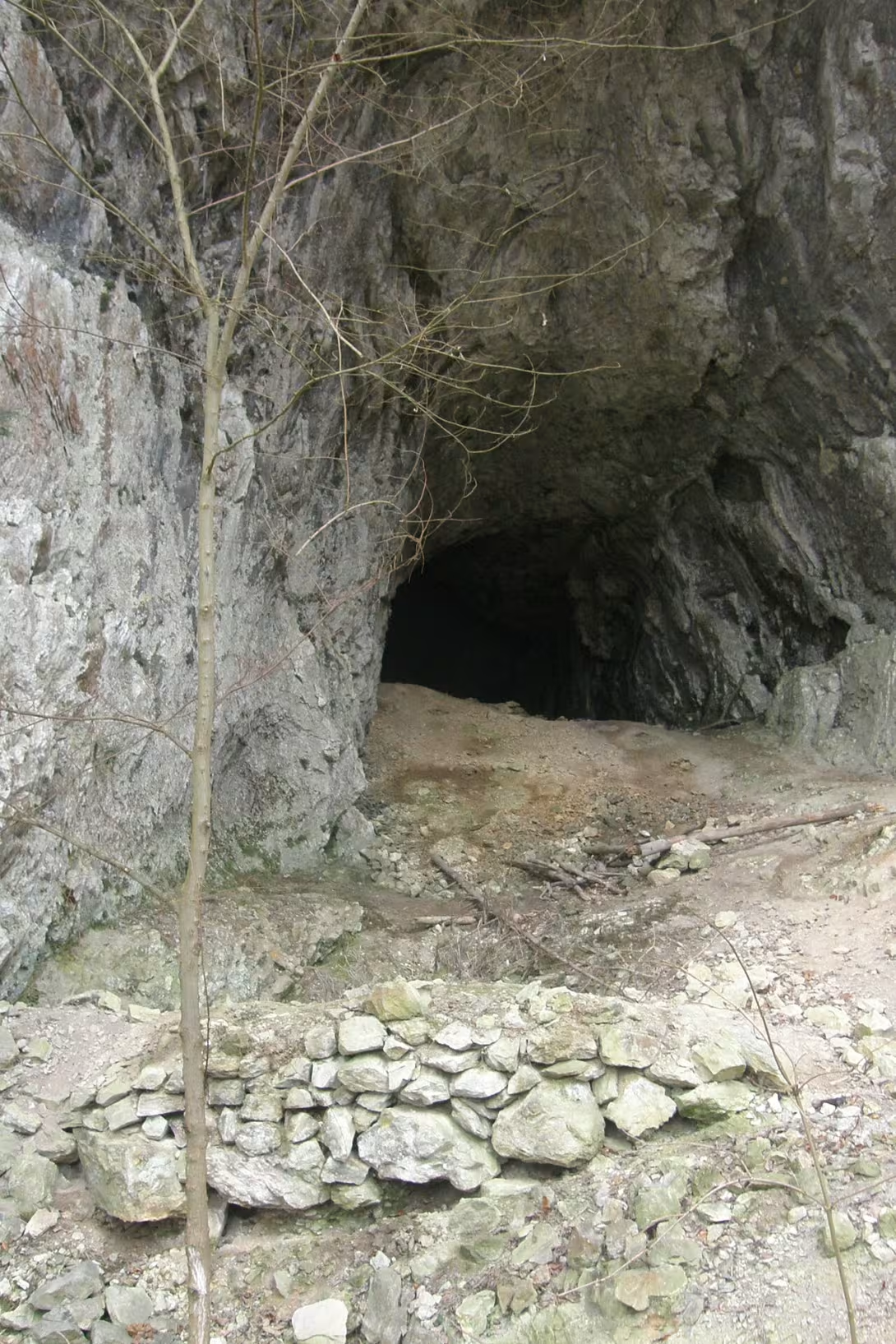
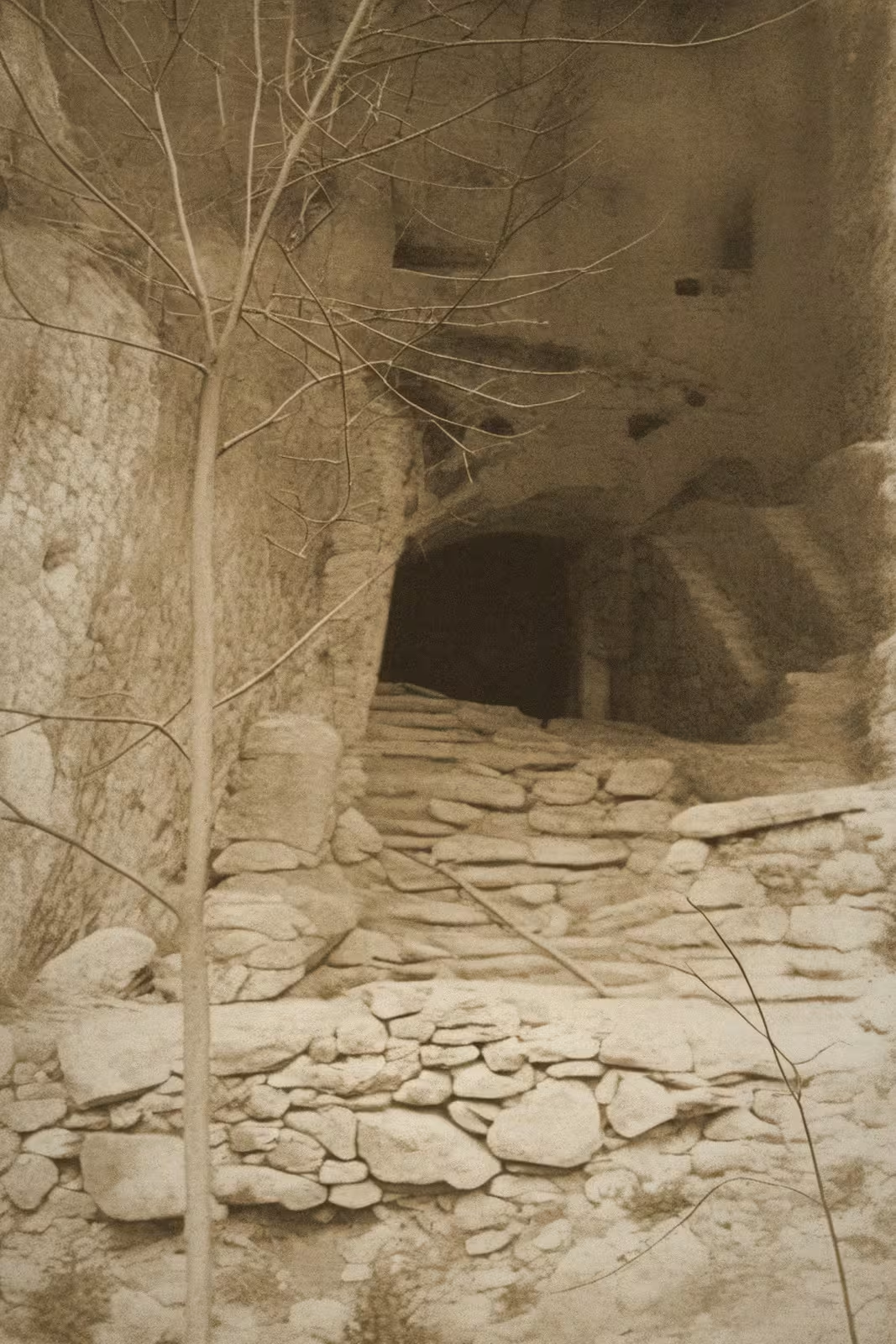
The historical appearance on the left is an AI-generated visualisation and serves as inspiration only.
Historical milestones
- 13th century
- Construction of the cave castle
- 15th century
- Abandonment of the cave
Architectural development
The cave was fortified during the Middle Ages, with remnants of walls visible at the entrance. The lack of a water source indicates it was not intended for habitation but rather as a defensive structure. Arrowhead discoveries suggest its use in military defense.
Historical events
Inhabited since prehistory
Fortified in the 13th century for security purposes
Abandoned in the 15th century
Points of interest
- Despite its strategic importance, Rytířská jeskyně lacks written records from the 13th century, leaving archaeology as our main source for understanding its history. This absence of documentation makes it a unique puzzle piece in medieval studies.
- The site's abandonment in the 15th century remains shrouded in mystery, with no clear reasons documented or discovered through archaeological evidence, highlighting gaps in our historical knowledge about this period.
- Rytířská jeskyně is notable for being the only known cave castle of its kind in the Czech Republic, showcasing an unusual adaptation of medieval fortification techniques to a natural cave environment.
- The discovery of arrowheads at the site suggests it was used as a military outpost or watchtower, emphasizing its role in regional defense strategies rather than serving as a residential dwelling.
- Although fortified during King Ottokar II's reign, Rytířská jeskyně did not experience significant changes in ownership or administration, indicating its consistent use and strategic value throughout the Middle Ages without major political shifts influencing it.
Guide
This guide is narrated by a synthetic voice generated by artificial intelligence.
Show guide text
This text was created by artificial intelligence and has not been editorially reviewed. It may contain inaccuracies.
Knight's Cave is located on the southern slope of Suchý žleb in the Moravian Karst, not far from Blansko. In the Middle Ages, a castle was built within it, the only cave castle in the Czech Republic.
People lived here already from prehistoric times. The cave is spacious, 17 meters high and 13 meters wide, and therefore was a suitable place for habitation.
The castle was built into it during the Middle Ages. Written records have not been preserved, so its origin was only determined by archaeological survey, which dated it to the 13th century. In the 15th century, people abandoned the cave and the castle fell into decay.
The castle apparently did not serve as a permanent residence. Suchý žleb is dry and the cave lacks a source of drinking water. Therefore, a security and guard function is more likely. This is also suggested by the arrows that were found, which indicate some kind of military conflict.
From the structure, clear remains of masonry near the entrance to the cave have been preserved to this day.
Tips for visitors
The best time to visit Rytířská jeskyně is during late spring or early fall when the weather is mild, making it ideal for exploring both the cave castle and its surrounding karst landscape. During these seasons, you'll experience comfortable temperatures that are perfect for hiking and sightseeing without the summer crowds or winter chill.
The site is accessible via a southern slope, so ensure your car is suitable for such terrain if you choose to drive. For those preferring public transit, check the latest connections from nearby towns to plan your journey efficiently.
When visiting Rytířská jeskyně, it's advisable to bring comfortable walking shoes as there will be some hiking involved, especially if you wish to explore the surrounding Moravian Karst area. Also consider bringing a water bottle, sunscreen, and perhaps a light jacket in case of temperature changes within the cave or outdoors.
Photography enthusiasts will find several spots around Rytířská jeskyně offering unique perspectives, particularly during sunrise or sunset when natural lighting enhances the cave's features. The interior of the cave provides dramatic shadows and textures that are best captured with a good camera setup. Remember to respect any restrictions on flash photography inside the cave.
For families with children, Rytířská jeskyně offers an engaging experience as it combines historical intrigue with natural beauty. Nearby attractions within 30 minutes include other sites in the Moravian Karst region that are family-friendly and offer educational insights into the area's prehistoric and medieval past.
Frequently asked questions
Can the monument be visited?
Some buildings of this kind are open for guided tours, others serve another purpose or are privately owned. We have not verified whether and when this monument is open – please ask the operator.
What are the opening hours and admission?
We have not verified the opening hours or admission. Current information is published by the operator.
Where is the monument?
Location: Blansko, Jihomoravský kraj. The map on this page shows the exact spot.
Businesses nearby
Do you run a restaurant, accommodation, shop, museum, rental, wellness or other visitor service near this monument? Show yourself directly to the people heading to it — this is how they will see you in the app and on the web:
Events nearby



Zdroj akcí: otevřená data měst a obcí ČR (Národní katalog otevřených dat) a kalendář akcí Národního památkového ústavu.
Nearby
The site is located on a southern slope in Suchý žleb within the Moravian Karst. The area is known for its karst landscape and other natural features typical of this region.
Accommodation nearby
Trips and activities nearby
Guided tours, tickets and activities nearby from GetYourGuide
Affiliate link: if you buy from the partner, we may receive a commission. The price for you does not change.
Search tours and activities →Themed route
Thematic Tour Itinerary: Rytířská jeskyně and Surroundings
1. Rytířská jeskyně (Castle Cave)
Type: Natural Monument
Why Visit: Begin your journey at the captivating Rytířská jeskyně, a stunning example of karst formations in the Moravian Karst. This cave is renowned for its impressive stalactites and stalagmites, offering visitors a glimpse into the geological wonders beneath Suchý žleb's southern slopes.
2. Suchý žleb
Type: Natural Landscape
Why Visit: Explore the surrounding area of Suchý žleb, where the karst landscape unfolds in all its rugged beauty. This region is characterized by unique rock formations and a diverse ecosystem that thrives within these limestone terrains. It's an ideal spot for nature enthusiasts to appreciate the natural artistry sculpted over millennia.
3. Karst Features of Moravian Karst
Type: Geological Site
Why Visit: Delve deeper into the geological marvels of the Moravian Karst, where you can observe a variety of karst phenomena such as sinkholes and underground rivers. This area provides an educational experience for those interested in geology and natural history, showcasing how water shapes the landscape over time.
4. Local Flora and Fauna
Type: Natural Habitat
Why Visit: The Moravian Karst is not only a geological wonder but also a haven for diverse plant and animal life. Take a moment to appreciate the unique species adapted to this environment, from rare plants clinging to rocky outcrops to birds nesting in the crevices of the cliffs.
5. Cultural Significance of Suchý žleb
Type: Cultural Insight
Why Visit: Conclude your tour by reflecting on the cultural significance of Suchý žleb and its karst landscape. This area has inspired local folklore and legends, adding a rich narrative layer to your exploration. Understanding these stories enhances the appreciation for how nature intertwines with human history in this remarkable region.
This itinerary offers an immersive experience into the natural beauty and geological wonders of Rytířská jeskyně and its surroundings, providing both educational insights and breathtaking views.
Seasonal recommendations
Spring: Visiting Rytířská jeskyně during spring offers a unique experience as the natural surroundings begin to bloom, enveloping the castle in a vibrant tapestry of wildflowers and fresh greenery. The gentle sunlight creates soft shadows within the ancient walls, enhancing the mystical atmosphere. This time is ideal for those who enjoy nature's reawakening but wish to avoid larger crowds that typically gather later in the year. Visitors are advised to dress in layers as temperatures can fluctuate, and it’s best to arrive early to fully appreciate the serene environment before more visitors arrive.
Summer: Summer at Rytířská jeskyně is characterized by long days filled with warm sunshine, perfect for exploring both the castle's historical exhibits and its lush surroundings. The vibrant light enhances the architectural details of the site, making it a visually stunning visit. However, this peak season also attracts larger crowds, so planning ahead is crucial. Arriving early in the morning can help avoid the busiest times, and wearing comfortable shoes and breathable clothing will make for a more enjoyable experience as you explore.
Autumn: Autumn brings a magical transformation to Rytířská jeskyně with its rich palette of reds, oranges, and yellows. The crisp air adds an enchanting quality to the castle's atmosphere, making it a perfect time for photography enthusiasts or those who love the tranquility that comes with the season. Wearing layers is recommended due to cooler temperatures, and carrying an umbrella might be prudent for unexpected rain showers.
Winter: Winter at Rytířská jeskyně offers a serene and almost mystical experience, with snow often blanketing the landscape and creating a picturesque scene around the castle. The cold weather necessitates warm clothing, including coats, hats, gloves, and thermal layers. Despite fewer visitors due to the inclement weather, it’s an ideal time for those seeking a peaceful exploration of history amidst a winter wonderland setting.
Visualizations and artistic views


The visualisations are generated by artificial intelligence and serve as inspiration.
Photos from the area
Real photos taken near the monument

Zdroj a licence jsou uvedeny u každého snímku.
Tips from visitors
No tips yet. Be the first!
Log in and add your tip.
Sources and literature
Photos: Lasy / CC BY 3.0 — Wikimedia Commons. The author and licence also appear when you hover over the image.
Faktickým podkladem tohoto textu byl článek na Wikipedii, jehož autory jsou přispěvatelé Wikipedie. Článek je dostupný pod licencí CC BY-SA 4.0.
Location on the map



Příběhy a pověsti
Legendy, pověsti a příběhy spjaté s touto památkou
Fotografie návštěvníků
Zatím žádné fotografie. Buďte první, kdo přidá fotografii z návštěvy!
Log in a přidejte svou fotografii nebo hodnoťte.
Za ověřenou návštěvu v aplikaci získáte víc bodů — poznáme podle GPS, že jste na místě.
Reviews and comments