



sbor Dr. Karla Farského (Kuřim) Castle
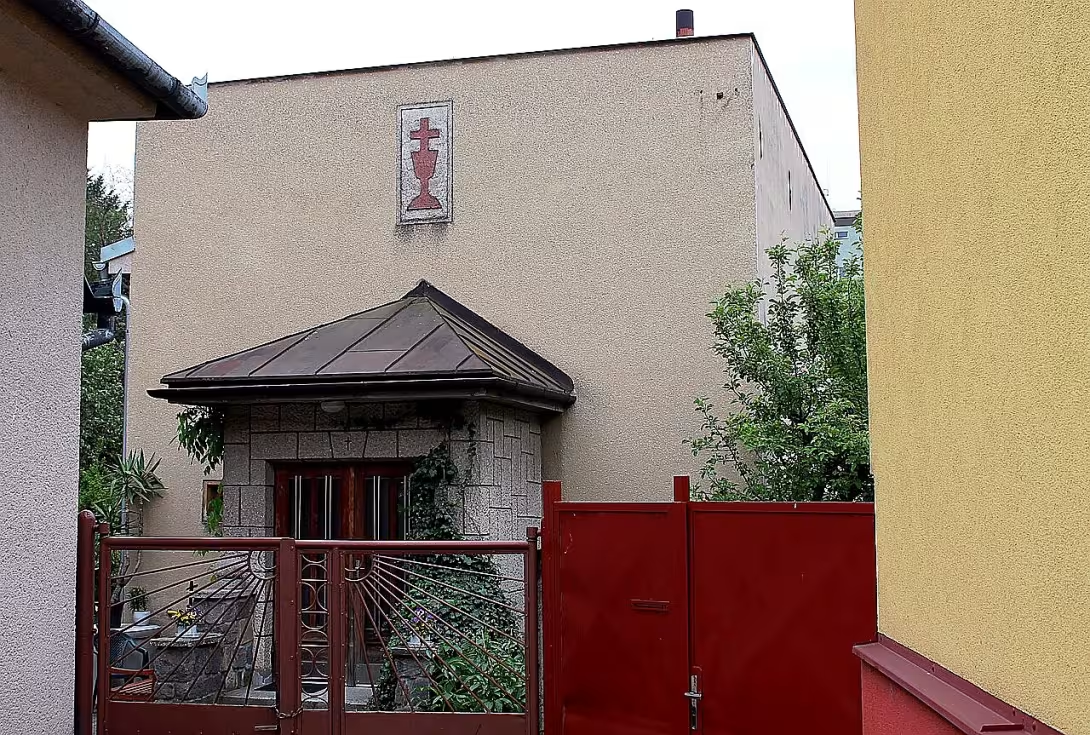
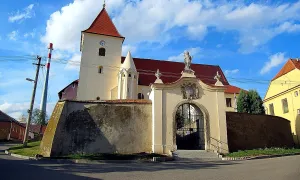
Dr. Karl Farsky's choir is a temple of the Czechoslovak Hussite Church in Kuřimi, located in Farsky Street. It belongs to the architectural heritage of the second half of the 20th century and represents an interesting chapter in the life of the Reform Church after World War II.
Kuřim religious community of this church was established in 1924, the early period between wars. In the subsequent decades, however, especially in the 1950s, its believers only received space in temporary places - for example, in the U Poulice premises. It was only in the second half of the 1960s that it was possible to build its own temple. It was built in an atypical location - in a garden inside a block of family houses near the Polem railway station. The construction took place between 1966 and 1968 and thus reflects the architectural tendencies of its time. The choir, which in its name resembles Dr. Karl Farsky's personality, was ceremoniously consecrated on July 7, 1968.
Another important period in the history of the College was the period after 1990 and the fall of communism. At that time also a village from nearby Lelekovice and its Husova choir joined the village of Kolomo. However, this connection also caused complications. The Lelekovický Choir suffered from serious static problems, which led to the fact that the services had ceased to be organized and the building gradually decayed. Thus, the Church decided to hand over the dilapidated shale temple to the non-profit organization Betanie - Christian aid. This organization has been planning - and is expected to open a stationary for people with physical and mental disabilities since 2017.
Dr. Karl Farsky's choir in Kuřimi thus remains an active place of religious life and an important evidence of the development of the Czechoslovak Hussite Church during the 20th century. The visitor can see the work from the period of construction of the Czechoslovak Socialist Republic and also understand how Czech religious communities adapted to changing historical conditions.
Then and now
Drag the slider to compare how the landmark may have looked when it was built with the view today.
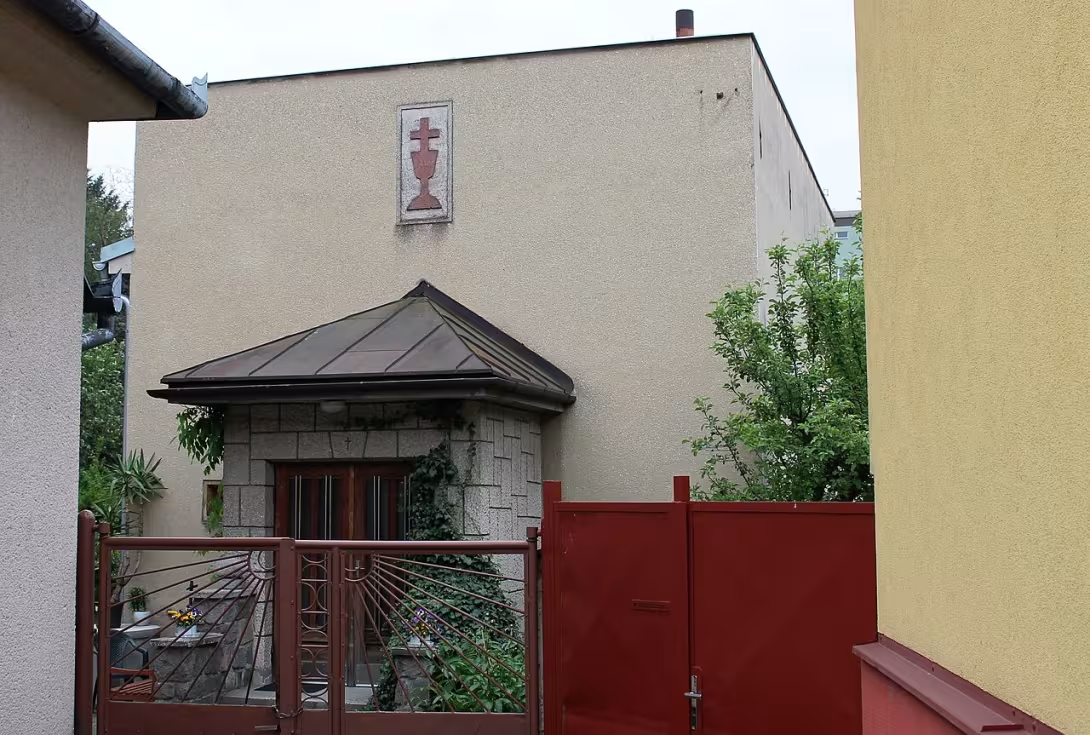
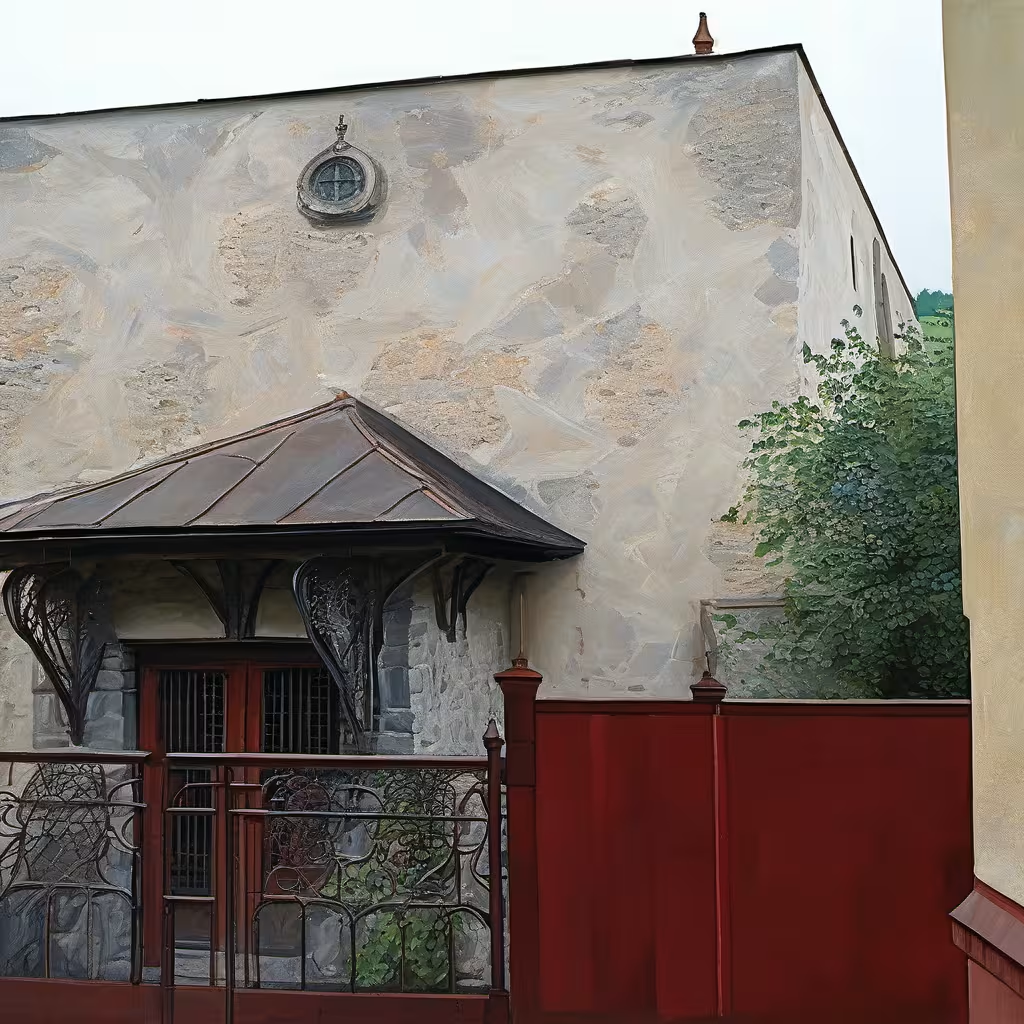
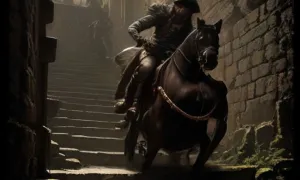
The historical appearance on the left is an AI-generated visualisation and serves as inspiration only.
Historical milestones
- 1924
- The creation of a religious community of the Czechoslovak Hussite Church in Kuřimi.
- 1966
- The decision to build your own choir.
- 1968
- The consecration of Dr. Karl Farsky's choir.
- 1990
- Connection of the religious community from Lelekovice and the subsequent termination of services in Lelekovice due to the technical condition of the building.
Architectural development
A simple building built in the garden between family houses near the railway station. Materials and architectural style correspond to the standard of sacral structures in the socialist period. Due to the damaged static, the building was abandoned after 1990 and gradually decayed.
Historical events
- 1924
- The establishment of a religious community of the Czechoslovak Hussite Church in Kuřimi.
- 1966
- The beginning of the construction of Dr. Karl Farsky's choir.
- 1968
- The Choir of July 7th.
- 2017
- Transmission of the dilapidated object to the Leletkovic Choir to the non-profit organization Betanie.
Owners
Dr. Karel Farský
Points of interest
- The choir was built in an atypical location - inside the garden between the family houses near the school railway station.
- The temple was built between 1966 and 1968 and was consecrated on July 7, 1968.
The name of the choir resembles Dr. Karl Farsky's personality.
- After 1990, the village of Lelekovická with the Husova Choir joined the village of Malem, which died due to static problems.
Guide
This guide is narrated by a synthetic voice generated by artificial intelligence.
Show guide text
This text was created by artificial intelligence and has not been editorially reviewed. It may contain inaccuracies.
The Doctor Karel Farský Assembly Hall is a cathedral of the Czechoslovak Hussite Church in Kuřimi. It stands on a street that bears the same name, namely Farského Street.
The Kuřim religious congregation of the then Czechoslovak Hussite Church was established in 1924. However, it did not have its own cathedral for a long time. In the following decades, services were held in various locations, for example at U Poulíků in the fifties.
The cathedral was built only between 1966 and 1968. It was constructed in a garden within a residential block, not far from the railway station. The assembly hall, which bears the name of Karel Farský, was consecrated on July 7, 1968.
After 1990, the congregation from Lelekovice joined the Kuřim religious community, which had its own Hus Assembly Hall. However, the building in Lelekovice had structural damage, and so services ceased to be held there. The Church handed over the deteriorating building to the nonprofit organization Betanie – Christian Aid. In 2017, it wanted to open a day center for physically and mentally disabled people there.
Frequently asked questions
Can the monument be visited?
Some buildings of this kind are open for guided tours, others serve another purpose or are privately owned. We have not verified whether and when this monument is open – please ask the operator. According to the heritage register the structure is in poor condition – do not enter it and take care nearby.
What are the opening hours and admission?
We have not verified the opening hours or admission. Current information is published by the operator.
Where is the monument?
Location: Kuřim, Jihomoravský kraj. The map on this page shows the exact spot.
For kids
Imagine going back to a time when the Czech countries were full of walls and wars. And it was at this time that Dr. Karl Farsky's Gothic castle was located in Kuřimi.
It was like a village settlement where people lived, farmed and protected their homes from enemy attacks. Those who lived here were proud and brave. Who was the first one to build this castle? No one remembers, but we know that back in the 13th century Kuřim Mountain was full of castles and towers.
Businesses nearby
Do you run a restaurant, accommodation, shop, museum, rental, wellness or other visitor service near this monument? Show yourself directly to the people heading to it — this is how they will see you in the app and on the web:
Events nearby


Zdroj akcí: otevřená data měst a obcí ČR (Národní katalog otevřených dat) a kalendář akcí Národního památkového ústavu.
Nearby
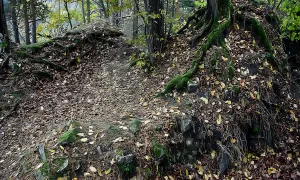
The surrounding landscape is made up of forests and forests.
Accommodation nearby
Trips and activities nearby
Guided tours, tickets and activities nearby from GetYourGuide
Affiliate link: if you buy from the partner, we may receive a commission. The price for you does not change.
Search tours and activities →Themed route
Choir Dr. Karl Farského is the key point of this short walk. This historic building in Kuřimi is an important cultural and architectural monument that attracts visitors with its unique character and significance for local history. The tour of the interior and exterior offers an insight into the past and enables you to appreciate the details that make this building an exceptional object in the region.
After visiting the main destination you can go to the Railway station Kuřim, which is located in the immediate vicinity. This transport object serves as a practical reflective surface for the beginning or end of the trip. It can be interesting for lovers of transport history to observe the operation of train sets and appreciate architectural elements of the station building, which often bear traces of different historical era.
Another logical stop is Natural park Ždánický les, approximately 5 km from the center of Kuřimi. This nature reserve offers an escape from the urban environment to a quiet green landscape. A walk along the forest trails allows fresh air to be pumped and to observe a rich fauna and flora, which is an ideal contrast to architectural monuments and urban surroundings.
The last point of the route is the village Lelekovice, located approximately 3 km from Kuřimi. This picturesque village offers a view of the traditional rural development and a quiet environment typical of this part of the South Moravian Region. The visit here allows you to understand the connection between the city and the surrounding rural landscape and thus complete the culturally-natural circuit in a pleasant atmosphere.
The entire route is designed to combine cultural heritage with natural beauty in compact territory. The distances are approximate and allow smooth transitions between points without the need for long journeys. This gives you a comprehensive picture of life and history around Kuřimi in one day.
Seasonal recommendations
Spring Spring brings Dr. Karl Farsky to church in Kuřimi fine, scattered light that penetrates through blooming trees and window windows. The inner space is thus transformed into a place where shadows and sun rays are alternated, which illuminate historical paintings and stone details. Outside, nature is in full bloom - meadows and gardens around the church are colored with yellow and white flowers, while the air is driven by mild, variable winds. The atmosphere is calm, but alive, as if the memory of "breathing" after winter peace. It is convenient to visit the church early in the morning or in the afternoon when there are fewer visitors. Wear a light but headgear - in spring days, temperatures change rapidly, and it may be cold on the stone benches. Remember the comfortable shoes, as the path to the monument leads along an uneven sidewalk.
Summer In the summer months, the church of Dr. Karl Farsky illuminates the sun directly, creating a contrast between the shady corners of the choir and clearly lit altars. Outside, nature is in full power - the surrounding area is green, the trees cover part of the monument, but at the same time they offer shade for visitors. Warm days and long afternoons create a pleasant atmosphere, but in the main summer season, larger crowds must be expected. The best time to visit is early in the morning, before opening, or in the late afternoon, when the crowds disperse. Dress light, airy clothes, but don't forget the sunglasses and sunscreen - the sun on the open areas of the church can be intense. It's cold in the interior, so bring a light jacket.
Autumn Autumn light, which penetrates the church, has a golden touch that highlights the golden details on the altars and ceiling paintings. Outside, nature changes - leaves on trees around the church turn into yellow, red and brown shades, while the air is colder and sometimes wetter. The atmosphere is calm, almost mysterious, as if the memory resembles the past. The traffic is lower in this period, but more rainy days can occur in October. It is recommended to visit the church on a dry, sunny day when you can see the most details. Put on warmer clothes, but it's easy to keep the interior warm. There may be a slide on the sidewalk, so wear comfortable shoes with good grip.
Winter The winter light, which illuminates Dr. Karl Farsky's church, has silver glare, which creates a mild, calm atmosphere. Outside, nature is covered in snow, which gives the church a mysterious, almost fairy tale character. The air is cold and clean, but more visitors can occur in advent time. The best time to visit is in the morning when the monument is still open and the crowds are less. Wear warm but not too heavy clothes - it is cold in the interior, but not too. There may be a slippery slope on the sidewalk, so wear firm, unharvested shoes. On winter days it is advisable to visit the church on calmer days when it is not too windy.
Visualizations and artistic views


The visualisations are generated by artificial intelligence and serve as inspiration.
Photos from the area
Real photos taken near the monument


Zdroj a licence jsou uvedeny u každého snímku.
View from the area
This animation was generated by artificial intelligence from a real photograph of the surroundings. The motion and details are not real footage of the location.
Atmosphere of the place
This atmospheric visualisation of the place and period was generated by artificial intelligence. It is not real footage of the location.
Tips from visitors
No tips yet. Be the first!
Log in and add your tip.
Sources and literature
Photos: Harold / CC BY-SA 3.0 — Wikimedia Commons. The author and licence also appear when you hover over the image.
Faktickým podkladem tohoto textu byl článek na Wikipedii, jehož autory jsou přispěvatelé Wikipedie. Článek je dostupný pod licencí CC BY-SA 4.0.
Location on the map



Příběhy a pověsti
Legendy, pověsti a příběhy spjaté s touto památkou
Fotografie návštěvníků
Zatím žádné fotografie. Buďte první, kdo přidá fotografii z návštěvy!
Log in a přidejte svou fotografii nebo hodnoťte.
Za ověřenou návštěvu v aplikaci získáte víc bodů — poznáme podle GPS, že jste na místě.
Reviews and comments