






Schillerův dům House
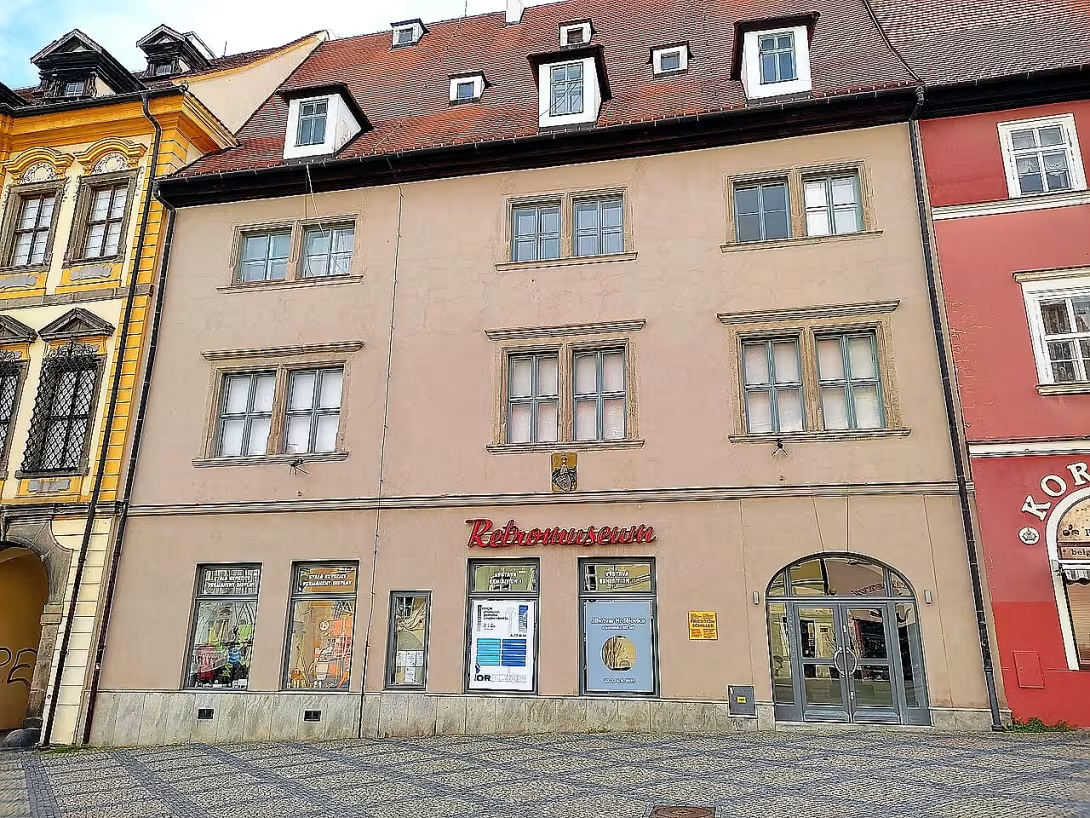
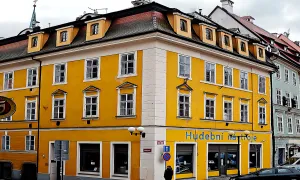
Schillerův dům in Cheb is a baroque townhouse built in 1673, originally known as Metternichhaus after its builder. It became notable when renamed Schillerův dům to honor the German poet Friedrich Schiller following his visit in 1791. Recognized as a cultural monument since 1988, it currently houses the Retromuzea exhibition, attracting visitors interested in architectural history and cultural heritage.
The origins of Schillerův dům date back to the late 17th century when Bohemia was part of the Habsburg Monarchy. During this period, the region saw significant cultural and architectural developments characteristic of the Baroque style. Initially built as Metternichhaus, it reflected the era's architectural trends. Its transformation into Schillerův dům occurred in 1791 when Friedrich Schiller visited Cheb while seeking inspiration for his drama "Valdštejn." This visit marked a pivotal moment in the building's history, linking it to one of Germany's most celebrated literary figures.
Architecturally, Schillerův dům exemplifies Baroque design with its ornate and grandiose elements typical of the period. The house underwent significant renovations in 1962, during which original commemorative plaques were removed and later replaced with new ones honoring Friedrich Schiller. These changes reflect both the building's historical significance and the evolving appreciation for its cultural heritage.
Throughout its history, Schillerův dům has been associated with notable figures beyond Friedrich Schiller. Between 1854 and 1862, composer Václav Jindřich Veit resided in the house, further enhancing its cultural importance. However, during the renovations of 1962, original commemorative plaques from both Schiller's visit and Veit's residency were destroyed, highlighting the challenges of preserving historical artifacts over time.
Today, Schillerův dům stands as a testament to Cheb's rich cultural tapestry. It is not only a protected cultural monument but also serves as the home for the Retromuzea exhibition, offering visitors a unique glimpse into the region's history and artistic legacy. The house remains accessible to the public, inviting those interested in exploring its historical significance and architectural beauty.
Schillerův dům is more than just an architectural relic; it is a living connection to the past, embodying the cultural exchanges that have shaped Cheb over centuries. Its association with figures like Friedrich Schiller and Václav Jindřich Veit adds layers of historical depth, making it a must-visit for anyone interested in European history and culture. Visitors are encouraged to explore this remarkable site, where the echoes of its storied past continue to resonate.
Then and now
Drag the slider to compare how the landmark may have looked when it was built with the view today.
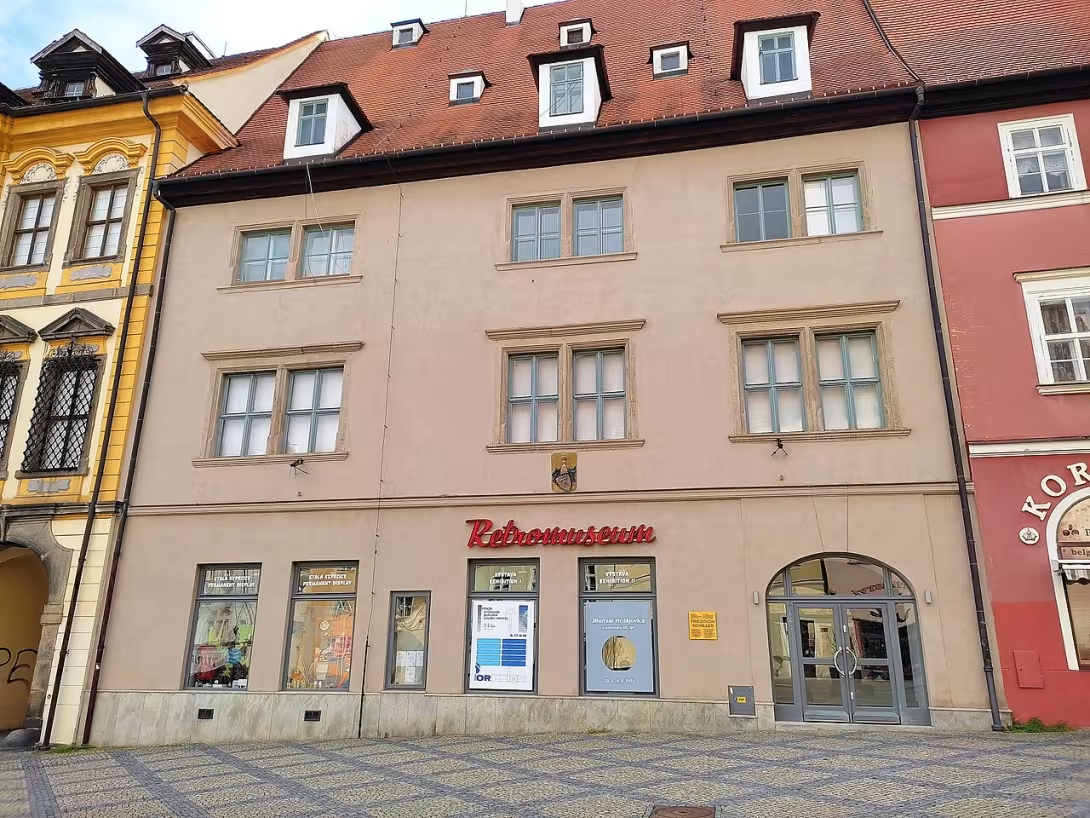
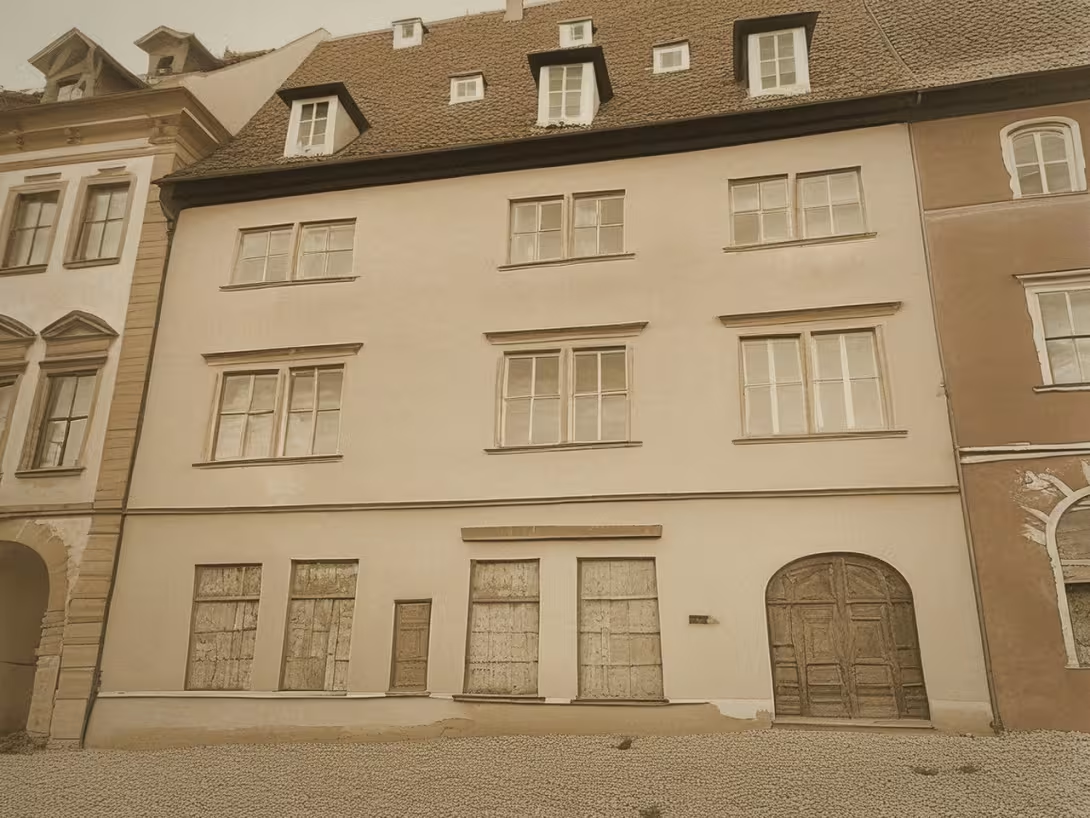
The historical appearance on the left is an AI-generated visualisation and serves as inspiration only.
Historical milestones
- 1673
- The house was built as Metternichhaus.
- 1791
- The house was renamed Schiller's House after a visit by Friedrich Schiller.
- 1854
- The composer Václav Jindřich Veit settled in the house.
- 1862
- Václav Jindřich Veit left the house after his stay.
- 1962
- The house was reconstructed, and the original commemorative plaques were replaced with new ones.
- 1988
- Schiller's House was recognized as a cultural monument.
Architectural development
Schillerův dům was originally constructed as a baroque townhouse. It underwent significant renovations in 1962, during which original commemorative plaques were removed and later replaced with new ones honoring Friedrich Schiller.
Historical events
1791: Friedrich Schiller visited Cheb, inspiring his drama 'Valdštejn'.
1854-1862: Composer Václav Jindřich Veit resided in the house.
Guide
This guide is narrated by a synthetic voice generated by artificial intelligence.
Show guide text
This text was created by artificial intelligence and has not been editorially reviewed. It may contain inaccuracies.
Schiller House is a Baroque townhouse in Cheb, built in 1673. It stands on the southeastern edge of King George of Poděbrady Square, right next to the town hall. Since 1988 it has been a protected cultural monument, and today it houses an exhibition of the Retromuseum.
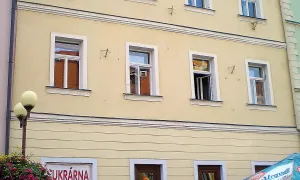
The house has had several names throughout its history. Initially, it was named after its builder, Metternich House, in German Metternichhaus. The façade is decorated with a coat of arms, placed beneath the middle windows on the first floor. Later, a tavern called U zlatého jelena, in German Zum goldenen Hirsch, operated in the building.
The house got its current name thanks to the German poet and dramatist Friedrich Schiller. In 1791 he stayed at a spa cure in Františkovy Lázně and Karlovy Vary. At the same time, he was devoted to historical research about the life of Albrecht of Wallenstein. He came to Cheb to gather inspiration for his drama Wallenstein. In his honor, the building was renamed Schiller House.
There is one more artistic name connected with the house. Between 1854 and 1862, composer Václav Jindřich Veit lived here.
Commemorative plaques once reminded visitors of both men, placed beside the two middle windows on the first floor. However, during renovation in 1962 they were removed and destroyed. Later the house received a new commemorative plaque dedicated to Friedrich Schiller.
Frequently asked questions
Can the monument be visited?
Some buildings of this kind are open for guided tours, others serve another purpose or are privately owned. We have not verified whether and when this monument is open – please ask the operator.
What are the opening hours and admission?
We have not verified the opening hours or admission. Current information is published by the operator. Official website: http://www.retromuseum.cz/
Where is the monument?
Location: Cheb, Karlovarský kraj. The map on this page shows the exact spot.
Why is the monument protected?
It is listed in the Central List of Cultural Monuments of the Czech Republic as a cultural monument (register no. 1000141260).
Businesses nearby
Do you run a restaurant, accommodation, shop, museum, rental, wellness or other visitor service near this monument? Show yourself directly to the people heading to it — this is how they will see you in the app and on the web:
Accommodation nearby
Themed route
Tematická výletní trasa: Schillerův dům a okolí
1. Schillerův dům (Dům)
Proč stojí za návštěvu: Tento historický dům je památnou lokalitou, kde žil a pracoval slavný německý básník Friedrich Schiller v letech 1799–1802. Nabídne návštěvníkům pohled do jeho osobního a profesionálního života prostřednictvím vybavené expozice, která zahrnuje autentické artefakty a informace o Schillerových dílech.
2. Chebský hrad (Hrad)
Proč stojí za návštěvu: Nachází se v blízkosti centra Chebu, tento historický hrad nabízí impozantní pohledy na město a okolní krajinu. Je to ideální místo pro ty, kdo chtějí poznat bohatou historii regionu a užít si klidné chvíle v jeho zámeckém parku.
3. Chebský muzejní dům (Muzeum)
Proč stojí za návštěvu: Toto muzeum se zaměřuje na historii Chebu a jeho kulturní dědictví, poskytující cenné poznatky o místním životě v průběhu staletí. Je to skvělý způsob, jak se dozvědět více o historickém a kulturním kontextu oblasti, kde Schiller strávil část svého života.
4. Chebská radnice (Dům)
Proč stojí za návštěvu: Tento barokní dům je nejen administrativním centrem města, ale také architektonickou perli s bohatými historickými vazbami. Jeho krásný interiér a zámková čtvrť nabízejí pohled na dřívější období městského života.
5. Chebské náměstí (Náměstí)
Proč stojí za návštěvu: Centrální veřejný prostor v Chebu, kde se setkávají historie a modernost. Náměstí je domovem řady kulturních událostí a nabízí krásné pohledy na okolní památky, jako je Chebský hrad a radnice.
Tato trasa vede návštěvníky od hlavního cíle Schillerova domu k dalším historickým a kulturním místům v Chebu, nabízející komplexní pohled na bohaté dědictví této oblasti.
Seasonal recommendations
Jaro: In the spring season, Schiller's House in Cheb is enlivened by flowers and sunbeams that illuminate its historic architecture in a unique light. This time of year offers peaceful moments without large crowds, allowing for a comfortable tour of the landmark. Visitors should be prepared for morning and evening coolness, so it’s advisable to dress in layers with a warm shirt as needed. The best time to visit is around noon when the sun lights up the interiors and gardens are full of life.
Léto: During the summer season, Schiller's House experiences its peak visitor numbers, reflecting its appeal during the warmer months. Sunny lighting highlights architectural details, and the gardens offer a beautiful view of blooming plants. Despite the wonderful weather, it’s recommended to visit earlier in the day to avoid the largest crowds while still enjoying a warm day. Clothing should be light and cream-colored for sun protection, with added sunglasses and a hat for extra protection.
Podzim: In autumn, Schiller's House offers tranquil visits in an atmosphere of golden sunlight filtering through tree leaves. This season is ideal for those seeking a less hectic experience with the chance to enjoy a peaceful walk around historical sites without much crowd pressure. Visitors should be prepared for cooler weather, so it’s advisable to wear a warm shirt and possibly jackets or coats for comfort. The best times are again around noon when sunbeams illuminate the interiors.
Zima: A winter visit to Schiller's House offers a unique view of the landmark under a blanket of snow and ice patterns decorating the surrounding gardens. The atmosphere is calm and quiet, allowing visitors to enjoy the historic architecture without large crowds. Visitors should dress warmly with coats and jackets, and suitable footwear for cold conditions. An earlier arrival is recommended to enjoy the experience without interruptions due to weather-related restrictions.
Visualizations and artistic views


The visualisations are generated by artificial intelligence and serve as inspiration.
Photos from the area
Real photos taken near the monument


Zdroj a licence jsou uvedeny u každého snímku.
Atmosphere of the place
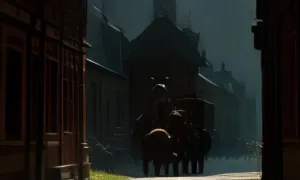
This atmospheric visualisation of the place and period was generated by artificial intelligence. It is not real footage of the location.
Tips from visitors
No tips yet. Be the first!
Log in and add your tip.
Sources and literature
Photos: Lydinka7 / CC BY-SA 4.0 — Wikimedia Commons. The author and licence also appear when you hover over the image.
Faktickým podkladem tohoto textu byl článek na Wikipedii, jehož autory jsou přispěvatelé Wikipedie. Článek je dostupný pod licencí CC BY-SA 4.0.
Location on the map

Příběhy a pověsti
Legendy, pověsti a příběhy spjaté s touto památkou
Fotografie návštěvníků
Zatím žádné fotografie. Buďte první, kdo přidá fotografii z návštěvy!
Log in a přidejte svou fotografii nebo hodnoťte.
Za ověřenou návštěvu v aplikaci získáte víc bodů — poznáme podle GPS, že jste na místě.
Reviews and comments