






Slapany Defunct village
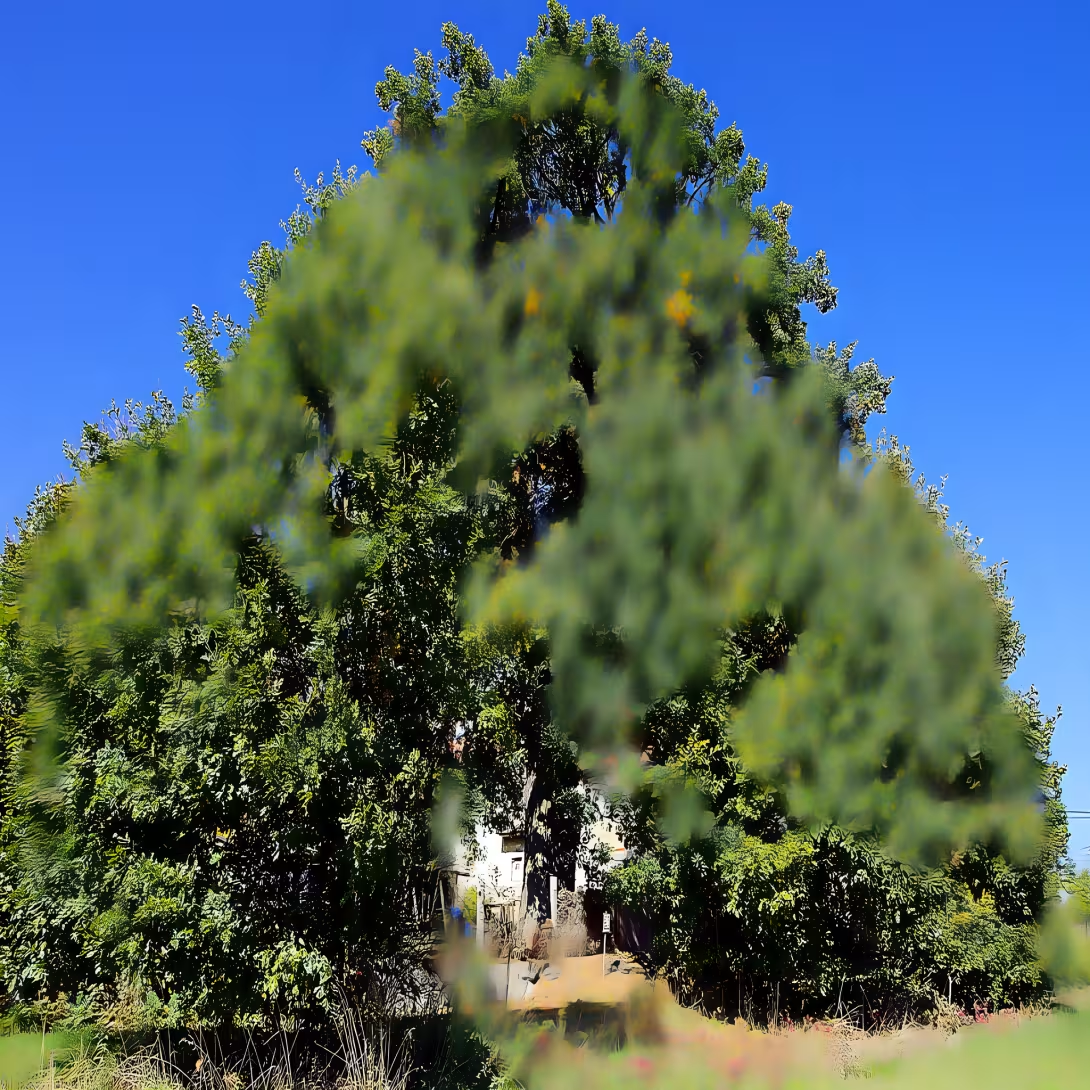
Slapany, originally known as Schloppenhof, is a small village located in the Cheb municipality within the Karlovarský kraj region of the Czech Republic. This historical site lies at the southern edge of the Cheb Basin and holds significance due to its rich history dating back to the early 14th century. The village's name suggests origins tied to fishing activities, likely referring to a dwelling or weir used by fishermen along the Odrava River.
The origins of Slapany can be traced back to the turn of the 13th and 14th centuries when it is believed to have been founded by the Waldsassen Monastery. The first documented mention of the village appears in the early 14th century as Schloppenhof, with references from 1320 mentioning "Nové Slapany" and 1322 referring to "Slapaný na Odravě." Initially held by the Waldsassen Monastery and Cheb citizens until the mid-14th century, ownership of the village changed hands multiple times. It later became part of Kinsberg Castle's domain until 1629 when Adam Schmiedl acquired it. Subsequent owners included Filip Martini in 1703, followed by several families such as the Werners, Wohlrabs, Hafenrichters, and Opitz brothers from Saxony. Post-World War I ownership transitioned to Emil Schmidt, and after World War II, state ownership was established.
Architecturally, Slapany featured two notable manor houses over its history. The first, likely built in the 14th or 15th century, included wooden farm buildings and a stone castle surrounded by a moat near the Odrava River. This structure's remnants were still visible as late as 1990. The second manor house was part of an agricultural estate elevated above the river valley, with significant modifications made post-1811 under Tomáš Hafenrichter. After World War II, parts of these structures were demolished, but some remnants still stand today.
Throughout its history, Slapany experienced several key events that shaped its development. The construction of a railway line from Cheb to Waldsassen in 1865 notably increased the village's significance by establishing a station and customs office. However, after World War II, the forced expulsion of the German population led to near depopulation, with the village becoming part of a restricted border zone until the late 20th century.
Today, Slapany stands as a testament to its historical journey. While much of the original structures have been lost or altered over time, visitors can still explore remnants of the past, including parts of the manor houses and the nearby limestone quarry that supplies materials for Eutit's cast stone products. The village's proximity to the Czech-German border adds a layer of intrigue, making it an interesting site for those interested in history and regional development.
Slapany offers a unique glimpse into the past, inviting visitors to explore its historical remnants and appreciate the layers of stories embedded within this small yet significant location. Its rich history and architectural heritage make it a worthwhile destination for anyone interested in exploring the cultural tapestry of the Czech Republic.
Historical milestones
- c. 1300
- First mention of the village as Schloppenhof.
- 1320
- Mentioned as 'Nové Slapany'.
- 1322
- Mentioned as 'Slapaný na Odravě'.
- c. 1350
- Ownership changed between various owners.
- 1629
- Adam Schmiedl becomes the owner.
- 1865
- Construction of the railway line from Cheb to Waldsassen.
Architectural development
Slapany featured two manor houses over its history. The first, likely built in the 14th or 15th century, included wooden farm buildings and a stone castle surrounded by a moat near the Odrava River. The second manor house was part of an agricultural estate elevated above the river valley, with significant modifications made post-1811. Post-1945, parts of these structures were demolished, but remnants still stand.
Historical events
First documented mention of Slapany in the early 14th century as Schloppenhof.
In 1865, a railway line from Cheb to Waldsassen increased the village's significance with a station and customs office established.
Owners
Ownership of Slapany changed hands multiple times: initially held by the Waldsassen Monastery and Cheb citizens until mid-14th century; later part of Kinsberg Castle's domain until 1629. Adam Schmiedl acquired it in 1629, followed by Filip Martini in 1703. Ownership transitioned through several families including the Werners, Wohlrabs, Hafenrichtrs, and Opitz brothers from Saxony, with Emil Schmidt acquiring it post-World War I. After World War II, state ownership was established.
Points of interest
- Slapany's name is derived from its historical association with fishing activities along the Odrava River, possibly indicating a dwelling or weir used by fishermen. - The village was originally founded around the turn of the 13th and 14th centuries by the Waldsassen Monastery, highlighting its early ecclesiastical connections.
- Ownership of Slapany changed hands frequently, with notable owners including Adam Schmiedl in 1629 and several families from Saxony such as the Werners and Opitz brothers, reflecting a diverse historical tapestry of influence.
- The construction of the railway line from Cheb to Waldsassen in 1865 significantly increased Slapany's importance by establishing a station and customs office, marking it as a key transit point.
- Despite its near depopulation post-World War II due to forced expulsions, remnants of Slapany’s past, including parts of manor houses and a nearby limestone quarry, continue to offer insights into the village’s historical significance.
Guide
This guide is narrated by a synthetic voice generated by artificial intelligence.
Show guide text
This text was created by artificial intelligence and has not been editorially reviewed. It may contain inaccuracies.
Welcome to the historic site of Slapany, a place where time whispers stories from its past. As you stand here, imagine the rolling landscape that stretches before you at the southern edge of the Cheb Basin in Karlovarský kraj. The air carries echoes of history and nature's gentle embrace.
Slapany, originally known as Schloppenhof, has roots reaching back to the early 14th century. It is believed to have been founded by the Waldsassen Monastery around the transition from the 13th to the 14th centuries. This small village, now a whisper of its former self, was once vibrant and alive with activity.
As you look around, notice how nature has reclaimed much of this area. The remnants of what were once homes are now woven into the landscape, offering a poignant reminder of the passage of time. The architecture here is humble yet telling; it speaks to the lives that thrived in harmony with their environment.
Throughout its history, Slapany experienced various ownership changes and architectural developments. By around 1350, it had passed through several hands, each leaving its mark on this place. In 1629, Adam Schmiedl became a notable owner, further shaping its story.
One of the most intriguing aspects of Slapany is its name, derived from historical fishing activities along the Odrava River. The village's connection to water suggests it may have been home to fishermen who used weirs and dwellings by the riverbank. This detail paints a picture of daily life centered around nature’s bounty.
As you continue your exploration, let your imagination wander through the stories of those who once called this place home. Though specific historical figures associated with Slapany remain unknown, their legacy is etched into the very soil beneath your feet.
We invite you to take a moment and reflect on the rich tapestry of history that surrounds you. Feel free to explore further, letting curiosity guide your journey through time and space.
Thank you for visiting this remarkable site. May your exploration inspire wonder and appreciation for the stories that places like Slapany hold within them. Safe travels as you continue to discover more hidden gems in our world.
Tips for visitors
The best time to visit Slapany is during late spring or early autumn when the weather is mild, making it ideal for exploring the natural surroundings. During these months, the foliage around the Odrava River valley offers a picturesque backdrop, and the temperatures are comfortable for walking. Additionally, visiting outside of peak summer can mean fewer crowds, allowing you to enjoy the tranquility of this historical site.
For those traveling by public transport, it's advisable to check current routes and schedules as they may vary; however, Cheb serves as a nearby hub with connections that can bring you closer to Slapany. Always verify the latest transportation options using an online search or local travel resources.
When visiting Slapany, consider bringing comfortable walking shoes for exploring the terrain around the limestone quarry and along the Odrava River valley. A camera is recommended to capture the scenic views, especially during golden hours in the morning or late afternoon when the light enhances the natural beauty of the landscape. Additionally, a map or GPS device can be helpful due to the rural setting.
For photography enthusiasts, the limestone quarry east of Slapany offers striking geological formations that are particularly impressive under good lighting conditions. Early mornings or late afternoons provide soft, diffused light that accentuates textures and shadows in the rock faces. The deep valley carved by the Odrava River also presents opportunities for capturing dramatic landscape shots.
Bartholomew. For families with children, the area around the Odrava River can be enjoyable for nature walks or picnics, allowing kids to explore the natural environment safely.
Frequently asked questions
Can the monument be visited?
This is an archaeological site. Often there is little to see on the ground and the land may be private. We have not verified access.
Where is the monument?
Location: Cheb, Karlovarský kraj. The map on this page shows the exact spot.
Businesses nearby
Do you run a restaurant, accommodation, shop, museum, rental, wellness or other visitor service near this monument? Show yourself directly to the people heading to it — this is how they will see you in the app and on the web:
Nearby
Slapany is situated near the Odrava River and close to the Czech-German border. The area features a deep valley carved by the river, with a notable limestone quarry east of the village.
Accommodation nearby
Themed route
Thematic Route: Exploring the Legacy of Slapany
1. Slapany Ruins - Type: Historical Site - Why Visit: Begin your journey at the remnants of Slapany, a village that was once vibrant but now stands as a poignant reminder of history's impact on communities. The ruins offer a unique glimpse into the past and invite reflection on the stories left behind.
2. Odrava River Valley - Type: Natural Landscape - Why Visit: As you move eastward from Slapany, explore the Odrava River valley that cradles the village. This deep valley, sculpted by the river over millennia, provides a serene backdrop and an opportunity to appreciate the natural beauty of this border region.
3. Limestone Quarry - Type: Geological Feature - Why Visit: Located just east of Slapany, the limestone quarry is a significant geological site that highlights the area's rich mineral resources. It offers insights into the industrial activities that have shaped the landscape and provides an intriguing contrast to the natural surroundings.
This thematic route allows you to immerse yourself in the historical and natural essence of the Slapany area, offering a journey through time and terrain.
Seasonal recommendations
Spring: Visiting Slapany during spring offers a unique opportunity to experience the rejuvenation of nature as the landscape awakens with vibrant colors and fresh blossoms. The soft, natural lighting at this time creates an ethereal atmosphere that beautifully complements the historical ruins, providing a serene backdrop for exploration. However, visitors should be prepared for unpredictable weather, including potential rain showers, so wearing layered clothing is advisable. Early mornings tend to offer quieter visits with fewer crowds, allowing for a more intimate experience of the site.
Summer: Summer at Slapany brings long daylight hours and warm temperatures, ideal for leisurely exploring the historical remnants under clear blue skies. The lush greenery surrounding the ruins adds a picturesque quality that enhances their mystique. This is also the peak tourist season, so it's wise to arrive early in the day to avoid larger crowds and ensure ample time for exploration. Comfortable walking shoes and light clothing are recommended, along with sun protection such as hats and sunscreen.
Autumn: Autumn offers a magical visit to Slapany with its rich tapestry of warm hues—reds, oranges, and yellows—that envelop the ruins in a cozy atmosphere. The cooler temperatures make for comfortable wandering through the site without the summer heat, while the gentle rustling of fallen leaves adds an enchanting auditory element to your experience. As daylight hours shorten, planning your visit during midday can maximize exploration time. Layered clothing is suggested to adapt to fluctuating temperatures throughout the day.
Winter: Winter transforms Slapany into a quiet and introspective destination with its snow-covered landscape casting a serene and almost mystical aura over the ruins. The crisp air and potential for snowfall create a unique ambiance that feels both haunting and beautiful, perfect for those seeking solitude or reflection. Early visits are recommended to make the most of limited daylight and quieter surroundings.
Visualizations and artistic views


The visualisations are generated by artificial intelligence and serve as inspiration.
Photos from the area
Real photos taken near the monument

Zdroj a licence jsou uvedeny u každého snímku.
Tips from visitors
No tips yet. Be the first!
Log in and add your tip.
Sources and literature
Photos: Lubor Ferenc / CC BY-SA 4.0, rozlišení zvýšeno umělou inteligencí — Wikimedia Commons. The author and licence also appear when you hover over the image.
Faktickým podkladem tohoto textu byl článek na Wikipedii, jehož autory jsou přispěvatelé Wikipedie. Článek je dostupný pod licencí CC BY-SA 4.0.
Location on the map

Příběhy a pověsti
Legendy, pověsti a příběhy spjaté s touto památkou
Fotografie návštěvníků
Zatím žádné fotografie. Buďte první, kdo přidá fotografii z návštěvy!
Log in a přidejte svou fotografii nebo hodnoťte.
Za ověřenou návštěvu v aplikaci získáte víc bodů — poznáme podle GPS, že jste na místě.
Reviews and comments