






Sousoší svatého Jana Nepomuckého (Opočno) Statue
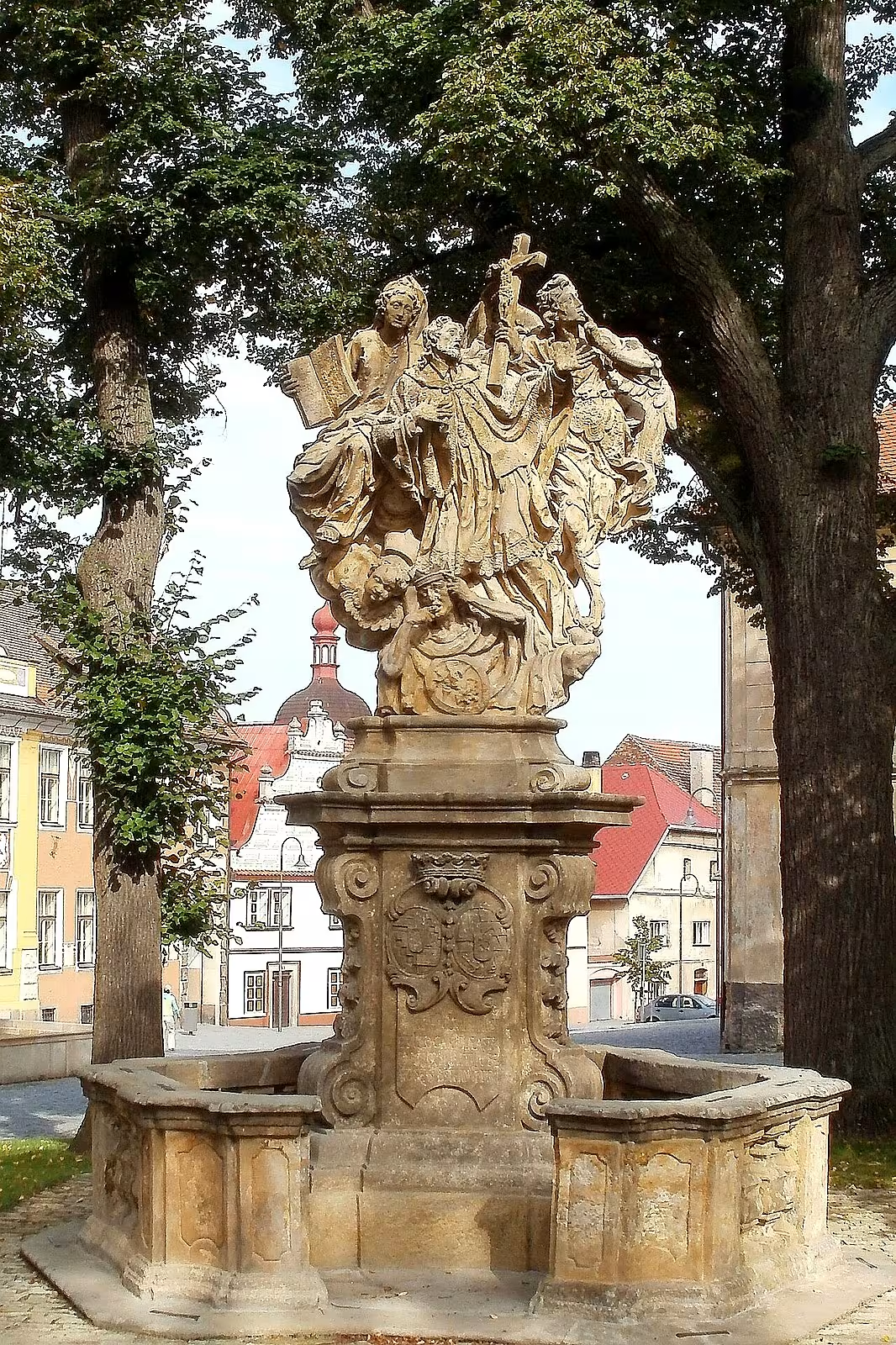
The Sousoší svatého Jana Nepomuckého in Opočno is a baroque monument dedicated to Saint John of Nepomuk. Erected in 1729 following his canonization, it stands on Trčkově náměstí near the former administrative building of the estate. This life-sized statue, crafted from grey-brown sandstone by sculptors linked to Matyáš B. Braun's circle, depicts Saint John adoring a crucifix. Allegorical figures surround him, including an angel symbolizing silence and a personification of Slander associated with King Wenceslaus IV.
Commissioned in 1729 by Rudolf hrabě Colloredo-Waldsee, owner of Opočno's pastures, the monument commemorates Saint John of Nepomuk's canonization. This period marked cultural flourishing under baroque influence within the Habsburg Monarchy, reflecting the Catholic Church's emphasis on sainthood and moral exemplars. Artists potentially involved include Jiří F. Pacák or Ignác Rohrbach, highlighting its connection to leading sculptural workshops in Eastern Bohemia.
Architecturally, the Sousoší is a prime example of late baroque artistry. It features Saint John Nepomuk in clerical attire, surrounded by allegorical figures that enhance its narrative depth. The pedestal bears the Colloredo-Waldsee family crest and includes inscriptions, while the monument itself is encircled by a balustrade with alternating columns. This intricate design underscores the artistic sophistication of the era.
Initially owned by Rudolf hrabě Colloredo-Waldsee, who commissioned it to honor Saint John's canonization, the monument has remained a significant cultural landmark since its creation. It reflects both religious devotion and baroque artistry.
In 1734, another statue by Ignác Rohrbach depicting Saint Florian was placed opposite the Sousoší, adding historical and artistic richness to Trčkově náměstí. This juxtaposition highlights the area's importance as a site of commemoration and cultural expression during the baroque period.
Today, the Sousoší svatého Jana Nepomuckého stands as an accessible monument for visitors interested in Bohemian history and art. Its preservation allows contemporary audiences to appreciate its intricate craftsmanship and historical narratives. Visitors are invited to explore this remarkable piece of cultural heritage, which continues to resonate with both historical significance and artistic beauty.
Then and now
Drag the slider to compare how the landmark may have looked when it was built with the view today.
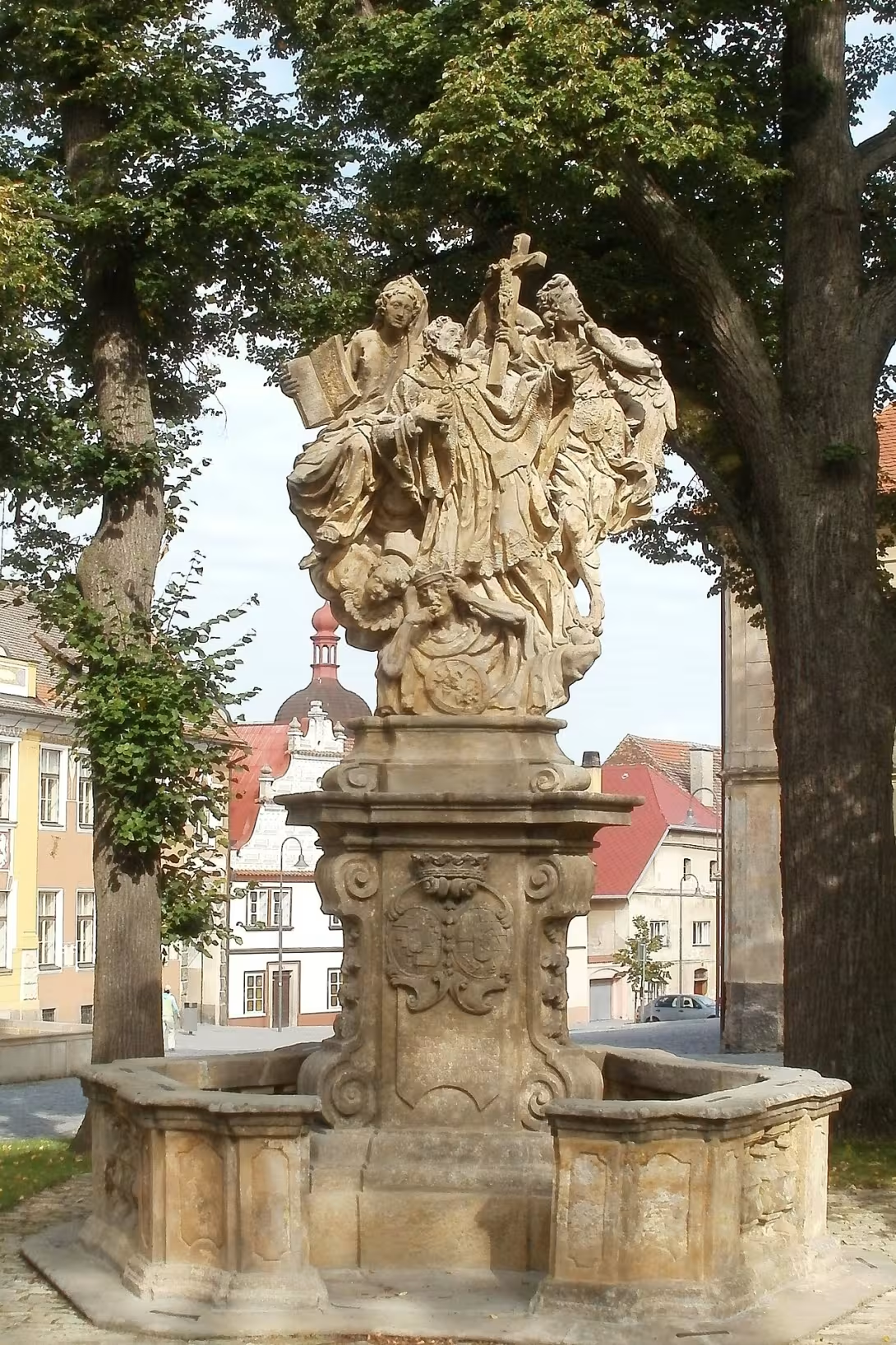

The historical appearance on the left is an AI-generated visualisation and serves as inspiration only.
Historical milestones
- 1729
- A statue of Saint John Nepomucene was erected.
- 1729
- Rudolf Count Colloredo-Waldsee commissioned a monument to celebrate the canonization of St. John Nepomucene.
- 1734
- A statue of Saint Florian by Ignaz Rohrbach was placed opposite the Group Sculpture.
Architectural development
The sculpture is a prime example of late baroque work from leading sculptural workshops in Eastern Bohemia. It features grey-brown sandstone and includes allegorical figures, with inscriptions on its pedestal.
Historical events
1729: The monument was created to commemorate the canonization of Saint John of Nepomuk.
1734: A statue of Saint Florian by Ignác Rohrbach was placed opposite the Sousoší.
Owners
The statue was commissioned by Rudolf hrabě Colloredo-Waldsee, owner of Opočno's pastures.
Points of interest
- The Sousoší svatého Jana Nepomuckého was commissioned by Rudolf hrabě Colloredo-Waldsee specifically to commemorate the canonization of Saint John of Nepomuk in 1729, reflecting a period when baroque art flourished under Catholic influence.
- Allegorical figures surrounding the statue include an angel symbolizing silence and Slander personified, which connects to historical events involving King Wenceslaus IV's alleged betrayal of Saint John, adding layers of narrative depth to the monument.
- The pedestal of the Sousoší features the Colloredo-Waldsee family crest, linking it directly to this noble lineage and highlighting their patronage in the arts during the baroque era.
- In 1734, a statue by Ignác Rohrbach depicting Saint Florian was placed opposite the Sousoší, creating a thematic dialogue between two saints associated with protection and virtue on Trčkově náměstí.
- The monument's intricate design, including its balustrade with alternating columns, exemplifies late baroque artistry and showcases the sophisticated craftsmanship of artists potentially linked to Matyáš B. Braun’s circle in Eastern Bohemia.
Guide
This guide is narrated by a synthetic voice generated by artificial intelligence.
Show guide text
This text was created by artificial intelligence and has not been editorially reviewed. It may contain inaccuracies.
The Ensemble of Saint John of Nepomuk is a Baroque monument in Opočně in the Rychnov nad Kněžnou district. It is dedicated to the Czech patron and guardian of the seal of confession and was created on the occasion of his canonization in the year seventeen twenty-nine. This date is also carried in a chronogram on the pedestal.
The ensemble was commissioned by Rudolf, Count Colloredo-Waldsee, the owner of the Opočně estate. We do not know the name of the author with certainty. It was a sculptor from the circle of Matěj Braun and the possibilities include Jiří Pacák or Ignác Rohrbach from Chrudim. The work belongs to examples of High Baroque from the leading sculptural workshops of Eastern Bohemia.
The sculptor worked in grayish-brown sandstone. Saint John of Nepomuk stands in the center in larger-than-life size. He is dressed in the typical priestly rochet and holds a crucifix in his hands, which he turns toward. Around the saint are three accompanying figures. An angel stands to his right side, gesturing to call for silence. On the left sits an allegorical female figure with an open book. At the feet of the saint crouches Slander, conceived in a caricature manner. Its appearance refers to King Václav the Fourth, who had John imprisoned and tortured.
The pedestal has a triangular shape. It is decorated with a relief of the alliance coat of arms of Rudolf Colloredo-Waldsee and his wife Marie Gabriela of Starhemberg. On the front and back sides are Latin inscriptions. The entire ensemble is surrounded by a conical balustrade, interrupted by posts.
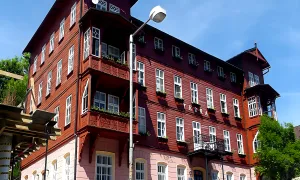
The ensemble stands on Trčkovo Square not far from house number two, the former administrative building of the estate. Opposite it is a statue of Saint Florian by Ignác Rohrbach from the year seventeen thirty-four.
Frequently asked questions
Can the monument be visited?
This is a structure in a public space that can usually be seen from outside free of charge. We have not verified that this particular one is freely accessible.
Where is the monument?
Location: Opočno, Královéhradecký kraj. The map on this page shows the exact spot.
Why is the monument protected?
It is listed in the Central List of Cultural Monuments of the Czech Republic as a cultural monument (register no. 1000145828).
Businesses nearby
Do you run a restaurant, accommodation, shop, museum, rental, wellness or other visitor service near this monument? Show yourself directly to the people heading to it — this is how they will see you in the app and on the web:
Events nearby

Zdroj akcí: otevřená data měst a obcí ČR (Národní katalog otevřených dat) a kalendář akcí Národního památkového ústavu.
Nearby
The monument is located on Trčkově náměstí near Opočno, close to a former administrative building of the estate. Nearby is another statue of Saint Florian by Ignác Rohrbach.
Accommodation nearby
Themed route
Tematická výletní trasa: Opočno a jeho památky
1. Sousoší svatého Jana Nepomuckého (Opočno) - Typ: Socha - Proč stojí za návštěvu: Tato socha je významnou kulturní památkou, která oslavuje svatého Jana Nepomuckého, patrona tajemství svátosti pokání. Umístěna na Trčkově náměstí, nabízí krásné zobrazení historických a kulturních tradic obce Opočno.
2. Socha svatého Floriána - Typ: Socha - Proč stojí za návštěvu: Umístěná blízko sochy svatého Jana Nepomuckého, je tato socha dílem Ignáce Rohrbacha a představuje další kulturní památku oblasti. Svatý Florian je známý jako patron proti požárům, což dodává místu historickou hloubku.
3. Bývalé administrativní budovy zámku - Typ: Historická budova - Proč stojí za návštěvu: Tato budova je důležitou součástí historie Opočna, sloužící kdysi jako administrativní centrum zámku. Její architektura a historický význam nabízejí vhled do minulosti regionu.
Tato trasa nabízí pohled na kulturně bohaté památky Opočna, přičemž každý bod je spojen s jeho historií a tradicemi.
Seasonal recommendations
Spring: Visiting the Statue of Saint John Nepomuk in Opočno during spring offers a vibrant atmosphere as nature awakens with blooming flowers and lush greenery, creating a picturesque backdrop for the historical monument. The soft morning light enhances the intricate details of the statue, making it an ideal time for photography enthusiasts. Visitors should be prepared for occasional rain showers typical of this season; therefore, carrying a waterproof jacket is advisable. Although crowds are generally moderate, arriving early in the day can provide a more tranquil experience before larger groups gather.
Summer: Summer at the Statue of Saint John Nepomuk is characterized by long daylight hours and warm weather, perfect for leisurely exploration. The sun casts dramatic shadows that accentuate the statue's features, while the surrounding park offers ample space for picnics or relaxation under the shade of trees. This season sees a higher volume of visitors due to its popularity among tourists; thus, arriving early in the morning can help avoid peak crowds. Comfortable walking shoes and light clothing are recommended, as well as staying hydrated by bringing water along on your visit.
Autumn: Autumn brings a stunning display of colors to Opočno, with vibrant reds, oranges, and yellows surrounding the Statue of Saint John Nepomuk. The cooler temperatures make for comfortable strolls through the park, while the soft afternoon light provides an enchanting glow over the statue. This season is less crowded than summer, offering a more peaceful experience. Visitors should dress in layers to accommodate fluctuating temperatures throughout the day and consider bringing a scarf or hat for added warmth as the days grow shorter.
Winter: Winter transforms Opočno into a serene landscape, with snow often blanketing the area around the Statue of Saint John Nepomuk, adding a magical quality to its surroundings. The statue can appear quite different under the soft glow of streetlights during evening hours, creating a unique and atmospheric experience. Visitors should dress warmly in layers, including thermal wear and waterproof boots, as temperatures can be quite cold. Winter days are shorter, so planning your visit earlier in the day is advisable. Additionally, check ahead for any seasonal changes to opening times due to weather conditions.
Visualizations and artistic views


The visualisations are generated by artificial intelligence and serve as inspiration.
Photos from the area
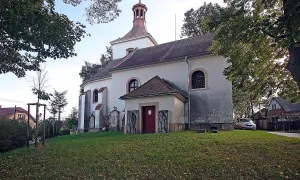
Real photos taken near the monument


Zdroj a licence jsou uvedeny u každého snímku.
View from the area
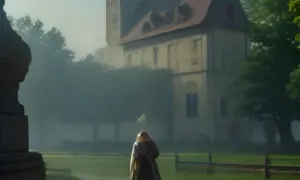
This animation was generated by artificial intelligence from a real photograph of the surroundings. The motion and details are not real footage of the location.
Tips from visitors
No tips yet. Be the first!
Log in and add your tip.
Sources and literature
Photos: Chrocht / CC BY-SA 3.0 — Wikimedia Commons. The author and licence also appear when you hover over the image.
Faktickým podkladem tohoto textu byl článek na Wikipedii, jehož autory jsou přispěvatelé Wikipedie. Článek je dostupný pod licencí CC BY-SA 4.0.
Location on the map


Příběhy a pověsti
Legendy, pověsti a příběhy spjaté s touto památkou
Fotografie návštěvníků
Zatím žádné fotografie. Buďte první, kdo přidá fotografii z návštěvy!
Log in a přidejte svou fotografii nebo hodnoťte.
Za ověřenou návštěvu v aplikaci získáte víc bodů — poznáme podle GPS, že jste na místě.
Reviews and comments