



Spálov Castle
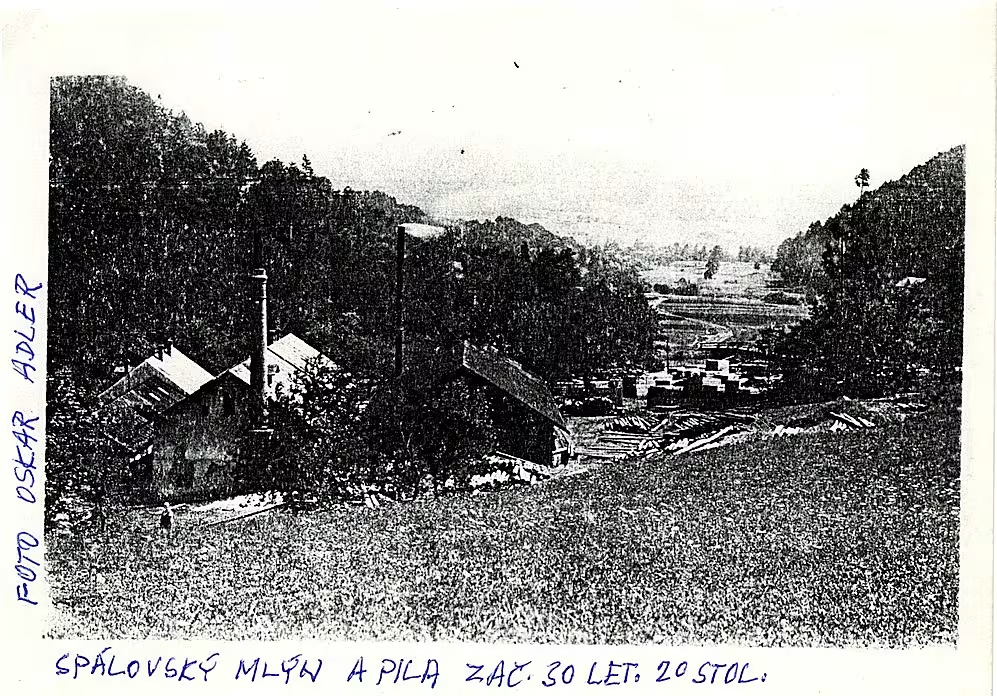
Spálov is a market town located in the Nový Jičín District of the Moravian-Silesian Region in the Czech Republic. It is known for its historical zámek, or castle, near the Church of St. James. This site holds significance due to its rich history dating back to 1394 and its architectural evolution from a medieval fortress into an Empire-style structure with later neoclassical modifications. The town lies in the Nízký Jeseník range, approximately 24 kilometers northwest of Nový Jičín and 38 kilometers west of Ostrava.
The origins of Spálov trace back to its first documented mention in 1394 as part of the Potštát estate. Over time, it transitioned from a village within this estate to an independent entity by 1611. The castle's history is marked by various ownerships and architectural transformations reflecting broader historical shifts. Initially serving as a medieval fortress, it underwent significant changes under different owners, including the Schertz family in the late 17th century who introduced silver mining and initiated baroque renovations between 1695 and 1698.
The architecture of Spálov's zámek has evolved significantly over the centuries. Originally built as a medieval fortification, it was transformed into a castle with baroque elements under Karel Ferdinand Schertz. The structure later adopted an Empire style following a fire in 1845 and saw further modifications in the neoclassical style by 1921. These changes reflect the turbulent history of the region, including periods of plundering and burning during conflicts such as those involving Lisovčíky in 1620 and Polish Cossacks around 1623/24.
Ownership of Spálov's zámek has shifted numerous times throughout its history. Notable owners include Markgraf Prokop before 1405, Tas z Prusinovic in 1408, and the Podstatští z Prusinovic family. The castle later came under the control of Jetřich z Prusinovic from 1492 to 1535, followed by Jan Bernard Podstatský z Prusinovic in 1609. Kristina z Rogendorfu acquired it in 1611, and subsequent owners included Jiří Ehrenreich z Rogendorfu, Alžběta z Vrbna with Jan Gottfried Breiner ze Stubinku in 1622, and Karel Ferdinand Schertz from 1694 to 1698. The Záviš family owned the estate from 1743 until 1883, during which Spálov was promoted to a market town in 1828. Later owners included Rudolf Landelin z Fragštejna, Emanuel Kajetán Záviš z Osenice, Moritz Záviš, Adolf Dubský z Třebomyslic, Filip Arnošt Kinský, and Viktor Bauer until 1921.
Key events in Spálov's history include its plundering by Lisovčíky in 1620 and subsequent burning by Polish Cossacks around 1623/24. The baroque reconstruction under Karel Ferdinand Schertz between 1695 and 1698 marked a significant architectural transformation. These events highlight the castle's resilience and adaptability through various historical upheavals.
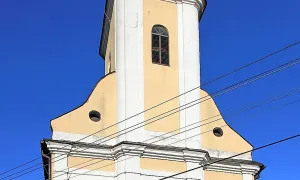
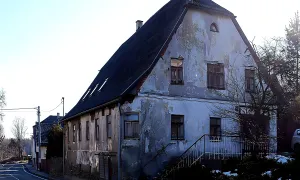
Today, Spálov's zámek stands as a testament to its complex history, having undergone numerous modifications that obscure its original medieval appearance. Despite these changes, it remains an intriguing site for visitors interested in exploring the layers of architectural styles and historical narratives embedded within its walls. The castle is located near the Church of St. James, adding to the cultural richness of the area. While there are no railways or major roads passing through Spálov, its proximity to Nový Jičín and Ostrava makes it accessible for those wishing to delve into Moravian Silesia's historical landscape.
Visiting Spálov offers a unique opportunity to witness the confluence of history and architecture in a small yet historically significant town. The zámek, with its storied past and architectural evolution, invites exploration and reflection on the broader historical shifts that have shaped this region.
Then and now
Drag the slider to compare how the landmark may have looked when it was built with the view today.
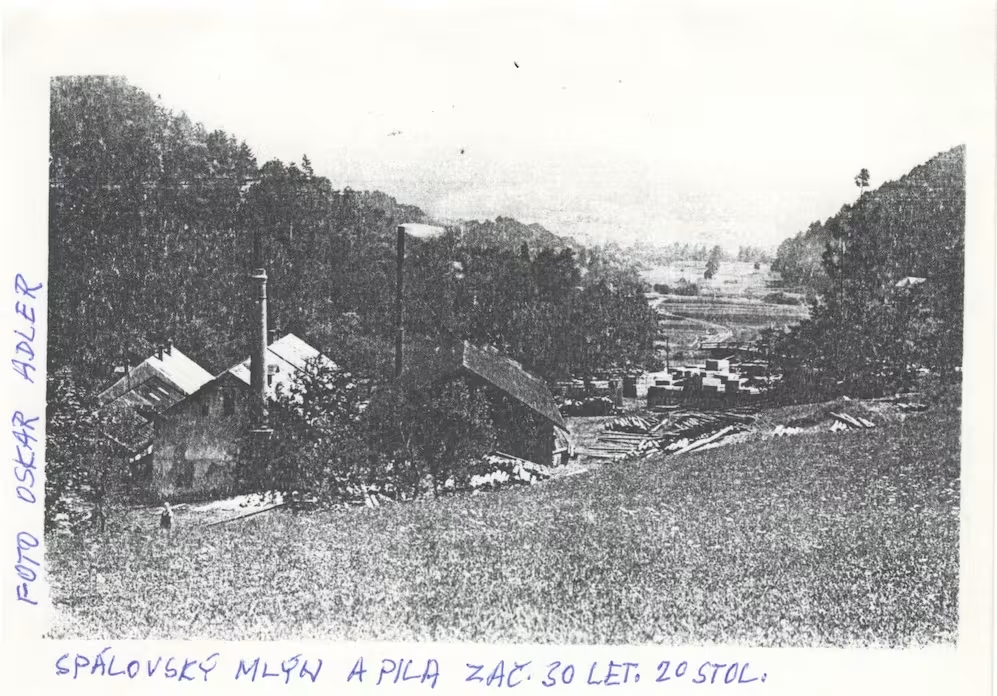
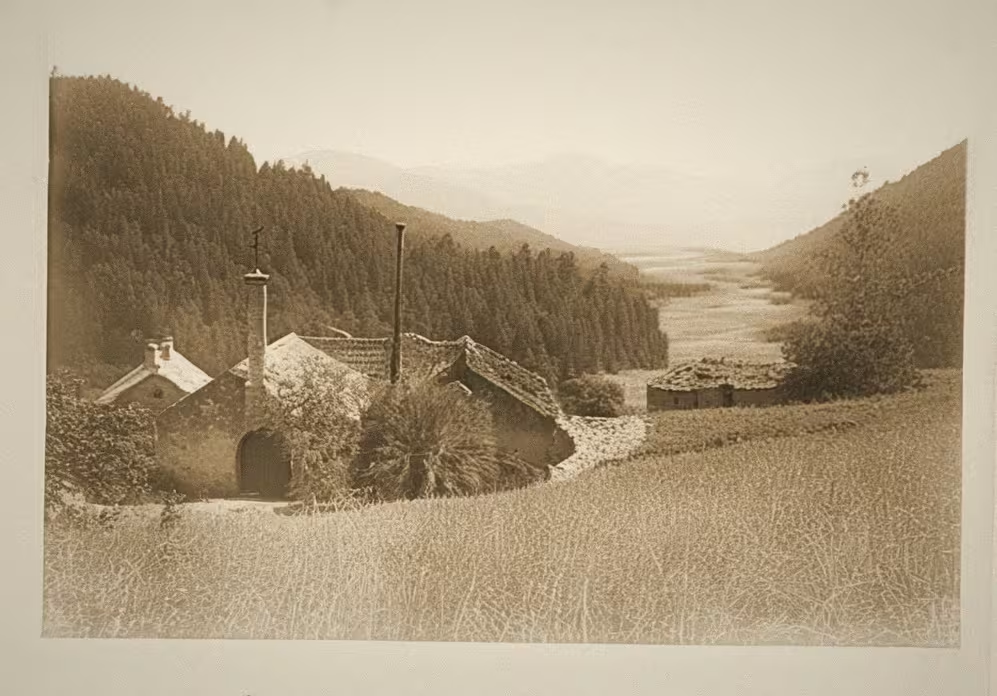
The historical appearance on the left is an AI-generated visualisation and serves as inspiration only.
Historical milestones
- 1394
- Spálov became part of the Pštát estate.
- 1620
- The castle was plundered by Lisovčíky.
- 1695-1698
- Baroque reconstruction under Karel Ferdinand Schertz.
Architectural development
Spálov's architectural evolution reflects its turbulent history, beginning as a medieval fortress. It underwent significant baroque renovations in the late 17th century and was later transformed into an Empire-style structure after a fire in 1845. The castle saw further modifications in the neoclassical style in 1921, with additional changes leading to modernist alterations by 2022.
Historical events
In 1394, Spálov became part of the Pštát estate.
The castle was plundered by Lisovčíky in 1620 and burned by Polish Cossacks around 1623/24.
Baroque reconstruction occurred between 1695–1698 under Karel Ferdinand Schertz.
Owners
Markgraf Prokop (before 1405)
Tas z Prusinovic (1408)
Podstatští z Prusinovic
Jetřich z Prusinovic (1492–1535)
Jan Bernard Podstatský z Prusinovic (1609)
Kristina z Rogendorfu (1611)
Jiří Ehrenreich z Rogendorfu
Alžběta z Vrbna and Jan Gottfried Breiner ze Stubinku (1622)
Karel Ferdinand Schertz (1694–1698)
Rudolf Landelin z Fragštejna (1730)
Emanuel Kajetán Záviš z Osenice (1743)
Moritz Záviš (1845)
Adolf Dubský z Třebomyslic and Filip Arnošt Kinský
Viktor Bauer (1883–1921)
Points of interest
- The Spálov zámek has a unique history of ownership transitions, including being acquired by Kristina z Rogendorfu in 1611, marking a shift from the Podstatští z Prusinovic family's control to a female proprietorship during a period when women rarely owned such estates.
- One less-known aspect of Spálov’s castle is its transformation into an Empire-style structure following a fire in 1845. This architectural change was part of broader efforts to modernize the building, reflecting the influence of European styles on local architecture at that time.
- The zámek's resilience is highlighted by its survival through multiple plunders and burnings, including those by Lisovčíky in 1620 and Polish Cossacks around 1623/24. These events illustrate the turbulent history of the region during periods of conflict and upheaval.
- An intriguing transformation occurred under Karel Ferdinand Schertz between 1695 and 1698 when he introduced baroque renovations, including silver mining operations on the estate. This period marked a significant shift in the castle's function and architectural style.
- Despite its turbulent past, Spálov was elevated to market town status in 1828 during the Záviš family's ownership. This elevation reflects the region's economic growth and strategic importance within Moravia-Silesia at that time.
Guide
This guide is narrated by a synthetic voice generated by artificial intelligence.
Show guide text
This text was created by artificial intelligence and has not been editorially reviewed. It may contain inaccuracies.
Welcome to the historic site of Spálov Castle, nestled in the heart of the village near the Church of St. James. As you stand here, imagine the layers of history that have unfolded over this landscape. The castle before you is a testament to time's passage, having undergone numerous transformations that veil its original grandeur as a medieval stronghold.
The origins of Spálov Castle trace back to an undated notarial document, but by 1394 it became part of the Pštát estate under the ownership of Markgraf Prokop. This marked the beginning of a long and intricate history of ownership transitions. Over centuries, the castle changed hands among various noble families, each leaving their mark on its architecture and legacy.
As you take in your surroundings, notice how the structure has evolved through different architectural styles. The current appearance is largely shaped by the Baroque reconstruction that took place between 1695 and 1698 under Karel Ferdinand Schertz. While specific details of the original design are obscured by these later alterations, the essence of its historical significance remains palpable.
Several key figures have been intertwined with Spálov's history. Kristina z Rogendorfu became a notable owner in 1611, marking a significant shift as she was one of the rare women to hold such an estate during her time. The castle also saw the influence of other prominent personalities like Prokop of the Přemyslid dynasty and Jan Bernard Podstatský z Prusinovic.
One intriguing aspect of Spálov Castle is its history of ownership transitions, particularly Kristina's acquisition, which highlights a period when female proprietorship was uncommon. This adds an interesting layer to the castle’s narrative, reflecting broader social dynamics of the era.
As you continue exploring this site, let your imagination wander through the centuries that have shaped it. Consider the stories and lives that unfolded within these walls, each adding depth to its rich tapestry. We invite you to delve deeper into its history, perhaps discovering more about the people who once called this place home.
Thank you for joining us on this journey through time at Spálov Castle. May your visit inspire a deeper appreciation for the layers of history that surround us. Safe travels as you continue exploring the wonders of Moravskoslezský kraj.
Tips for visitors
The best time to visit Spálov is during late spring or early autumn when the weather is pleasant, and the surrounding landscapes are particularly beautiful. During these months, you can enjoy a comfortable stroll around the castle ruins without the summer crowds or winter chill. The mild temperatures make it ideal for exploring both the castle grounds and nearby attractions.
The village's proximity to other historical sites makes it a convenient stop for travelers exploring Moravian Silesia.
When visiting Spálov, consider bringing comfortable walking shoes as there may be uneven paths around the castle ruins. A camera is recommended to capture the picturesque views and architectural details of the site. Since the area can get warm in summer months, don't forget a hat or sunscreen for protection against the sun.
Photography enthusiasts will find several spots around Spálov's castle that offer great lighting conditions, especially during the golden hours of early morning or late afternoon. The ruins themselves provide dramatic backdrops, while the nearby Church of St. James can be captured beautifully in softer light. Experiment with different angles to capture the essence of this historic site.
Within a 30-minute drive from Spálov, visitors can explore other historical sites such as additional castles and manor houses typical of Moravian Silesia's cultural landscape. These nearby attractions offer further insights into the region’s rich history and architecture, making for an enriching day trip.
Frequently asked questions
Can the monument be visited?
Some buildings of this kind are open for guided tours, others serve another purpose or are privately owned. We have not verified whether and when this monument is open – please ask the operator. According to the heritage register the structure is in poor condition – do not enter it and take care nearby.
What are the opening hours and admission?
We have not verified the opening hours or admission. Current information is published by the operator.
Where is the monument?
Location: Spálov, Moravskoslezský kraj. The map on this page shows the exact spot.
Businesses nearby
Do you run a restaurant, accommodation, shop, museum, rental, wellness or other visitor service near this monument? Show yourself directly to the people heading to it — this is how they will see you in the app and on the web:
Nearby
Spálov is situated near the Church of St. James and lies within a region rich in historical sites, including other castles and manor houses typical of Moravian Silesia's cultural landscape.
Accommodation nearby
Themed route
Thematic Walking Tour: Spálov Castle and Its Historical Surroundings
1. Spálov Castle - Type: Castle - Why Visit: Begin your journey at the majestic Spálov Castle, a quintessential example of Moravian Silesian architecture with its rich history dating back to the 13th century. The castle's beautifully preserved interiors and expansive grounds offer a glimpse into the region’s noble past.
2. Church of St. James - Type: Church - Why Visit: Located near Spálov Castle, this church is an architectural gem featuring Gothic elements that reflect the area's deep-rooted religious heritage. Its serene atmosphere and historical significance make it a must-see for visitors interested in ecclesiastical architecture.
3. Spálov Manor House - Type: Manor House - Why Visit: Just a short walk from Spálov Castle, this manor house showcases the typical style of Moravian Silesian estates with its elegant design and historical importance. The surrounding gardens provide a peaceful setting for reflection on the region's aristocratic lifestyle.
4. Spálov Village Center - Type: Historic Village - Why Visit: Explore the charming village center, where traditional houses line the streets, offering insights into local life over centuries. This area is perfect for those interested in experiencing the authentic cultural landscape of Moravian Silesia.
5. Castle Park and Gardens - Type: Historical Garden - Why Visit: Conclude your tour with a leisurely stroll through the castle's expansive park, designed to complement its architectural beauty. The well-maintained gardens provide a tranquil backdrop for appreciating the harmony between nature and history in this remarkable region.
This thematic walking tour offers a comprehensive exploration of Spálov Castle and its immediate surroundings, highlighting the rich cultural tapestry of Moravian Silesia.
Seasonal recommendations
Jaro: In the spring season, Spálov Castle is surrounded by blooming flowers and trees, creating an inviting atmosphere of new life. Sunlight illuminates the ancient walls, highlighting their historical beauty. This time of year is exceptional for visitors seeking mild weather and pleasant temperatures. It's recommended to visit the castle early in the day when fewer people are around, allowing for a more relaxed tour. Sturdy shoes and hats are suitable for uneven terrain.
Léto: Summer at Spálov offers long days filled with sunlight that accentuates the historical architecture of the castle. During peak summer season, open spaces become popular spots for relaxation under shady trees, creating a welcoming atmosphere. Due to high interest in this location, it's recommended to visit the castle earlier in the day to avoid crowds and ensure more time for exploration. Warm clothing and sun protection, such as hats and sunscreen with high SPF, are essential.
Podzim: In autumn, Spálov Castle transforms into a palette of yellow, orange, and red trees, adding a romantic atmosphere to its historical character. The sunlight is less intense and temperatures are mild, making the visit comfortable. This period has fewer visitors than summer, so the tour becomes more relaxed and intimate. Waterproof boots and warm clothing are suitable for potentially rainy weather.
Zima: A winter visit to Spálov Castle offers a unique view with white snow covering its historical structures, creating a pure and serene atmosphere. The number of visitors is minimal during this season, allowing for a leisurely exploration. Warm clothing such as scarves and hats, and protection against the cold, are essential for comfort during your visit.
Visualizations and artistic views


The visualisations are generated by artificial intelligence and serve as inspiration.
Tips from visitors
No tips yet. Be the first!
Log in and add your tip.
Sources and literature
Faktickým podkladem tohoto textu byl článek na Wikipedii, jehož autory jsou přispěvatelé Wikipedie. Článek je dostupný pod licencí CC BY-SA 4.0.
Location on the map
Příběhy a pověsti
Legendy, pověsti a příběhy spjaté s touto památkou

Fotografie návštěvníků
Zatím žádné fotografie. Buďte první, kdo přidá fotografii z návštěvy!
Log in a přidejte svou fotografii nebo hodnoťte.
Za ověřenou návštěvu v aplikaci získáte víc bodů — poznáme podle GPS, že jste na místě.
Reviews and comments