






Svatý Kříž Monument
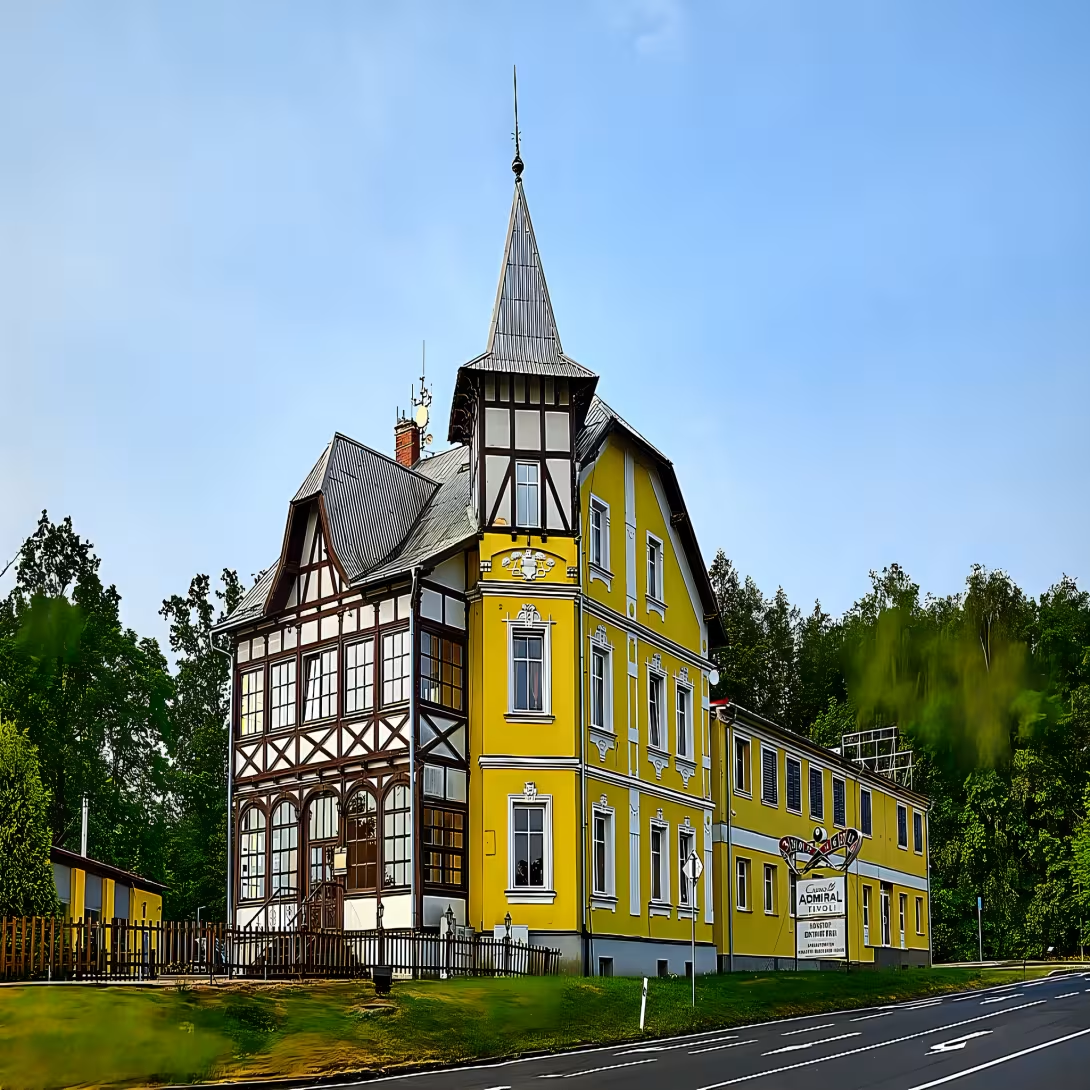
Svatý Kříž, originally a village near the German border in the Cheb district of Karlovarský kraj, stands today as a poignant symbol of resilience and memory. Once home to a thriving community, it was depopulated following World War II due to the expulsion of its German inhabitants. During the Cold War, Svatý Kříž became strategically important for border troops. Today, it is marked by a memorial dedicated to victims of the Iron Curtain, featuring symbolic iron columns with a broken chain that represents the struggle against oppression.
The origins of Svatý Kříž lie in its existence as a village near the German border. After World War II, geopolitical changes led to the expulsion of the German population from Czechoslovakia, resulting in the area's depopulation in 1945. This period marked a significant transformation for Svatý Kříž, transitioning from a residential community to a site of military importance during the Cold War.
Architecturally, Svatý Kříž evolved significantly post-World War II. The village was repurposed as a base for border patrol units, reflecting its strategic location along the Iron Curtain. In 2006, the construction of a memorial marked another pivotal moment in the site's history. Designed by Antonín Kašpar and Jaroslav Šust, this monument features two iron columns connected by a chain with a broken link, symbolizing resistance against oppression. The text for this memorial was crafted by Václava Jandečková, highlighting its historical significance.
Ownership and administration of Svatý Kříž have seen dramatic changes over the years. Initially part of a residential community, it became a military site post-World War II. After the Velvet Revolution, the area witnessed another transformation with the establishment of an extensive Asian market, reflecting the dynamic nature of its use and significance.
Key events in Svatý Kříž's history include the closure of road connections to Waldsassen, Germany, in 1948, which severed ties and underscored the division imposed by the Iron Curtain. The erection of the memorial on June 27, 2006, stands as a testament to those who suffered under this division, commemorating their struggles and resilience.
Today, Svatý Kříž is accessible via roads II/214 and III/2141, with its historical significance underscored by landmarks such as the peace cross adorned with geometric relief. The site hosts a memorial plaque dedicated to victims of the Iron Curtain, serving as a reminder of the past's impact on present-day Europe.
Visiting Svatý Kříž offers a unique opportunity to reflect on the complex history of post-World War II Europe and the enduring legacy of division and resilience symbolized by the Iron Curtain. The site invites visitors to explore its historical significance, providing insight into the struggles faced by those who lived through these tumultuous times.
Historical milestones
- 1948
- Closure of the road connection to Waldsassen, Germany.
- 2006
- Erection of the Iron Curtain victims' memorial.
Architectural development
The site transitioned from a village to a border patrol base post-World War II. The construction of a significant memorial in 2006 marked its evolution into a place of remembrance.
Historical events
Post-World War II expulsion of German inhabitants led to depopulation in 1945.
In 1948, border closure severed road connections to Waldsassen, Germany.
After the Velvet Revolution, an extensive Asian market was established in the area.
A memorial for victims of the Iron Curtain was erected on June 27, 2006.
Guide
This guide is narrated by a synthetic voice generated by artificial intelligence.
Show guide text
This text was created by artificial intelligence and has not been editorially reviewed. It may contain inaccuracies.
Welcome to the historical site of Svatý Kříž, a poignant symbol of resilience and memory nestled in Cheb, Karlovarský kraj. As you stand here, take a moment to absorb your surroundings: before you is a solemn yet inspiring memorial dedicated to those who suffered under the Iron Curtain. The air carries echoes of history, inviting you on a journey through time.
The story of Svatý Kříž begins as a village near the German border in the Cheb district. Originally inhabited by a vibrant German-speaking community, it contributed significantly to the cultural and architectural landscape before World War II. However, the tides of history turned dramatically after 1945 when this community was expelled, marking a profound shift in the area's identity.
As we delve deeper into its past, Svatý Kříž gained prominence during the Cold War era as a site for border troops—a testament to its strategic location and historical significance. In 1948, an important event occurred: the closure of the road connection to Waldsassen, Germany, symbolizing the division that characterized this period.
Now, let's focus on what you see before you—the memorial itself. This poignant structure features symbolic iron columns with a broken chain, representing liberation and remembrance for victims of the Iron Curtain. The design is both stark and evocative, inviting reflection on the enduring human spirit in times of division and hardship.
While specific architects remain unknown, the emotional impact of this site speaks volumes. It stands as a testament to those who lived through these tumultuous times, their stories woven into the very fabric of this place.
A fascinating aspect of Svatý Kříž is its transformation from a thriving village to a symbol of historical memory. This evolution reflects broader themes of displacement and resilience that resonate deeply with anyone who visits.
As you continue your exploration, allow yourself to be drawn by curiosity. Each step here offers an opportunity for deeper understanding and connection with the past. Whether it's pondering the lives once lived or contemplating the significance of this memorial, there is much to uncover.
We invite you to delve further into the stories that Svatý Kříž has to tell. Take your time to reflect on what you've seen and heard, and let the spirit of resilience inspire you as you move forward. Thank you for joining us on this journey through history.
Tips for visitors
The best time to visit Svatý Kříž is during the late spring or early autumn months, when the weather is mild and pleasant for outdoor exploration. This period offers comfortable temperatures and vibrant natural surroundings, making it ideal for enjoying a leisurely stroll through the area. Additionally, visiting outside of peak tourist seasons can provide a more tranquil experience with fewer crowds.
Public transportation options are available and can be convenient for reaching the site; however, it's recommended to verify current routes and schedules through a transport app or website before your visit to ensure smooth travel plans.
When visiting Svatý Kříž, consider bringing comfortable walking shoes as you may want to explore the surrounding landscape. A hat, sunscreen, and water are also advisable due to potential exposure to sunlight during outdoor activities. Additionally, carrying a camera or smartphone with a good camera can help capture the historical significance and natural beauty of the site.
For photography enthusiasts, the best spots around Svatý Kříž include areas where you can frame the monument against expansive landscapes or forested backdrops. Early morning or late afternoon light often provides the most dramatic effects, casting soft shadows that enhance the textures and details of the site. Exploring different angles and perspectives can yield unique photographic opportunities.
Families with children might also enjoy visiting local parks or nature trails in the area, which offer recreational activities suitable for all ages.
Frequently asked questions
Can the monument be visited?
This is a structure in a public space that can usually be seen from outside free of charge. We have not verified that this particular one is freely accessible.
Where is the monument?
Location: Cheb, Karlovarský kraj. The map on this page shows the exact spot.
Businesses nearby
Do you run a restaurant, accommodation, shop, museum, rental, wellness or other visitor service near this monument? Show yourself directly to the people heading to it — this is how they will see you in the app and on the web:
Nearby
Svatý Kříž is near the German border, with roads II/214 and III/2141 passing through. The area includes historical landmarks like the peace cross adorned with geometric relief.
Accommodation nearby
Themed route
Thematic Route: Svatý Kříž and Surroundings
1. Svatý Kříž (Peace Cross) - Type: Monument - Why Visit: The Svatý Kříž is a poignant symbol of peace, located near the German border in Cheb. Adorned with geometric relief, this cross commemorates the end of World War II and serves as a reminder of reconciliation between nations. Its proximity to historical roads adds to its significance as a site marking both history and unity.
2. Historical Roads (II/214 and III/2141) - Type: Roadways - Why Visit: These roads not only provide access to the Svatý Kříž but also offer a glimpse into the region's historical connectivity. Traveling along these routes, visitors can appreciate the blend of natural beauty and historical significance that characterizes this border area. The roads themselves are part of the narrative of peace and movement between cultures.
3. Border Area Landscapes - Type: Natural and Historical Landscape - Why Visit: The landscapes surrounding Svatý Kříž, especially near the German border, provide a serene backdrop to the monument. This area is rich in history and offers visitors a chance to reflect on the past while enjoying the tranquility of nature. Walking through this landscape allows for a deeper appreciation of the peace symbolized by the cross.
This route provides a focused exploration of Svatý Kříž and its immediate surroundings, emphasizing historical and symbolic significance without straying into unrelated attractions.
Seasonal recommendations
Jaro: In the spring, the Svatý Kříž monument in Cheb offers stunning views as green vegetation begins to flourish and adds vibrant color to panoramic vistas of the surrounding Karlovarský region. Sunny days are ideal for walks, as they illuminate the monument and its surroundings, creating a gentle atmosphere of renewal. During this period, visitor numbers may increase due to pleasant weather, so it's advisable to visit the memorial early in the morning or late afternoon when crowds are typically smaller. We strongly recommend wearing comfortable shoes and clothing suitable for mild temperatures.
Léto: Summer is the best time to enjoy long sunny days and warm weather at the Svatý Kříž monument in Cheb. The atmosphere is full of vitality, making it an ideal place for outdoor activities or simply relaxing with a view of the surrounding landscape. However, during peak summer season, tourist numbers may increase, so it's advisable to visit the memorial early in the morning or late afternoon. Don't forget sun protection—don't leave without a hat and sunscreen for UV protection, as well as an adequate amount of drinking water.
Podzim: In autumn, the Svatý Kříž monument in Cheb offers a unique atmosphere with a colorful palette of leaves that add magic and tranquility to the region. Sunny days are still frequent, making it an ideal place for photography or simply relaxing in pleasant weather. Due to fewer tourists, it's suitable to visit the memorial even during midday when the atmosphere is calmer. We recommend wearing outerwear for mild cold weather and footwear appropriate for potential wetness.
Zima: A winter visit to the Svatý Kříž monument in Cheb offers a completely different view, with surroundings covered in snow and trees bare of leaves. The atmosphere is calm and quiet, creating a sense of remoteness and peace. Sunny days can be a special experience when snow-capped hills are illuminated by the sun, but remember to wear warm clothing—as winter months have shorter and colder days. Wearing warm boots and windproof clothing is essential for comfort during your visit.
Visualizations and artistic views


The visualisations are generated by artificial intelligence and serve as inspiration.
Photos from the area
Real photos taken near the monument


Zdroj a licence jsou uvedeny u každého snímku.
Tips from visitors
No tips yet. Be the first!
Log in and add your tip.
Sources and literature
Photos: Lubor Ferenc / CC BY-SA 4.0, rozlišení zvýšeno umělou inteligencí — Wikimedia Commons. The author and licence also appear when you hover over the image.
Faktickým podkladem tohoto textu byl článek na Wikipedii, jehož autory jsou přispěvatelé Wikipedie. Článek je dostupný pod licencí CC BY-SA 4.0.
Location on the map
Příběhy a pověsti
Legendy, pověsti a příběhy spjaté s touto památkou
Fotografie návštěvníků
Zatím žádné fotografie. Buďte první, kdo přidá fotografii z návštěvy!
Log in a přidejte svou fotografii nebo hodnoťte.
Za ověřenou návštěvu v aplikaci získáte víc bodů — poznáme podle GPS, že jste na místě.
Reviews and comments