



Synagoga v Lomnici Synagogue
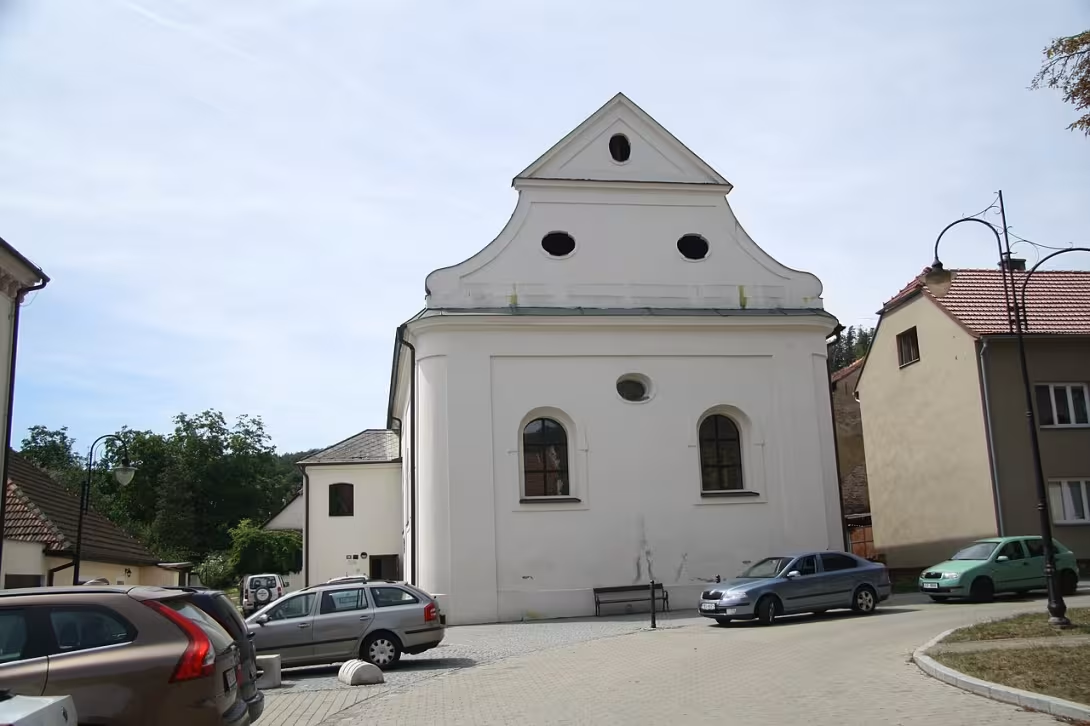
Synagoga v Lomnici is a Baroque cultural monument situated on Jewish Square in the former Jewish district of Lomnice. The building demonstrates the existence of a local Jewish community and thanks to the reconstruction it serves today as a space for cultural activities.
The Jewish village in Lomnica was established shortly after 1700 thanks to Count Antonín Amato. A wooden prayer house was set up for the purposes of the believers, but it has ceased to comply with the expansion of the village and with the Josephine reforms. The Jewish Council therefore approved the construction of a new synagogue on 16 August 1791.
The building was built in a conservative late Baroque style, although classicism had already dominated European architecture. The construction was completed in 1794 and ceremonially opened with the participation of the speedster Isak Wollner.
The synagogue remained owned by the lomonic Jews until the Nazi occupation. During this period, local Jews were taken to concentration camps, from which no one returned. During the occupation, the building served as a warehouse. The subsequent lack of interest in an object under both Nazi and communist regimes has led to its deterioration.
The state of the building was repaired in 1997 when the reconstruction took place. Since then, the synagogue has been opened for cultural purposes of the village, including the organisation of exhibitions and small concerts. A Jewish cemetery dating from the 18th century is also nearby.
Synagoga v Lomnici is an important testament to the history of the local community, which, thanks to the restoration, has become a living place again. Her visit offers an insight into the past and an opportunity for cultural experience.
Then and now
Drag the slider to compare how the landmark may have looked when it was built with the view today.
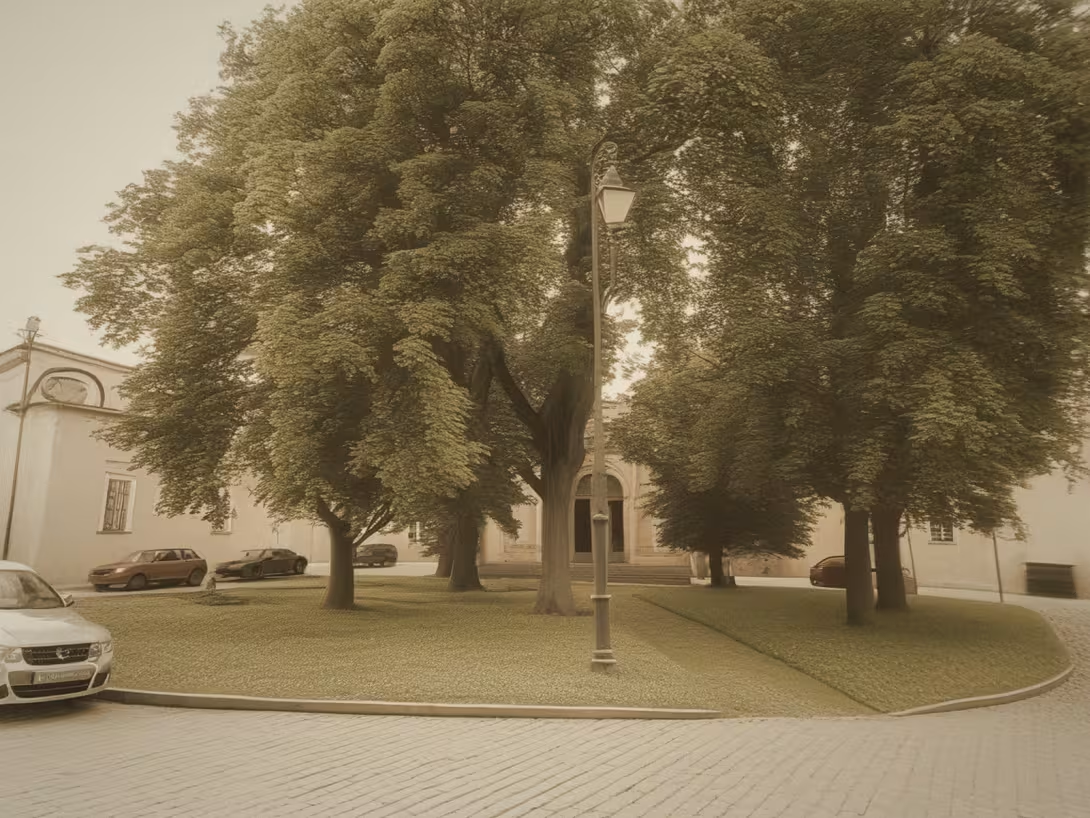
The historical appearance on the left is an AI-generated visualisation and serves as inspiration only.
Historical milestones
- Around 1700
- The formation of the Jewish village in Lomnica
- 1791
- Approval of construction of new synagogue
- 1794
- Completion of synagogue construction
- around 1940
- Use of the building as a warehouse during Nazi occupation
- 1997
- Building reconstruction
Architectural development
The original wooden prayer building was built in the early 18th century, but with an increasing number of Jews and their emancipation became inadequate. The new synagogue was built in the late Baroque style between 1791 and 1794.
Historical events
- 1791
- Approval of the construction of the new synagogue by the Jewish Council.
- 1794
- The opening ceremony of the newly built synagogue.
- 1997
- Reconstruction and opening for cultural purposes.
Owners
The ownership of the synagogue belonged to the Lomnian Jews from its inception to the Nazi occupation. After World War II, the building was abandoned and neglected before it was reconstructed in 1997.
Points of interest
- Synagoga v Lomnici is a Baroque cultural monument situated on Jewish Square in the former Jewish district of Lomnice. - The Jewish village in Lomnica was founded shortly after 1700 thanks to Count Antonín Amato. - The building was built in a conservative late baroque style and ceremonially opened with the participation of the speedster Isak Wollner. - The synagogue remained owned by the lomonic Jews until the Nazi occupation during which it was used as a warehouse. - The state of the building was repaired in 1997 when reconstruction took place, and today it serves for cultural purposes of the village.
Guide
Show guide text
This text was created by artificial intelligence and has not been editorially reviewed. It may contain inaccuracies.
Welcome to Lomnica. You've just stopped at one of the most important historical points in this town. You are standing in the Jewish Square, in the very heart of the former Jewish quarter, where the echoes of the ancient past are still floating through the air. There is a synagogue before you, a building that carries a vast number of stories, pleasures and tragedies that have been taking place on these streets for centuries. While you're looking at her face, try to imagine for a moment what this square looked like 200 years ago, when life here was completely different, rhythmic and closely connected to the community that carved this place into history.
To understand why this building is standing right here, we need to go back deep into the past, namely around 1700. That was when the Jewish community began to emerge in Lomnica. This was not a random process, but the result of the interconnections between people and the opportunities offered at the time. The key character for this creation was Count Antonín Amat, whose role in the arrangement of life in this town was absolutely essential. Thanks to its influence and growing community, the need for its own prayer space has become essential. However, the construction process that brings us to this place today was not immediate. It required time, patience and legal approval. It was in 1791 that the construction of the new synagogue was approved and three years later, in 1794, the construction was finally completed. From that moment on, this space became a spiritual center, a place where people gathered to share their faith and their daily worries.
Now, I would like to ask you to pay attention to the architecture of the building itself, which is right in front of you. If you look at her, you might be surprised by something that may not be visible at first glance. We live at a time when the architecture of Central Europe began to change, when strict and geometric classicism was promoted. They all tried to build modern, according to the new fashion trends at the time. But this synagogue has decided to go the other way. It is built in a conservative late Baroque style. Why was that? This choice is not random. We see strong emphasis here on tradition and continuity. Instead of trying to mimic the latest trends of its time, the building remained faithful to the baroque expression that carried a sense of stability and historical depth. When you look at its facade and its overall form, you can realize this deliberate contrast between what was considered to be new at the time and what was the roots of the community. It is an architecture that does not seek attention from exclamation, but from its balance and loyalty to the previous spirit.
But the history of this place wasn't always about prayer and peace. As you look at this building, we must also be aware of the downsides of the time that it had to overcome here. Around 1940, during the Nazi occupation, the fate of the synagogue changed dramatically. Instead of a sacred space where prayers were heard, the building became a mere warehouse. This era was a period of deep suffering and identity loss for the local Jewish community as well as for the memory. The building may have physically remained standing, but her soul was oppressed for a long time. Yet this monument defied oblivion. After many decades, only in 1997, there was a major reconstruction which gave the building its dignity back. Thanks to this renewal process, the synagogue is now open for cultural purposes, making it once again a living centre, although not in the original religious sense.
In connection with this place, there are stories of individuals in people's memories. One of the names associated with this history is Isak Wollner. Even though his name may not come to mind immediately, in order to understand the human dimension of this place, it is important to know that behind every wall and every stone there were real people who lived here, believed and worked. These people made up the fabric from which this neighborhood is woven.
If you're looking for something that would really interest you, think about one paradox. Why, at a time when the whole world was changing and architecture was becoming more machined and stricter, did this synagogue decide to remain baroque? It's basically one big question about identity. Was it an effort to prevent the community from breaking away from its history? Or perhaps by expressing some kind of spiritual resistance through building forms? This architectural non-conformity is what makes the Lomnické Synagogue such an extraordinary object. It's a building that refused to submit to all the currents of its time and thus secured its unmistakable space in time.
Now I want to invite you to continue your walk through the Jewish Square. Let yourself be drifted by the atmosphere of this place, observe the details of the surrounding buildings and try to find traces of those who lived here before us in every corner of this neighborhood. This synagogue is just one of many witnesses who has something to tell you. Thank you for your time and for taking this short journey with us. We wish you a beautiful rest of the day and many other interesting discoveries in exploring our beautiful town. Goodbye.
Tips for visitors
For the best experience we recommend a visit in the morning or late afternoon when the sun best highlights the Baroque details of the facade.
You can reach the monument by car and public transport.
For photography it is best to use the area of Jewish Square, from where the best view of the whole building is. Take drinking water and comfortable shoes for a pleasant walk.
Families with children can use the quiet atmosphere of the square to observe architecture.
Frequently asked questions
Can the monument be visited?
Religious buildings are usually open mainly during services; at other times a visit is normally arranged with the parish or the operator. We have not verified specific times.
Where is the monument?
Location: Lomnice, Jihomoravský kraj. The map on this page shows the exact spot.
Why is the monument protected?
It is listed in the Central List of Cultural Monuments of the Czech Republic as a cultural monument (register no. 1000143615).
Businesses nearby
Do you run a restaurant, accommodation, shop, museum, rental, wellness or other visitor service near this monument? Show yourself directly to the people heading to it — this is how they will see you in the app and on the web:
Events nearby
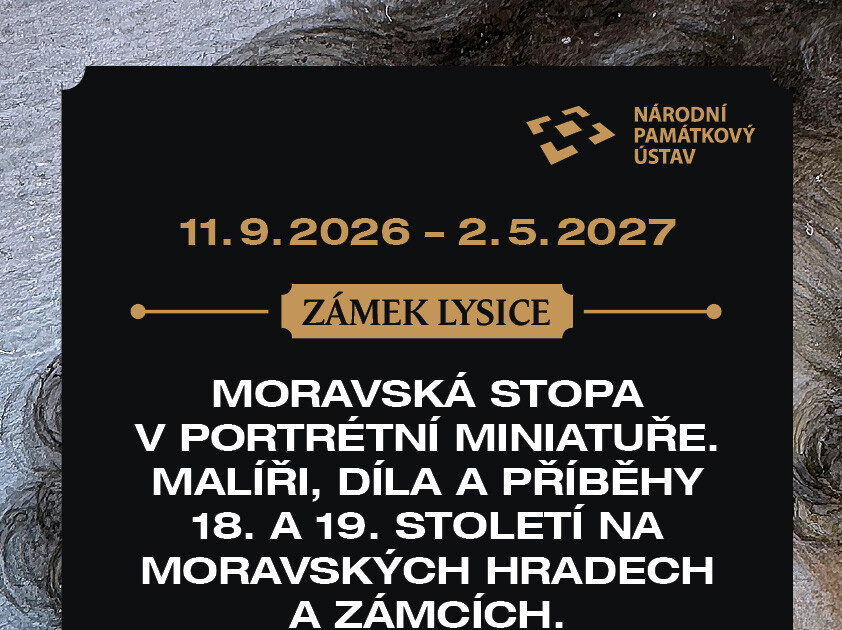
Zdroj akcí: otevřená data měst a obcí ČR (Národní katalog otevřených dat) a kalendář akcí Národního památkového ústavu.
Nearby
🏰 Historic sites (117)
- Památce židovských občanů 0.0 km
- Josef Uher 0.0 km
- Zdeněk Dobišar 0.2 km
- morový sloup 0.2 km
- Šerkovská hájovna - partyzáni 3.5 km
- Jára Cimrman 4.1 km
- Osiky 4.3 km
- Pivovar Doubravník 4.6 km
- Galerie z ruky 5.2 km +420 566 566 494 web
- J. V. Procházka 5.3 km
- Památník 1. sv. války 5.6 km
- Podhorácké muzeum Předklášteří 6.0 km 00420 544 544 220
- sv. Konstancie Uherská 6.0 km
- sv. Jan Nepomucký 6.0 km
- sv. Florián 6.0 km
- sv. Václav 6.0 km
- Kaple sv. Floriána 6.0 km
- Čepička 6.2 km
- Muzeum města Tišnova 6.2 km
- Galerie Art Periscope 6.3 km Na Honech 1769
🍽️ Restaurants and dining (176)
- Hospůdka v Židech 0.0 km
- Cukrárna Mumicafé 0.2 km +420 776332519
- Panský dům 0.2 km
- Genius Noci 0.2 km web
- Pohostinství na Sokolovně 0.3 km
- Pension Pod sýpkou 0.4 km Tišnovská 3 web
- Zámecký mlýn 0.5 km web
- U Pavlíčků 2.4 km
- Hostinec Rašov 3.3 km
- Občerstvení na Mlýně 4.0 km
- Hostinec U Sokola 4.6 km
- U Sedláčků 4.8 km
- Hostinec u Vlachů 5.2 km +420 549 427 001 web
- Hostinec "u Aničky" 5.7 km +420 732 808 009
- Hospoda 5.7 km
- Hospůdka Pod Květnicí 5.7 km Králova 1821
- Hospůdka Pod Květnicí 5.7 km
- V podpalubí 5.8 km Dřínová 1979
- Hospůdka v Hajánkách 5.8 km +420 704 366 791
- Zmrzlina U krále 5.8 km
🏨 Accommodation (32)
- Pension Pod sýpkou 0.4 km Tišnovská 3 web
- Rekreační středisko Prudká 3.5 km +420 727 823 601 web
- Ubytovna a penzion Hamry 4.6 km
- Penzion Laskala 6.2 km Klášterská 357 +420 720 26 67 24 web
- Hotel Květnice 6.4 km
- Pension Pluto 6.5 km +420 737 53 35 84
- Penzion Tišnovská Rychta 6.5 km Mlýnská 377 web
- Dětský tábor Brumov 6.8 km
- Artis 7.3 km +420 605 252 611 web
- Fara Bedřichov 7.4 km web
- Hotel U Nádraží 7.7 km
- Penzion Hanáček 7.8 km web
- Penzion Barborka 8.0 km +420566566317 web
- T.K. Křováci Kuřim 8.5 km
- Porčův mlýn 9.1 km web
- Šafránkův mlýn 9.6 km
- Jižní portál 9.9 km
- Phlora 10.2 km web
- Hotel Lysice 10.3 km + 420 725 396 424 web
- Rekreační středisko Zámeček 10.5 km
🚲 Rentals and sport (27)
- sport-vysocina.cz 3.8 km +420 603 526 269 web
- Sokol Lomnička 4.5 km
- Cykloski Doubek 5.9 km
- Perut 6.0 km
- Sokolovna 6.3 km Drbalova 274
- Style sport 6.3 km +420 549 410 666 web
- Čas pro sebe 6.4 km web
- E-POHONY Šikula 6.4 km +420 530 330 785 web
- Cykloservis Tip-Ťop kolo 6.4 km +420 723 07 77 91
- Orlovna 6.5 km
- Cykloport 6.6 km +420 608 50 01 36 web
- Brťovské koupaliště 6.7 km
- Koupalište Grado Tišnov 7.5 km web
- Sportovní klub Ujčov 10.2 km
- TJ Sokol Malhostovice 10.4 km web
- Černohorské koupaliště 12.7 km
- Sokolovna 12.9 km
- ASK Lipůvka 13.2 km Lipůvka 360
- Atletický areál 13.5 km
- Městská sportovní hala 13.6 km Brněnská 471
🥾 Hiking and nature (150)
- Židovské náměstí 0.0 km
- Luzichová 1.3 km
- rodný dům Josefa Uhra 3.2 km
- Pramen rybníčku 3.4 km
- Sýkoř 4.5 km
- Babylon 4.5 km
- studánka Járy Cimrmana 4.7 km
- Křivoš 4.7 km
- Svídovec 5.0 km
- Květnice 5.3 km
- Květnice 5.3 km
- Babylon 5.6 km
- Babylon 5.6 km
- Velká skála 5.8 km
- Velká skála 5.8 km
- Toníkova studánka 6.1 km
- Park pod kostelem - Farská zahrada 6.5 km
- Cimrmanova stopa 6.5 km
- Roční období 6.6 km
- Podzemí 6.7 km
Accommodation nearby
Trips and activities nearby
Guided tours, tickets and activities nearby from GetYourGuide
Affiliate link: if you buy from the partner, we may receive a commission. The price for you does not change.
Search tours and activities →Themed route
1. Exterior of the synagogue - Architecture. A tour of the outside facade and the unique appearance of the building. 2. Main Prayer Hall - Interior. Heart of the monument where you can perceive the spiritual atmosphere and original arrangement. 3. Internal Exposition - Exhibition. Information about the history of the Jewish community and the importance of this place. 4. Synagogue area - Outdoor area. Space around the building designed for quiet reflection.
Seasonal recommendations
Spring brings freshness and awakening nature around the synagogue, which complements its greenery with a beautiful historical environment. The fine sunlight in this period creates a calm atmosphere suitable for observing the details of the building. We recommend a visit in the morning when the light is most suitable. Prepare layered clothes because spring weather can be variable and morning temperatures still low.
In the summer months the surrounding area is filled with intense sun and the days are the longest, which allows a visit even in the late hours. In the main summer season there is more excitement at the sights, so it is best to arrive immediately after opening so that you enjoy the tour without crowds. Dress lightly and do not forget to protect yourself from sunlight. Shadows inside the building provide a pleasant shelter from the summer heat.
Autumn in Lomnica creates a melancholy atmosphere that is underlined by the colours of decaying leaves and morning fog. Golden light in the afternoon is ideal for shooting historical details. For a walk around the monument, choose comfortable shoes suitable for wet roads and warmer clothing. This period is ideal for those who seek peace and want to escape the summer rush.
Winter changes the atmosphere of the place into a quiet and rugged beauty when history seems even closer. Due to short days, it is best to plan a visit around noon when the lights are most. In this period it is necessary to wear very warm and waterproof clothes, especially if snow increases. Also check the current opening times before travelling, which may be shorter in winter months.
Visualizations and artistic views


The visualisations are generated by artificial intelligence and serve as inspiration.
Photos from the area
Real photos taken near the monument


Zdroj a licence jsou uvedeny u každého snímku.
Tips from visitors
No tips yet. Be the first!
Log in and add your tip.
Sources and literature
Photos: Jiří Sedláček / CC BY-SA 4.0 — Wikimedia Commons. The author and licence also appear when you hover over the image.
Faktickým podkladem tohoto textu byl článek na Wikipedii, jehož autory jsou přispěvatelé Wikipedie. Článek je dostupný pod licencí CC BY-SA 4.0.
Location on the map


Příběhy a pověsti
Legendy, pověsti a příběhy spjaté s touto památkou
Fotografie návštěvníků
Zatím žádné fotografie. Buďte první, kdo přidá fotografii z návštěvy!
Log in a přidejte svou fotografii nebo hodnoťte.
Za ověřenou návštěvu v aplikaci získáte víc bodů — poznáme podle GPS, že jste na místě.
Reviews and comments