






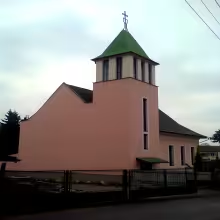
The Synagoga v Žamberku stands as a testament to the rich cultural tapestry of the Czech Republic, particularly within the town of Žamberk in Pardubický kraj. Originally constructed in 1811 after an earlier synagogue was destroyed by fire in 1810, this monument has served various roles throughout its history. Its significance lies not only in its architectural evolution but also in its adaptive reuse over time, reflecting broader historical shifts within the region.
The origins of Synagoga v Žamberku are rooted in a period when Bohemia was part of the Austrian Empire, characterized by cultural and religious diversity. The synagogue's construction in 1811 replaced an older structure that succumbed to flames just a year prior. This rebuilding effort underscores the resilience and continuity of the Jewish community in Žamberk during the early 19th century. As nationalist movements began gaining momentum across Europe by mid-century, local communities, including those in Bohemia, experienced significant cultural transformations.
Architecturally, the synagogue was initially designed in a classical style, typical of its time. This design choice reflects broader architectural trends prevalent in the region during the early 19th century. The building underwent substantial renovations in 1954 under architect František Kubelka from Prague. These renovations included adding a new tower, marking a significant transformation that aligned with its new function as a place of worship for the Czechoslovak Hussite Church.
Ownership and administration of Synagoga v Žamberku have seen notable changes over time. Originally belonging to the Jewish community of Žamberk, the synagogue's role shifted dramatically during World War II when it was repurposed as a grain storage facility. Post-war, in 1947, ownership transferred to the Czechoslovak Hussite Church, which has since maintained its use for religious purposes.
Key events in the history of Synagoga v Žamberku include its initial construction following the fire of 1810 and its subsequent transformation during World War II. The renovation completed in 1954 under František Kubelka is particularly noteworthy, as it marked a new chapter in the building's history with the addition of a tower that remains a distinctive feature today.
Today, Synagoga v Žamberku stands as a historical monument open to visitors interested in exploring its rich past. Located near a Jewish cemetery established in the 17th century and close to the Žamberk Town Museum, it offers insights into the region's cultural and religious history. The synagogue's adaptive reuse over time makes it a compelling site for those keen on understanding how historical buildings can evolve while retaining their significance.
Synagoga v Žamberku is more than just an architectural relic; it embodies the dynamic interplay of culture, religion, and history in this part of Europe. Its journey from a place of Jewish worship to a Hussite church, coupled with its architectural evolution, makes it a fascinating destination for visitors seeking to delve into the layers of history that have shaped Žamberk. This monument invites exploration and reflection on the enduring legacy of cultural diversity and resilience.
Historical milestones
- 1810
- The original synagogue burned down.
- 1811
- Construction of the new synagogue was completed.
- 1947
- The building began serving as a place of worship for the Czechoslovak Hussite Church.
- 1954
- Renovations were completed with a new tower added by architect František Kubelka.
Architectural development
The synagogue was initially built in the classical style in 1811. It underwent significant renovations in 1954 when it was repurposed for use by the Czechoslovak Hussite Church. Architect František Kubelka designed and constructed a new tower during this renovation.
Historical events
1810: The original synagogue was destroyed by fire, leading to the construction of a new one in 1811.
1947: The building began serving as a place of worship for the Czechoslovak Hussite Church.
1954: Renovations were completed under architect František Kubelka, including the addition of a new tower.
Owners
Originally owned by the Jewish community of Žamberk until World War II; post-war ownership transferred to the Czechoslovak Hussite Church.
Points of interest
- The Synagoga v Žamberku was rebuilt in 1811 after the original structure was destroyed by fire just a year earlier, highlighting the resilience of the Jewish community during that era.
- During World War II, the synagogue was repurposed as a grain storage facility, reflecting how historical buildings can be adapted for entirely different uses based on societal needs and circumstances.
Guide
Show guide text
Welcome to the Synagoga v Žamberku, a remarkable historical monument nestled in the charming town of Žamberk. As you stand here today, imagine yourself stepping back into time, surrounded by layers of history and resilience. The building before you, with its dignified presence, was originally constructed as a synagogue in 1811—a testament to the enduring spirit of the Jewish community who rebuilt it after a devastating fire just one year prior.
Let's delve into its origins. In 1810, tragedy struck when the original synagogue succumbed to flames. However, this setback did not deter the community; instead, they rose from the ashes with determination and faith. By 1811, construction of the new synagogue was complete, marking a significant moment in Žamberk's history.
As you take in your surroundings, notice the architectural style that speaks volumes about its era. While specific architects remain unknown, the design reflects early 19th-century influences. The building served religious purposes until the early years of World War II when it underwent a transformation into a grain storage facility—an adaptation reflecting the tumultuous times.
Now, let's shift our focus to some key stories and figures associated with this site. Although specific historical personalities remain unnamed, the narrative is rich with tales of resilience and adaptability. In 1947, after years of secular use during the war, the building found a new spiritual purpose as it began serving as a place of worship for the Czechoslovak Hussite Church.
A fascinating twist in its history occurred in 1954 when renovations were completed, featuring a new tower designed by architect František Kubelka. This addition not only enhanced the structure's aesthetic but also symbolized renewal and continuity.
Here’s an intriguing detail to ponder: The Synagoga v Žamberku was rebuilt just one year after the original structure was destroyed by fire in 1810, highlighting the resilience of the Jewish community during that era. Such perseverance is a testament to their unwavering spirit and dedication to preserving their heritage.
As we reach the end of our brief journey through time, I invite you to explore further around this historic site. Each corner holds stories waiting to be discovered, each stone whispering tales of past lives and events. Thank you for joining me on this exploration of Synagoga v Žamberku. May your visit here inspire curiosity and a deeper appreciation for the rich tapestry of history that surrounds us. Safe travels as you continue your journey through Žamberk!
Tips for visitors
The best time to visit the Synagoga v Žamberku is during late spring or early autumn when the weather is pleasant, allowing for a comfortable exploration of both the synagogue itself and its surroundings. These seasons offer mild temperatures and beautiful natural scenery, enhancing your experience as you explore this historical site.
Parking and transportation options are convenient for visitors to Synagoga v Žamberku. You can drive there if you prefer, but it's also accessible via public transport. For those using public transit, check the latest routes and schedules in advance to ensure a smooth journey. The town of Žamberk is well-connected, making it easy to reach this historical site.
When planning your visit, consider bringing comfortable walking shoes as you'll likely want to explore the area around the synagogue. A camera or smartphone for photography is recommended, especially if you're interested in capturing the architectural details and serene atmosphere of the site. Don't forget a hat or sunscreen during sunny days, and perhaps an umbrella or raincoat if visiting in spring or autumn.
For photography enthusiasts, the best spots around Synagoga v Žamberku are those that capture its historical architecture against the backdrop of natural light, particularly during the golden hours of early morning or late afternoon. The lighting can accentuate the textures and details of the building, creating stunning photographs. Additionally, the nearby Jewish cemetery offers a poignant setting for capturing the rich history of the area.
In addition to visiting Synagoga v Žamberku, consider exploring the nearby Jewish cemetery dating back to the 17th century. It's approximately 400 meters away and provides insight into the historical context of the region. For those interested in local culture and history, the Žamberk Town Museum is also worth a visit, offering exhibits that complement your experience at the synagogue.
Businesses nearby
Do you run a restaurant, accommodation, shop, museum, rental, wellness or other visitor service near this monument? Show yourself directly to the people heading to it — this is how they will see you in the app and on the web:
Nearby
Approximately 400 meters from the former synagogue, there is a Jewish cemetery dating back to the 17th century. The area also features the Žamberk Town Museum nearby.
Accommodation nearby
Themed route
Thematic Walking Tour of Žamberk
1. Synagogue in Žamberk (Synagoga v Žamberku) - *Type:* Historical Religious Site - *Why Visit:* Begin your journey at the Synagogue in Žamberk, a significant historical monument that offers insight into the Jewish heritage of the region. Although it no longer serves as an active place of worship, its architecture and history provide a poignant reminder of the vibrant Jewish community that once thrived here.
2. Jewish Cemetery (Židovský hřbitov) - *Type:* Historical Site - *Why Visit:* Located approximately 400 meters from the synagogue, this 17th-century Jewish cemetery is an essential stop for understanding the historical context of Žamberk's Jewish community. The gravestones and monuments offer a silent testimony to centuries of history and are a place for reflection on the lives once lived here.
3. Žamberk Town Museum (Muzeum města Žamberka) - *Type:* Cultural Institution - *Why Visit:* Conclude your tour at the nearby Žamberk Town Museum, which provides deeper insights into the local history and culture of Žamberk. The museum houses exhibits that explore the town's past, including its Jewish heritage, offering a comprehensive understanding of how historical events have shaped this community.
This thematic walking tour offers a meaningful exploration of Žamberk’s rich cultural tapestry through its significant historical sites, providing visitors with both educational and reflective experiences.
Seasonal recommendations
Jaro: During the spring season, the Synagogue in Žamberk is set against a vibrant and green backdrop as newly sprouting leaves and blooming shrubs add color to this historic building. Sunny days offer ideal lighting for photography, while mild weather is perfect for long walks around the surrounding park. Visitors should be prepared for sudden changes in weather and might consider bringing an umbrella or light raincoat. Given the appeal of spring days, it's advisable to visit the site earlier in the day to avoid potential crowds.
Léto: In the summer months, the Synagogue in Žamberk offers a warm and bright atmosphere, ideal for planning visits early in the morning or late afternoon to avoid the hottest hours. The park around the synagogue provides a beautiful spot for relaxation and exploration, but visitors should be cautious of sun exposure and might want to bring along sunglasses, sunscreen, and plenty of drinking water. Summer is also the main tourist season, so more people are expected; planning an earlier arrival can enhance the experience.
Podzim: The autumn season at the Synagogue in Žamberk offers a romantic atmosphere with colorful foliage and mild temperatures, perfect for peaceful strolls. Shorter days mean visitors should plan their visit during daylight hours to make use of available lighting for photography and tours. Warm clothing is recommended due to cooler evenings, while an umbrella can be handy in case of sudden rain showers. This time of year may offer a quieter experience with fewer crowds compared to the summer.
Zima: A winter visit to the Synagogue in Žamberk provides unique views as frosty weather darkens the surrounding landscape and snow covers the ground. Short days and colder temperatures require careful planning during daylight hours when lighting is still sufficient for tours. Visitors should dress warmly with thick sweaters and protective footwear against the cold, while an umbrella or waterproof raincoat can be useful in snowy conditions. Due to shorter opening hours of the synagogue and potential closures due to extreme weather, it's important to plan your visit carefully to ensure you can fully explore this historic site.
Visualizations and artistic views

Vizualizace jsou generovány umělou inteligencí a slouží jako inspirace.


Tips from visitors
No tips yet. Be the first!
Log in and add your tip.




Reviews and comments