






Vila Johanna Liebiega mladšího Villa
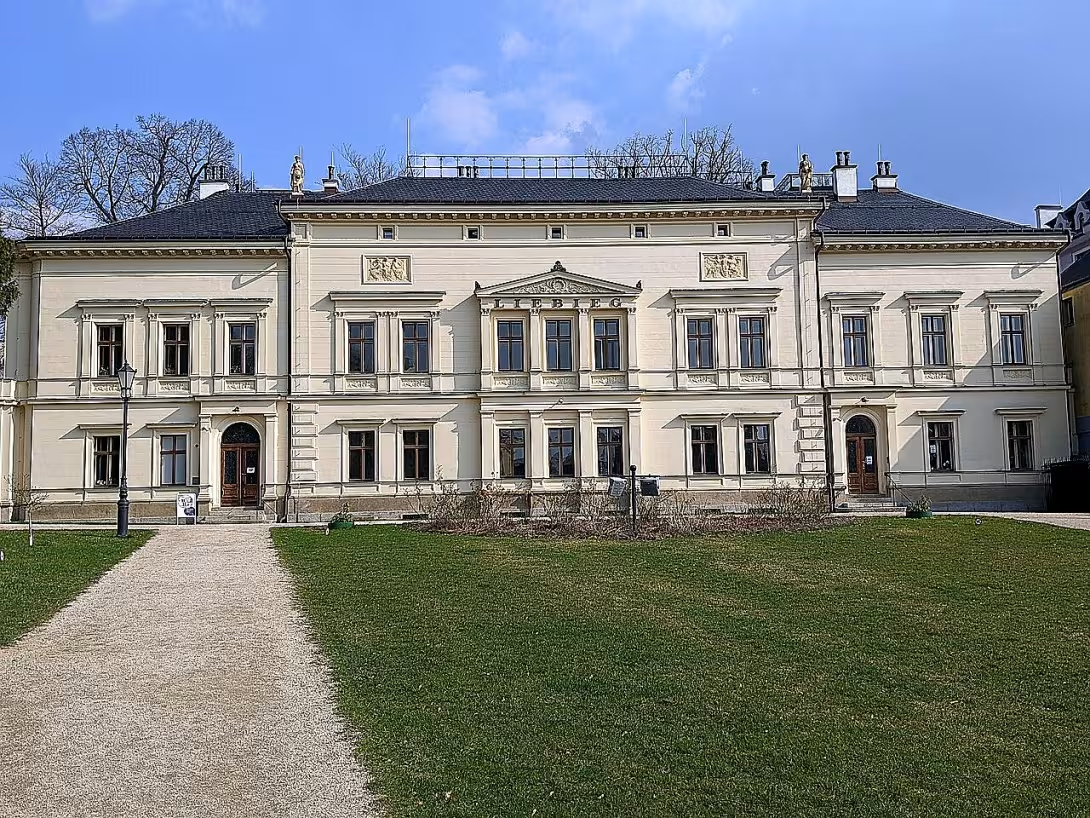
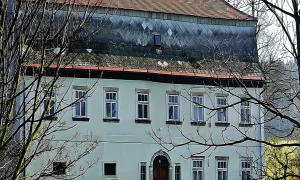
Vila Johanna Liebieg mladšího, also known as Liebiegův palác, is a neorenaissance villa located in Liberec. It stands out for its architectural splendor and historical importance. Built between 1871 and 1872 by Gustav Sachers for Baron Johann Josef Liebieg, it showcases late 19th-century architecture with symmetrical design and ornate decorations. The integration of an existing classical building into the central structure creates a harmonious blend of old and new architectural elements, making it a recognized cultural monument.
The villa was constructed on a site previously occupied by a two-story classical house built by Ferdinand Römheld. Gustav Sachers designed and likely oversaw its construction, incorporating the original building into the new structure. The villa features three-story wings forming an internal courtyard, with arcades on the ground floor and a Palladian-inspired garden layout. This architectural style reflects Bohemia's cultural flourishing and industrial growth in textiles during the late 19th century, particularly through its association with the Liebieg family.
Originally owned by Johann Josef Liebieg from 1872 until his death in 1917, the villa was inherited by his children who did not reside there but rented it out. After Liebieg ceased working for the family business in 1888, he chose to live in the villa until his passing. In 1945, following the owner's death, the villa was confiscated from the family and later acquired by an oblastní galerie in 1953. The gallery used the space until 2014 when it relocated its exhibitions.
The architectural design of Vila Johanna Liebieg mladšího includes a central courtyard with arcades and a smaller salla terrena leading to an expansive garden. The main facade features nine vertical axes, divided by two-story cornices, adorned with reliefs of mythical creatures. Located near the Liberec Castle, the villa's grounds include additional structures like a gardener's house and stables, boasting a well-designed garden featuring terraces, an altan, a Neptune fountain, and pergolas.
Today, Vila Johanna Liebieg mladšího is being transformed into a community center known as Centrum aktivního života. This project, partially funded by the European Union, aims to create a space for social services, non-profit organizations, and various associations. The reconstruction includes restoring the villa's facade with its original color scheme and reviving historical paintings on the first upper floor. A newly discovered well has also been restored as part of this effort.
Vila Johanna Liebieg mladšího stands as a testament to the architectural innovation and cultural richness of its era. Its transformation into a community center ensures that it continues to serve as a vibrant hub for social interaction, preserving its historical legacy while adapting to contemporary needs. Visitors are invited to explore this remarkable site, where history and modernity converge in a unique blend of beauty and functionality.
Then and now
Drag the slider to compare how the landmark may have looked when it was built with the view today.
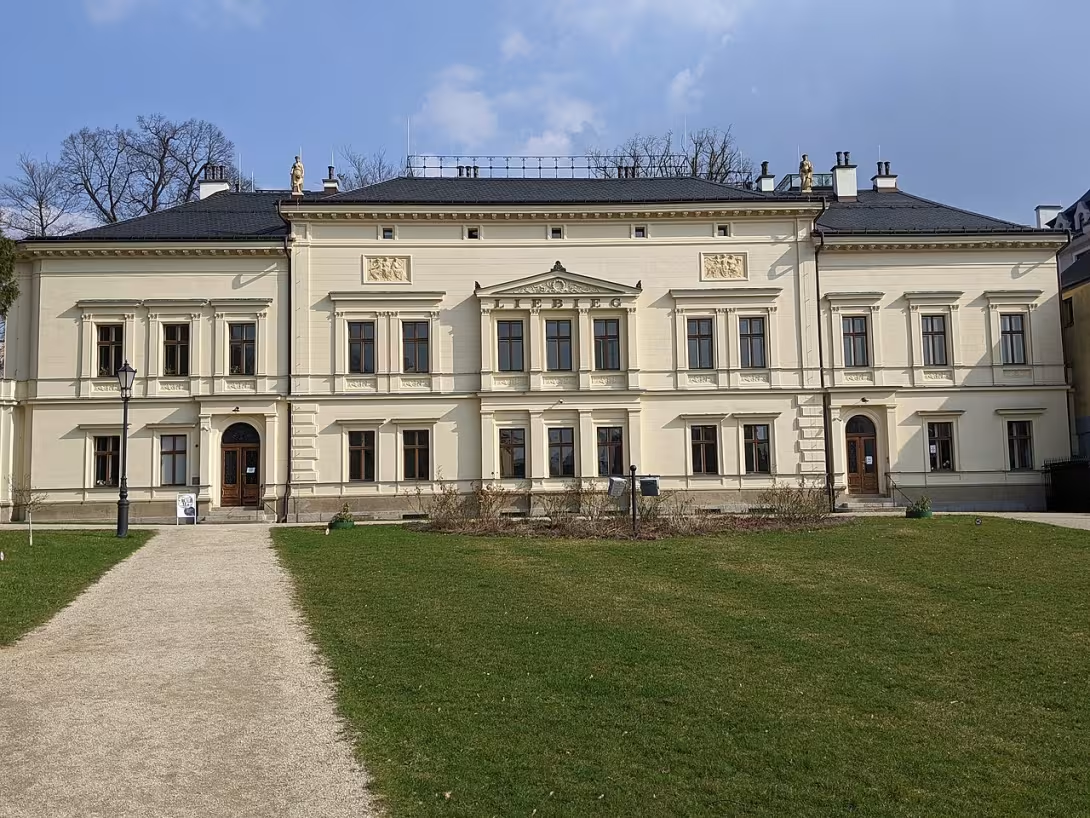

The historical appearance on the left is an AI-generated visualisation and serves as inspiration only.
Historical milestones
- 1871
- Začátek stavby Vilu Johanna Liebiega mladšího.
- 1872
- Dokončení a převzetí Vilu Johanna Liebieg mladšího.
- 1888
- Johann Josef Liebieg ukončil práci pro rodinný podnik.
- 1917
- Úmrtí Johanna Josefa Liebiega a převod Vilu jeho dětem.
- 1945
- Konfiskace Vilu po smrti majitele.
- 1953
- Převzetí Vilu oblastní galerií.
Architectural development
The villa was built on a site previously occupied by a classical two-story house constructed by Ferdinand Römheld. Gustav Sachers designed and likely oversaw its construction, incorporating the original building into the new structure. The villa features three-story wings forming an internal courtyard, with arcades in the ground floor and a Palladian-inspired garden layout.
Historical events
Construction of the villa completed between 1871 and 1872.
Johann Josef Liebieg ceased working for the family business in 1888, choosing to live in the villa until his death in 1917.
Owners
Originally owned by Johann Josef Liebieg from 1872 until his death in 1917; subsequently inherited by his children who did not reside there but rented it out.
Points of interest
- The villa's integration of an existing classical house into its design is a unique architectural feature that blends old and new elements harmoniously, showcasing the innovative spirit of late 19th-century Bohemian architecture.
- After Johann Josef Liebieg passed away in 1917, his children inherited the villa but chose not to live there. Instead, they rented it out, marking a shift from private residence to a more commercial use until its confiscation in 1945.
- The villa's main facade is adorned with reliefs of mythical creatures, adding an element of fantasy and artistry that reflects the neorenaissance style and the cultural tastes of its era.
- A well-discovered during the transformation into a community center was restored as part of the renovation efforts, highlighting the attention to historical detail in preserving the villa's original features.
- The project transforming Vila Johanna Liebieg mladšího into Centrum aktivního života is partially funded by the European Union, emphasizing its significance and potential impact on the local community.
Guide
This guide is narrated by a synthetic voice generated by artificial intelligence.
Show guide text
This text was created by artificial intelligence and has not been editorially reviewed. It may contain inaccuracies.
Welcome to the historic Vila Johanna Liebiega mladšího, also known as Liebiegův palác. As you stand here in Kristiánov, take a moment to absorb the grandeur of this neorenaissance villa. Constructed between 1871 and 1872 by Gustav Sachers for Baron Johann Josef Liebieg, its symmetrical design and ornate decorations speak volumes about the architectural ambitions of late 19th-century Bohemia.
The story of this villa begins in 1871 when construction was initiated to create a residence that would reflect both wealth and taste. By 1872, the project was completed, marking the beginning of Johann Josef Liebieg's association with this magnificent structure. Under his ownership, the villa became not just a home but a symbol of prosperity during a time when Liberec was flourishing industrially.
As you look around, notice how the villa seamlessly integrates an existing classical house into its design. This architectural feature is unique and exemplifies the innovative spirit of the era—blending old with new to create harmony in form and function. The symmetrical layout and detailed decorations are evident as you explore the exterior, inviting you to appreciate the craftsmanship that defines this historic site.
Johann Josef Liebieg was a key figure not only in the villa's history but also in the broader context of Liberec’s industrial development. After his passing in 1917, the villa passed into the hands of his children, marking a new chapter in its storied existence. The year 1945 brought another significant change when the property was confiscated following the owner's death, and by 1953, it found a new purpose under the stewardship of an oblastní galerie.
One intriguing aspect of this villa is how it has managed to preserve its historical essence while adapting over time. This adaptability is not just a testament to its architectural resilience but also to the rich history it embodies—a narrative that continues to captivate visitors and historians alike.
As you conclude your visit, I encourage you to explore further and discover more about this remarkable piece of architecture and its significance in Liberec’s cultural tapestry. Thank you for joining me on this journey through time at Vila Johanna Liebiega mladšího. Safe travels as you continue to uncover the stories that lie within these historic walls.
Tips for visitors
The best time to visit the Vila Johanna Liebiega mladšího is during late spring or early autumn, when the weather is pleasant for exploring both the villa and its beautifully landscaped gardens. During these seasons, the garden's terraces, altan, Neptune fountain, and pergolas are particularly stunning, offering a serene backdrop that enhances the neorenaissance architecture of the villa itself.
For those using public transport, it is advisable to check current routes and schedules in advance to plan your visit efficiently.
When visiting Vila Johanna Liebiega mladšího, consider bringing comfortable walking shoes as you'll likely explore the villa grounds and gardens extensively. A camera or smartphone for capturing photos of the architectural details and scenic garden views is recommended. Additionally, carrying a light jacket can be useful, especially if you plan to stay through different times of the day when temperatures may vary.
For photography enthusiasts, some of the best spots around Vila Johanna Liebiega mladšího include the terraces overlooking the gardens, where natural lighting during early morning or late afternoon provides a soft glow. The Neptune fountain and pergolas also offer unique angles for capturing the villa's neorenaissance style. To make the most of your photography session, consider visiting when the sun is not too harsh to avoid overexposure.
Nearby attractions within 30 minutes include the Liberec Castle, which offers a glimpse into historical architecture and panoramic views of the city. Families with children might also enjoy exploring the additional structures on the villa's grounds, such as the gardener’s house and stables, providing an engaging experience for young visitors interested in history and nature.
Frequently asked questions
Can the monument be visited?
Some buildings of this kind are open for guided tours, others serve another purpose or are privately owned. We have not verified whether and when this monument is open – please ask the operator.
What are the opening hours and admission?
We have not verified the opening hours or admission. Current information is published by the operator.
Where is the monument?
Location: Kristiánov, Liberecký kraj. The map on this page shows the exact spot.
Why is the monument protected?
It is listed in the Central List of Cultural Monuments of the Czech Republic as a cultural monument (register no. 1000138804).
Businesses nearby
Do you run a restaurant, accommodation, shop, museum, rental, wellness or other visitor service near this monument? Show yourself directly to the people heading to it — this is how they will see you in the app and on the web:
Nearby
Located near the Liberec Castle, the villa's grounds include additional structures like a gardener's house and stables. The area boasts a well-designed garden featuring terraces, an altan, a Neptune fountain, and pergolas.
Accommodation nearby
Trips and activities nearby
Guided tours, tickets and activities nearby from GetYourGuide
Affiliate link: if you buy from the partner, we may receive a commission. The price for you does not change.
Search tours and activities →Themed route
Thematic Walking Tour: Villa Johanna Liebieg Jr. and Surroundings
1. Vila Johanna Liebieg mladšího (Villa) - Type: Historical Villa - Why Visit: Begin your journey at the heart of this tour, the Villa Johanna Liebieg Jr., a stunning example of architectural elegance and historical significance. Explore its beautifully preserved interiors that reflect the life and times of its original owner.
2. Gardener's House - Type: Historical Building - Why Visit: A short walk from the villa, this charming gardener’s house offers a glimpse into the daily lives of those who maintained the villa’s lush grounds. Its quaint architecture and historical context provide an enriching complement to your visit.
3. Stables - Type: Historical Structure - Why Visit: Just a stone's throw from the gardener’s house, the stables are an integral part of the villa’s estate. Discover how these structures supported the villa’s operations and imagine the horses that once roamed here.
4. Garden with Terraces - Type: Landscape Feature - Why Visit: Explore the meticulously designed garden, featuring terraced levels that offer stunning views of the surrounding landscape. The thoughtful design invites visitors to appreciate the harmony between architecture and nature.
5. Neptune Fountain - Type: Sculptural Water Feature - Why Visit: Conclude your tour at the enchanting Neptune fountain, a centerpiece in the garden that captures the imagination with its artistic detail and serene presence. This feature symbolizes the villa’s connection to nature and artistry.
This thematic route provides an immersive experience into the historical and cultural essence of Villa Johanna Liebieg Jr., allowing you to appreciate both its architectural beauty and its lush surroundings.
Seasonal recommendations
Spring: Visiting Vila Johanna Liebiega mladšího during spring offers a refreshing experience as nature awakens around Kristiánov. The blooming gardens and vibrant colors create an enchanting atmosphere, perfect for photography enthusiasts. This time of year sees moderate visitor numbers, allowing for a more tranquil exploration. It's advisable to wear layers, as temperatures can vary from cool mornings to warmer afternoons. Early spring visits might offer the chance to see early blooms, while later in the season, you'll witness full floral displays.
Summer: Summer at Vila Johanna Liebiega mladšího is characterized by long daylight hours and lush greenery, enhancing the villa's historic charm. The warm weather makes it ideal for outdoor activities like picnicking or leisurely strolls through the gardens. However, this is also the peak tourist season, so expect larger crowds. Arriving early in the day can help avoid the midday heat and ensure a more peaceful visit. Comfortable walking shoes and light clothing are recommended to stay cool under the summer sun.
Autumn: Autumn brings a magical transformation to Vila Johanna Liebiega mladšího with its warm hues of red, orange, and gold. The cooler temperatures make for comfortable exploration, and the reduced foliage allows for unique views of the villa's architecture. This season typically sees fewer visitors, offering a more serene experience. It's a great time to appreciate the changing landscape, so wearing layers is advisable as evenings can be chilly. Don't forget your camera to capture the picturesque autumn scenery.
Winter: Winter at Vila Johanna Liebiega mladšího offers a unique charm with its quiet and often snow-covered surroundings in Kristiánov. The villa's historic features take on a different character under the soft winter light, creating an atmospheric visit. Dress warmly in layers and wear sturdy boots for any snowy paths. Visiting during weekdays can help avoid any potential crowds that might gather during holiday weekends.
Visualizations and artistic views


The visualisations are generated by artificial intelligence and serve as inspiration.
Photos from the area
Real photos taken near the monument

Zdroj a licence jsou uvedeny u každého snímku.
Tips from visitors
No tips yet. Be the first!
Log in and add your tip.
Sources and literature
Photos: MartinVeselka / CC BY-SA 4.0 — Wikimedia Commons. The author and licence also appear when you hover over the image.
Faktickým podkladem tohoto textu byl článek na Wikipedii, jehož autory jsou přispěvatelé Wikipedie. Článek je dostupný pod licencí CC BY-SA 4.0.
Location on the map


Příběhy a pověsti
Legendy, pověsti a příběhy spjaté s touto památkou
Fotografie návštěvníků
Zatím žádné fotografie. Buďte první, kdo přidá fotografii z návštěvy!
Log in a přidejte svou fotografii nebo hodnoťte.
Za ověřenou návštěvu v aplikaci získáte víc bodů — poznáme podle GPS, že jste na místě.
Reviews and comments