






Vila Karla a Boženy Svobodových Villa
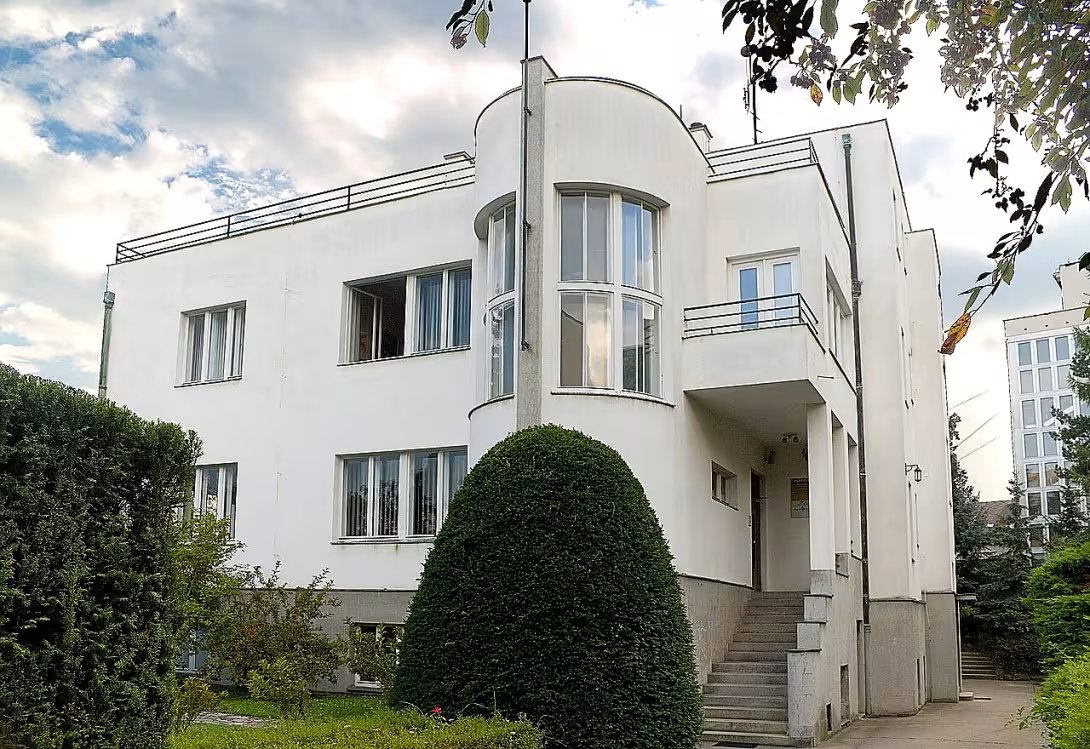
Vila Karla a Boženy Svobodových is a working piece from 1934, located in the Pilsen residential district of Lběbín, Severní Předměstí. Since 2001 it has been protected as a cultural monument and represents an important architectural representation of the first republic.
The investor was a Pilsen businessman Karel Svoboda, Chairman of the Board of Directors of the City Brewery. He and his wife Božena chose a place for his home overlooking Pilsen. The construction was carried out between 1933 and 1934 by the construction company František Nemce, according to the design of architect Jaroslav Chada, while the design was designed by Ing. Jaroslav Svoboda, brother of the investor.
The building expresses the principles of functionalism with emphasis on rationality, light and modern materials. The two-storey structure is connected by a hall; The ground floor contains the background of the house including the kitchen and rooms for staff while the first floor served as a private part of the apartment. Strict square shapes of the outer face are disturbed by a half-cylinder staircase. The interior preserved elements such as wall linings, marble fireplaces, lighting bodies and a built-in secretary.
The Freedom family owned the house until 1952 when it was evicted. He then served as a student home and later as a seat of the regional political school. In 1972- 1974 a new building of the school was built in the garden area, and in 1980 the ships were walled up. After 1989, the building was returned to its original owners; after repairs it is now used as an administrative building.
Before the construction of the villa on the property was a tennis court with a pavilion built by Jan Spalek the Elder. On this field played personalities like Vlasta Burian and Karel Koželuh. Today, this is where the regional political school building is located.
Vila Karla a Boženy Svobodových is a valuable witness to the architecture and social development of Pilsen. Her visit allows to understand the modern housing culture of the first republic and appreciate detailed functional design.
Then and now
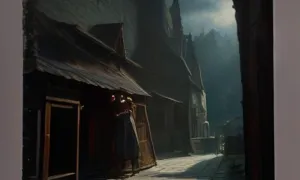
Drag the slider to compare how the landmark may have looked when it was built with the view today.
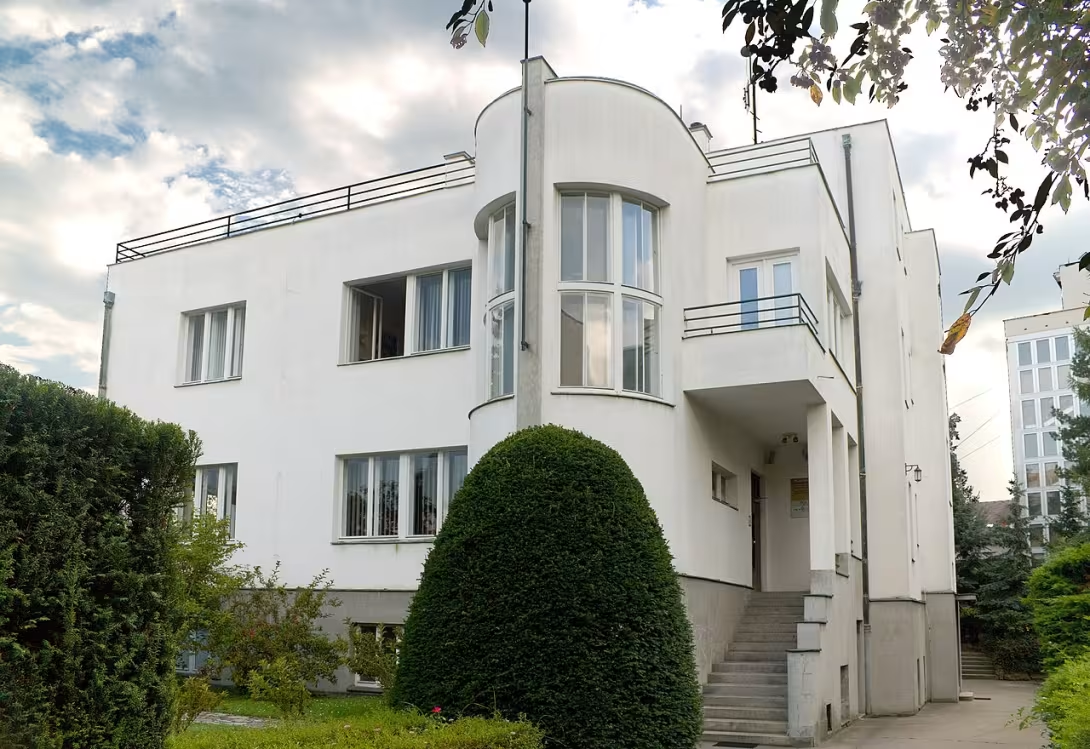
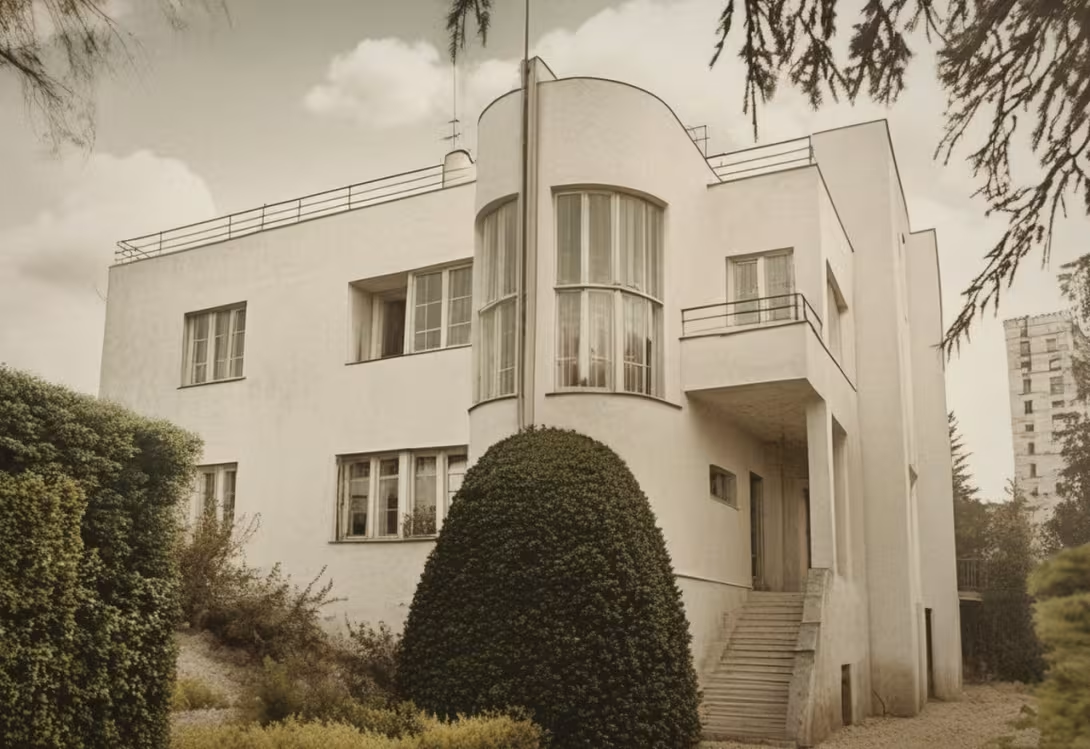
The historical appearance on the left is an AI-generated visualisation and serves as inspiration only.
Historical milestones
- 1934
- Completion of villa construction
- 1952
- Removal of owners and start of use as student homes
- 2001
- Declaration of the house for cultural monument
Architectural development
The construction was carried out in 1933-1934 according to the Jaroslav Chada project. In 1972- 1974 a new building of a political school was built in the garden and in 1980 the original open ships were built.
Historical events
1952: eviction of the Freedom family and change of use to student homes. 2001: Declaration of the Villa for Cultural Heritage.
Owners
Karel and Božena Svobov (1934-1952), State / Regional political school (1952- after 1989), original owners (after 1989)
Points of interest
- Since 2001 it has been protected as a cultural monument and represents an important architectural representation of the first republic. - Strict square shapes of the outer face are disturbed by a half-cylinder staircase. - The interior preserved elements such as wall linings, marble fireplaces, lighting bodies and a built-in secretary. - Before the building of the villa on the property was the tennis court, on which were played personalities like Vlasta Burian and Karel Koželuh. In 1980, the ships were walled up.
Guide
Show guide text
This text was created by artificial intelligence and has not been editorially reviewed. It may contain inaccuracies.
Welcome to the Pilsen district of Lvodino. You are standing in front of one of the most important architectural treasures of this place, the villa of Karl and Božena Svobová. Before you take the next step and start looking more closely, stop for a moment and feel the atmosphere surrounding this place. Feel the calm elegance and order that are so typical of this neighborhood? In front of your eyes is a building that is not just a simple house, but a materialized idea of the time in which it originated. It is a symbol of success, modern thinking and aesthetic purity, which, even for almost a century, still seems fresh and constantly amazes us with its balance.
Let us return together in time to the year one thousand nine hundred thirty-four. That was the year this building was completed. At that time Pilsen experienced a period of flourishing, and its ambitious civic layer sought new ways to express its identity. For the Pilsen merchant Karl Svoboda and his wife Božena, this villa was a dream come true of modern, representative housing. They were looking for a place to give them privacy, but at the same time it offered a wonderful view of the city and its surroundings. This villa was supposed to be their port, a space where the practicality of everyday life is combined with high culture and aesthetic enjoyment. The construction was created at a time when the world was changing and old patterns gave way to new, rational principles.
Now pay attention to the architecture itself, which is the essence of this whole place. Look at the shapes. Notice how the building is defined by strict, square lines. This style, known as functionalism, was revolutionary at the time. Architect Jaroslav Čada chose the path of purity and geometry. Everything you see has a purpose and a function. But the strict, almost uncompromising exterior face of the building is not just a set of surfaces and corners. If you take a closer look, you will notice a fascinating element that is gently disrupting this strict order. It's a half-cylinder glass staircase. It is this curved element, this glass curve, that brings dynamics and elegance into the overall effect of the villa. It's like a quiet dialogue between a strict straight line and a soft arch, between solid wall matter and glass lightness. This contrast is one of the most important details that makes the villa a real work of art.
Now when you look at her facade, try to imagine what her inner world looks like. Although you are now out, the interior of this villa is equally fascinating and preserved the soul of the first republic. Imagine spaces filled with details, which in the year one thousand nine hundred thirty-four were the peak of luxury and taste. The original elements are preserved inside the house, allowing you to feel the true atmosphere of the time. Imagine marble fireplaces that gave the rooms nobility and warmth. Note the imaginations about the wall panelling, which provided the interior depth and character, or the built-in secretary, who was a symbol of the comfort and order at the time. Even the lighting bodies, which were part of every thought-out space at the time, carry within them the spirit of the era. Everything in this house was designed to serve a man, but also to surround him with beauty.
There are also interesting stories and personalities associated with this building, which make up the color mosaic of the then society. In addition to the owners themselves, Karl and Božena Svobodová, names such as Vlasta Burian or Karel Koželuh appear in connection with this place and its era. Although their lives may not be directly intertwined with every stone of this villa, their presence in the historical context helps us to understand in what world this building was born. It's a world full of talent, ambition and constant forward movement.
But the history of this villa was not just a linear story of success and private housing. There has also been a period that represents a major turning point in its history. In the year one thousand nine hundred fifty-two there was an event that completely changed the character of this place. The owners were evicted and the villa started to serve as student homes. Imagine the huge contrast. The luxury, private residence of a successful trader became an institution for young people who sought their place here in the world. This era, while rewarding the building's private character, has also put it in a completely different, social context. This transformation in the life of the building is a fascinating reminder of how political and social change can affect even the most beautiful private spaces.
But there is one interesting thing that might interest you. Despite all the times of transformation, despite the changes of owners and use, the villa managed to keep in such a intact state that it became a true representative of its era. Since the year two thousand and one, this building has been officially protected as a cultural monument. That's not just a formal term. It is a recognition that the villa of Karl and Božena Svobodová is an irreplaceable part of our heritage. This is proof that Jaroslav Chada's architecture was able to overcome time and remain relevant to generations that were born long after the first stone was laid.
I'm not keeping you any longer. I invite you to explore again. Look at the building from other angles, see how light changes on its surfaces and how the glass staircase is reflected in the surrounding environment. Let the atmosphere of Lvodino drift and try to find in every detail a reflection of that ancient, elegant time. Thank you for spending this moment with us and for choosing to explore this story in stone and glass. I wish you a beautiful and inspiring walk.
Tips for visitors
The best time to visit is in the morning or late afternoon, when soft light best highlights clean lines of functionalist architecture and building geometry.
We recommend transport by car or public transport to the villa; We recommend checking the current connection and parking possibilities in the area.
Take your comfortable shoes with you, which allows you to walk the premises and the surrounding terrain comfortably.
For photo lovers, the best places are the surrounding gardens and views of the facade, especially during the golden hour when shadows are the most prominent.
Within a short walk in the surrounding area we recommend exploring the Pilsen Villa district of Lběbín. We recommend families with children to focus on finding typical elements of modern architecture from 1934, which can be an interesting game for children.
Businesses nearby
Do you run a restaurant, accommodation, shop, museum, rental, wellness or other visitor service near this monument? Show yourself directly to the people heading to it — this is how they will see you in the app and on the web:
Nearby
Pilsen residential district of Lběbín
Accommodation nearby
Trips and activities nearby
Guided tours, tickets and activities nearby from GetYourGuide
Affiliate link: if you buy from the partner, we may receive a commission. The price for you does not change.
Search tours and activities →Themed route
Thematic cruise route around Villa Karl and Božena Svobodová
1. Vila Karla a Boženy Svobodových (villa) This historical villa architecture is our main destination. The villa, built in the first half of the 20th century, represents a noble example of Czech modernism and was a house for the famous Svobovy family. Its elegant interior and location in the idyllic environment of the Pilsen Villa District of Lběbín offers an ideal start to your exploration.
2. Pilsen Villa District of Lběbín After visiting the villa we will take a look at the surrounding Pilsen Villa quarter of Lběbín, which is famous for its quiet streets and pleasant outdoor environment. This area offers a view of elegant houses from when Pilsen was the center of industrial development. It is an ideal place for a short walk and enjoy a quiet environment.
3. Park zone in Lamběin In the heart of the neighborhood there is a park zone which is a popular place for relaxation and walks. Here you can enjoy the natural environment, quiet moments on the bench or active time with children in the playing area. The park is also ideal for shooting flowers and trees that grow here.
4. Local Market If you decide to extend your trip, visit the local market in the village Severní Předměstí. Here you will find various products from local farmers and craftsmen. It is a great opportunity to explore local gastronomy, buy raw materials or simply look at market activity.
5. Cultural Center Severní Předměstí To conclude the visit, move to the cultural centre in the village where you can explore various activities and events. The Centre offers programs focused on art, music and literature, which is a great way to learn more about local culture and history.
This route offers you the opportunity to explore not only Villa Karl and Božena Svobodová, but also their surroundings full of peaceful and culturally rich experiences.
Seasonal recommendations
In spring the garden of the villas awakens into life and surrounding vegetation begins to offer a fresh green color. The lighting is fine during this period, which creates a pleasant atmosphere for the tour. We recommend wearing layered clothes because the morning cold can quickly rotate with afternoon heat. The best time to visit is in the morning when the air is the cleanest and there are not so many people around.
Summer months bring to an area full of blooms and intense sunlight that highlights the details of architecture. In the main summer season there are the most visitors to the monument, so it is advisable to arrive immediately after opening to ensure peace. Dress lightly and don't forget to protect yourself from the sun. It is ideal to visit the place in the early morning before the greatest heat occurs.
Autumn season is characterized by golden shades of leaves and mild fog, which gives the villa a nostalgic touch. The light is low at this time and very photogenic. For comfortable movement around we recommend shoes with good grip due to wet surface and warmer clothing. The best is a visit in the afternoon, when the colors of the landscape most excel.
In winter, the villa is very sober and surrounded by bare trees is majestic. The atmosphere is quiet and calm, especially in advent time or in freezing days. Due to shorter daily time and possibly more limited opening time, we recommend planning a visit around noon. The need is very warm clothes and high-quality shoes in case of ice.
Visualizations and artistic views


The visualisations are generated by artificial intelligence and serve as inspiration.
Photos from the area
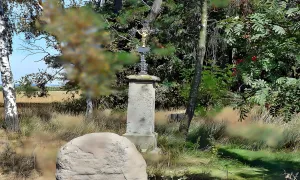
Real photos taken near the monument


Zdroj a licence jsou uvedeny u každého snímku.
Tips from visitors
No tips yet. Be the first!
Log in and add your tip.
Sources and literature
Fotografie: Ing. Ladislav Coufal / CC BY-SA 4.0 — Wikimedia Commons. The author and licence also appear when you hover over the image.
Faktickým podkladem tohoto textu byl článek na Wikipedii, jehož autory jsou přispěvatelé Wikipedie. Článek je dostupný pod licencí CC BY-SA 4.0.
Location on the map
Příběhy a pověsti
Legendy, pověsti a příběhy spjaté s touto památkou
Fotografie návštěvníků
Zatím žádné fotografie. Buďte první, kdo přidá fotografii z návštěvy!
Přihlaste se a přidejte svou fotografii nebo hodnoťte.
Za ověřenou návštěvu v aplikaci získáte víc bodů — poznáme podle GPS, že jste na místě.
Reviews and comments