






Růženy Svobodové 18 Villa
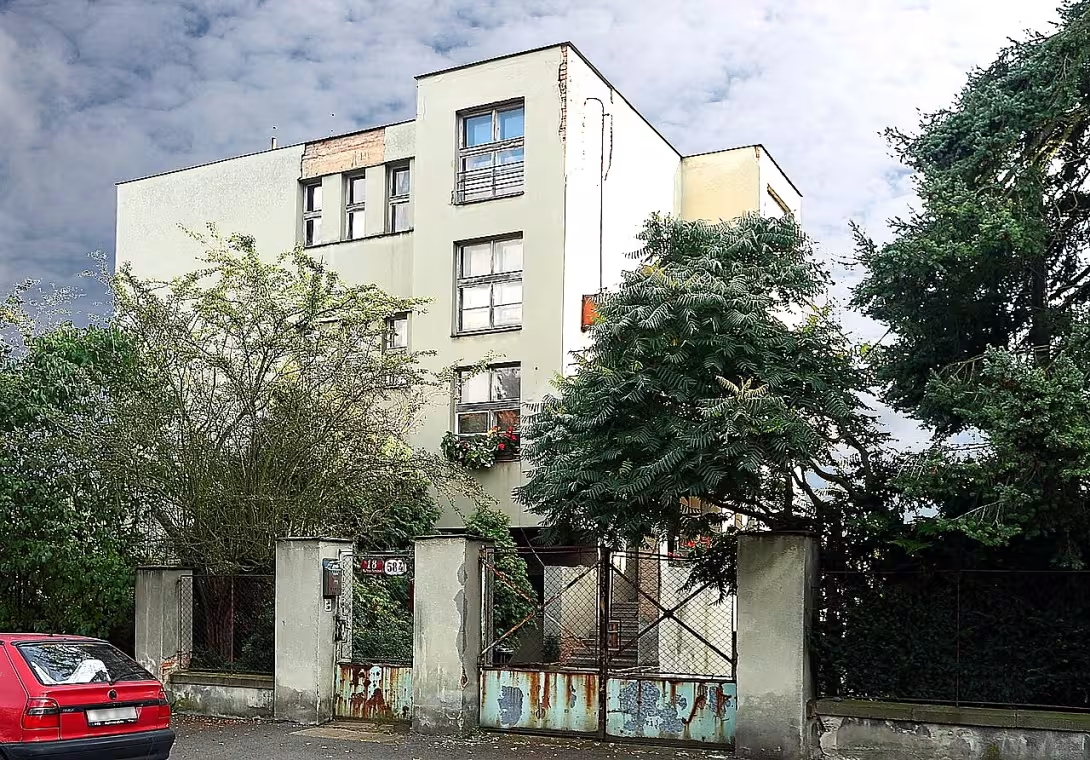
Vila Růženy Svobodové 18, located in Plzeň – Severní Předměstí, is a premier example of functionalist architecture in the Czech Republic. Constructed between 1930 and 1931, the villa is distinguished by its purist white facades and an L-shaped floor plan set on a slope. It was built for Ing. Václav Ornst, vice-director of the Škoda Works' ammunition factory, during the rise of functionalism in Czechoslovakia. The building's importance was underscored by its designation as a cultural monument in 1994.
The villa was conceived during the interwar period, an era defined by economic growth and modernist architectural influences. Architect Václav Neckář completed the plans in June 1930, and builder Antonín Štipl executed the construction between 1930 and 1931. This period's shift toward rationality and social progress is clearly reflected in the villa's functionalist style.
Architecturally, Vila Růženy Svobodové 18 features white plaster facades complemented by ribbon windows, whose dimensions correspond to the functions of the rooms they serve. The structure includes a staircase bay window facing the street and a roof terrace covering half of the third floor. Although the interior was divided into two residential units and a garden garage was added in the 1960s, these modifications preserved the original architectural expression.
Ownership of the villa remained with Ing. Václav Ornst during its early years. Its historical significance was formally recognized through its 1994 declaration as a cultural monument, highlighting its role as a key example of early 20th-century modern architecture.
Today, Vila Růženy Svobodové 18 stands as a testament to the functionalist movement in the Plzeň – Severní Předměstí villa quarter. Its preservation allows visitors to appreciate the architectural innovations of the era. The villa's orientation—with living rooms facing south toward the garden and technical rooms facing north toward the street—exemplifies a design that prioritizes both aesthetics and functionality.
Visiting Vila Růženy Svobodové 18 offers a unique opportunity to explore a vital piece of Czech architectural history. Its well-preserved state provides insight into the functionalist style and its impact on modern design. This monument is both a cultural treasure and an invitation to explore the rich historical narrative of Plzeň's urban development.
Historical milestones
- 1930
- Architect Václav Neckář completed the plans for the villa in June.
- 1931
- Completion of the construction by builder Antonín Štipl.
- 1994
- The house was declared a cultural monument.
Architectural development
Designed by Václav Neckář in 1930 and realized by builder Antonín Štipl between 1930 and 1931. The structure features purist white plaster facades, tubular railings, and a roof terrace. In the 1960s, a garage was added to the garden and the interior was divided into two residential units, though the original architectural expression was preserved.
Historical events
1930–1931: Construction of the villa. 1994: The building was declared a cultural monument.
Owners
Built for Ing. Václav Ornst, vice-director of the ammunition factory of Škoda Works, in the 1930s.
Points of interest
– Constructed between 1930 and 1931, the villa features purist white facades and an L-shaped floor plan set on a slope. – It was built for Ing. Václav Ornst, the vice-director of the Škoda Works' ammunition factory. – Architect Václav Neckář completed the plans in June 1930, and builder Antonín Štipl executed the construction. – The structure includes ribbon windows, a staircase bay window facing the street, and a roof terrace covering half of the third floor. – The building was designated as a cultural monument in 1994.
Guide
Show guide text
This text was created by artificial intelligence and has not been editorially reviewed. It may contain inaccuracies.
Welcome to the Růženy Svobodové 18, a remarkable gem nestled in the Severní Předměstí district of Plzeň. As you stand here, take a moment to appreciate the serene beauty and architectural elegance that surrounds you. The villa before your eyes is not just any building; it's one of the most prominent functionalist structures in this region.
Let’s delve into its origins. This elegant family house was constructed between 1930 and 1931 for Ing. Václav Ornst, who served as the vice-director of the Škoda Works' ammunition factory. The plans were meticulously crafted by architect Václav Neckář in June 1930, capturing the essence of early 20th-century modern architecture with a purist approach. By 1931, builder Antonín Štipl had completed this architectural marvel.
As you take in the villa's purist white facades, notice how they exude simplicity and elegance, standing out against the backdrop of the surrounding landscape. The L-shaped floor plan is thoughtfully situated on a slope, enhancing its visual appeal and offering unique perspectives from different angles. This design choice not only showcases functionalism but also complements the natural contours of the land.
The story behind this villa is as intriguing as its architecture. Ing. Václav Ornst's role at Škoda Works highlights the industrial significance of Plzeň during that era, reflecting a time when innovation and progress were paramount. Architect Václav Neckář’s vision brought to life a structure that embodies both functionality and aesthetic appeal.
Now, let your curiosity lead you as we explore some fascinating aspects of this site. Did you know the villa was declared a cultural monument in 1994? This recognition underscores its historical and architectural importance, ensuring its preservation for future generations to appreciate.
As our tour comes to an end, I invite you to linger a little longer, absorbing the atmosphere and perhaps imagining life as it once was within these walls. Before we part ways, consider exploring more of Severní Předměstí and discovering other treasures that Plzeň has to offer. Thank you for joining me on this journey through history and architecture at Růženy Svobodové 18. Farewell, until our paths cross again in another story waiting to be told.
Tips for visitors
To best appreciate the functionalist architecture of the Václav Ornst family house, plan your visit during the daylight hours. The best time for photography is during the early morning or late afternoon, as the angled light highlights the building's unique geometric shapes and clean lines, which are characteristic of the 1930s style.
The monument is located in the Severní Předměstí district and is accessible via both car and public transportation. For the most up-to-date travel schedules and connection details, please consult a local transit search engine or mobile navigation app. If you are driving, please be mindful of the residential nature of the villa quarter when seeking parking.
While exploring this part of Plzeň, you can also visit the nearby villa of Heřman Konejl. Both sites are located within the same historic villa quarter, making it possible to enjoy a walking tour of the area's architectural heritage.
Visitors are encouraged to bring a camera to capture the details of the structure. When visiting with children, please keep in mind that the villa is situated in a quiet residential neighborhood, so maintaining a calm atmosphere is recommended.
Businesses nearby
Do you run a restaurant, accommodation, shop, museum, rental, wellness or other visitor service near this monument? Show yourself directly to the people heading to it — this is how they will see you in the app and on the web:
Nearby
Located in the villa quarter of Plzeň – Severní předměstí, near the villa of Heřman Konejl.
Accommodation nearby
Trips and activities nearby
Guided tours, tickets and activities nearby from GetYourGuide
Affiliate link: if you buy from the partner, we may receive a commission. The price for you does not change.
Search tours and activities →Themed route
Thematic Walking Tour of Severní Předměstí, Plzeň
1. Růženy Svobodové 18 (Villa) - *Type*: Historical Villa - *Why Visit*: This exquisite villa is a prominent architectural gem in the villa quarter of Plzeň – Severní předměstí. Its elegant design and historical significance make it an essential stop for those interested in early 20th-century architecture.
2. Villa Heřman Konejl - *Type*: Historical Villa - *Why Visit*: Located nearby, this villa offers a glimpse into the luxurious lifestyle of its era. The architectural style complements that of Růženy Svobodové 18, providing an enriching contrast and context for visitors exploring the area's cultural heritage.
3. Severní Předměstí Villa Quarter - *Type*: Residential Area - *Why Visit*: Stroll through this charming villa quarter to appreciate its unique blend of historical architecture and serene residential atmosphere. The area is perfect for those who enjoy leisurely walks amidst beautifully preserved buildings.
This tour offers a focused exploration of Severní Předměstí, highlighting the architectural beauty and historical significance of its villas.
Seasonal recommendations
Spring: Visiting Růženy Svobodové 18 during spring offers a unique experience as the surrounding gardens begin to bloom with vibrant colors, creating an enchanting atmosphere that highlights the villa's historical charm. The soft morning light and longer days enhance the beauty of this period, making it ideal for photography enthusiasts. Visitors are advised to wear comfortable walking shoes suitable for exploring the grounds and layers of clothing to adjust to fluctuating temperatures. Although crowds can be expected during weekends, arriving early in the day ensures a more peaceful exploration.
Summer: The summer months at Růženy Svobodové 18 bring lush greenery and warm sunshine that accentuate the villa's architectural details. This is an excellent time for families to enjoy outdoor activities in the gardens, though it's important to note that this season attracts larger crowds, especially during peak holiday periods. To avoid long waits, consider visiting early in the morning or later in the afternoon when temperatures are more bearable. Sun protection and light, breathable clothing are essential for a comfortable visit.
Autumn: Autumn at Růženy Svobodové 18 is characterized by stunning fall foliage that creates a picturesque backdrop for the historic villa. The cooler weather makes it an ideal time to explore without the summer heat, offering a serene atmosphere with fewer visitors. This season's golden hues and crisp air provide a perfect setting for leisurely strolls through the grounds. Visitors should wear layers to accommodate changing temperatures throughout the day and bring along a light jacket or sweater.
Winter: Winter transforms Růženy Svobodové 18 into a serene, almost magical destination with its snow-covered landscape adding an enchanting layer of beauty to the historic site. The shorter days mean that visiting hours are more limited, so planning your visit in advance is crucial. While the gardens may be less accessible due to frost and snow, the villa itself remains open for exploration. Warm clothing, including a heavy coat, gloves, and a hat, is essential, as well as comfortable footwear suitable for potentially icy paths.
Visualizations and artistic views


The visualisations are generated by artificial intelligence and serve as inspiration.
Photos from the area
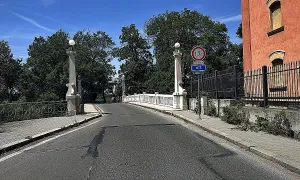
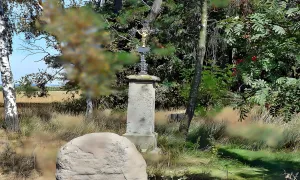
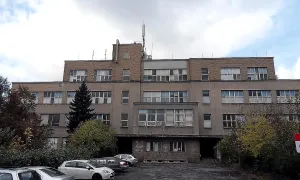
Real photos taken near the monument


Zdroj a licence jsou uvedeny u každého snímku.
Tips from visitors
No tips yet. Be the first!
Log in and add your tip.
Sources and literature
Fotografie: Ing. Ladislav Coufal / CC BY-SA 4.0 — Wikimedia Commons. The author and licence also appear when you hover over the image.
Faktickým podkladem tohoto textu byl článek na Wikipedii, jehož autory jsou přispěvatelé Wikipedie. Článek je dostupný pod licencí CC BY-SA 4.0.
Location on the map
Příběhy a pověsti
Legendy, pověsti a příběhy spjaté s touto památkou
Fotografie návštěvníků
Zatím žádné fotografie. Buďte první, kdo přidá fotografii z návštěvy!
Přihlaste se a přidejte svou fotografii nebo hodnoťte.
Za ověřenou návštěvu v aplikaci získáte víc bodů — poznáme podle GPS, že jste na místě.
Reviews and comments