



Vila Löw-Beer (Brno-Černá Pole) Villa
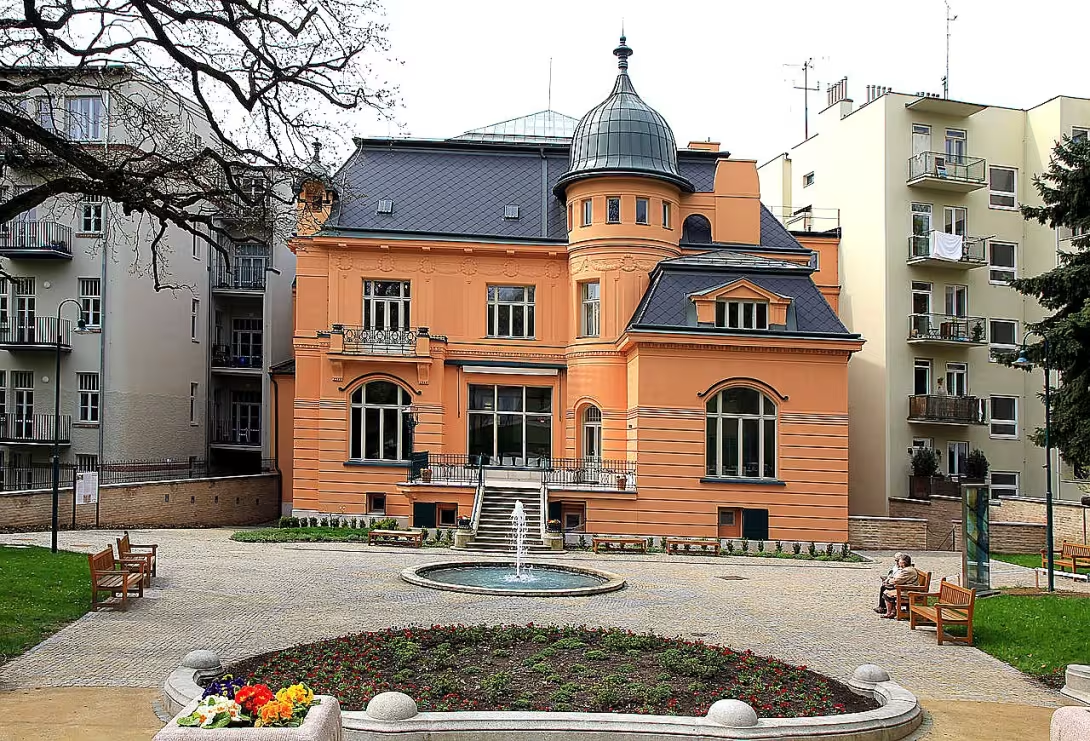
Villa Löw-Beer, a Art Nouveau architectural pearl located in the Black Fields in the area of the Brno-North, is a remarkable monument from the beginning of the 20th century. From 1903 to 1904 it was built according to the design of Alexander von Neumann for the industrialist Moritz Fuhrmann. From 1913 to 1939, it was inhabited by Alfred and Marianne Löw-Beer, the parents of Greta Tugendhat. Today, the villa is open to the public and offers visitors a view of the life of the Löw-Beer family and the wider history of the region.
The foundation of the villas was related to the development of a villa colony in Montenegro, which developed in the early 20th century. This part of Brno was known for its individual and cooperative family building style, which made it one of the most popular residential areas of the city. The architecture of the villa is an example of Art Nouveau, a style characterized by ornamental decorative stucco and vegetative motifs. Originally, it was built as a single-storey building with four apartments containing 14 rooms, 7 cabinets, three kitchens, two bathrooms and six toilets. In the years 30. Alfred Löw-Beer made modifications in the central staircase hall according to the design of Viennese architect Rudolf Baumfeld.
Property history is rich in change. After the death of Moritz Fuhrmann, the villa was sold to Alfred Löw-Beer, who partially modified it and lived with his family. In 1940 the German occupation administration seized the villa for the needs of the Gestapo. After World War II, it was not returned to the original owners, but nationalized and served various purposes, including the residence of the Youth House. Since 2001 it has been owned by the South Moravian Region and managed by the Museum of Brno.
The villa has been declared a cultural monument since 1958. From 2013 to 2014 it was completely restored, which included new roofing, roof repairs, sewerage, gas, electricity, central heating and restoration work. There is also a customs office - garden house, which has been renovated for the needs of visitors.
Today, the villa offers an exhibition "Jews in Moravia. The villa and its inhabitants," which maps the history of the Jewish settlement of the region from the first mention to the present, including the family history of Löw-Beer. In addition to the permanent exhibition there are short-term exhibitions, concerts and theatre performances. The main attraction is the formidable search game "In the skin of a secret agent," which brings visitors into the atmosphere of the life of the Löw-Beer family and their connection to historical events.
Visiting the villa is a journey to the past and an opportunity to explore the rich culture and heritage of the region. Its history and architecture make it a unique place worth exploring.
Then and now
Drag the slider to compare how the landmark may have looked when it was built with the view today.
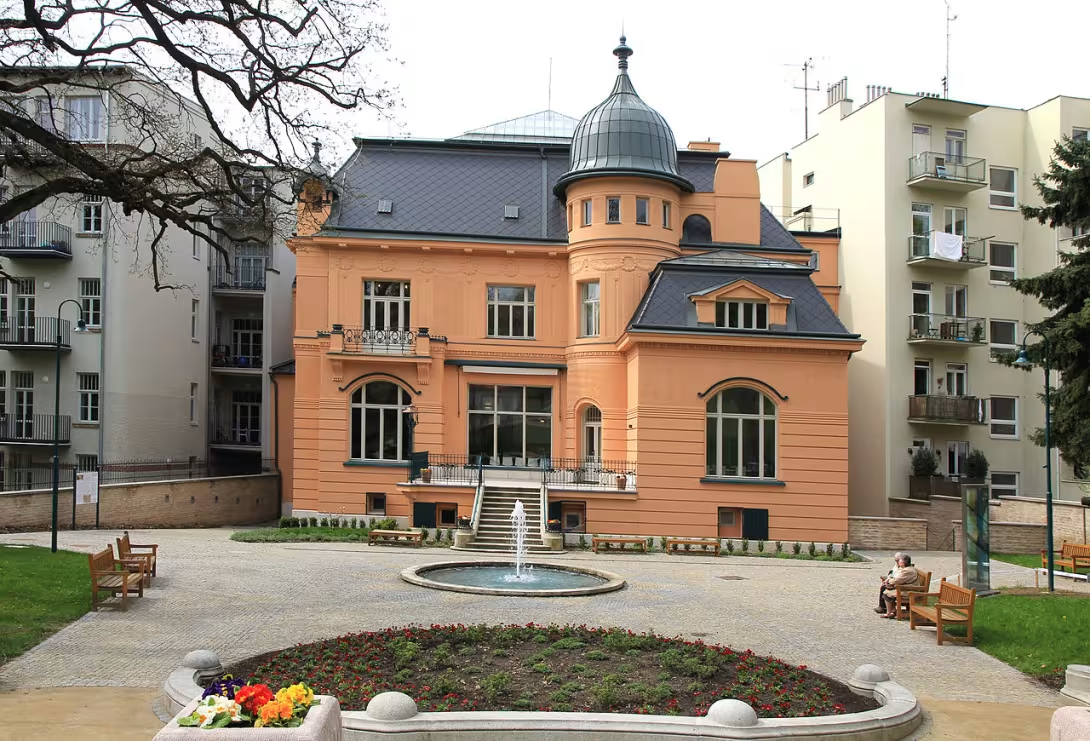
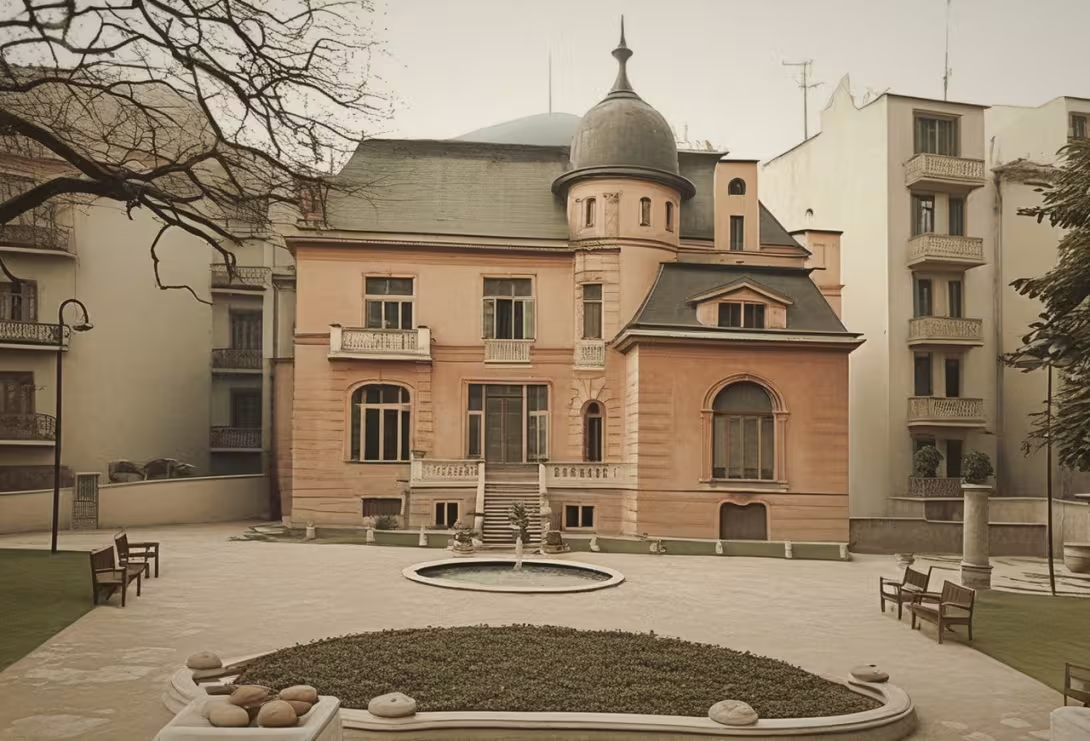
The historical appearance on the left is an AI-generated visualisation and serves as inspiration only.
Historical milestones
- 1903
- The beginning of the building of the Villa Löw-Beer according to the design by Alexander von Neumann.
- 1904
- Completion of the building of Villa Löw-Beer for Moritz Fuhrmann.
- 1913
- The villa was sold and occupied by the family of Alfred and Marianna Löw-Beer.
- 1939
- The Löw-Beer family left town after several years of residence.
- 1940
- The German occupation administration confiscated the villa for the needs of the Gestapo.
- 1958
- The villa was declared a cultural monument.
Architectural development
The villa was built as a single-storey building with four apartments and an Art Nouveau decorative stucco. In the years 30. Alfred Löw-Beer made modifications, especially in the central staircase hall, according to the design of architect Rudolf Baumfeld.
Historical events
- 1903
- The beginning of the building of the villa
- 1913
- Sale of the villa to Alfred Löw-Beer
- 1940
- Confiscation of the villa by the German occupation administration
Owners
- 1903- 1913
- 1913-1939
- 1940-1954
- after 1954
- since 2001
Points of interest
- Villa Löw-Beer is a Art Nouveau architectural pearl from the beginning of the 20th century. - It was built according to the design by Alexander von Neumann for the industrialist Moritz Fuhrmann between 1903 and 1904. From 1913 to 1939, it was inhabited by Alfred and Marianne Löw-Beer, the parents of Greta Tugendhat. The villa was declared a cultural monument in 1958. - Since 2001 it has been owned by the South Moravian Region and managed by the Museum of Brno.
Guide
Show guide text
This text was created by artificial intelligence and has not been editorially reviewed. It may contain inaccuracies.
Welcome to Brno, specifically the Black Pole, where you are currently facing one of the most beautiful examples of Art Nouveau architecture in this city. Take a look in front of you and let the view sail down the facade of this villa. It is a building that, after more than a hundred years, acts as a living organism that breathes with the rhythm of the city. This building is not just stone matter, but the story of several generations that have lived here, loved and suffered. Welcome to the Villa Löw-Beer, a place where the historical line of industry, art and human destinies intertwine into one whole.
If you think about the history behind these walls, we have to go back to the beginning of the twentieth century. The building of this villa was started in 1903 and completed a year later, i.e. in 1904. This works by architect Alexander von Neumann, who designed the factory for the industrialist Moritz Fuhrmann. It is an interesting detail that the building, which today acts as a quiet family residence, had in its original intention to serve rather for production and work. Later, however, this building changed its destiny and became a home for another family. In 1913 the villa was sold and occupied by the family of Alfred and Marianne Löw-Beer. It was the people who created the atmosphere here that touched the following generations, because it was here that their daughter, the famous Grete Tugendhatová, grew up.
Now pay attention to the architectural solution you see before you. The Art Nouveau, which was at the height of its glory at that time, manifests itself in the smooth lines and harmony of the whole. Even if we can't enter to see every detail of the interior, the facade tells you a lot about the spirit of that time. Notice how the building looks elegant and firm at the same time. Architect Neumann was able to combine the functional needs of the industrial era with the aesthetic requirements of the new era. This villa is an architectural pearl from the beginning of the twentieth century, not only in Brno but also in the wider context of Central Europe. When you look at the overall shape, you feel a balance that is typical of this time. There are no exaggerated ornaments to disrupt the overall impression, but fine details to reward a attentive viewer. Look at the facade and feel the atmosphere that radiates from this building. It's a place where history touches the present.
Let's move on to the stories of the people who lived here. The Löw-Beer family lived in this villa from 1913 to the 1930s. It was the time when the cultural and social environment developed in Brno and the villa was a part of it. Alfred and Marianne Löw-Beer were the parents of Greta Tugendhat, a name known to many lovers of architecture and history. Her presence in this house gives special weight to the place. When you imagine what kind of conversations have been held here, what plans have been drawn and what lives have been formed here, you begin to understand why this place is so important. The family lived here until 1939 when they had to be abandoned. This year meant the end of an era and the beginning of a very difficult period for many people in this country.
But the history of this villa does not end with the family leaving. In 1940, there were interventions that changed the fate of the building. The German occupation administration confiscated the villa for the needs of the Gestapo. It means that the place where the family once lived became the place where the dark pages of history took place for a short time. This change of function is an important part of the story because it shows how the fate of buildings and people can quickly reverse. After the end of World War II and in the next decades, the villa served various purposes. In 1958 it was declared a cultural monument, which was an important decision for its protection and preservation. Today it is part of the Museum of Brno, which means that its history is documented and passed on to other generations.
The interesting thing that may interest you is that this villa is proof of how architectural values can be maintained despite turbulent history. Although the owners and functions of the building have changed, its Art Nouveau essence has remained preserved. It is a place where we meet with the reference of Alexander von Neumann, who has laid the foundations for many other buildings in this area. If you look at the villas, you can imagine what it looked like at the time of its creation, full of life and energy. Today is a place of peace and thought where you can imagine what the lives of the people who lived here were.
Think about how our perception of space changes in time. Villa Löw-Beer is not only a building, but a monument to the time when Brno developed into one of the most important cities in the region. Every stone, every window, and every detail of the facade tells its story. Although we cannot enter and explore the interiors, the outside view offers us enough information about how important this building was for its time. The Art Nouveau that is represented here was a movement that sought a new term for the modern world, and this villa is its perfect example.
Now that you have become acquainted with the history and architecture of this villa, stay in place for a while and let the atmosphere take hold. Listen to the silence that rules here, and imagine the sounds that once sounded here. The laughter of the children, the steps of the stairs, the voices of the people who met here. This villa is witnessed by many changes, but its beauty remains unchanged. It's a place where history touches the present and where you can realize how valuable the cultural monuments we have around us are.
Finally, I would like to emphasise that visiting this place is an opportunity for us to realise how important it is to protect our cultural heritage. Villa Löw-Beer is one of many places in Brno that is worth visiting and exploring. I hope this short guide helped you better understand the importance of this building and the stories that took place behind its walls. Take a look at the walls again and take the feeling that you have become part of its history. Thank you for your attention and I wish you a pleasant continuation of your visit to Brno. May you remember not only the appearance of this villa, but also the stories of the people who lived here and created it. Good-bye to you is always hard, but I believe we'll meet again at another historical monument to inspire and teach you.
Tips for visitors
The best time to visit is in the morning or late afternoon when soft light hits the Art Nouveau facade of the villa, which best highlights its architectural details and ornaments.
With us we recommend taking a photographic machine to capture details of architecture and comfortable shoes for walking around. For the best pictures, focus on decorating the facade and harmony of the building with the surrounding greenery.
The world-famous Villa Tugendhat, built on the property donated by Alfred Löw-Beer to his daughter Greta, and the entire neighbourhood of Černá Pole, is one of the most popular residential areas in Brno. It is ideal for families with children to walk the streets of this neighborhood.
Frequently asked questions
Can the monument be visited?
Some buildings of this kind are open for guided tours, others serve another purpose or are privately owned. We have not verified whether and when this monument is open – please ask the operator.
What are the opening hours and admission?
We have not verified the opening hours or admission. Current information is published by the operator. Official website: https://www.vilalowbeer.cz/
Where is the monument?
Location: Černá Pole, Jihomoravský kraj. The map on this page shows the exact spot.
Why is the monument protected?
It is listed in the Central List of Cultural Monuments of the Czech Republic as a cultural monument (register no. 1000154050).
Businesses nearby
Do you run a restaurant, accommodation, shop, museum, rental, wellness or other visitor service near this monument? Show yourself directly to the people heading to it — this is how they will see you in the app and on the web:
Events nearby


Zdroj akcí: otevřená data měst a obcí ČR (Národní katalog otevřených dat) a kalendář akcí Národního památkového ústavu.
Nearby
V okolí se nachází světoznámá vila Tugendhat, postavená na pozemku darovaném Alfredem Löw-Beerovým jeho dceři Gretě.
Černá Pole je jednou z nejvyhledávanějších rezidenčních čtvrtí Brna.
Accommodation nearby
Trips and activities nearby
Guided tours, tickets and activities nearby from GetYourGuide
Affiliate link: if you buy from the partner, we may receive a commission. The price for you does not change.
Search tours and activities →Themed route
Thematic cruise route: Villa Löw-Beer and surroundings
1. Villa Tugendhat (villa) Type: Architectural monument Why is it worth a visit: The world-famous Villa Tugendhat is an architectural work that represents the modernism of the 20th century. Its elegant design and history associated with the Löw-Beer family makes it essential for every architecture lover.
2. Černá Pole (residential district) Type: Urban area Why is worth a visit: Černá Pole is one of the most sought-after residential districts in Brno. It is known for its calm, natural environment and modern apartment complexes, making it an ideal place to relax after visiting the sights.
3. Ambient parks and greenery (natural space) Type: Nature in urban space Why is worth a visit: Parks and green spaces around the Black Pole offer a beautiful opportunity to relax and walk. They are an ideal place to relax, have a picnic or just enjoy the quiet surroundings.
4. Vila Löw-Beer (villa) Type: Historical monument Why is worth a visit: Villa Löw-Beer is the main destination of this route and represents an important part of the cultural heritage of the municipality Černá Pole. Its history and architecture are fascinating to all who are interested in the history of the region.
This route offers a combination of cultural and natural experiences that allow for deeper knowledge and enjoyment of the beauty of the village Černá Pole.
Seasonal recommendations
Spring: In the spring, the Löw-Beer Villa is revived with a green flower and sunny days that provide dazzling light to historical interiors. Flowers in nearby meadows create a colour palette, which contributes to a lively atmosphere. The visit is suitable in the early afternoon to avoid ever more growing crowds and enjoy a quiet moment of sightseeing. It is recommended to wear warm clothes with easy dressing because spring weather can be alternating.
Summer: During the summer months the Löw-Beer Villa is a popular destination for visitors thanks to long sunny days and warm weather. Intense lighting brings historical interiors to life, while green surrounding nature offers shelter from sunlight. The best time to visit is in the early morning or late afternoon to avoid the top days with the big crowd. Wearing light clothes and a protective tie against the sun and bringing drinks is good practice.
Autumn: In autumn, the Löw-Beer Villa offers a view of the live coloured vegetation when the leaves change colour. Sunshine days are alternating with wet and cold days, which adds a melancholy atmosphere to historical spaces. The best time to visit is at noon, when sunlight is brightest and crowds are less bright. It is recommended to wear laminated clothing for possible temperature changes and a protective tie against moisture.
Winter: During the winter months the villa Löw-Beer is covered with snow, which gives places of romantic and peaceful character. Sunshine days are rare, but lighting space is wonderful, when the sun shines through cold winter light. Wearing warm clothes with a protective tie against the wind is important to keep warm while walking outside.
Visualizations and artistic views


The visualisations are generated by artificial intelligence and serve as inspiration.
Photos from the area
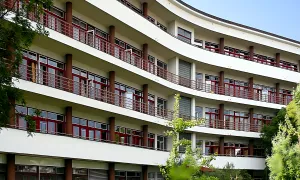
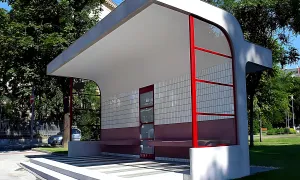
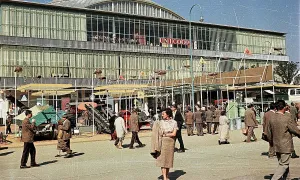
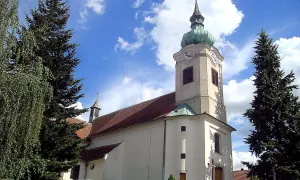
Real photos taken near the monument


Zdroj a licence jsou uvedeny u každého snímku.
Tips from visitors
No tips yet. Be the first!
Log in and add your tip.
Sources and literature
Photos: Karelj / CC BY-SA 3.0 — Wikimedia Commons. The author and licence also appear when you hover over the image.
Faktickým podkladem tohoto textu byl článek na Wikipedii, jehož autory jsou přispěvatelé Wikipedie. Článek je dostupný pod licencí CC BY-SA 4.0.
Location on the map

Příběhy a pověsti
Legendy, pověsti a příběhy spjaté s touto památkou
Fotografie návštěvníků
Zatím žádné fotografie. Buďte první, kdo přidá fotografii z návštěvy!
Log in a přidejte svou fotografii nebo hodnoťte.
Za ověřenou návštěvu v aplikaci získáte víc bodů — poznáme podle GPS, že jste na místě.
Reviews and comments