






Dětská nemocnice Hospital
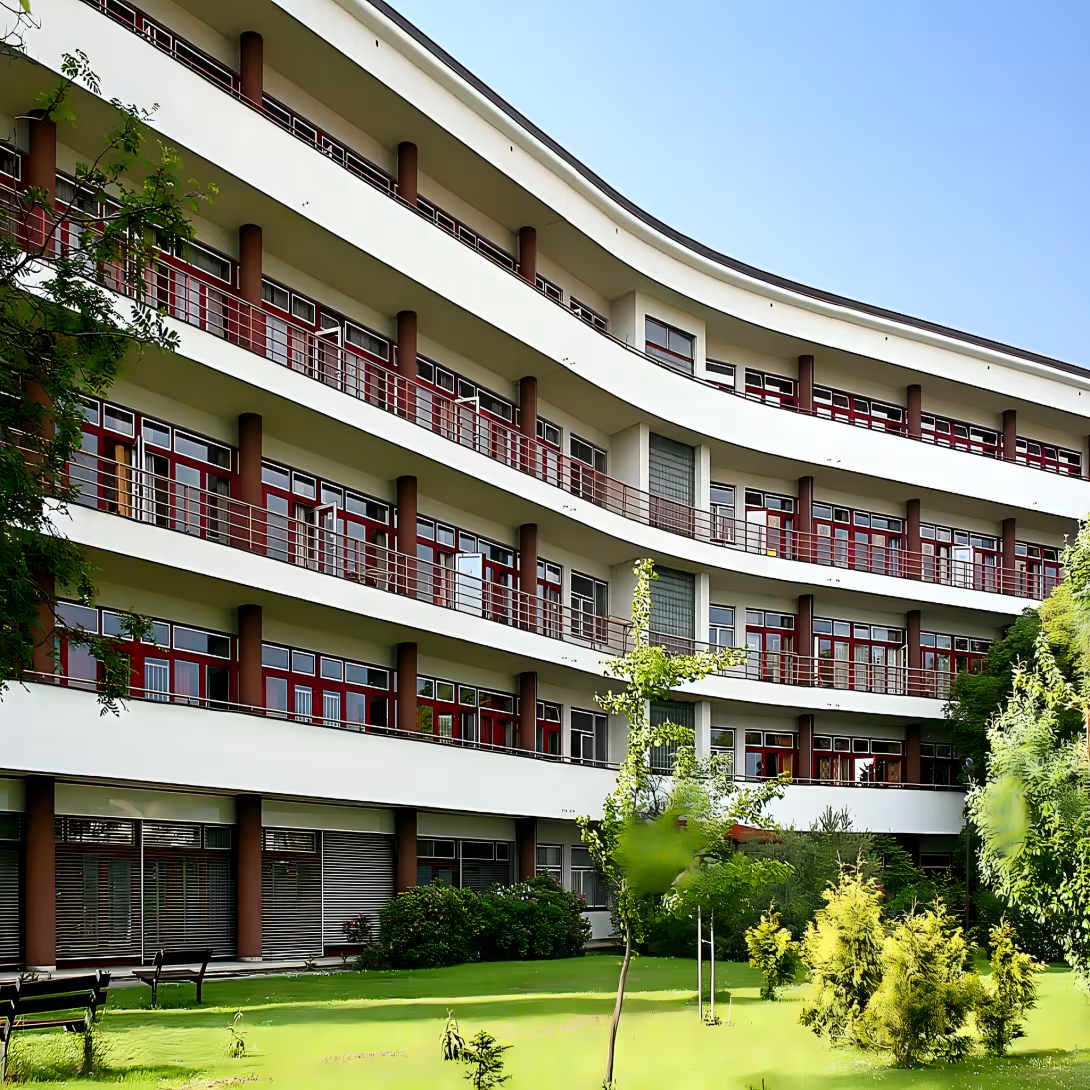
Dětská Nemocnice in Brno is a notable pediatric healthcare facility located at Černé Pole within the Jihomoravský kraj region. Established initially in 1846, it has evolved through various architectural phases and holds cultural heritage status as a protected monument in the Czech Republic. The hospital's significance lies not only in its historical roots but also in its modern contributions to pediatric healthcare.
The origins of Dětská Nemocnice date back to 1846 when Spolek pro dětskou nemocnici sv. Cyrila a Metoděje was formed with the aim of establishing a hospital for children from impoverished families in Brno. This initiative led to the creation of the original facility, which became part of Všeobecná zemská nemocnice U sv. Anny by the late 19th century. As demand grew and space became insufficient, a new site was chosen on an undeveloped hill above Lužánky in Černé Pole. Designed by Hugo Kranz, this modern facility opened in 1898, featuring six pavilions with a capacity for 150 beds, marking it as one of the most advanced healthcare institutions of its time.
Architecturally, Dětská Nemocnice has undergone significant transformations. The original complex, completed in 1898, was fully electrified and designed to meet contemporary standards. In the mid-20th century, a functionalist expansion led by architect Bedřich Rozehnal introduced new elements such as a five-story ward pavilion with terraces offering views of the surrounding park and cityscape. This period also saw additional facilities like an infirmary built in 1898, which later became part of the hospital complex.
Ownership and administration have shifted over time, reflecting broader socio-political changes. In 1941, the city of Brno took ownership, followed by Moravskoslezský zemský národní výbor after World War II, renaming it Státní oblastní dětská nemocnice. Post-1989, it became known as Fakultní dětská nemocnice J. G. Mendela and eventually integrated into the larger Fakultní nemocnice Brno in 1998.
Key events include its establishment in 1846, the opening of the new facility in 1898, and a major functionalist expansion between 1948-1953. These milestones highlight the hospital's evolution from a modest institution to a modern healthcare center. The site also features an infirmary originally built as Útulna pro slepé dívky, which became part of the hospital post-war.
Today, Dětská Nemocnice continues to serve as a vital pediatric care facility within the Fakultní nemocnice Brno network. Its historical significance and architectural heritage make it an intriguing site for visitors interested in both medical history and modern healthcare advancements. The blend of its storied past with contemporary functionality underscores its enduring importance, inviting exploration by those keen on understanding the evolution of healthcare infrastructure.
Then and now
Drag the slider to compare how the landmark may have looked when it was built with the view today.
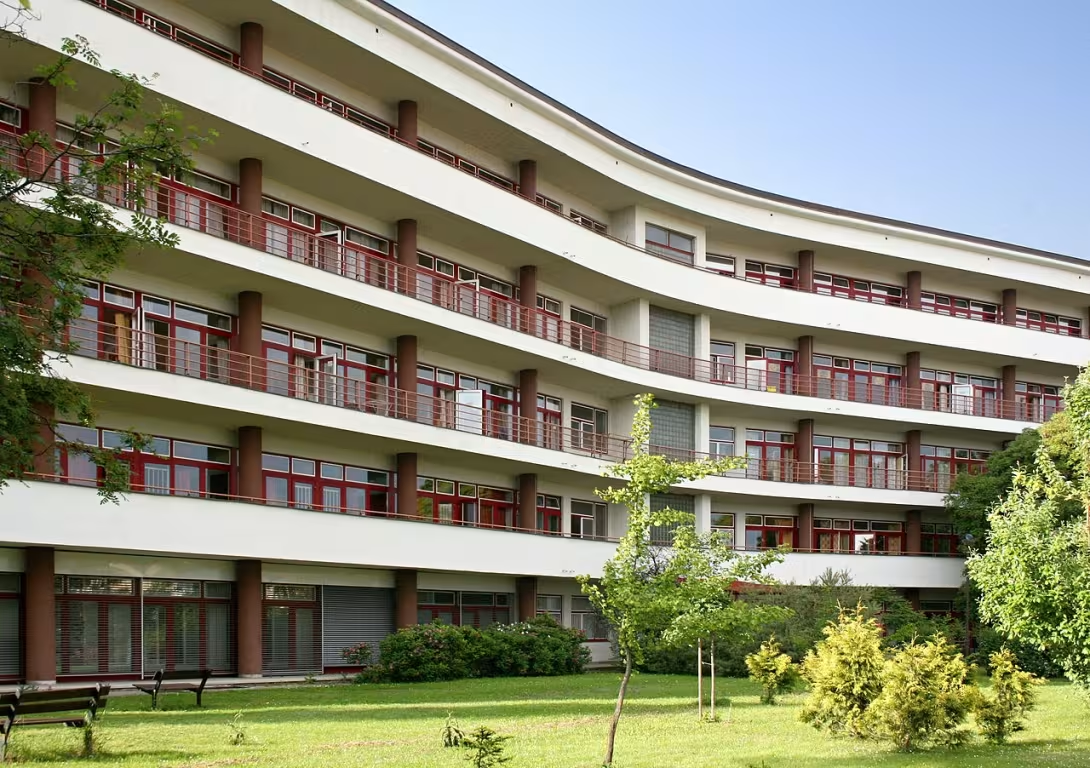
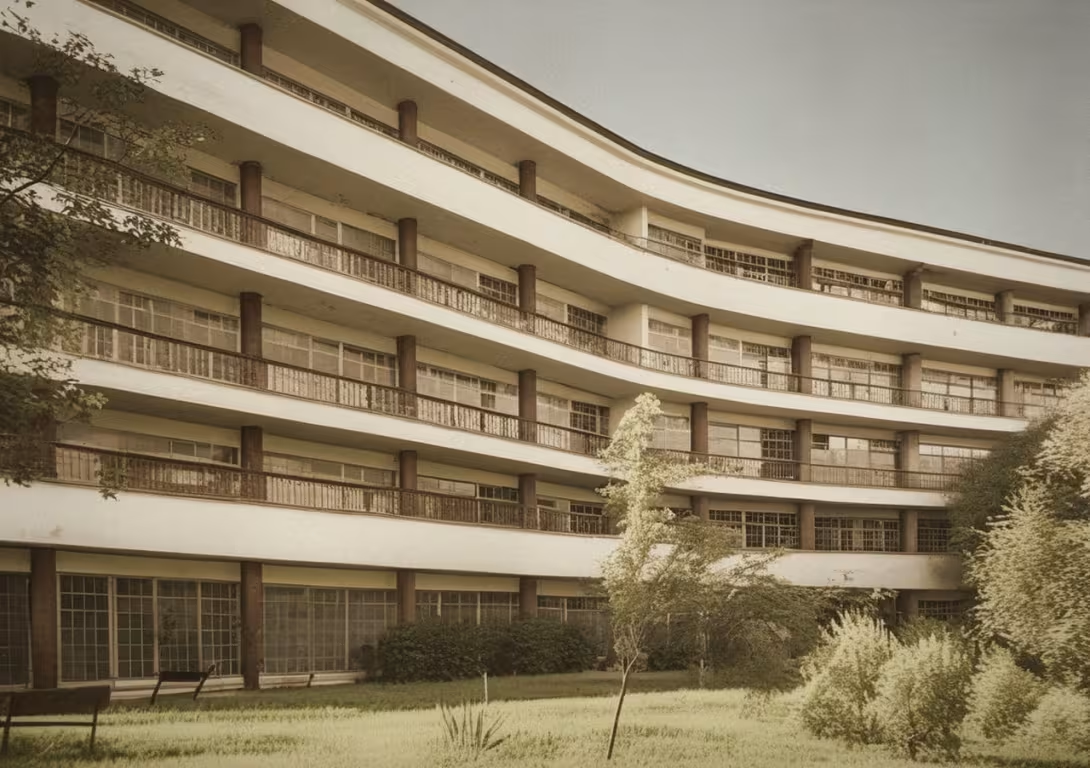
The historical appearance on the left is an AI-generated visualisation and serves as inspiration only.
Historical milestones
- 1846
- Establishment of the original children's hospital.
- 1898
- Opening of the new facility designed by Hugo Kranz.
- 1953
- Completion and opening of the functionalist expansion.
Architectural development
The Dětská nemocnice underwent significant architectural transformations from its initial establishment in the mid-19th century to a functionalist design completed in the early 1950s. The original complex, designed by Hugo Kranz, featured six pavilions with modern amenities for its time. Later expansions and renovations were led by architects like Bedřich Rozehnal and Zdeněk Janský, incorporating new facilities such as a heliport.
Historical events
Establishment of the original children's hospital in 1846.
Construction of a new facility completed and opened on November 30, 1898.
Functionalism-inspired expansion and modernization between 1948-1953.
Owners
Spolek pro dětskou nemocnici sv. Cyrila a Metoděje (1846)
Všeobecná zemská nemocnice U sv. Anny (19th century)
Město Brno (1941)
Moravskoslezský zemský národní výbor (post-World War II)
Fakultní dětská nemocnice J. G. Mendela (1989 onwards)
Points of interest
- In 1846, the hospital was initially established by a society named Spolek pro dětskou nemocnici sv. Cyrila a Metoděje, specifically aimed at serving children from impoverished families in Brno, reflecting early social welfare efforts.
- The original site of Dětská Nemocnice became part of Všeobecná zemská nemocnice U sv. Anny by the late 19th century, illustrating how healthcare facilities evolved and merged as urban needs grew.
Guide
This guide is narrated by a synthetic voice generated by artificial intelligence.
Show guide text
This text was created by artificial intelligence and has not been editorially reviewed. It may contain inaccuracies.
Welcome to the Dětská nemocnice in Brno, a remarkable testament to both medical history and architectural evolution. As you stand here at Černé Pole, take a moment to absorb your surroundings—a blend of heritage and healing that has served generations.
The story of this hospital begins in 1846 when it was established by the society Spolek pro dětskou nemocnici sv. Cyrila a Metoděje. This initiative marked one of the early efforts in social welfare, focusing on providing care to children from impoverished families in Brno. The vision was clear: create a haven where young lives could be nurtured back to health.
As you look around, notice how the architecture tells its own story. In 1898, a new facility was opened, designed by Hugo Kranz, whose work laid the foundation for what would become an iconic structure in Brno's healthcare landscape. Later, in 1953, a functionalist expansion completed by architects Bedřich Rozehnal, Karel Volavý, and Zdeněk Janský introduced new elements to this evolving site.
While wandering through these grounds, consider the hands that shaped its history—not just those of the architects but also of countless medical professionals who have dedicated their lives here. This place is more than a building; it's a living chronicle of care and compassion.
One intriguing aspect of Dětská nemocnice is how it has adapted over time, reflecting broader societal changes while maintaining its core mission. Its protected status as a cultural heritage site underscores the importance of preserving such landmarks that tell our shared stories.
As you continue your exploration, let yourself be drawn into this narrative woven through bricks and mortar. Each corner holds echoes of past lives touched by this institution's care.
We invite you to delve deeper into its history, perhaps visiting some of Brno’s other historical sites or learning more about the architects who left their mark here. Thank you for joining us on this journey through time at Dětská nemocnice. Safe travels as you continue your exploration of Brno's rich cultural tapestry.
Tips for visitors
The best time to visit Dětská nemocnice is during the late spring or early autumn months, when the weather is mild and pleasant for exploring the surrounding areas of Černé Pole. These seasons offer a comfortable climate that enhances your experience as you walk around the urban landscapes nearby. Additionally, visiting outside of peak summer or winter can provide a more relaxed atmosphere, allowing you to fully appreciate both the historical and modern architecture in the vicinity.
Parking near Dětská nemocnice is relatively convenient, with several parking areas accessible via streets like Černopolní and Kunzová. Public transportation options are also available, making it easy to reach the site without a car. For those using public transit, nearby bus stops provide connections to other parts of Brno. It's advisable to check current routes and schedules in advance through an online transport planner for the most efficient travel plans.
When visiting Dětská nemocnice, consider bringing comfortable walking shoes as you may want to explore the surrounding streets and architectural sites on foot. A light jacket or umbrella might be useful due to variable weather conditions. If you're interested in photography, a camera with good low-light capabilities can help capture the unique blend of historical and modern architecture that characterizes the area.
For photography enthusiasts, the best spots around Dětská nemocnice include various angles along Černopolní street where you can capture the contrast between old and new structures. Early morning or late afternoon light often provides the most flattering conditions for photographs. Nearby, within a 30-minute walk, are several cultural sites that offer additional photographic opportunities, including historical buildings and parks.
Families with children will find Dětská nemocnice an interesting destination due to its blend of modern healthcare facilities and nearby historical architecture. The area around Černé Pole is family-friendly, offering safe walking paths and public spaces for relaxation. Additionally, exploring the architectural surroundings can be both educational and entertaining for children, providing a glimpse into Brno's rich cultural heritage.
Businesses nearby
Do you run a restaurant, accommodation, shop, museum, rental, wellness or other visitor service near this monument? Show yourself directly to the people heading to it — this is how they will see you in the app and on the web:
Events nearby


Zdroj akcí: otevřená data měst a obcí ČR (Národní katalog otevřených dat) a kalendář akcí Národního památkového ústavu.
Nearby
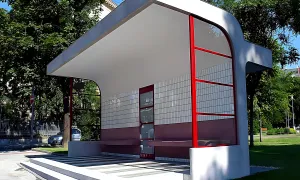
Dětská nemocnice is situated in Černé Pole, surrounded by urban landscapes with nearby streets like Černopolní and Kunzová. The area features a mix of historical and modern architecture.
Accommodation nearby
Trips and activities nearby
Guided tours, tickets and activities nearby from GetYourGuide
Affiliate link: if you buy from the partner, we may receive a commission. The price for you does not change.
Search tours and activities →Themed route
Thematic Walking Tour: Exploring Černé Pole, Brno
1. Dětská nemocnice (Children's Hospital) - *Type:* Medical Facility - *Why Visit:* Start your tour at this modern medical facility known for its state-of-the-art pediatric care. The hospital blends contemporary architecture with compassionate healthcare services, making it a significant landmark in Černé Pole.
2. Černopolní Street (Černopolní) - *Type:* Urban Street - *Why Visit:* Walk along this street to experience the vibrant urban life of Černé Pole. The area showcases a mix of historical and modern architecture, offering insights into the city's development over time.
3. Kunzová Street (Kunzová) - *Type:* Urban Street - *Why Visit:* Continue your exploration on Kunzová Street, where you can observe more examples of Brno’s architectural diversity. The street is a testament to the city's blend of tradition and modernity.
4. Černé Pole Park (Park in Černé Pole) - *Type:* Urban Park - *Why Visit:* Conclude your tour at this local park, providing a peaceful retreat amidst urban surroundings. It’s an ideal spot for relaxation and reflection after exploring the architectural wonders of Černé Pole.
This walking tour offers a glimpse into the unique character of Černé Pole, highlighting its blend of healthcare innovation and urban charm.
Seasonal recommendations
Spring: Visiting the Children's Hospital historical site during spring offers a refreshing experience as nature awakens around you. The landscape is adorned with vibrant flowers and budding trees, creating a picturesque setting that enhances the atmosphere of the area. This season often sees fewer visitors compared to summer, making it an ideal time for those seeking a quieter exploration. For practical advice, consider wearing comfortable layers as temperatures can vary throughout the day. Arriving in the morning allows you to enjoy the site with minimal crowds and capture the beauty of early spring light.
Summer: The Children's Hospital historical site is particularly lively during summer, when the long daylight hours provide ample time for exploration. The lush greenery and blooming flowers contribute to a vibrant atmosphere, making it perfect for outdoor enthusiasts. However, this season also attracts more visitors, so arriving early in the morning can help avoid the larger crowds that gather later in the day. Light, breathable clothing is recommended due to the warmer temperatures, along with sun protection such as hats or sunscreen.
Autumn: Autumn brings a unique charm to the Children's Hospital historical site, with its landscape transformed into a palette of warm colors from reds and oranges to golds. The cooler air and gentle breezes create a crisp atmosphere that is ideal for leisurely walks around the grounds. This season typically sees fewer visitors than summer, allowing for a more relaxed visit. Dressing in layers is advisable as temperatures can fluctuate between cool mornings and milder afternoons. An afternoon visit might offer the best experience, with softer light enhancing the autumnal scenery.
Winter: The Children's Hospital historical site takes on a serene and quiet atmosphere during winter, often covered in a blanket of snow that adds to its historic charm. While some parts of the site may be less accessible due to weather conditions, the overall tranquility offers a unique perspective compared to other seasons. Winter visitors should dress warmly in layers and wear sturdy footwear for any snowy paths. Since daylight hours are shorter, planning an early visit is advisable to make the most of your time at the site. The reduced number of visitors during this season allows for a peaceful exploration of its historical features.
Visualizations and artistic views


The visualisations are generated by artificial intelligence and serve as inspiration.
Photos from the area
Real photos taken near the monument


Zdroj a licence jsou uvedeny u každého snímku.
Tips from visitors
No tips yet. Be the first!
Log in and add your tip.
Sources and literature
Fotografie: Martin Strachoň / CC BY-SA 3.0, rozlišení zvýšeno umělou inteligencí — Wikimedia Commons. The author and licence also appear when you hover over the image.
Faktickým podkladem tohoto textu byl článek na Wikipedii, jehož autory jsou přispěvatelé Wikipedie. Článek je dostupný pod licencí CC BY-SA 4.0.
Location on the map


Příběhy a pověsti
Legendy, pověsti a příběhy spjaté s touto památkou
Fotografie návštěvníků
Zatím žádné fotografie. Buďte první, kdo přidá fotografii z návštěvy!
Přihlaste se a přidejte svou fotografii nebo hodnoťte.
Za ověřenou návštěvu v aplikaci získáte víc bodů — poznáme podle GPS, že jste na místě.
Reviews and comments