






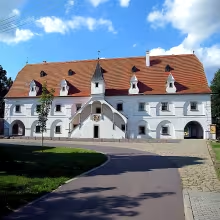
The watermill in Slup is a nationally significant cultural monument located in the village of Slup, Jihomoravský kraj. Managed by the Technical Museum in Brno, it stands out as an exceptional technical landmark due to its four operational water wheels and millrace. Its architectural design and scale make it a unique example of large-scale watermills from its era.
The first mention of a miller in Slup dates back to 1512, indicating the presence of a mill at that time. Historical records suggest that the Krhovicko-Jaroslavice watercourse, which powers the mill, was noted as early as 1302. By 1228, the Cistercian nunnery in Oslavany owned Slup and its mill, marking the start of a long history of ownership changes. From 1541 to 1810, the Jaroslavice estate owners, including families such as the Kunštát, Krajířové z Krajku, and Collaltové, managed the property. The Counts of Althan held it from 1609 to 1790. After them, free millers Hollí, Steimetzové, and Machové took over in 1810 until 1938.
Throughout its history, the watermill underwent significant modifications and modernizations. It likely reached its current Renaissance form by the late 16th or early 17th century. In the late 19th century, an American milling system was installed to enhance productivity. Before World War II, a water turbine replaced the traditional mill wheels. However, post-war neglect led to deterioration until the Czechoslovak state acquired it in 1970. Restoration efforts by the Technical Museum in Brno began shortly thereafter, culminating in its designation as a national cultural monument in 1995.
The architectural and technical features of Vodní mlýn ve Slupi are noteworthy. The mill showcases an artificial milling setup known as the 'American' system, which significantly increased productivity. Various historical milling machines and installations have been reconstructed from archival information, providing insight into past technologies. These include a water wheel-driven setup with wooden gear wheels and a unique installation of an artificial milling system.
Today, Vodní mlýn ve Slupi is accessible to visitors interested in historical technology and architecture. Its preservation as a cultural monument highlights its importance not only as a piece of local heritage but also as a testament to the technological advancements of its time. The mill's rich history and unique features make it a worthwhile destination for those keen on exploring the intersection of culture, technology, and history. Visitors are invited to experience this remarkable site and appreciate its contribution to our understanding of past innovations.
Historical milestones
- 1512
- First documented mention of a miller in Slup.
- 1995
- Declared a national cultural monument.
Architectural development
The watermill was likely built in the late 16th or early 17th century, with its current Renaissance form established by then. Over time, it underwent significant modifications and modernizations, including the installation of an American milling system in the late 19th century and a water turbine before World War II. Post-war neglect led to deterioration until the Czechoslovak state acquired it in 1970, leading to restoration efforts by the Technical Museum in Brno.
Historical events
First mention of a miller in Slup in 1512
Meadow transformed into a national cultural monument in 1995
Owners
Cistercian nunnery in Oslavany (1228 onwards)
Jaroslavice estate owners including families such as the Kunštát, Krajířové z Krajku, and Collaltové (1541-1810)
Counts of Althan (1609–1790)
Free millers Hollí, Steimetzové, and Machové (1810-1938)
Points of interest
- Despite its significant cultural status today, the Vodní mlýn ve Slupi nearly fell into ruin after World War II due to neglect before being acquired by the Czechoslovak state in 1970.
- The watermill's 'American' milling system, installed in the late 19th century, was an innovative adaptation that significantly increased productivity compared to traditional methods.
- Initially owned by the Cistercian nunnery in Oslavany since 1228, the mill has seen a diverse array of owners over centuries, reflecting the region's complex feudal history and shifting power dynamics.
Guide
Show guide text
Welcome to the Vodní mlýn ve Slupi, a remarkable testament to late Renaissance engineering nestled in the heart of Jihomoravský kraj's village of Slup. As you stand before this historic watermill, imagine the gentle hum of its four operational water wheels, a sound that has echoed through time and space, connecting us to the millers who once worked here.
The story of this site begins in 1512 with the first documented mention of a miller in Slup. Over centuries, it evolved into a technical marvel, surviving neglect after World War II until its acquisition by the Czechoslovak state in 1970. Today, as a nationally significant cultural monument, it stands proudly under the care of the Technical Museum in Brno.
Take a moment to observe the mill's architectural form—a harmonious blend of functionality and design that speaks volumes about its historical context. The watermill's 'American' milling system, an innovative adaptation from the late 19th century, is particularly noteworthy. It reflects a period when technological advancements were embraced to enhance efficiency and productivity.
While specific architects remain unnamed, their vision is evident in every detail of this structure. As you walk around, notice how the millrace channels water with precision, powering those iconic wheels that have become synonymous with Slupi's identity.
Though its creators are unknown, the stories these walls could tell resonate through time. Imagine the countless individuals who passed through here, each contributing to the rich tapestry of history woven into this site. This place is more than just a mill; it's a living narrative of resilience and adaptation.
One intriguing aspect that stands out is how close this cultural gem came to ruin after World War II. It was only through dedicated preservation efforts that Vodní mlýn ve Slupi could be saved for future generations to appreciate its historical significance.
As you continue your exploration, allow yourself to delve deeper into the mill's intricate details and imagine the lives intertwined with its operation over the centuries. Each step here is a journey through time, offering insights into both past innovations and enduring legacies.
Thank you for joining us at Vodní mlýn ve Slupi. We invite you to immerse yourself further in this fascinating site, where history and technology beautifully converge. Safe travels on your next adventure!
Businesses nearby
Do you run a restaurant, accommodation, shop, museum, rental, wellness or other visitor service near this monument? Show yourself directly to the people heading to it — this is how they will see you in the app and on the web:
Nearby
Located about 15 kilometers southeast of Znojmo, the area around Slup is characterized by its rural landscape. The Krhovicko-Jaroslavice watercourse, which powers the mill, adds to the scenic environment.
Accommodation nearby
Themed route
Thematic Walking Tour: Water Mill and Surroundings of Slup
1. Vodní mlýn ve Slupi (Water Mill in Slup) - *Type:* Historical water mill. - *Why Visit:* This traditional water mill, powered by the Krhovicko-Jaroslavice watercourse, offers a glimpse into rural life and historical milling practices. Visitors can explore its well-preserved structures and learn about its role in local history.
2. Krhovicko-Jaroslavice Watercourse - *Type:* Natural river. - *Why Visit:* Flowing through the scenic countryside, this watercourse not only powers the mill but also provides a picturesque setting for nature walks. The gentle flow and surrounding greenery make it an ideal spot for relaxation and enjoying local wildlife.
3. Local Countryside Trails - *Type:* Walking trails. - *Why Visit:* These trails offer a peaceful exploration of the rural landscape around Slup, characterized by rolling hills and lush fields. They provide opportunities to experience the tranquility of the countryside while connecting with nature.
4. Village Center of Slup - *Type:* Rural village. - *Why Visit:* Walking through the charming streets of Slup allows visitors to appreciate traditional architecture and local culture. The village center is a perfect place to conclude your tour, perhaps enjoying a cup of coffee at a local café or visiting a small shop.
This thematic route offers an immersive experience into the rural charm and historical significance of Slup, highlighting its natural beauty and cultural heritage.
Seasonal recommendations
Spring: The arrival of spring at the Slup Water Mill brings a refreshing atmosphere as nature awakens with vibrant colors and blooming flowers along the surrounding landscapes. This season offers a serene ambiance, ideal for leisurely walks to appreciate the rejuvenated flora. Visitors should be prepared for occasional rain showers, so carrying an umbrella or wearing water-resistant clothing is advisable. Early mornings are often quieter, providing a peaceful experience before larger crowds gather later in the day.
Summer: Summer at Slup Water Mill offers long days filled with sunshine and warm weather, making it perfect for exploring the mill's outdoor areas and enjoying picnics by the water. The lush greenery and blooming plants create an idyllic setting for photography enthusiasts. However, this is also peak tourist season, so arriving early in the morning can help avoid larger crowds. Comfortable walking shoes and light clothing are recommended to stay cool under the summer sun.
Autumn: Autumn transforms Slup Water Mill into a picturesque scene with its rich tapestry of fall foliage, creating an enchanting atmosphere for visitors seeking tranquility amidst nature's changing colors. The cooler temperatures make it comfortable for extended exploration without the summer heat. This season also tends to have fewer tourists compared to summer, allowing for a more relaxed visit. Layered clothing is recommended to adapt to fluctuating temperatures throughout the day.
Winter: Winter at Slup Water Mill offers a unique charm with its serene and often snow-covered landscape, providing a magical backdrop that enhances the historical allure of the site. The shorter days mean fewer visitors, offering an intimate experience as you explore the mill in quiet solitude. However, winter conditions can lead to limited access or altered opening hours, so checking ahead is advisable. Warm clothing, including coats, hats, and gloves, is essential to ensure a comfortable visit during this cooler season.
Visualizations and artistic views

Vizualizace jsou generovány umělou inteligencí a slouží jako inspirace.


Tips from visitors
No tips yet. Be the first!
Log in and add your tip.




Reviews and comments