



Vysoká zahrada Hillfort
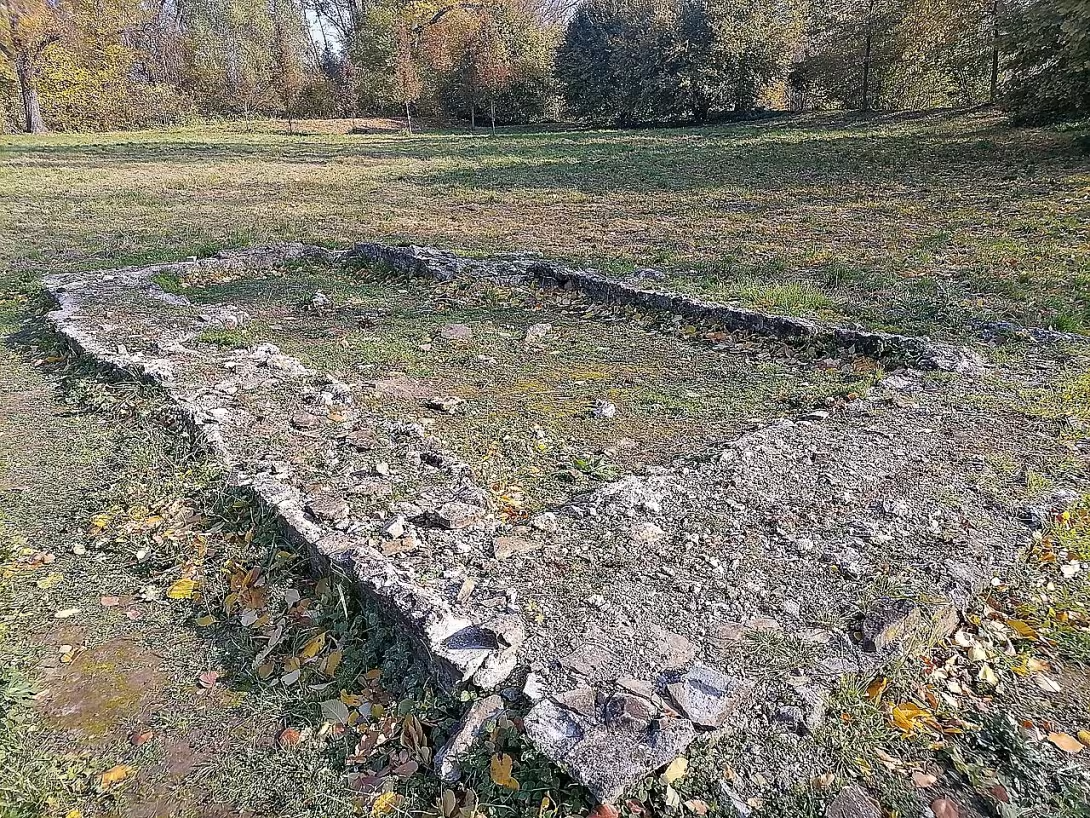
Vysoká zahrada, also known as Strachotingrad, is an old Slavic castle from the 11th and 12th centuries in the village of Dolní Věstonice in the district of Breclav. This archaeological site served as an administrative and military centre of the region, located on a peninsula surrounded by the river Dyja and the lower and central Novomlyn tank.
The fort was established during the formation of medieval administrative centers. In the 11th and 12th centuries there was a centre of civil and military administration. It is believed that the site could have been preceded by a settlement from the time of the Welkomorave Empire.
The total area of the building is approximately 7750 m ². The defense system was made up of a wooden wall with clay and a stony front diaper, from which there is now about a six-metre wall. This wall is cut off in some sections by the river Dyje meanders and heavy engineering interventions from the time of building the dam. Archaeological research revealed the foundations of residential and economic buildings, jewellery and glass workshops, and the foundations of a church from the 11th century, which probably disappeared in the early 13th century.
Found spurs and horseshoes show the presence of military satellites. The jewels found confirm that there were also personalities with higher social status in the castle. The name Vysoká zahrada also appears in literary fiction in the work of George R. R. Martin as the home of Tyrell.
Since 1964, the site has been protected as a cultural monument. Archaeological research took place in 1948-1952 and subsequently in 1979. The location is available to the right of the road II / 420 in the direction of Strachotín, where an archaeopathic trail passes, which introduces visitors to the surrounding archaeological locations in Lower Věstonice and Pavlov.
The monument represents an important witness to the medieval governance of this region. Visiting the castle offers the opportunity to see the remains of the early Middle Ages in the natural landscape.
Then and now
Drag the slider to compare how the landmark may have looked when it was built with the view today.
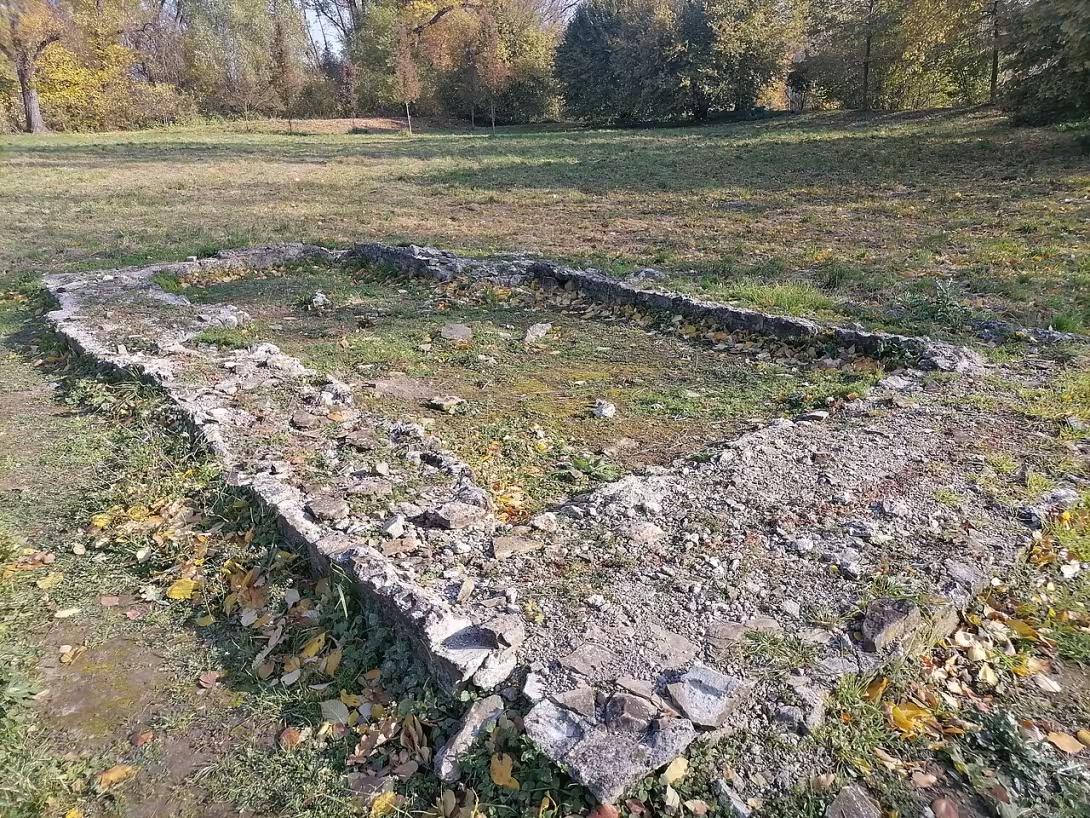

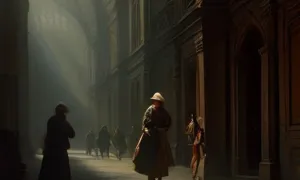
The historical appearance on the left is an AI-generated visualisation and serves as inspiration only.
Historical milestones
- 1948
- Beginning of archaeological research
- 1964
- Declaration of place for cultural monument
- 1979
- Another archaeological survey
Architectural development
The fort was surrounded by a wooden wall with clay and a stone front diaper. In the 11th century there was a church that died in the early 13th century. The current appearance is defined by about a six-metre wall.
Historical events
1948-1952 archaeological research; 1964 declaration for cultural heritage; 1979 another archaeological survey.
Points of interest
- The fort is also known as the Strachotingrad and is located on a peninsula surrounded by the river Dyja and Novomlinski tanks. - Archaeologists here revealed the foundations of a church from the 11th century, which probably disappeared in the early 13th century. - Found jewelry confirms that there were people living in the castle with a higher social status. - The name Vysoká zahrada appears in literary fiction as the Tyrell home.
Guide
Show guide text
This text was created by artificial intelligence and has not been editorially reviewed. It may contain inaccuracies.
Welcome to the Highgarden, a unique historical place located in the picturesque location of the Lower Věstonice. When you're standing in front of this archaeological site, you feel like you're in a different era of time. In front of you is a landscape panoramic view of the peninsula surrounded by the waters of the Novomrnýnská reservoir and river Dyjí, which guarantees not only the beauty of nature but also a deep history.
Vysoká zahrada is an old Slavic castle with roots dating back to the 11th and 12th centuries. It served as an administrative and military centre which was a key place to manage the surrounding territories. Started in 1948, archaeological research took place here, revealing the rich history and culture of the region. In 1964 the site was declared a cultural monument and further extensive archaeological surveys took place in 1979.
Look around you and observe the remains of residential buildings that point to the lifestyle of the then residents. Note the signs of workshops where probably people produced weapons and tools for everyday needs. A particularly interesting detail is the church from the eleventh century, whose foundations are still visible. This small sacral object probably served as a spiritual center for the inhabitants of the castle.
Although specific historical figures associated with the High Garden are unknown, we can imagine living in this community center. This is where people gathered for business, defense and religious rituals.
The interesting thing about this place is its alternative name, Strachotingrad. This name resembles the rich history and legends that were created around the castle. The jewelry found suggests that people with higher social status or wealth lived here.
Now that you've been immersed in the history of the Highgarden, we'll invite you to explore again. Go through the archaeological trail and take time to imagine life in the Old Slavic Castle. When you decide to leave, keep in mind the impressive atmosphere and history of this place.
Thank you for your visit to the Highgarden. We hope your experience was illuminating and inspiring for you. Goodbye!
Tips for visitors
For the best experience visit the place in late spring or autumn when the weather is mild. For photography are the best moments at sunrise or sunset, when light hits the peninsula and is reflected in the water surface, creating wonderful images of ruins.
You can use your own car or public transport to reach the sights. The current connection is best checked in internet search engines.
Take with you plenty of drinking water, snacks and especially comfortable shoes suitable for outdoor movement, because it is a ruin. For families with children, the place is suitable for nature walks, but care must be taken for the country's inequalities.
After visiting the castle we recommend to explore the area. You can walk along the river Dyje, visit the Novomrnín Tank or explore nearby villages Dolní Věstonice and Pavlova.
Frequently asked questions
Can the monument be visited?
This is an archaeological site. Often there is little to see on the ground and the land may be private. We have not verified access.
Where is the monument?
Location: Dolní Věstonice, Jihomoravský kraj. The map on this page shows the exact spot.
Why is the monument protected?
It is listed in the Central List of Cultural Monuments of the Czech Republic as a cultural monument (register no. 1000149358).
Businesses nearby
Do you run a restaurant, accommodation, shop, museum, rental, wellness or other visitor service near this monument? Show yourself directly to the people heading to it — this is how they will see you in the app and on the web:
Nearby
Novomlýnská nádrž, řeka Dyje, obec Dolní Věstonice a Pavlova.
Accommodation nearby
Themed route
Thematic cruise route from the village Dolní Věstonice
1. Vysoká zahrada (archaeological site) Type: Archaeological site Why is it worth a visit: This place is one of the oldest evidence of human residence in Europe. Here, ancient ceramic and stone tools were discovered that testify to the life of our ancient ancestors.
2. New Mill Tank Type: Tank Why is worth a visit: This water area offers beautiful landscapes and is an ideal place for relaxation. It is suitable for picnics, swimming or just for a moment of rest while walking around its shore.
3. Dyje River Type: River Why is worth a visit: The river offers options for swimming and water sports such as swimming or kayaking. It is also a beautiful place to relax while walking along its shore.
4.Dolní Věstonice Type: Village Why is it worth a visit: This picturesque village offers a view of the countryside and is known for its historical significance. You can explore local architecture and enjoy quiet moments in the natural environment.
5. Pavlov Type: Village Why it is worth a visit: Pavlova is famous for its historic castle and beautiful surrounding countryside. It is an ideal place for those who want to know more about regional history and enjoy the views of local nature.
This route offers a combination of cultural experiences with natural surroundings, making it ideal for a day trip.
Seasonal recommendations
Spring: In the spring period, Vysoká zahrada in the Lower Vestonica is transformed into a flowering retreat, where developing shrubs and trees celebrate their first flowers. The sun is beginning to have more influence in memory, which increases clarity and temperature during the day. At this time, the atmosphere is calm and welcoming. We recommend you visit morning or evening to avoid midday sunlight. Put on comfortable shoes and some durable odors, because the terrain may still be wet from the recent rains.
Summer: For years, Vysoká zahrada is transformed into a hot beauty with long time and intense sunlight. This season offers the best conditions for the knowledge of archaeological sites, but at the same time it also brings significantly higher attendance. We recommend arriving in memory earlier on or later in the evening to avoid peak times with a large crowd. Don't forget the sun protection and enough drinking drink.
Autumn: In autumn, Vysoká zahrada offers views full of colours, when leafy trees dress up their shiny irons. The sun becomes less intense, and the time of day gradually decreases. The atmosphere is quiet, which allows relaxed walks around the sights with less risk of surprise rain. We recommend that you wear warmer clothes and hat to remember to protect you from the cold winds.
Winter: Winter visit High gardens are a unique experience where the monument is transformed into a snow umbrella. The sunlight lights up the snow and creates a calm and quiet atmosphere. Visiting is minimal during this season, which allows for more intimate exploration of the monument. We recommend taking protective clothing against cold and cold and arriving in memory of the time when the sun illuminates the area to enjoy the most beautiful winter views.
Visualizations and artistic views


The visualisations are generated by artificial intelligence and serve as inspiration.
Photos from the area
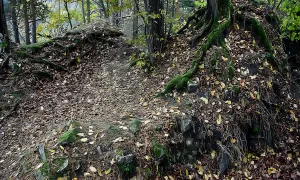
Real photos taken near the monument


Zdroj a licence jsou uvedeny u každého snímku.
Tips from visitors
No tips yet. Be the first!
Log in and add your tip.
Sources and literature
Photos: David Kennedy / CC BY-SA 4.0 — Wikimedia Commons. The author and licence also appear when you hover over the image.
Faktickým podkladem tohoto textu byl článek na Wikipedii, jehož autory jsou přispěvatelé Wikipedie. Článek je dostupný pod licencí CC BY-SA 4.0.
Location on the map


Příběhy a pověsti
Legendy, pověsti a příběhy spjaté s touto památkou
Fotografie návštěvníků
Zatím žádné fotografie. Buďte první, kdo přidá fotografii z návštěvy!
Log in a přidejte svou fotografii nebo hodnoťte.
Za ověřenou návštěvu v aplikaci získáte víc bodů — poznáme podle GPS, že jste na místě.
Reviews and comments