






Židovský hřbitov v Osoblaze Cemetery
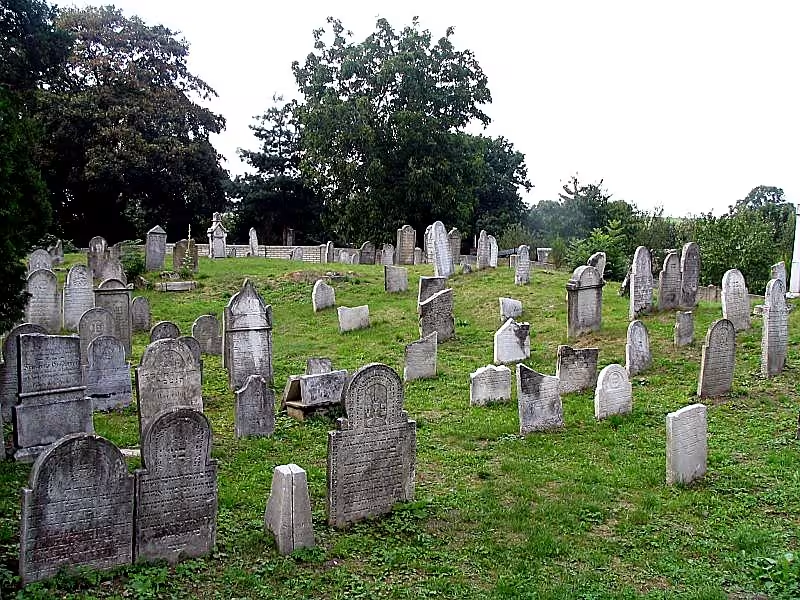
The Jewish Cemetery in Osoblaha is a historically significant site located near an external section of the city wall in the northeastern part of the town. Established in the first half of the 15th century, it served as a burial ground until the 1930s. It is renowned for its age and unique tombstones of Polish (Silesian) type, which are rare on Czech territory. The cemetery has been recognized as a state-protected monument since 1958 due to its historical value.
The origins of the Jewish Cemetery in Osoblaha date back to the early 15th century, during a period when Bohemia was part of the Holy Roman Empire and experiencing social and religious transformations leading up to the Hussite Wars. The cemetery's establishment reflects the presence and community life of Jews in this region during medieval times.
Architecturally, the cemetery is notable for its unique Silesian-style tombstones, which are a rarity on Czech soil. These tombstones contribute significantly to the site's historical and cultural value. Over the centuries, the cemetery has faced several challenges that have altered its original state. In 1802, a devastating fire destroyed many of its unique wooden tombstones, marking a significant loss in its architectural heritage.
The cemetery endured further damage during World War II, which severely impacted its structure and integrity. However, it was reconstituted in the early 1990s, although this reconstruction involved rearranging the tombstones contrary to traditional religious customs, meaning they no longer mark the exact burial spots of the deceased. Despite these changes, the cemetery remains an important historical site.
Throughout its history, the Jewish Cemetery in Osoblaha has witnessed several key events that have shaped its current state. The fire of 1802 and the destruction during World War II are notable incidents that highlight the challenges faced by this monument over time. These events underscore the resilience of the site and the efforts made to preserve it for future generations.
Today, the Jewish Cemetery in Osoblaha is accessible to visitors and continues to be a place of historical interest. With 313 tombstones still standing, it offers a glimpse into the past and serves as a testament to the cultural heritage of the region. The cemetery's unique characteristics make it a valuable site for those interested in history and architecture.
The Jewish Cemetery in Osoblaha stands as a poignant reminder of the rich cultural tapestry of northeastern Moravia. Its historical significance, coupled with its architectural uniqueness, makes it a worthwhile destination for visitors seeking to connect with the past. The cemetery not only preserves the memory of those who were laid to rest there but also invites contemporary audiences to reflect on the enduring legacy of this historic site.
Then and now
Drag the slider to compare how the landmark may have looked when it was built with the view today.
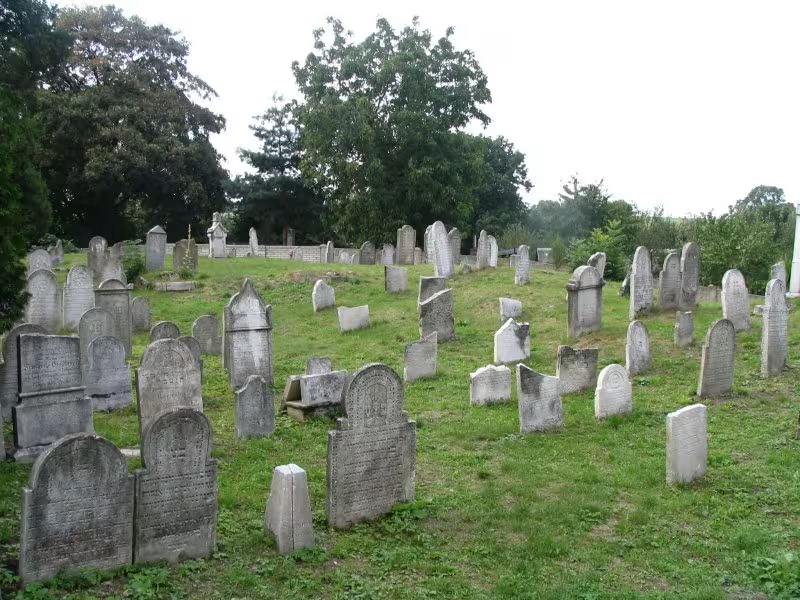

The historical appearance on the left is an AI-generated visualisation and serves as inspiration only.
Historical milestones
- 1694
- The oldest tombstone dates back to this year, marking the death of Mešulam Žalman.
Architectural development
The Jewish Cemetery in Osoblaha has undergone significant changes over the centuries. Initially established in the early 15th century, it faced destruction by fire in 1802 and severe damage during World War II. In the early 1990s, a reconstruction effort was undertaken to restore the site.
Historical events
The cemetery suffered a devastating fire in 1802 that destroyed its unique wooden tombstones.
During the Second World War, the cemetery was heavily damaged.
Points of interest
- The Jewish Cemetery in Osoblaha is a historically significant site located near an external section of the city wall in the northeastern part of the town. - Established in the first half of the 15th century, it served as a burial ground until the 1930s and has been recognized as a state-protected monument since 1958 due to its historical value. - The cemetery is renowned for its unique Silesian-style tombstones, which are rare on Czech territory and contribute significantly to the site's historical and cultural value. - In 1802, a devastating fire destroyed many of its unique wooden tombstones, marking a significant loss in its architectural heritage; it also endured further damage during World War II. - The cemetery was reconstituted in the early 1990s, although this reconstruction involved rearranging the tombstones contrary to traditional religious customs.
Guide
This guide is narrated by a synthetic voice generated by artificial intelligence.
Show guide text
This text was created by artificial intelligence and has not been editorially reviewed. It may contain inaccuracies.
Welcome to the Jewish Cemetery in Osoblaha, a site steeped in history and mystery. As you stand here, surrounded by the quietude of this sacred space, imagine the stories these ancient stones could tell if they had voices. The cemetery is nestled near an external section of the city wall on the northeastern edge of town, its presence as enduring as it is enigmatic.
Established in the first half of the 15th century, this hallowed ground served as a final resting place for generations until the 1930s. Its significance stretches beyond mere years; it's a testament to a vibrant community that once thrived here. As you take in your surroundings, notice how time has left its mark on these stones—each one a silent witness to centuries of history.
The architecture of this cemetery is unique, particularly noted for its tombstones of Polish (Silesian) type, which are rare on Czech territory. These monuments stand as enduring symbols of cultural heritage and craftsmanship from an era long past. While the architects remain unknown, their work continues to captivate with its distinct style and historical resonance.
The oldest known tombstone here dates back to 1694, marking the death of Mešulam Žalman. This stone is a poignant reminder of individual lives that once were part of this community's tapestry. Although specific stories about individuals are not widely documented, each marker suggests personal narratives waiting to be uncovered.
One intriguing aspect of this site is its survival through turbulent times. Despite being severely damaged during periods of conflict and neglect, it remains a state-protected monument—a symbol of resilience and remembrance. This cemetery isn't just a collection of stones; it's a chronicle of endurance against the backdrop of history's relentless march.
As you continue to explore this place, let your imagination wander through time. Picture the lives that intersected here, the joys and sorrows shared, and the legacy left behind in these silent sentinels. This site invites reflection on both personal histories and broader historical narratives.
Thank you for joining us on this journey through history at the Jewish Cemetery in Osoblaha. We hope your visit has been enlightening and inspiring. As you move forward, may the stories of the past continue to resonate with you. Safe travels as you explore more wonders that await.
Frequently asked questions
Can the monument be visited?
Cemeteries and graves are usually accessible; please respect the dignity of the place. We have not verified the opening hours of this cemetery.
Where is the monument?
Location: Osoblaha, Moravskoslezský kraj. The map on this page shows the exact spot.
Why is the monument protected?
It is listed in the Central List of Cultural Monuments of the Czech Republic as a cultural monument (register no. 1000130231).
Businesses nearby
Do you run a restaurant, accommodation, shop, museum, rental, wellness or other visitor service near this monument? Show yourself directly to the people heading to it — this is how they will see you in the app and on the web:
Nearby
The Jewish Cemetery is situated near an external section of Osoblaha's city wall. The surrounding area includes typical rural landscapes of northeastern Moravia, with no other significant monuments within a 5 km radius.
Accommodation nearby
Themed route
Thematic Walking Tour: Jewish Cemetery and Surroundings of Osoblaha
1. Jewish Cemetery - Type: Historical Site - Why Visit: The Jewish Cemetery in Osoblaha is a poignant reminder of the once-thriving Jewish community that lived here. Situated near an external section of the city wall, this cemetery offers a serene and reflective space to explore history through its well-preserved tombstones and epitaphs. Visitors can gain insight into the cultural heritage and historical narratives of the local Jewish population.
2. City Wall Section Near Cemetery - Type: Architectural Feature - Why Visit: This segment of Osoblaha's city wall, located near the Jewish Cemetery, provides a glimpse into the town’s medieval past. Walking along this ancient structure allows visitors to appreciate the historical fortifications that once protected the community and offers picturesque views of the surrounding rural landscapes.
3. Rural Landscapes of Northeastern Moravia - Type: Natural Scenery - Why Visit: The area around Osoblaha is characterized by its typical northeastern Moravian countryside, offering a tranquil escape into nature. Visitors can enjoy leisurely walks through fields and meadows, experiencing the peaceful ambiance and natural beauty that define this part of the region.
This tour focuses on immersing visitors in the historical and cultural significance of Osoblaha's Jewish Cemetery while appreciating its immediate surroundings.
Seasonal recommendations
Spring: Visiting the Jewish Cemetery in Osoblaha during spring offers a serene experience as nature awakens, with budding trees and blooming flowers creating a picturesque backdrop for reflection. The soft light of early mornings or late afternoons enhances the site's tranquil atmosphere, making it ideal for contemplative walks. Visitors should dress in layers to accommodate fluctuating temperatures, and consider arriving earlier in the day before larger crowds gather as the weather improves.
Summer: In summer, the Jewish Cemetery is bathed in warm sunlight that highlights its historical gravestones, creating a vibrant yet peaceful ambiance. The lush greenery provides ample shade, making it comfortable for exploration even during warmer parts of the day. To avoid large groups, plan your visit early in the morning or later in the afternoon. Comfortable walking shoes and light clothing are recommended to navigate the grounds comfortably.
Autumn: Autumn at the Jewish Cemetery offers a stunning display of fall foliage with vibrant reds, oranges, and yellows that frame its historic landscape beautifully. The cooler temperatures make for pleasant strolls through the site, and the softer lighting during early mornings or late afternoons adds an ethereal quality to the visit. Visitors should wear layers and bring a light jacket as evenings can be chilly, ensuring a comfortable experience amidst the seasonal beauty.
Winter: Winter transforms the Jewish Cemetery into a quiet, snow-covered sanctuary that exudes a unique, serene atmosphere under soft, diffused light. The crisp air and potential for fresh snowfall provide a peaceful setting ideal for reflection. Visitors should dress warmly with coats, hats, gloves, and boots to stay comfortable during their visit. Since winter days are shorter, arriving early is advisable to fully appreciate the site's tranquil beauty before closing time.
Visualizations and artistic views


The visualisations are generated by artificial intelligence and serve as inspiration.
Photos from the area
Real photos taken near the monument


Zdroj a licence jsou uvedeny u každého snímku.
Tips from visitors
No tips yet. Be the first!
Log in and add your tip.
Sources and literature
Photos: User Its me on de.wikipedia / CC BY-SA 3.0 — Wikimedia Commons. The author and licence also appear when you hover over the image.
Faktickým podkladem tohoto textu byl článek na Wikipedii, jehož autory jsou přispěvatelé Wikipedie. Článek je dostupný pod licencí CC BY-SA 4.0.
Location on the map
Příběhy a pověsti
Legendy, pověsti a příběhy spjaté s touto památkou
Fotografie návštěvníků
Zatím žádné fotografie. Buďte první, kdo přidá fotografii z návštěvy!
Log in a přidejte svou fotografii nebo hodnoťte.
Za ověřenou návštěvu v aplikaci získáte víc bodů — poznáme podle GPS, že jste na místě.
Reviews and comments