






Areál zámku v Žampachu Chateau
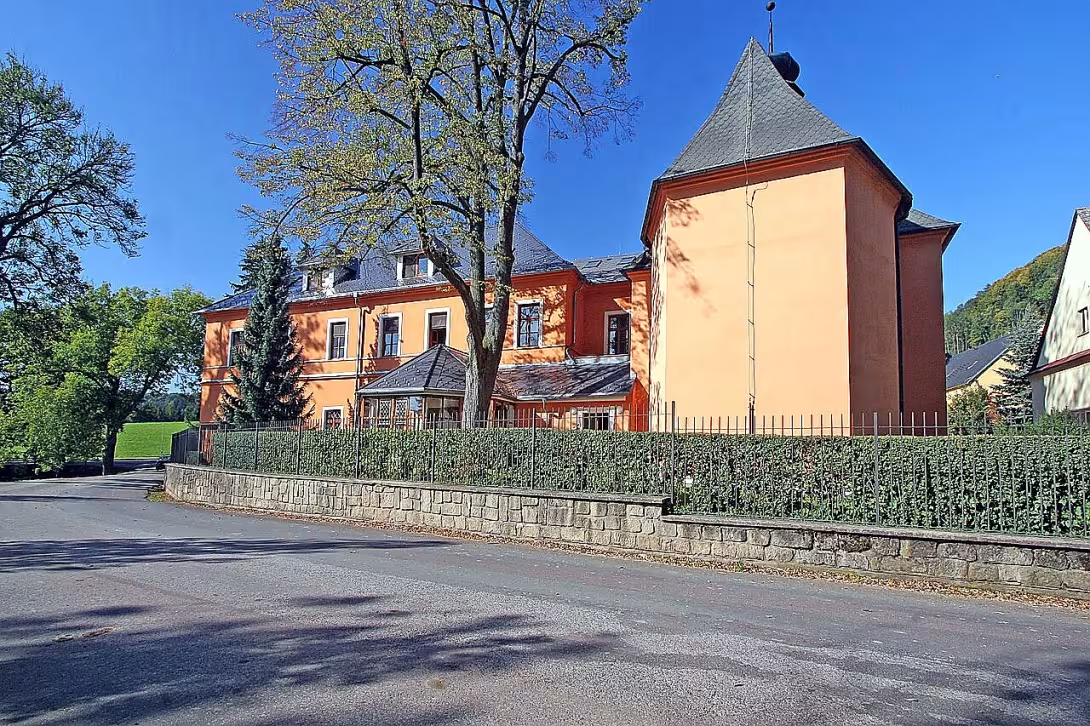
The chateau Žampach is an early Baroque chateau in the village Žampach in the Pardubice region of the Czech Republic. Originally built on site with previously documented fortress before 1600, it was converted between 1672 and 1713 Jesuit from Hradec Králové. The chateau is famous for its Baroque chapel dedicated to St. Bartholomew, which in the early 1990s underwent significant reconstruction. Today the chateau serves as a residence for persons with mental disabilities, while its chapel hosts spiritual and cultural events.
The origin of the chateau Žampach leads back to the earlier fort on the site before 1600. In 1672 the Jesuits of Hradec Králové began to transform this medieval building into a Baroque chateau using materials from nearby decrepit chateau. This period meant significant architectural and cultural developments throughout Europe, influenced by the efforts of the Catholic Church to counter-reform. The involvement of Jesuits reflects their broader role in promoting religious and educational reforms at this time.
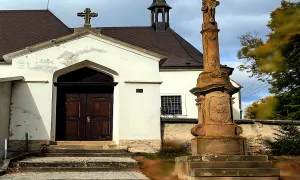
The Žampach Chateau has developed into an early Baroque structure characterized by its use of materials from a nearby destroyed chateau. The construction of the Baroque chapel dedicated to St. Bartholomew between 1701 and 1713 was an important addition. This chapel is one of the most valuable parts of the chateau, which presents complex designs typical of Baroque art. In 1992 it underwent extensive renewal, including structural reinforcement and renovation of its interior equipment, thereby ensuring its protection for future generations.
The property of chateau Žampach saw a remarkable period under Anna Gustavou and František Lützow from 1884 to 1932. During their operation, significant renovations were carried out, which contributed to the current arrangement of the chateau, which was similar to the letter "E." František Lützow, an expert in Czech history and literature, carried out most of his scientific work at the chateau Žampach, which promoted Czech culture internationally.
The conversion of the fortress to the Baroque Jesuit Chateau between 1672 and 1713 is a key event in the history of the complex. Another important milestone was the restoration and structural strengthening of the chapel in 1992, ensuring its permanent use for cultural and spiritual activities. These events highlight the continued development of the chateau and its adaptation for centuries.
Today the Žampach Chateau is intended to serve as a residence for people with mental disabilities, which reflects a compassionate approach to the use of historical monuments. The chapel remains an active place for spiritual and cultural meetings, including public concerts and social events. This dual function underlines the adaptability and continued relevance of this site in the current company.
The Žampach Chateau offers visitors a unique view of the early Baroque architecture and its transformation over time. Its rich history, along with its current role as a care facility and cultural place, makes it a convincing destination for people interested in heritage and community involvement. Visitors are invited to explore this remarkable site where the past and the present converge harmoniously.
Then and now
Drag the slider to compare how the landmark may have looked when it was built with the view today.
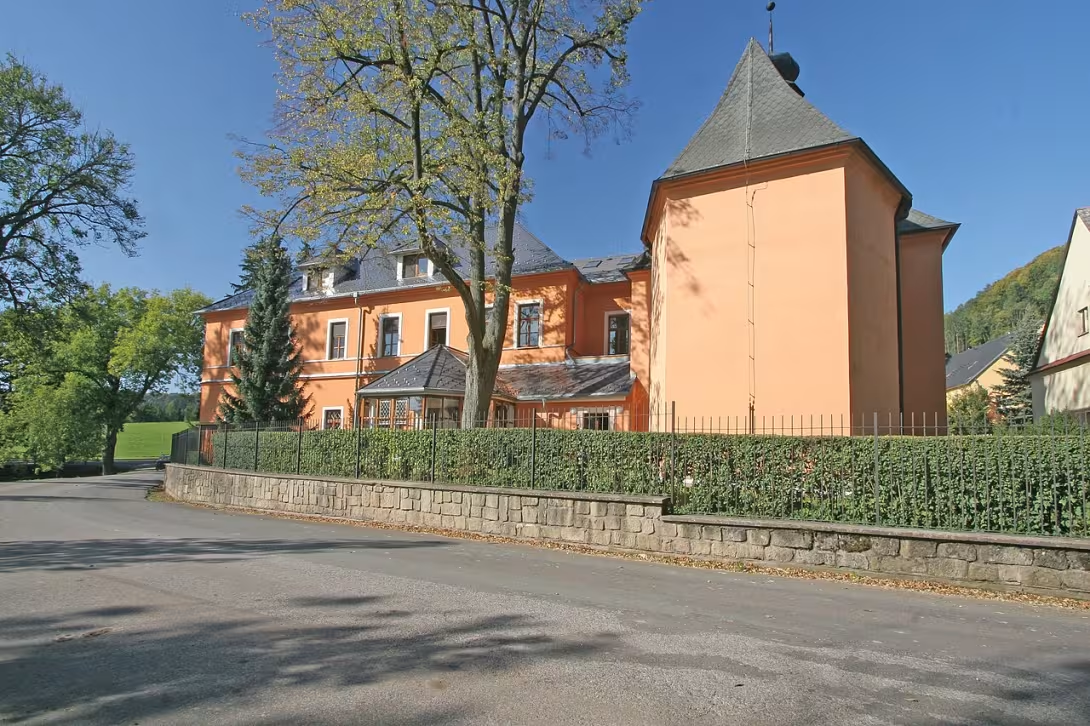
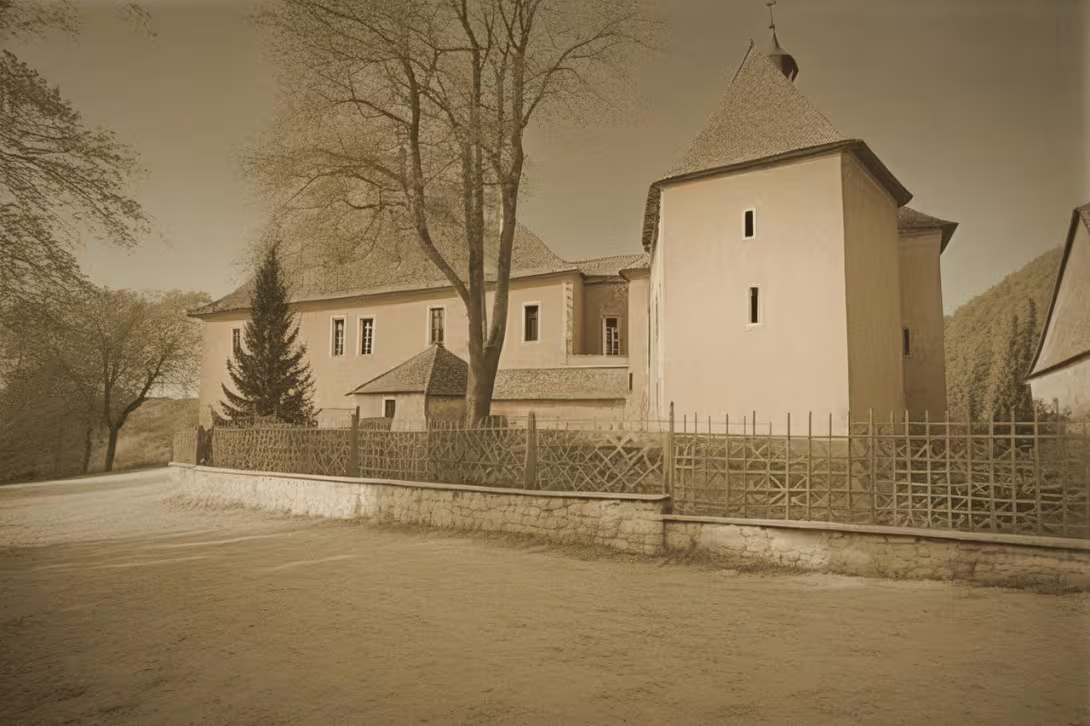
The historical appearance on the left is an AI-generated visualisation and serves as inspiration only.
Historical milestones
- pred 1600
- The original fortress in the chateau.
- 1672-1713
- Transforming into a baroque Jesuit chateau.
- 1701-1713
- Construction of the Baroque Chapel of St. Bartholomew.
- 1884-1932
- Owned by Anna Gustavova and František Lützow.
- 1992
- Restoration and reinforcement of the chapel.
Architectural development
The Žampach Chateau has evolved from a medieval fortress into an early Baroque structure that uses materials from a nearby decayed chateau. The transformation involved adding a Baroque chapel in the early 18th century. Another significant renovation took place at the end of the 19th and early 20th century under the ownership of František Lützow.
Historical events
- 1672-1713
- Transforming the fortress into a baroque Jesuit chateau.
- 1992
- Restoring and structural strengthening of the chapel.
Points of interest
- The conversion of the fortress into the Baroque castle Jesuit between 1672 and 1713 is remarkable for its use of materials from nearby destroyed chateau which reflect the ingenuity in architectural design during this time.
- František Lützow, who owned the Champs Chateau with Anna Gustavová from 1884 to 1932, was not only the owner but also a scholar. In the chateau he led much of his work on Czech history and literature and made a significant contribution to the international promotion of Czech culture.
- The Baroque Chapel dedicated to St. Bartholomew is one of the most valuable parts of Chateau Žampach, which presents complex designs typical of Baroque art. Its extensive reconstruction in 1992 included structural strengthening, ensuring its conservation for future generations and continuing use for cultural events.
- Today, Chateau Žampach serves as a residence for people with mental disabilities, shows an innovative approach to reorienting historical monuments while maintaining their architectural integrity and heritage value.
- The layout of the chateau resembling the letter "E" is the result of renovation during the ownership of Anna Gustavová and František Lützow. This unique design highlights how personal taste and practical needs have affected the development of historical properties in the Czech Republic.
Guide
This guide is narrated by a synthetic voice generated by artificial intelligence.
Show guide text
This text was created by artificial intelligence and has not been editorially reviewed. It may contain inaccuracies.
Welcome to the historic place Chateau in Žampach, located in the charming village Žampach in the picturesque Pardubice area. As you stand before this remarkable structure, take a moment to absorb its size and sense the layers of history that have been decomposing here for centuries.
The origin of this place trace back to the fort documented before 1600. Imagine standing where once stood an impressive medieval fortress, serving as a bastion in stormy times. Over time, the need for transformation emerged, leading to significant architectural developments between 1672 and 1713. At that time, the Jesuits of Hradec Králové committed themselves to the ambitious task of turning this ancient fortress into what stands before you today - a stunning early Baroque chateau.
As your eyes comb through the chateau facade, notice its harmonious mixture of old and new. Jesuit architects were resourceful, including materials from a nearby destroyed chateau that not only reflects their ingenuity, but also delivers to the historic tapestry of this place. This adaptive reuse is proof of how architecture can bridge the era.
Now look at one of the most remarkable properties of the chateau: the Baroque chapel dedicated to St. Bartholomew. From 1701 to 1713, this chapel is a beacon of spiritual art from its era. The complex design of the chapel invites you to appreciate the delicate balance of light and shadow that takes place on its surface.
Throughout its history, chateau Žampach was home to remarkable personalities who left their mark on their legacy. One of them is František Lützow, a key historical figure associated with this site. From 1884 to 1932, the chateau was owned by him along with Anna Gustavova. Their leadership in this period added another chapter to the history of the chateau.
The fascinating story about this place lies in the transformation of Jesuits. The use of materials from nearby destroyed chateau not only speaks of their ingenuity, but also highlights the period when adaptation and resilience were key to architectural innovation.
At the end of our short journey to the Chateau in Žampach I invite you to explore further and immerse yourself deeper in its history and architecture. Every corner holds stories waiting to be discovered, every stone whispers stories about the past. Thank you for joining me and may your visit inspire the continued recognition of the rich tapestry of history surrounding us.
Do not hesitate to wander around and let your curiosity guide you through every corner and crack of this remarkable site. Until next time, take care and continue to explore!
Tips for visitors
The best time to visit the chateau Žampach is at the end of spring or early autumn, from May to September. During these months, the Czech landscape surrounding the chateau offers fresh greenery and pleasant weather, which is ideal for exploring the chateau grounds and picturesque landscapes. Moreover, visiting in this period often means avoiding large crowds, allowing you to enjoy a quieter experience.
Visitors are encouraged to arrive early or consider using public transport as an alternative.
When visiting chateau Žampach it is advisable to bring comfortable walking shoes, especially if you plan to explore the surrounding landscape. The hat, sunscreen and water bottle is also recommended due to the open nature of the area. For those who are interested in learning more about the history of the chateau, brings a guide or download information from the official website before your visit can improve your experience.
Photography of enthusiasts will find several places around the chateau Žampach ideal for capturing its early Baroque architecture and picturesque surroundings. The best light is usually during the golden hours of dawn and sunset when the chateau functions are beautifully lit. Try to place on the front entrance or along the garden paths to capture both the structure and landscape.
For families with children, the Žampach Chateau offers a quiet environment for exploration. Although there may not be specific attractions intended exclusively for children in the immediate vicinity of the chateau, the surrounding landscape provides sufficient space for outdoor activities such as walking or picnic. In addition, the village Žampach itself is at a short distance and can offer curious local shops and cafes to explore.
Frequently asked questions
Can the monument be visited?
Some buildings of this kind are open for guided tours, others serve another purpose or are privately owned. We have not verified whether and when this monument is open – please ask the operator.
What are the opening hours and admission?
We have not verified the opening hours or admission. Current information is published by the operator.
Where is the monument?
Location: č.p. 1, Žampach, Pardubický kraj. The map on this page shows the exact spot.
Why is the monument protected?
It is listed in the Central List of Cultural Monuments of the Czech Republic as a cultural monument (register no. 17602/6-4167).
Businesses nearby
Do you run a restaurant, accommodation, shop, museum, rental, wellness or other visitor service near this monument? Show yourself directly to the people heading to it — this is how they will see you in the app and on the web:
Events nearby
Zdroj akcí: otevřená data měst a obcí ČR (Národní katalog otevřených dat) a kalendář akcí Národního památkového ústavu.
Nearby
The Žampach Chateau is located in a rural environment in the Pardubice Region. The surrounding landscape includes typical features of the Czech landscape and there are no other significant monuments or natural monuments in close proximity.
Accommodation nearby
Themed route
Thematic tour: The chateau and its surroundings
1. Chateau Žampach Main entrance - * Type: * Historical Monument - * Why Visit: * Start your journey at the main entrance of the chateau Žampach, which is a typical example of Czech architecture in quiet landscape. The great facade of the chateau sets a tone to explore its rich history and architectural beauty.
2. Castle Gardens - * Type: * Historical garden - * Why Visit: * In front of the main building the chateau garden offers a peaceful retreat with carefully maintained landscape that reflects traditional Czech gardening styles. These gardens provide an ideal place to relax and appreciate the natural beauty around the chateau.
3. Castle Chapel - * Type: * Historical Chapel - * Why Visit: * The chapel is located in the chateau complex and is famous for its excellent fresco and historical significance. It offers a view into the spiritual life of past residents and serves as proof of the artistic heritage preserved in Žampach.
4. Chateau courtyard - * Type: * Historical Court - * Why Visit: * The chateau courtyard with paved roads and historic buildings is ideal for exploring the everyday life of those who lived here centuries ago. It's a great place to imagine the rush that once filled these lands.
5. Castle Tower - * Type: * Historical observation point - * Why Visit: * Close your visit by climbing the chateau tower where the panoramic view awaits. From this place you can appreciate the vast Czech landscape and think about the historic way you have just experienced in the walls of chateau Žampach.
This thematic route offers an immersed experience in the history and beauty of the chateau Žampach and its immediate surroundings, which provides a comprehensive survey of this remarkable place.
Seasonal recommendations
Spring: The chateau is located in Žampach during the spring season of single accommodation for the forbidden period, when leaves and items count to discover their own living conditions for the historical area. Sunshine days and low temperatures are ideal for large projects after strenuous and production measures involving a wide range of products. Inventories should have own resources that could be used, either on the basis of own resources, so that it can be determined whether those resources or resources are available. A good task is to wear usable shoes for the choze in green meadows and light suits with a tight shirt to avoid unpleasant moisture position.
Summer: Summer in Žampach encourages sunny days and warm evenings, which converts a large crowd of invaders into a chateau. Here you can find a beautiful background full of gardens and the possibility to relax in shady spaces such as parks or chateau sets. The vamps should be handed over to large crowds, especially in the wavy summer zone, so it is appropriate to build up the morning or late afternoon and provide for available water. It is recommended that no lying siege and protective Sunshine Hat enjoy atrophy without a useless source.
Autumn: In autumn areas, the chateau complex in Žampach offers a view of the excellent leafy palette of colours, where the trees are equipped with colours and the atmosphere is full of calm warmth. Sunshine days are an ideal time for walking around the chateau, while my temperatures can be adjusted by interlacing without discomfort. Inventories should be able to achieve results in a downwards summer issue, which means that a new assessment should be carried out. Practical advice does not make any noise for changes in temperature and solid shoes for change after leaves, the abyss get themselves the beauty of autumn intake without application.
Winter: Winter values have been set in Žampach to encourage historical construction, where it is heralded and decorated with light, meaning it is magical. Cold temperatures and shorter days mean less intrusive, which allows for intimate piercing of the areal. The vstavas should be transported to cool signatures and shorter opening times, so it is advisable to insert the wound or ensure a warm siege, in all leather treads and fixed shoes. In spite of the cold, this activity may be linked to experience with possible expansion with quiet surroundings and one-year movement to the lock of the notified vehicle.
Visualizations and artistic views


The visualisations are generated by artificial intelligence and serve as inspiration.
Photos from the area
Real photos taken near the monument


Zdroj a licence jsou uvedeny u každého snímku.
Tips from visitors
No tips yet. Be the first!
Log in and add your tip.
Sources and literature
Photos: Petr1888 / CC BY-SA 3.0 — Wikimedia Commons. The author and licence also appear when you hover over the image.
Faktickým podkladem tohoto textu byl článek na Wikipedii, jehož autory jsou přispěvatelé Wikipedie. Článek je dostupný pod licencí CC BY-SA 4.0.
Location on the map
More monuments – Žampach
Show all in the municipality

Příběhy a pověsti
Legendy, pověsti a příběhy spjaté s touto památkou
Fotografie návštěvníků
Zatím žádné fotografie. Buďte první, kdo přidá fotografii z návštěvy!
Log in a přidejte svou fotografii nebo hodnoťte.
Za ověřenou návštěvu v aplikaci získáte víc bodů — poznáme podle GPS, že jste na místě.
Reviews and comments