






Barokní areál Skalka Monastery
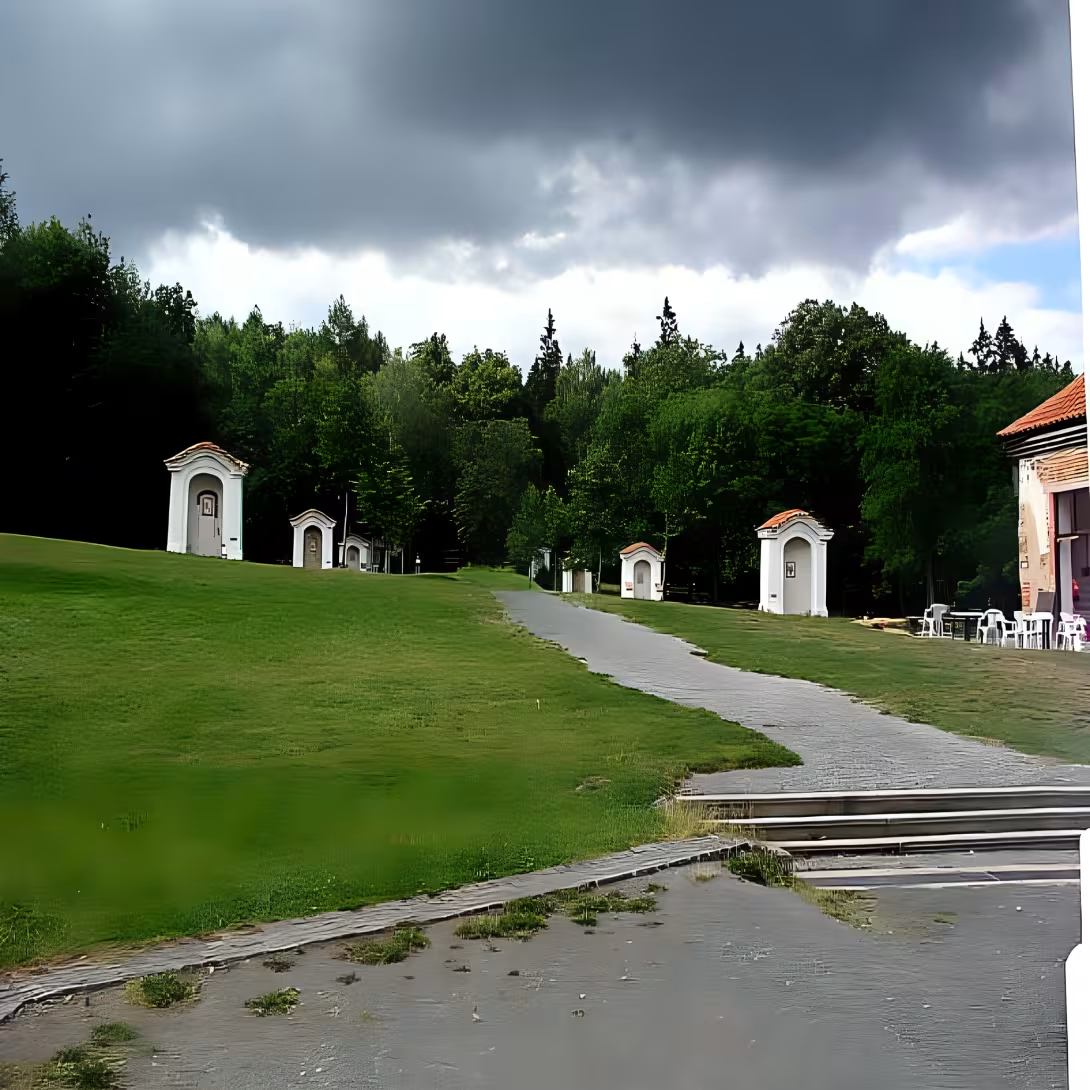
Barokní areál Skalka is a unique cultural heritage site located in Mníšek pod Brdy, about 27 km southwest of Prague. This Baroque complex, established in the late 17th century, includes a chapel dedicated to St. Mary Magdalene, remnants of a former monastery, a hermitage (recollet house), and a Stations of the Cross with 14 stops. Recognized for its architectural beauty and historical significance, it reflects Kryštof Dientzenhofer's influence, inspired by the chapel in La Sainte Baume, France. The site has been designated as a cultural monument since 1958.
The origins of Barokní areál Skalka trace back to the late 17th century when Servác Ignác Engel z Engelsflussu commissioned its construction following a devastating plague that affected his family. Built on a rocky outcrop known as Rochota nad Mníškem, Kryštof Dientzenhofer led the architectural design between 1692 and 1693. Although initially intended for Benedictine monks, ecclesiastical disapproval prevented this plan from materializing. Instead, the Franciscan order took over in 1762 after a prolonged negotiation process led by hraběnka Benedikta Čejková z Olbramovic.
Architecturally, Barokní areál Skalka stands out for its Baroque style, characterized by an elliptical sanctuary and a square tower. The chapel's interior was designed to mimic a cave, featuring granite pebbles on the floor and stalactites hanging from walls and ceilings. Renowned artists such as Jan Bendl and Karel Škréta contributed to its decoration, enhancing its artistic value. A significant fresco by Petr Brandl depicting St. Mary Magdalene was originally located in the monastery refectory but was later relocated to the church.
Ownership of Barokní areál Skalka has changed hands several times throughout history. After Engel's death in 1704 without realizing his vision, Ignáci Karlu Engelu z Engelsflussu also failed to establish a Benedictine presence. The Franciscan order assumed control on October 12, 1762, revitalizing the site with necessary repairs and additions like the Stations of the Cross. In 1925, due to financial constraints faced by the Franciscans, Náboženská matice took over management. A major restoration in 1947, costing over one million korun, addressed significant structural issues caused by nearby mining activities.
Today, Barokní areál Skalka remains a notable pilgrimage destination and tourist attraction. Despite challenges such as subsidence from underground mining that led to extensive repairs, the site has been preserved for its historical and cultural significance. Visitors can explore the picturesque setting of the rocky outcrop, enjoy the architectural splendor of the chapel, and reflect on the artistic contributions within. The area is accessible via marked hiking trails, offering scenic views of the surrounding countryside.
Barokní areál Skalka stands as a testament to the rich Baroque heritage of Bohemia, inviting visitors to appreciate its historical depth and architectural beauty. Its preservation allows for an immersive experience into a significant period of cultural development in Europe. Whether drawn by history or architecture, this site offers a compelling glimpse into the past, making it well worth a visit.
Then and now
Drag the slider to compare how the landmark may have looked when it was built with the view today.
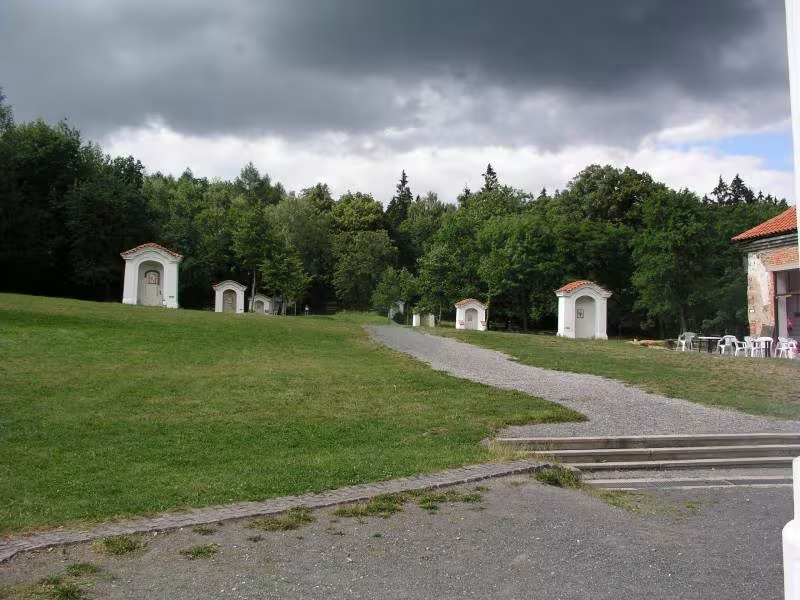
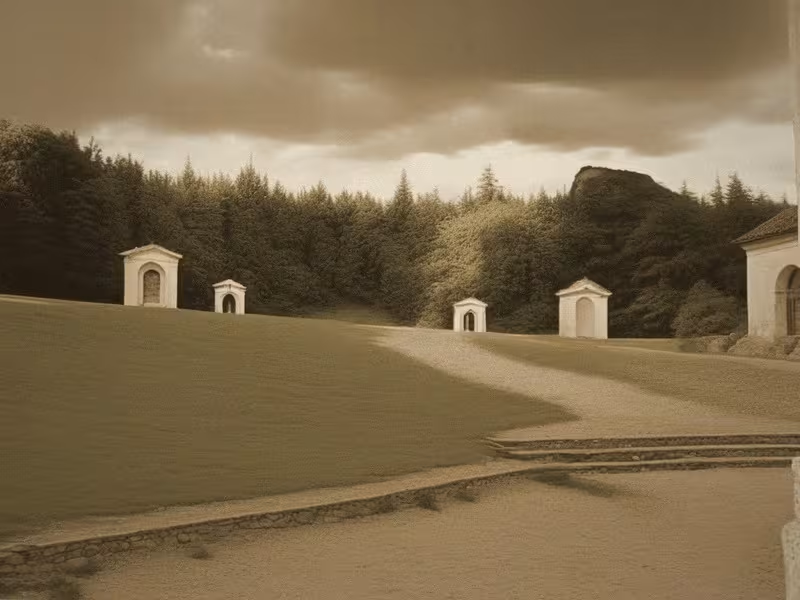
The historical appearance on the left is an AI-generated visualisation and serves as inspiration only.
Historical milestones
- konec 17. století
- Založení barokního areálu Skalka po moru
- 1692
- Návrh Kryštofa Dientzenhofera pro stavbu
- 1693
- Dokončení návrhu a začátek výstavby
- 1704
- Úmrtí Serváce Ignáce Engela z Engelsflussu
- 1762
- Převzetí Francouzskými rekolektisty
- 1958
- Oznámení jako kulturní památka
Architectural development
Barokní areál Skalka's architectural development began with the construction of a chapel and monastery by Kryštof Dientzenhofer between 1692 and 1693. The interior was designed to resemble a cave, featuring granite pebbles on the floor and stalactites from walls and ceilings. Notable artists like Jan Bendl and Karel Škréta contributed to its decoration. Despite initial plans for Benedictine monks, the Franciscan order eventually took over in 1762.
Historical events
Construction completed between 1692 and 1693.
The Franciscan order took over in 1762 after a long negotiation process.
Major restoration was conducted in 1947, costing over one million korun.
Owners
Servác Ignác Engel z Engelsflussu (late 17th century)
Ignáci Karlu Engelu z Engelsflussu
Františkánský řád (from October 12, 1762)
Náboženská matice (post-1925)
Points of interest
- The site's design was inspired by the chapel in La Sainte Baume, France, showcasing a unique blend of local and international Baroque influences.
- Initially intended for Benedictine monks, ecclesiastical disapproval led to its eventual occupation by the Franciscan order after a prolonged negotiation process initiated by hraběnka Benedikta Čejková z Olbramovic in 1762.
- The chapel's interior was designed to mimic a cave, featuring granite pebbles on the floor and stalactites hanging from walls and ceilings, creating an immersive spiritual atmosphere.
Guide
This guide is narrated by a synthetic voice generated by artificial intelligence.
Show guide text
This text was created by artificial intelligence and has not been editorially reviewed. It may contain inaccuracies.
Welcome to the enchanting Barokní areál Skalka, a gem nestled in the heart of Mníšek pod Brdy. As you stand here, surrounded by the serene landscape, take a moment to absorb the profound sense of history and spirituality that permeates this site. Before you lies an architectural marvel—a testament to resilience and faith—where Baroque elegance meets historical depth.
The story of Skalka begins in the late 17th century, following the devastating impact of the plague. In 1692, inspired by a chapel in La Sainte Baume, France, Kryštof Dientzenhofer was commissioned to design this sacred space. By 1693, his visionary plans were underway, marking the start of an ambitious project that would unfold over the next decade.
As you gaze upon the structures before you, notice the intricate details that define Baroque architecture—ornate facades and harmonious proportions that invite contemplation. The chapel dedicated to St. Mary Magdalene stands as a focal point, its design echoing Dientzenhofer's original vision while reflecting local influences.
This site is intertwined with notable historical figures. Servác Ignác Engel z Engelsflussu played a pivotal role in the early development of Skalka until his untimely death in 1704. Artists like Jan Bendl, Karel Škréta, Jan Brokoff, and Petr Brandl contributed their talents, leaving an indelible mark on its artistic legacy.
A captivating aspect of Skalka is its intended purpose for Benedictine monks—a plan that never came to fruition due to ecclesiastical disapproval. Instead, the Franciscan order eventually took over in 1762, adding another layer to its storied past.
As you explore further, discover the Stations of the Cross with its 14 stops, each inviting reflection and introspection. The hermitage, once a recollet house, whispers tales of solitude and devotion.
We invite you to delve deeper into this remarkable site, where every corner holds stories waiting to be uncovered. Thank you for joining us on this journey through time at Barokní areál Skalka. May your visit inspire and move you in ways you never expected.
Tips for visitors
The best time to visit Barokní areál Skalka is during the late spring or early autumn months, from May to September. During these periods, the weather is typically mild and pleasant, allowing visitors to fully enjoy the natural beauty of the surrounding landscapes without the discomfort of extreme heat or cold. Additionally, visiting in these seasons avoids the potential for overcrowding that can occur during peak summer holidays, providing a more serene experience.
Parking and transportation options are convenient for those planning to visit Barokní areál Skalka. There is parking available near the site, which makes it accessible by car. For visitors preferring public transport, the area can be reached using local bus services; however, specific routes should be checked in advance through a travel planner or local information center. The marked hiking trail leading to the site offers an alternative way to reach the areál on foot for those who enjoy walking.
When visiting Barokní areál Skalka, it is advisable to bring comfortable walking shoes as there are several trails and steps involved in reaching the chapel and exploring the area. Additionally, consider bringing a hat and sunscreen due to the exposure of the rocky outcrop to sunlight. A camera or smartphone for capturing photos is recommended, especially if you plan on photographing the stunning views of the surrounding countryside.
For photography enthusiasts, some of the best spots at Barokní areál Skalka include the viewpoint overlooking Mníšek and the area around the Baroque chapel dedicated to St. Mary Magdalene. Early morning or late afternoon light is ideal for capturing the natural beauty and architectural details with soft shadows and warm tones. The rocky outcrop provides a dramatic backdrop that enhances both landscape and architectural photography.
Nearby attractions within a 30-minute drive include the Brdy National Nature Reserve, which offers hiking trails through diverse landscapes including forests and meadows. Another nearby destination is the historical town of Kostelec nad Černými lesy, known for its charming architecture and cultural sites. These locations provide additional opportunities for exploration and enjoyment during your visit to Barokní areál Skalka.
For families with children, Barokní areál Skalka offers a pleasant outing with plenty of space for kids to explore safely. The hiking trails can be enjoyable for older children who are interested in walking and exploring nature. Parents should ensure that younger children have appropriate footwear and possibly bring along snacks or a picnic lunch as there are scenic spots suitable for a family meal. Engaging children with stories about the historical significance of the site may also enhance their experience.
Businesses nearby
Events nearby


Zdroj akcí: otevřená data měst a obcí ČR (Národní katalog otevřených dat) a kalendář akcí Národního památkového ústavu.
Nearby
Barokní areál Skalka is situated on a rocky outcrop overlooking Mníšek, surrounded by natural landscapes that enhance its picturesque setting. The area includes a marked hiking trail and offers views of the surrounding countryside.
Accommodation nearby
Trips and activities nearby
Guided tours, tickets and activities nearby from GetYourGuide
Affiliate link: if you buy from the partner, we may receive a commission. The price for you does not change.
Search tours and activities →Themed route
Thematic Walking Tour: Baroque Complex Skalka
1. Barokní areál Skalka (Monastery) *Type:* Historical Site *Why Visit:* Begin your journey at the heart of this stunning baroque complex, perched on a rocky outcrop with breathtaking views over Mníšek. The monastery is renowned for its architectural beauty and historical significance, offering visitors a glimpse into the past through its well-preserved structures.
2. Hiking Trail *Type:* Nature Trail *Why Visit:* After exploring the baroque architecture of Skalka, embark on the marked hiking trail that winds around the area. This trail not only provides an opportunity to enjoy the natural landscapes but also offers panoramic views of the surrounding countryside, making it a perfect spot for nature lovers and photography enthusiasts.
3. Rock Outcrop Views *Type:* Scenic Spot *Why Visit:* As you continue along the hiking trail, take time to stop at various vantage points on the rocky outcrops. These spots offer some of the most picturesque views in the region, allowing visitors to appreciate the unique geological formations and the serene beauty of the landscape.
4. Return to Barokní areál Skalka *Type:* Historical Site *Why Visit:* Conclude your tour by returning to the baroque complex. Consider visiting any areas you may have missed initially or simply take a moment to reflect on the day's experiences amidst the tranquil surroundings of this historical gem.
This thematic walking tour offers an enriching blend of history, architecture, and nature, making it a perfect excursion for those interested in exploring the cultural and natural beauty of Mníšek pod Brdy.
Seasonal recommendations
Spring: The Baroque complex of Skalka, nestled under the Brdy hills, comes alive with a vibrant palette of colors during spring. As nature awakens, cherry blossoms and wildflowers create a picturesque backdrop for your visit, enhancing the historical charm of the site. This season offers a mild climate perfect for leisurely exploration without the summer crowds. It's advisable to wear comfortable walking shoes and layers that can be adjusted with the fluctuating temperatures typical of spring mornings and afternoons.
Summer: Summer at Skalka is marked by lush greenery and longer daylight hours, providing ample time to explore the expansive grounds and enjoy outdoor activities. The warm weather invites visitors to relax in the serene gardens or participate in guided tours that delve into the rich history of the former monastery. However, this is also the peak tourist season, so it's wise to arrive early to avoid large crowds. Light, breathable clothing and sun protection are essential for a comfortable visit during these sunny months.
Autumn: Autumn transforms Skalka with a stunning display of warm hues as leaves turn golden and red, creating an enchanting atmosphere that complements the historical architecture. The cooler temperatures make it an ideal time to stroll through the grounds without the summer heat. This season often sees fewer visitors, allowing for a more peaceful experience. Dress in layers to accommodate the changing weather, and consider bringing a light jacket as evenings can be brisk.
Winter: In winter, Skalka offers a unique charm with its snow-covered landscapes that add a magical touch to the baroque architecture. The shorter days mean visiting hours are reduced, so plan your trip accordingly. While some areas may be less accessible due to weather conditions, the quiet and serene atmosphere provides an opportunity for reflection amidst the historical setting. Warm clothing, including hats and gloves, is essential, along with sturdy boots for navigating any icy paths.
Visualizations and artistic views


The visualisations are generated by artificial intelligence and serve as inspiration.
Photos from the area
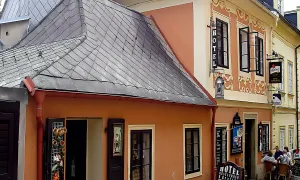
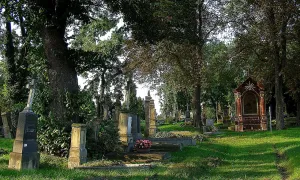
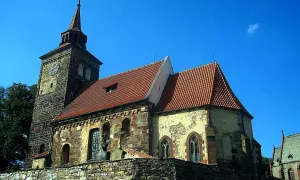
Real photos taken near the monument


Zdroj a licence jsou uvedeny u každého snímku.
Tips from visitors
No tips yet. Be the first!
Log in and add your tip.
Sources and literature
Fotografie: JAn Dudík at Czech Wikipedia / Public domain, rozlišení zvýšeno umělou inteligencí — Wikimedia Commons. The author and licence also appear when you hover over the image.
Faktickým podkladem tohoto textu byl článek na Wikipedii, jehož autory jsou přispěvatelé Wikipedie. Článek je dostupný pod licencí CC BY-SA 4.0.
Location on the map

Příběhy a pověsti
Legendy, pověsti a příběhy spjaté s touto památkou
Fotografie návštěvníků
Zatím žádné fotografie. Buďte první, kdo přidá fotografii z návštěvy!
Přihlaste se a přidejte svou fotografii nebo hodnoťte.
Za ověřenou návštěvu v aplikaci získáte víc bodů — poznáme podle GPS, že jste na místě.
Reviews and comments