






Biskupská rezidence v Plzni Bishop's residence
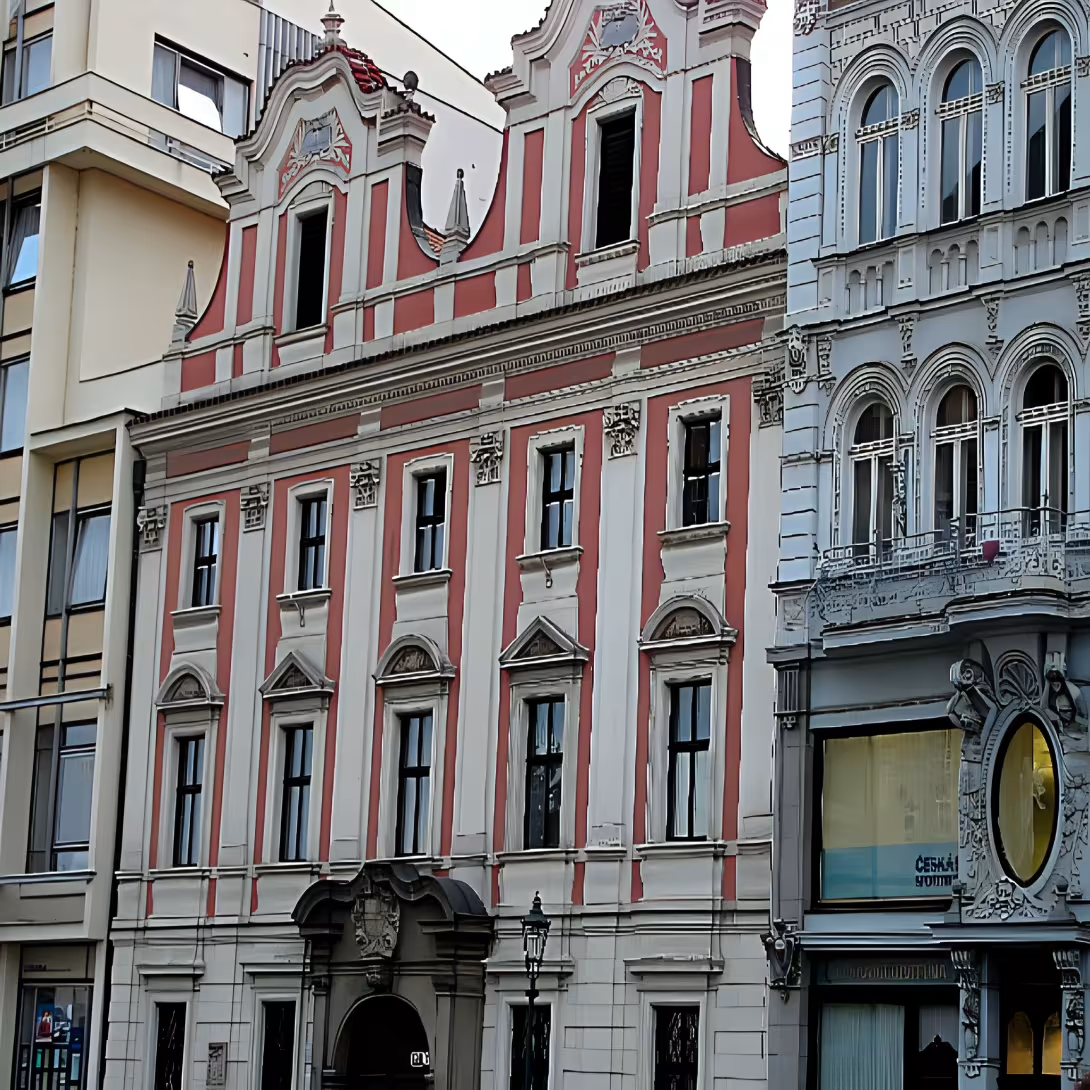
Biskupská rezidence v Plzni is located on No. 234 of Republic Square No. 35, on the west side of the square between the Red Heart House and the Central Hotel. The building is a valuable testament not only to the long continuity of church life in Pilsen, but also to how political and ideological changes survive individual institutions.
The original Gothic building was purchased in 1344 by vicar Reichlin for a commendation of German knights who performed parochial service in the city. This act created space for one of the important elements of the medieval city society - the German-speaking parish service. The vicar's residence has remained here for centuries. A significant milestone was 1564, when the property patronage moved from a private owner to a city. By doing so, the city had more control over an institution of public interest.
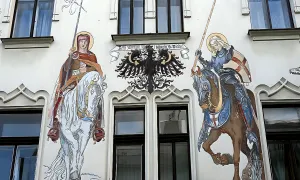
The building gained its appearance today thanks mainly to the Baroque style of 1710, which was realized by Jakub Auguston. It was at the time of the archdeacon residence in the house. The Baroque elements on the facade therefore gave the construction a representative form, which was necessary for its role as the seat of an important church function.
One remarkable fact is that the building remained the property of the Church and served its needs continuously despite all the social-political changes of the 20th century, regardless of regime changes. Since 1993, the house has a completely new content and meaning - it becomes the seat of the newly established Pilsen diocese, which coordinates pastoral and administrative activities. The building is registered as a cultural monument of the Czech Republic, which ensures its protection and respect for its cultural and historical value. The residence thus continues the tradition of more than 680 years old mission - to be home to the church administration of Pilsen.
Then and now
Drag the slider to compare how the landmark may have looked when it was built with the view today.
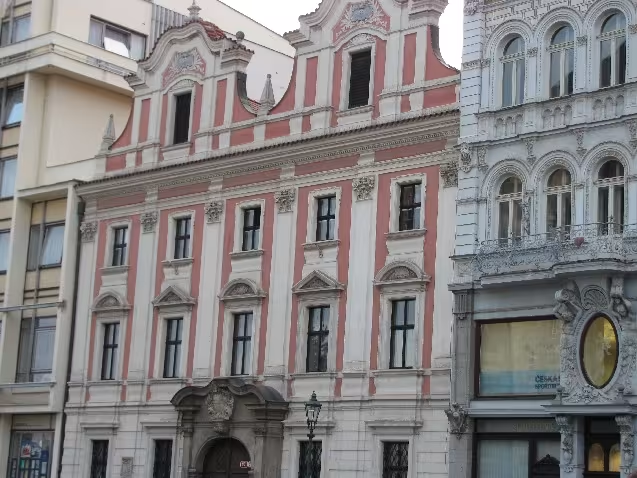

The historical appearance on the left is an AI-generated visualisation and serves as inspiration only.
Historical milestones
- 1344
- The purchase of the house by vicar Reichlin for commendation of German knights
- 1564
- Patronage over the building took over the city Plzeň
- 1710
- Baroque adjustment of the building facade
- 1993
- New Plzeň diocese headquarters
Architectural development
The original Gothic building was rebuilt in the 18th century. James Auguston's work has created a valuable baroque facade. The interior contains valuable stucco and painting decoration from the first quarter of the 18th century.
Historical events
1344: The purchase of the house by the priest Reichlin for the commendation of German knights. 1564: The patronage of the building was taken over by the city of Plzeň. 1710: Baroque adjustment of the front of the building. 1993: The seat of the newly established Pilsen diocese.
Owners
Pastor Reichlin (1344), German commenda, city Plzeň (from 1564), Pilsen diocese (from 1993).
Points of interest
- Biskupská rezidence v Plzni is a valuable testament to the long continuity of church life and the survival of institutions through political and ideological changes. - The original Gothic building was purchased in 1344 by vicar Reichlin for the commendation of German knights, which was important for medieval urban society. - A significant milestone was the crossing of the patronage of real estate to the city in 1564, which allowed the city more control over an institution of public interest. - The Baroque treatment of 1710, implemented by Jakub Auguston, added a representative form to the building's role as a seat of important church functions. - The building remained the property of the Church and served its needs continuously despite all the social-political changes of the 20th century, regardless of regime changes.
Guide
This guide is narrated by a synthetic voice generated by artificial intelligence.
Show guide text
This text was created by artificial intelligence and has not been editorially reviewed. It may contain inaccuracies.
Welcome to the heart of Pilsen. You're standing in Republic Square, where the vibrant life of a modern city meets the silent whisper of centuries. In front of your eyes is an impressive building of the Bishop residence, which, by its presence, dominates this space. You may think it's just another historical object, but trust me, this palace is one of the most important witnesses to history that Plzeň has gone through. Feel the atmosphere, feel the weight of history that materializes in these walls. This building is not just a wall and a roof, it's a living story about perseverance, power changes, and the constant duration of something greater than individuals.
Let us now return to the past together to understand how everything began. Imagine the year thirty-four-twenty, the Middle Ages, when the rules of the city and society formed quite differently. This year, a vicar named Reichlin bought this house. His intention was not only to create an ordinary residence, but to secure a seat for a commendation of German knights. This was a crucial step at the time, affecting not only religious life, but also the overall social structure of the then urban society. From the very beginning, this building became a place where both spiritual and political interests met. Over time, however, the role of the building changed. In the year 15-4 above this construction was taken over by the city of Plzeň, indicating how closely the institution was linked to the fate of the city itself and its administration.
Now pay attention to the very form of the building you are currently observing. Although at first glance it seems very harmonious, its architecture is like a layered book that we have to read. Its foundations and its original core are deeply Gothic. If you try to perceive the structure of the building, you'll feel the ancient, medieval fortress. But what you are seeing right now is the result of a fundamental transformation that came only much later. In the eighteenth century, the face of the residence changed completely. As part of the great Baroque reconstruction, the building was newly defined in order to match the time of grandeur and monumentality. The main architect of this transformation was Jakub Auguston, younger. It was by his hand that the Baroque facade was completed in 17-10, which you can now see before you. This modification gave the building the characteristic, representative look that you see in it, and it turned the medieval object into a palace that was able to move towards a new era.
When you look at these facades, think of the people who lived here and made decisions. The figure of priest Reichlin, who started everything, is just the beginning. The entire history of this place is linked by figures who sought stability in it. What is truly special about the Bishop residence is not only its beauty, but its incredible continuity. This building has been the seat of church officials since the 14th century. Over hundreds of years, despite various political regimes, despite the turbulent period of changes in ideologies and political systems, this institution has lasted here. She was able to survive everything that was going on in Pilsen, and she remained a fixed point. This ability to survive is quite rare in history. It is proof that certain structures have the ability to adapt without losing their essence. This continuity was confirmed in modern times, when in the year one thousand nine hundred ninety-three a new Plzeň diocese was established here, making this place a very important spiritual centre again.
You may now wonder if there are any secrets hidden in these walls. Although there are no fairy tales, there is one fascinating thing that can impress anyone who stops. It's the invisible layer of time. Every modification made by Jakub Auguston Jr., every change in the patronage, every new function that the building has adopted has left a mark in its stones. This residence is like a mirror that reflects political and social changes throughout the region. It's a place where the old and the new, where gothic rigor met baroque richness. This constant transformation, while preserving its original purpose, is the biggest secret this palace has to offer - the secret of its existence in a rapidly changing world.
I hope this brief insight into history has helped you better understand the importance of this place. The Bishop residence is not just a beautiful building in the square, it is a symbol of stability and the connection between the past and the present. Now that you know more about its Gothic roots, baroque face and the importance of its inhabitants, I suggest you continue your walk around Republic Square. Take a look at the other details of the surrounding architecture and try to find a reflection of the history we have just discussed in each other's stone. I wish you the rest of the day and enjoy all the beauty of Pilsen. Goodbye.
Frequently asked questions
Is Biskupská rezidence v Plzni open to the public?
Yes, the Bishop residence is open to the public during the opening hours. Visitors can see the interiors and outside facade of the building.
How do I get to the place by car / public transport?
Parking is possible in nearby parking lots or in the nearby city centre. We recommend using public transport such as buses or trains that stop near the residence.
How much is the entrance fee and is it paid on the spot?
Payment is made on the spot at the cash register.
Is the tour suitable for children and seniors?
A tour of the Bishop residence is suitable for children from 6 years of age and seniors who are physically healthy and can move up stairs and platforms.
How long does the tour take?
The tour of the Bishop residence takes approximately 1-2 hours, depending on the speed of visitors and their interest in individual parts of the building.
What are the opening times and booking is required?
The bishop's residence is open to the public from 9: 00 to 5: 00, except Monday. Reservation is not necessary, but it is recommended for groups over 10 people.
What's interesting in the immediate vicinity?
The Plzeň Castle and the Cathedral of St. Bartholomew are located near the Bishop residence. We recommend visiting these two sights during one visit so that visitors can see the historical centre of Pilsen.
For kids
Imagine going back to the past. The place where the modern city of Plzeň today stands was a small town full of wooden houses and adjacent forests. And here, in the heart of the city, stood a beautiful castle, which was the seat of the bishop.
Who lived here? Bishop! He was an important man who managed the church in and around town. He lived in the castle with his family and servants. They all took care of the house, the garden and the animals in the courtyard.
Businesses nearby
Do you run a restaurant, accommodation, shop, museum, rental, wellness or other visitor service near this monument? Show yourself directly to the people heading to it — this is how they will see you in the app and on the web:
Events nearby

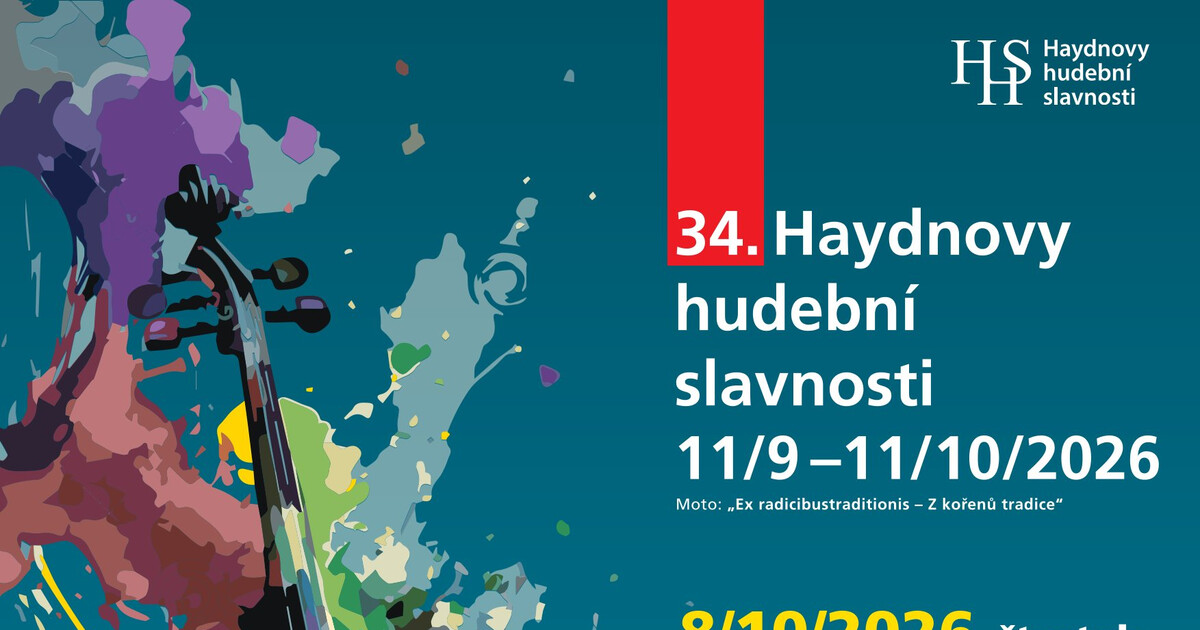
Zdroj akcí: otevřená data měst a obcí ČR (Národní katalog otevřených dat) a kalendář akcí Národního památkového ústavu.
Nearby
Republic Square, Central Hotel and Red Heart House.
Accommodation nearby
Trips and activities nearby
Guided tours, tickets and activities nearby from GetYourGuide
Affiliate link: if you buy from the partner, we may receive a commission. The price for you does not change.
Search tours and activities →Themed route
Thematic cruise route from the Bishop's residence in Pilsen
1. Bishop residence (palace) * Type: * Historical landmark * Why is it worth a visit: * This Baroque palace is one of the most famous buildings in Pilsen and served as the seat of the bishops. Its architecture, interiors with rich stucco and historical decoration offer a view into the past of the city.
2. The Square of the Republic * Type: * Historical Square * Why is it worth a visit: * Located directly opposite the Bishop residence and is the center of the city. The square with its historic buildings, such as the Town Hall, offers a beautiful atmosphere for walking and exploring the history of Pilsen.
3. Hotel Central * Type: * Historical hotel * Why is it worth a visit: * This elegant hotel, built in 1904, is one of the oldest and most prestigious hotel buildings in Pilsen. Its history and architecture attract visitors and locals.
4. House At the Red Heart * Type: * Historical House * Why is it worth visiting: * This Baroque Renaissance House is one of the oldest houses in the Republic Square. Its important architecture and history, associated with local legends, makes it an interesting place to visit.
This route offers a look into Pilsen's rich heritage through its historical monuments and architecture, allowing a deeper understanding of local culture and history.
Seasonal recommendations
Spring: During the spring season Biskupská rezidence v Plzni receives unique lighting, when the sun rays form a beautiful game with architectural elements of the palace. It blooms nature around the sights and green meadow creates a quiet atmosphere that is ideal for a relaxing walk around. Visitors are advised to wear light clothes with the possibility to add a layer depending on temperature. The best time to visit is in the afternoon when the sun illuminates the palace and crowds is not too much.
Summer: During the summer season Biskupská rezidence v Plzni takes up life thanks to the long hours of the day that allow a detailed tour of the palace. Sun noon can be overheated, so it is advisable to visit in the early morning or late afternoon. In addition, it is recommended to bring a protective sun tie and plenty of drinks. This season you can expect more visitors, especially in days with good weather, so it is better to come early.
Autumn: Autumn season offers the Bishop residence in Pilsen a wonderful colour of leafy trees around the palace and mild temperatures that are ideal for a long walk. Sunshine days mix with colder weather, so it is advisable to wear layered clothes. The atmosphere is calm and often there are not too many visitors, which allows a comfortable exploration of the sights. The best time to visit is an early afternoon, when the autumn sun is still warm.
Winter: In winter months Biskupská rezidence v Plzni becomes magical atmosphere, especially during snow days. Hot clothes are necessary and are recommended to visit in the morning because the palace can close briefly due to winter conditions. Winter light provides a unique lighting architecture and often the place is quieter, which allows you to think more intensively about the history of the monument.
Visualizations and artistic views


The visualisations are generated by artificial intelligence and serve as inspiration.
Photos from the area
Real photos taken near the monument

Zdroj a licence jsou uvedeny u každého snímku.
Atmosphere of the place
This atmospheric visualisation of the place and period was generated by artificial intelligence. It is not real footage of the location.
Tips from visitors
No tips yet. Be the first!
Log in and add your tip.
Sources and literature
Fotografie: JiriMatejicek / CC BY-SA 4.0, rozlišení zvýšeno umělou inteligencí — Wikimedia Commons. The author and licence also appear when you hover over the image.
Faktickým podkladem tohoto textu byl článek na Wikipedii, jehož autory jsou přispěvatelé Wikipedie. Článek je dostupný pod licencí CC BY-SA 4.0.
Location on the map
More monuments – Plzeň
Show all in the municipality

Příběhy a pověsti
Legendy, pověsti a příběhy spjaté s touto památkou
Fotografie návštěvníků
Zatím žádné fotografie. Buďte první, kdo přidá fotografii z návštěvy!
Přihlaste se a přidejte svou fotografii nebo hodnoťte.
Za ověřenou návštěvu v aplikaci získáte víc bodů — poznáme podle GPS, že jste na místě.
Reviews and comments