






boží muka (Tichá) Wayside shrine
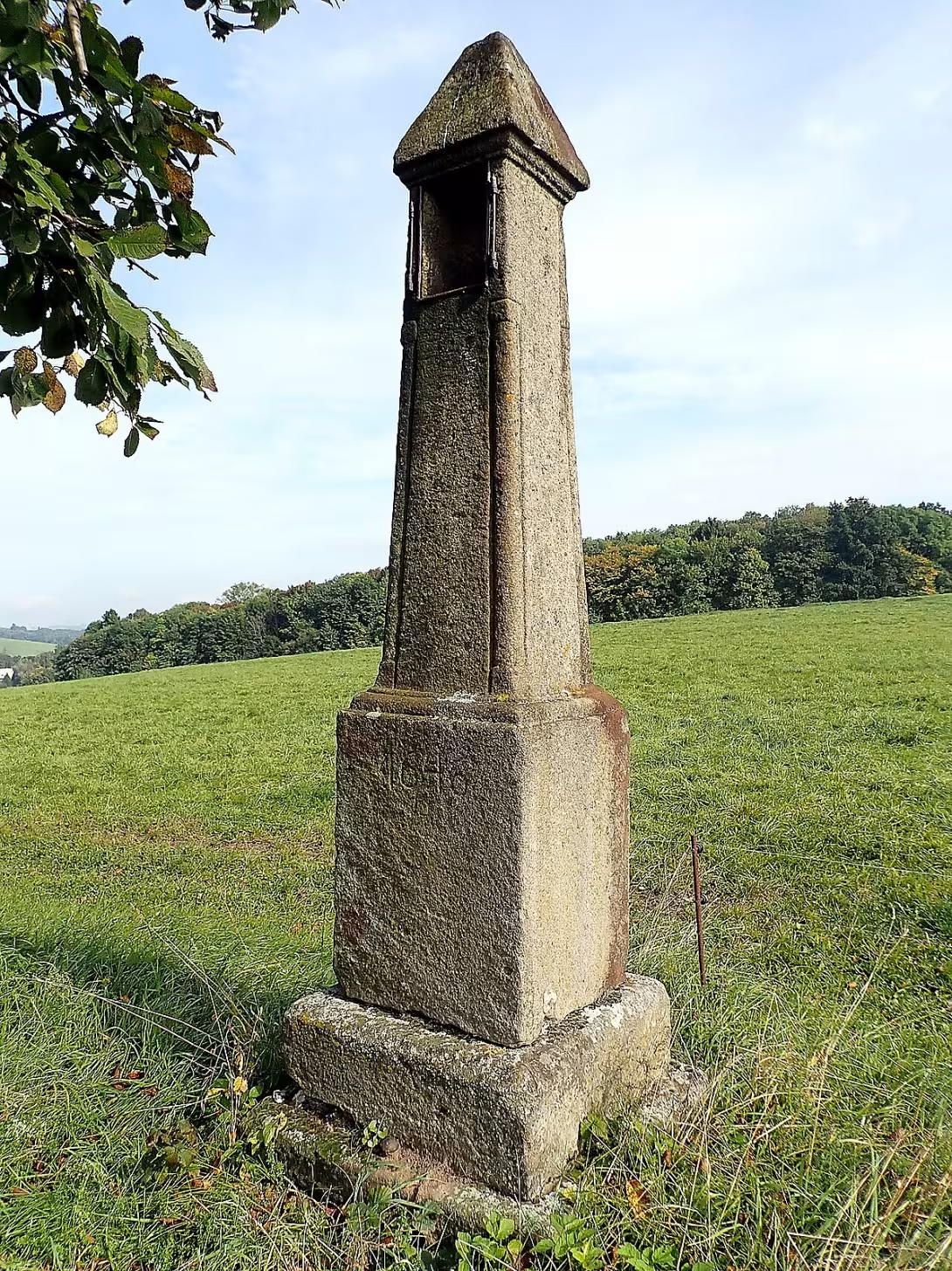
The Boží muka in Tichá stands as a poignant cultural monument near Frenštát pod Radhoštěm in Moravia-Silesia's Nový Jičín District. Erected in 1646, it commemorates those who perished during the devastating plague that swept through the region. Its significance lies not only in its historical context but also in its architectural form, serving as a lasting tribute to the epidemic's impact on local communities.
Constructed in response to the widespread devastation caused by the plague, this monument reflects the mid-17th century when Europe, including Bohemia, faced the Thirty Years' War. During this period, numerous memorials were erected across the region to honor those who succumbed to the disease. The Boží muka in Tichá is one such testament, marking collective memory and reminding us of the resilience of its people.
Architecturally, the Boží muka features a pillar-like design crafted from sandstone. It has a pyramidal dřík with rounded corners and vertical lines, topped by a tent-like roof. The structure stands on a stepped base that includes an inscribed date of 1646, adding to its historical significance. A niche on the front side further distinguishes this monument, enhancing its visual appeal while maintaining its solemn purpose.
Throughout history, specific details about ownership or dramatic changes in administration are not documented for this Boží muka. However, its enduring presence as a cultural landmark underscores its importance within the community and beyond. The monument has remained a focal point of remembrance, reflecting the historical narrative of the region without undergoing significant alterations that might obscure its original intent.
Today, the Boží muka in Tichá stands as an accessible site for visitors interested in exploring Moravia-Silesia's rich history. Its location near Frenštát pod Radhoštěm makes it a convenient stop for travelers through the area, offering insights into the past and the enduring legacy of communities affected by historical events such as the plague. The monument's preservation allows visitors to connect with the region's history in a tangible way.
Visiting the Boží muka provides an opportunity to reflect on human societies' resilience in the face of adversity. Its presence serves as a reminder of the past while inviting contemporary audiences to appreciate the historical and cultural narratives it embodies. For those interested in exploring European history, this monument offers a meaningful experience that is both educational and reflective.
Then and now
Drag the slider to compare how the landmark may have looked when it was built with the view today.
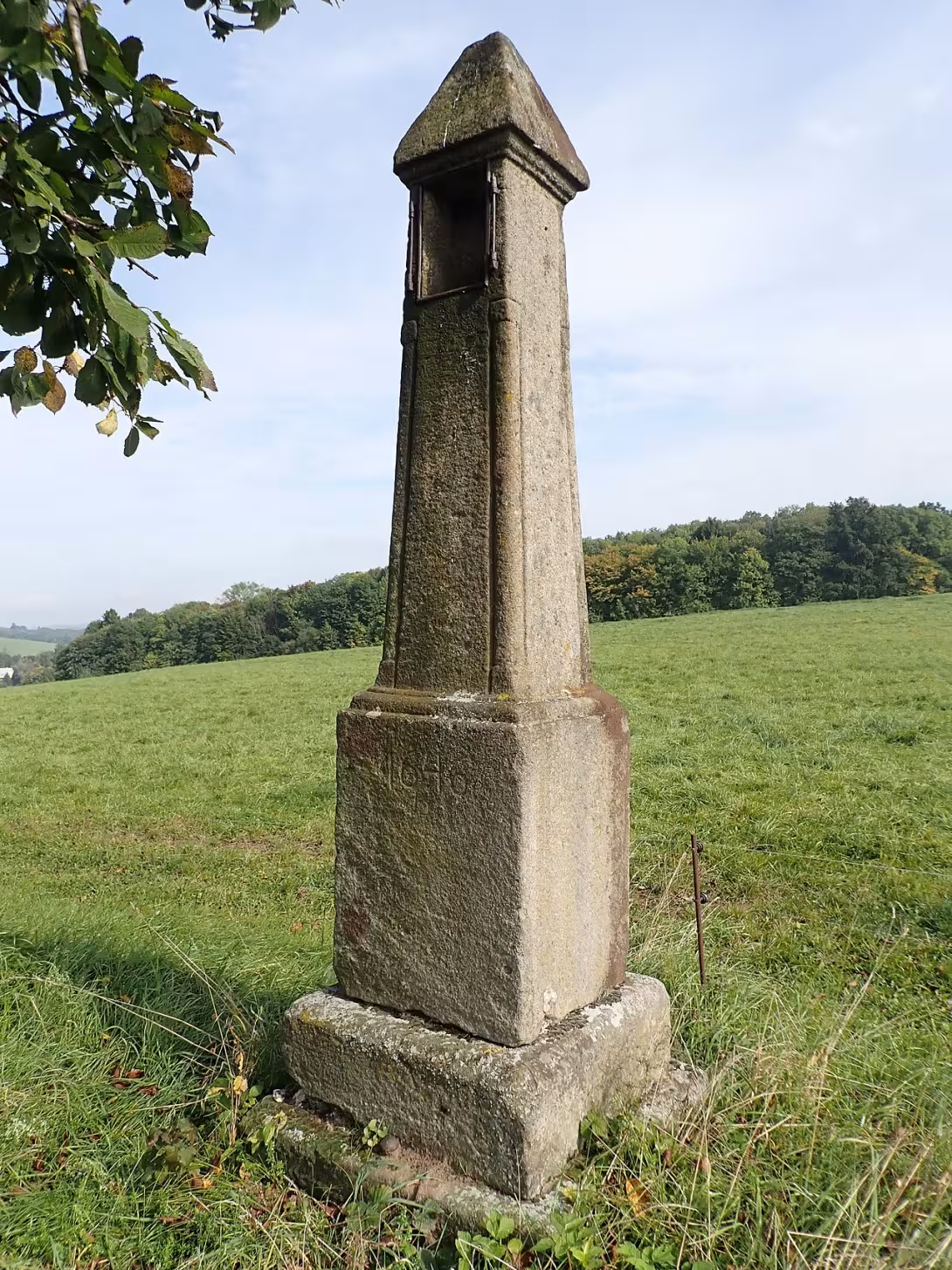

The historical appearance on the left is an AI-generated visualisation and serves as inspiration only.
Historical milestones
- 1646
- Boží muka in Tichá erected to commemorate plague victims.
- kolem 1618-1648
- Thirty Years' War context for the monument's significance.
Architectural development
The Boží muka is constructed from sandstone, featuring a pyramidal dřík with rounded corners and vertical lines. The structure includes a niche on its front side and is topped with a tent-like roof. It stands on a stepped base with an inscribed date of 1646.
Historical events
1646: Constructed as a memorial for those who perished during the plague.
Guide
This guide is narrated by a synthetic voice generated by artificial intelligence.
Show guide text
This text was created by artificial intelligence and has not been editorially reviewed. It may contain inaccuracies.
Welcome to the Boží muka in Tichá, a remarkable cultural monument nestled near Frenštát pod Radhoštěm. As you stand here, take a moment to absorb your surroundings—a testament to resilience and remembrance. This pillar-like structure, crafted from sandstone, rises before you with its distinctive pyramidal dřík adorned by rounded corners and vertical lines, inviting contemplation of the past.
Erected in 1646, this monument stands as a poignant memorial to those who perished during a devastating plague that swept through the region. Its creation was influenced by the broader context of the Thirty Years' War (circa 1618-1648), yet its dedication is unique. Unlike many Boží muka monuments commemorating victims of both war and disease, this one honors solely those who succumbed to a specific plague outbreak, highlighting the local impact rather than the wider conflicts.
As you gaze upon it now, notice how the sandstone's texture catches the light, emphasizing its architectural elegance. The niche on the front side adds depth and intrigue, beckoning you closer. While many might overlook these subtleties, they are integral to understanding the monument’s historical narrative.
Though no specific architects or historical figures are known for this Boží muka, it stands as a silent witness to the stories of countless unnamed individuals who lived through those tumultuous times. Their lives and sacrifices echo in its enduring presence.
A fascinating aspect of this site is its singular dedication to plague victims, setting it apart from other monuments that often commemorate broader conflicts or multiple tragedies. This specificity underscores the profound local impact of the epidemic, inviting reflection on how communities come together in the face of adversity.
As you prepare to continue your journey through Tichá, take a moment to reflect on this monument's story and its place within the tapestry of history. We invite you to explore further, discovering more about the rich heritage that surrounds you. Thank you for joining us today; may your exploration be enlightening and inspiring.
Frequently asked questions
Can the monument be visited?
This is a structure in a public space that can usually be seen from outside free of charge. We have not verified that this particular one is freely accessible.
Where is the monument?
Location: Tichá, Moravskoslezský kraj. The map on this page shows the exact spot.
Why is the monument protected?
It is listed in the Central List of Cultural Monuments of the Czech Republic as a cultural monument (register no. 1000158255).
Businesses nearby
Do you run a restaurant, accommodation, shop, museum, rental, wellness or other visitor service near this monument? Show yourself directly to the people heading to it — this is how they will see you in the app and on the web:
Nearby
The Boží muka is situated near Frenštát pod Radhoštěm, accessible via a road leading to this town in the Nový Jičín District. The surrounding landscape includes typical Moravian-Silesian features.
Accommodation nearby
Themed route
Tematická výletní trasa kolem Boží muky (Tichá)
1. Boží muka (Tichá) - Typ: Historická památka - Proč stojí za návštěvu: Tato bohatě zdobená Boží muka je ikonickým symbolem obce Tichá a představuje významnou část kulturního dědictví Moravy. Její historie sahá do 18. století, kdy byla postavena jako památka na tragédii způsobenou povodními a hladomorem.
2. Frenštát pod Radhoštěm - Typ: Město - Proč stojí za návštěvu: Frenštát pod Radhoštěm, ležící nedaleko Boží muky (Tichá), nabízí bohatou historii a kulturu. Je známý svými výrobními závodníky na hudební nástroje a poutníkem, Radhoštěm, což přitahuje mnoho návštěvníků každoročně. Prozkoumejte historické centrum a užijte si atmosféru tohoto klidného města.
3. Moravskoslezský kraj - Typ: Region - Proč stojí za návštěvu: Tato oblast nabízí typické moravsko-slezské kraje, které jsou charakteristické svou přírodní krásou a kulturním bohatstvím. Prozkoumání tohoto regionu poskytuje hlubší pochopení historie a kultury oblasti kolem Boží muky (Tichá), což z ní činí ideální začátek pro tuto tematickou trasu.
4. Nový Jičín - Typ: Město - Proč stojí za návštěvu: Nový Jičín, nedaleko Frenštátu pod Radhoštěm, je dalším zajímavým místem na této trase. Je známý svou historií a architekturou, včetně staroměstské čtvrti s jejími středověkými ulicemi a barokními domy. Navštívte místní muzea nebo procházky po historických místech, abyste objevili více o regionálním dědictví.
Tato trasa nabízí kombinaci kulturního a historického objevování, začínající od samotné Boží muky (Tichá) a rozšiřující se do okolních zajímavostí v Moravskoslezském kraji.
Seasonal recommendations
Spring: Visiting the Tichá Boží Muka during spring offers a serene experience as nature awakens with vibrant blooms and fresh greenery, creating a picturesque backdrop for this historic site. The gentle warmth of the season allows for comfortable exploration without the need for heavy clothing, though a light jacket might be useful in the evenings. Spring is generally less crowded than summer, making it an ideal time to enjoy the tranquility of the area. Early morning visits can provide the best lighting and atmosphere, capturing the site bathed in soft sunlight as mist lingers over the landscape.
Summer: The Tichá Boží Muka is particularly enchanting during summer when long daylight hours extend your visit into the evening, allowing you to appreciate its beauty under a starry sky. This period often sees higher visitor numbers due to the favorable weather and school holidays, so arriving early in the day can help avoid larger crowds. Light clothing is recommended to stay comfortable amidst the warmth, and carrying water is advisable for hydration during your exploration of this historic landmark.
Autumn: Autumn at Tichá Boží Muka transforms the site into a tapestry of warm colors as leaves change from green to shades of red, orange, and yellow. The cooler temperatures make it an ideal time for walking without the discomfort of summer heat, though layers are recommended due to variable weather conditions. This season is less crowded than summer, offering a peaceful environment to appreciate the historical significance of the site amidst the natural beauty of fall foliage.
Winter: Winter brings a unique charm to Tichá Boží Muka with its serene, snow-covered landscape that can create a magical atmosphere around the historic site. Visitors should dress warmly in layers and wear waterproof boots for comfort during exploration, as temperatures can be quite cold, especially in the mornings and evenings. While winter might see fewer visitors due to shorter days and colder weather, it provides an opportunity to experience the site with minimal crowds and enjoy its quiet beauty under a blanket of snow.
Visualizations and artistic views


The visualisations are generated by artificial intelligence and serve as inspiration.
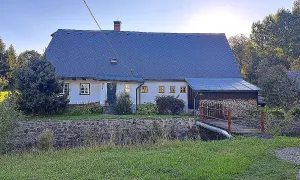
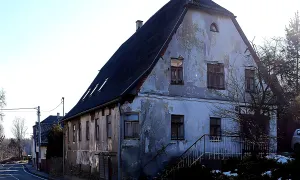
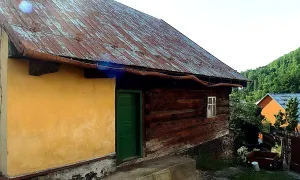
Photos from the area
Real photos taken near the monument

Zdroj a licence jsou uvedeny u každého snímku.
Tips from visitors
No tips yet. Be the first!
Log in and add your tip.
Sources and literature
Photos: DurMar12 / CC BY-SA 4.0 — Wikimedia Commons. The author and licence also appear when you hover over the image.
Faktickým podkladem tohoto textu byl článek na Wikipedii, jehož autory jsou přispěvatelé Wikipedie. Článek je dostupný pod licencí CC BY-SA 4.0.
Location on the map

Příběhy a pověsti
Legendy, pověsti a příběhy spjaté s touto památkou

Fotografie návštěvníků
Zatím žádné fotografie. Buďte první, kdo přidá fotografii z návštěvy!
Log in a přidejte svou fotografii nebo hodnoťte.
Za ověřenou návštěvu v aplikaci získáte víc bodů — poznáme podle GPS, že jste na místě.
Reviews and comments