



Kostel svatého Mikuláše (Tichá) Church
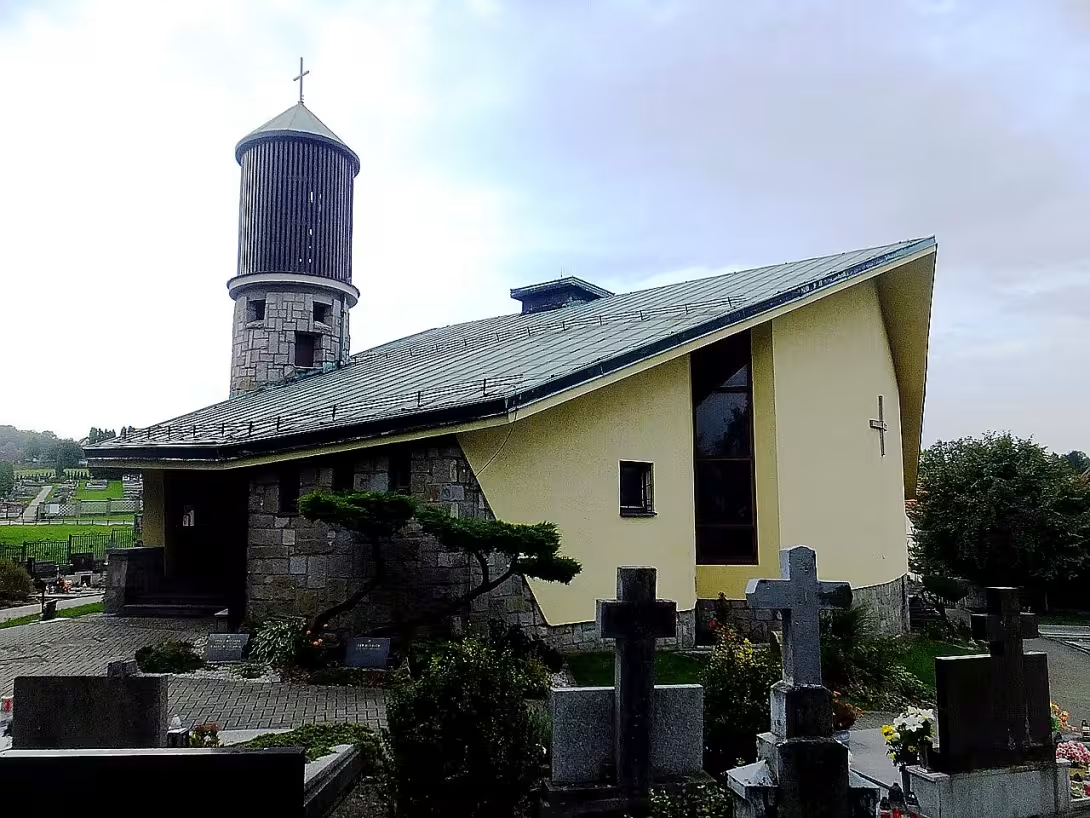
Objekt se nedochoval — na místě dnes nestojí. Následující text popisuje jeho historii, ne současnou návštěvu.
Saint Nicholas Church in Tiché is a historic monument in the Moravian-Silesian region of the Czech Republic. Originally built as a wooden church in the 16th century, it served as an important religious place for the local community until its destruction by fire in 1964. This church, which is remarkable for its wooden shingle tower with conical shape and bell dome added in 1662, is remembered for its architectural features and historical role.
The first documented mention of the Church of St. Nicholas dates back to 1510 and refers to it as a permanent ficture in Silent History. The initial construction consisted of ships and Chancel from the 16th century, reflecting the typical wooden architecture of the church of this time. In 1662 there was an important architectural complement with the construction of a wooden shingles tower with conical shape overthrown by the bell tower. This enlargement increased its visibility and underlined the evolving needs and artistic manifestations of the community that served.
From an architectural point of view, the church showed several distinctive elements. The interior was equipped with decorated ceiling, stone floor and small organs, which shows the craftsmanship and aesthetic values of the period. The lavish decorations included the paintings of the apostles on benches and pulpit at the main altar. Over time the church underwent renovation; new paintings were made in 1886 and textile wall coverings were installed, followed by restoration of the console ceiling. These changes reflect both the evolving artistic taste and the commitment of the community to maintain its spiritual center.
During its history, the Church of St. Nicholas remained under the administration of the Roman Catholic parish in Tiché, in the diocese of Ostrava-Opava. His fate was closely linked to the local community until the dramatic event of August 14, 1964, when lightning ignited the fire that led to its destruction. Despite this loss, the remnant church found a new life; materials from ruins contributed to the construction of a wooden bell tower in the cemetery.
The effects of the fire also saw some surviving elements that were relocated. The door and the holy font were moved to the church of St. Catherine in Rožnov under Radhošt, where they were preserved as historical artifacts. These remains serve as tangible links to the past church and its importance in the region.
Today, while the original structure is no longer standing, the legacy of the Church of St. Nicholas will persist through these surviving elements and memories that they hold in Silent. Visitors can see the place where the church once stood and see the wooden bell tower, which resembles its historical presence. The story of the church is proof of the resilience and cultural heritage of the community, which makes it a valuable destination for people interested in history and architecture.
The Church of Saint Nicholas offers a unique view of the past, inviting visitors to think about its historical significance and appreciate the lasting legacy it left. His story supports the exploration and understanding of the rich tapestry of local history, making Silent an interesting stop for anyone interested in the Czech cultural heritage.
Historical milestones
- 1510
- First written record of the church.
- 1662
- The addition of a wooden tower with tapered shape and bell dome.
- 1886
- New coating and textile wall coverings were installed, followed by the restoration of the console ceiling.
- 1964
- the church was destroyed by fire caused by lightning.
Architectural development
The Church of Saint Nicholas began as a wooden construction in the 16th century with an oblong boat and Chancel. In 1662 it was expanded with a wooden shingles tower with conical shape overthrown by the bell tower. The interior was encapsulated ceiling, stone floor and small organs. After its destruction in 1964, the remains were used to build a wooden bell tower in the cemetery.
Historical events
The first written record of the church dates back to 1510.
In 1662 a wooden tower with conical shape and bell tower was added.
The fire caused by lightning on August 14, 1964 led to the destruction of the church.
Points of interest
- Despite its destruction by fire in 1964, the materials from St. Nicholas' church were transformed into the construction of a wooden bell tower in the cemetery, symbolizing the resilience and continuity of the silent community.
- Some surviving elements, such as the doors and font of holy water, were moved to St. Catherine's church in Rožnov under Radhošt and preserved them as historical artifacts that link modern visitors to the church's past.
- The original wooden structure of St. Nicholas' church, built in the 16th century, is an example of the typical architectural style of early wooden churches, the depiction of craftsmanship from this time through its arched ceiling and stone floors.
- In 1886 the church underwent significant renovations which included new paintings and textile wall coverings that reflected changing artistic taste while maintaining its role as a spiritual centre for the community.
- The addition of a wooden shingle tower with conical shape and bell dome in 1662 meant important architectural development, which increased both visibility and functional capacity of the church.
Guide
This guide is narrated by a synthetic voice generated by artificial intelligence.
Show guide text
This text was created by artificial intelligence and has not been editorially reviewed. It may contain inaccuracies.
Welcome to the historic place of St. Nicholas Church in Silent, a place where history breathes through its very essence. As you stand here today, imagine the peaceful landscape surrounding this important monument established in the Moravian-Silesian region. Even though he was no longer as he once was, his legacy lives on through stories carved into the ground and remnants that whisper stories of resistance.
The church of Saint Nicholas was first mentioned in written records in 1510, indicating its presence in the Tapestries of the history of the silent. Originally it was a wooden church, which represented a ship and chancel from the 16th century - proof of architectural practices of this time. In 1662 he brought an iconic supplement: Wooden shingle tower with conical shape crowned by bell dome, adding height and character to the structure.
As you stand here now, take the atmosphere around this place - you will feel echoes of steps from centuries ago. Imagine walking through a door into a space where the interior is once decorated, replenishing the stone floor and small organs that fill the air with melodies. These elements together created an atmosphere of respect and community spirit.
Although particular architects remain unknown, their work here has left an indelible mark. The history of the church is linked to the stories of faith and continuity in the Silent. Despite its destruction by fire in 1964 through lightning, materials from St. Nicholas' church found a new life symbolizing resistance. The wooden bell tower now stands in the cemetery, built from what remains - a stinging reminder of perseverance.
Among the surviving elements are doors and holy water font which has been moved, serving as tangible references to this honored past. These pieces encourage you to think about the continuity of tradition and the commitment of the community to preserve its heritage.
At the end of our journey here at the Church of St. Nicholas, I invite you to take the time to absorb the stories that float in the air around us. Let your imagination wander through his history and consider how this place was formed - and it was shaped by the Pacific community. Thank you for joining me and may your curiosity lead you to further discoveries if you continue your journey through the rich tapestry of our common past.
Businesses nearby
Do you run a restaurant, accommodation, shop, museum, rental, wellness or other visitor service near this monument? Show yourself directly to the people heading to it — this is how they will see you in the app and on the web:
Nearby
➜ Zobrazit interaktivní přehled okolí – restaurace, ubytování, půjčovny a další místa v okruhu 15 km.
Data: OpenStreetMap contributors, okruh 15 km.
🏰 Historické památky
- Památník Osvobození (2.7 km)
- Jiří Raška (2.7 km)
- Jan Kalus (2.8 km)
- Dr. Josefa Jandy (2.9 km)
- Bývalý hřbitov (3.2 km)
- Břetislav Bartoš (3.3 km)
- Poručík Rožkov (3.3 km)
- Liška Bystrouška (5.3 km)
🍽️ Restaurace a stravování
- U Mlynářky (4.6 km)
- Restaurace Laguna (6.2 km)
- Hans (6.3 km)
- Grand café (6.4 km)
- Kimex (6.4 km)
- Vosíme (6.5 km)
- Robinson (6.7 km)
- Bounty (6.7 km)
🏨 Ubytování
- H-Resort (4.9 km)
- Penzion U Lip (6.8 km)
- Josef Petráš (7.9 km – Zauličí 242)
- Chaloupka pod náměstím (8.0 km – Dolní Bašta 254)
- Ubytování U Tížků (8.0 km – Horní Bašta 309)
- Hotel Štramberk (8.0 km – Náměstí 8)
- Ubytování V Podhradí (8.2 km – Dolní Bašta 366)
- Beskyd (12.0 km – 447)
🚲 Půjčovny a sport
- Fit centrum (2.7 km)
- Bike Servis Beskydy (2.7 km – Dolní 431)
- Frensport (2.7 km – nám. Míru 22)
- Rybářské potřeby (3.7 km – Martinská čtvrť 1789)
- Skokanský areál Jiřího Rašky (3.9 km)
- Lanové centrum Tarzania (7.4 km)
- Ruma Sport (11.1 km)
- U Toma (12.2 km)
🥾 Turistika a příroda
- Hukvaldy (obora) (4.0 km)
- Pískovna (4.4 km)
- Raškova vyhlídka (4.6 km)
- Červený kámen (5.0 km)
- Turistický přístřešek pod Šostýnem (5.0 km)
- Ondřejník (6.6 km)
- Kotouč (8.2 km)
- Štramberčík (8.9 km)
Visualizations and artistic views


The visualisations are generated by artificial intelligence and serve as inspiration.
Photos from the area
Real photos taken near the monument


Zdroj a licence jsou uvedeny u každého snímku.
Tips from visitors
No tips yet. Be the first!
Log in and add your tip.
Sources and literature
Photos: Miloš Hlávka / CC BY-SA 4.0 — Wikimedia Commons. The author and licence also appear when you hover over the image.
Faktickým podkladem tohoto textu byl článek na Wikipedii, jehož autory jsou přispěvatelé Wikipedie. Článek je dostupný pod licencí CC BY-SA 4.0.
Location on the map
Příběhy a pověsti
Legendy, pověsti a příběhy spjaté s touto památkou
Příběh: Kostel svatého Mikuláše (Tichá)
Bylo to v pondělí ráno, kdy se Mikuláš Slezák probudil ve svém skromném pokoji u paty kostela svatého Mikuláše, kde noc přinesla tichý dech podobající se mod…
Číst příběh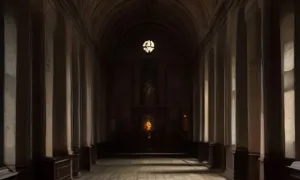
Pověst: Kostel svatého Mikuláše (Tichá)
Podle místní pověsti věděli staří obyvatelé Tiché o svém dřevěném kostele svatého Mikuláše jedno: nikdy nestál jen tak sám o sobě. Říkali, že byl živý jako s…
Číst příběhFotografie návštěvníků
Zatím žádné fotografie. Buďte první, kdo přidá fotografii z návštěvy!
Log in a přidejte svou fotografii nebo hodnoťte.
Za ověřenou návštěvu v aplikaci získáte víc bodů — poznáme podle GPS, že jste na místě.
Reviews and comments