



Boží muka u čp. 10 Wayside shrine
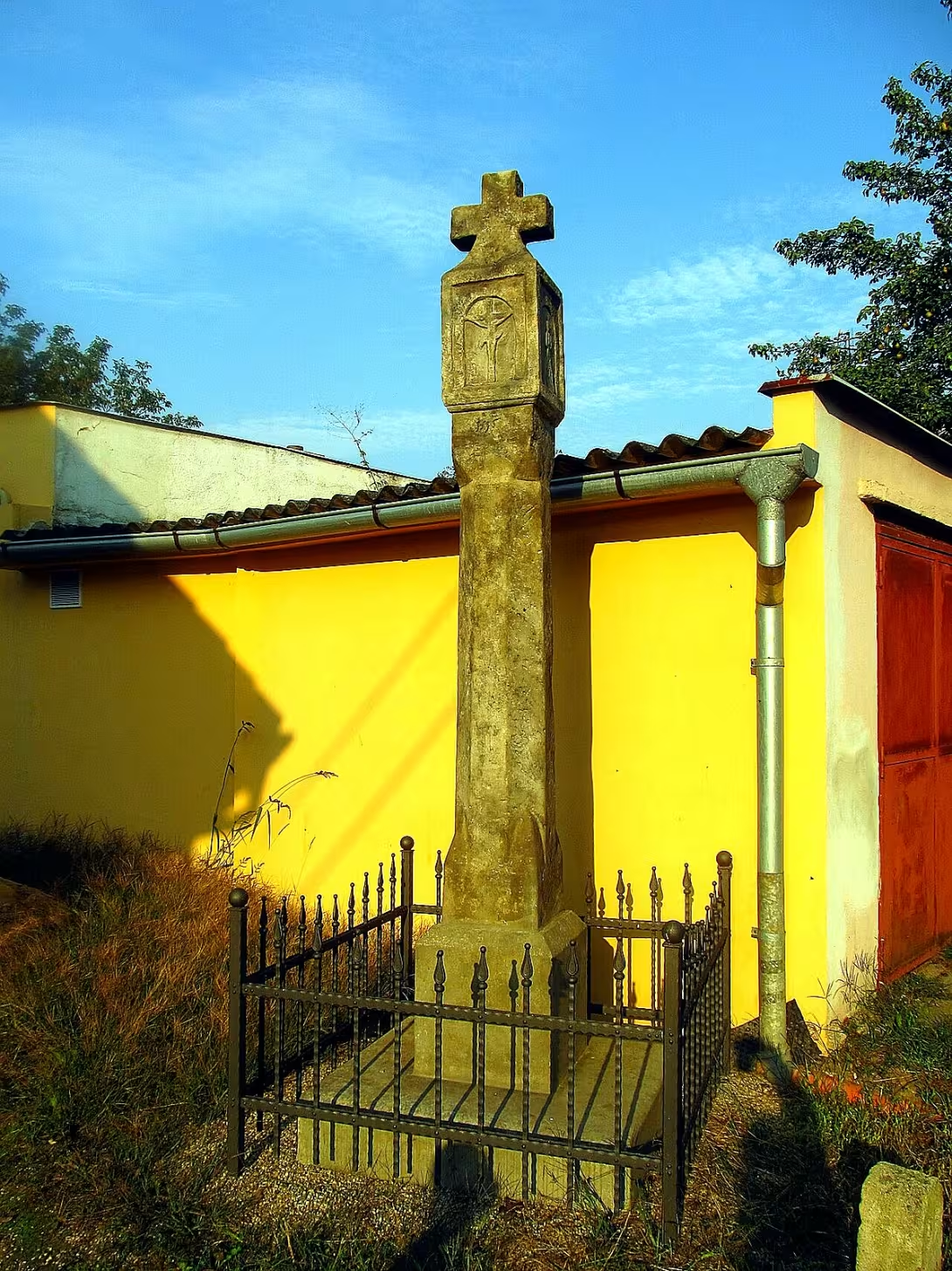
Boží muka u čp. 10 in New Doors, located in the Litoměřice district, is a rare Renaissance monument from the second half of the sixteenth century. It is a pillar type with a polygonal pillar and a lantern head on which there are reliefs depicting Christ's torture. This small but significant cultural monument is listed in the Central List of Cultural Monuments under registration number 34353 / 5-2209 and protected as a national cultural monument.
The monument represents a typical example of Renaissance sacral architecture, widespread in Czech countries in the second half of the sixteenth century. The columns served as a symbol of faith and moral authority, often located at crossroads or while travelling. Their decoration, in particular the reliefs depicting Christ's torture, was intended to commemorate Christian teachings and strengthen social cohesion.
It is an architectural column with a polygonal pillar built on a plint. Lucerna on top is decorated with reliefs with scenes of Christ's torture, typical of Renaissance God's torment. The cross on top of the lantern is a classic finish. The stone structure shows the skill of the campers of the time.
There is little information left on the management of the monument. It is protected as a cultural monument and probably belongs to a municipality or local religious community. To date, their survival is indicative of the importance of the local community.
Today, God's torture is open to the public and an interesting example of Renaissance sacral architecture. Their visit allows you to know the regional heritage and understand the importance of these monuments in the Christian tradition. For tourists and locals, they are a small but significant piece of history.
Historical milestones
- 2nd half of the 16th century
- The creation of Renaissance God's torments of column-type with reliefs of torture of Christ
Points of interest
- God's torment is a rare Renaissance monument from the second half of the sixteenth century.
- It serves as a symbol of faith and moral authority, often placed near roads or crossroads.
- Their decor depicts the reliefs of Christ's torture, which were meant to resemble Christian teachings.
- They are listed in the Central List of Cultural Monuments under registration number 34353 / 5-2209 and protected as a national cultural monument.
The stone structure shows the high skill of the campers at the time.
Guide
Show guide text
This text was created by artificial intelligence and has not been editorially reviewed. It may contain inaccuracies.
Welcome, dear visitors! You're standing in front of a beautiful historical monument that will charm you with its ancient appearance. In front of you you can see the Renaissance torture of God, which stands on plot No. 10 in the village Nové Dvory. It's a stone structure that welcomes you with its elegant design.
This monument originated in the second half of the 16th century. At that time art and architecture was developed in Czech countries, which was reflected in religious works. The Renaissance torture of God was often characterized not only by beautiful looks, but also by religious motives that resembled the life and suffering of Jesus Christ.
Look up at the main part of this monument. It stands on a pillar that has the shape of a polygon, a polygon with different sides. At the top there is a cross that symbolizes Christ's suffering and death. Now pay attention to the lantern warhead, which is a typical element of Renaissance structures. On her hips are small reliefs that depict important moments from Christ's life - his torture and suffering.
Think of the stories behind these stone shapes. The Renaissance torture of God often served as monuments to places where important events took place, or as a symbol of faith and hope for the locals. At this time there was also a tradition that visitors to God's torment prayed for the health and happiness of their loved ones.
Notice how this monument retains its original beauty and how important it is to the heritage of our ancestors. The place where it stands is also important for local history. Visit the surrounding landscape, which can give you another sense of the historical atmosphere.
If you have time, check the entire area. Find out more about the history of this village and how it evolved in the past. These divine torments are just one of many examples of how our heritage manifests itself in everyday life. Don't forget to take time with you to observe and examine all the details that await you.
Thank you for your visit and we wish you a pleasant exploration of this beautiful monument. If you still hear any secrets or attractions, feel free to ask our guide or local residents. May this moment bring you joy and inspiration.
Tips for visitors
The best time to visit the Renaissance Tortures at No.10 in Nové Dvořy is in the morning after the dawn or in the evening when the sun illuminates the stone structure from one side and creates interesting shadows. The sun rays then highlight the details of the lantern head and polygonal pillar. In the summer months, avoid the midday hours, when it may be too hot and the sun is shining in the eyes.
This time you avoid crowds and get the best lighting conditions for photography.
It is recommended to arrive by car because public transport does not go directly to this location.
When visiting, wear comfortable shoes, because the path to God's torment can be on uneven terrain. In addition, it is good to take a small umbrella or raincoat because the monument stands outside and the weather can change quickly. If you want to take quality photos, bring a lens with a larger field of view to fit into the surrounding landscape.
The monument is outdoor and not covered, so it is good to be ready for different weather conditions.
The best places for photography are the front and back of God's torture, where you can see the overall structure of the column type. For interesting shots use natural light, for example in the morning or evening light. If you want to capture the detail of the lantern head or cross, approach and photograph from an angle that highlights the texture of the stone.
The front and rear sides offer different perspectives and light from different angles creates interesting effects.
There are few other attractions in the vicinity of the New Dvory, as the information about the area is limited. If you want to look at other historical monuments, you can visit nearby villages in the Ústí Region, which are rich in similar Renaissance or Baroque buildings. However, there is no other location in the 30-minute range, so focus on the memory itself and its surroundings.
There is no other place to visit in the area, so it is good to use the time to explore God's torment and its surroundings.
For families with children, visiting God's torture is an interesting opportunity to get to know historical monuments. You can talk to children about the importance of these structures and their history. Children can also play around because the area around the sights is usually free and safe. If you manage to find some information about the history of the place, you can tell the children stories of the past.
God's torment is an interesting and educational element for children, which can awaken their interest in history.
Frequently asked questions
Can the monument be visited?
This is a structure in a public space that can usually be seen from outside free of charge. We have not verified that this particular one is freely accessible.
Where is the monument?
Location: Nové Dvory, Ústecký kraj. The map on this page shows the exact spot.
Why is the monument protected?
It is listed in the Central List of Cultural Monuments of the Czech Republic as a cultural monument (register no. 34353/5-2209).
Businesses nearby
Do you run a restaurant, accommodation, shop, museum, rental, wellness or other visitor service near this monument? Show yourself directly to the people heading to it — this is how they will see you in the app and on the web:
Events nearby

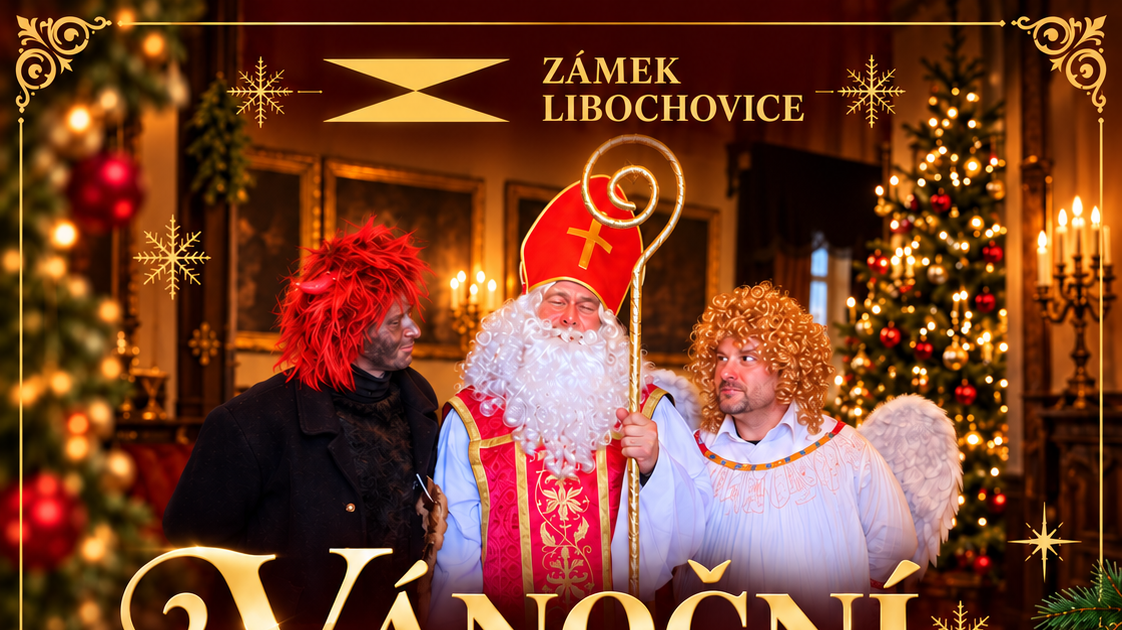


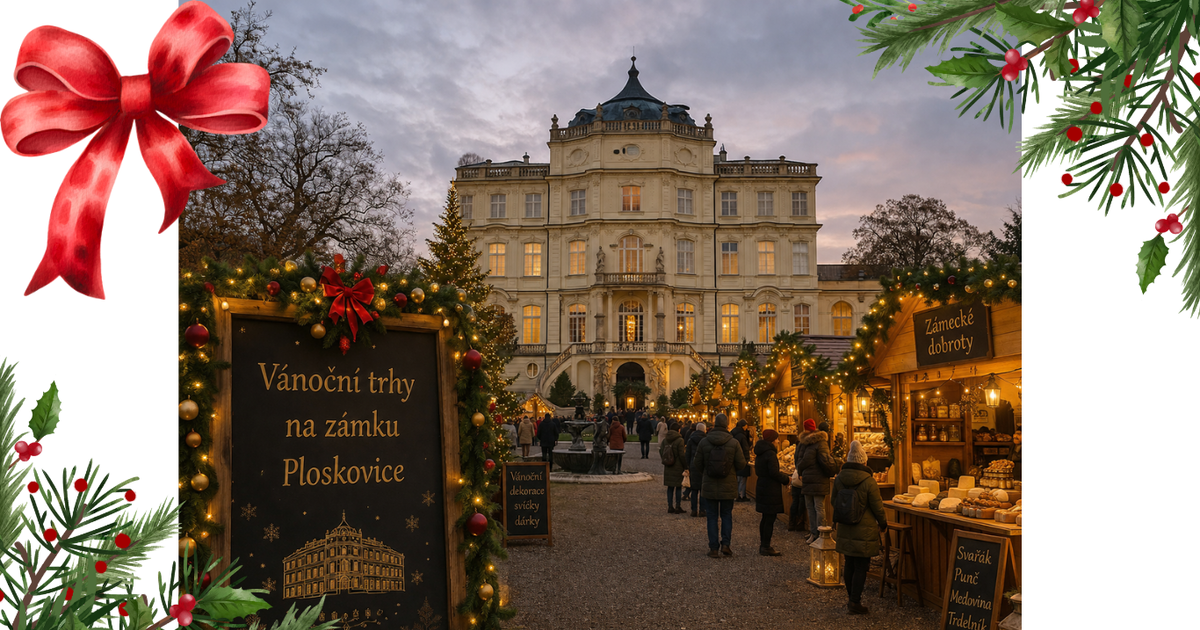
Zdroj akcí: otevřená data měst a obcí ČR (Národní katalog otevřených dat) a kalendář akcí Národního památkového ústavu.
Nearby
➜ Zobrazit interaktivní přehled okolí – restaurace, ubytování, půjčovny a další místa v okruhu 15 km.
Data: OpenStreetMap contributors, okruh 15 km.
🏰 Historické památky
- Vojtěch (6.4 km)
- Morový sloup (6.5 km)
- Kolumbárium (6.7 km)
- Magdeburská kasárna (6.9 km)
- Památník Terezín (7.3 km)
- Auto Muzeum (7.4 km)
- Terezín memorial (8.0 km)
- Severočeská galerie výtvarného umění v Litoměřicích (10.1 km)
🍽️ Restaurace a stravování
- Vikárka (9.9 km)
- Radniční sklípek (10.0 km)
- Vinoteka (10.0 km)
- U Zlatého Bažanta (10.0 km)
- Občerstveni (10.1 km)
- Gurmanie (10.1 km)
- Klid (10.1 km)
- Budvarka (10.2 km)
🏨 Ubytování
- SAM (6.2 km – Žižkova 706)
- Hotel Magnolia (6.5 km – Karlovo náměstí 20)
- Sport Hotel "BK" Pod Lipou (6.6 km)
- Parkhotel Terezín (7.4 km)
- U Borovičku (10.1 km)
- Hotel Labe (10.1 km)
- U Svatého Václava (10.1 km)
- Hotel Apollon (10.1 km – Na Valech 2094/25)
🚲 Půjčovny a sport
- Roudnický bazén (6.1 km)
- bajk:a (6.4 km)
- Yachtklub Roudnice nad Labem (6.9 km)
- hřiště Martiněves (8.8 km)
- Yacht-klub Lovosice (9.5 km)
- norskamoda (9.8 km)
- Skicentrum (10.1 km)
- Plavecký bazén (10.3 km – Daliborova 2078/7)
🥾 Turistika a příroda
- Rudný pramen (6.2 km)
- Studna (6.4 km)
- vyhlídka na České středohoří (západní část) (10.2 km)
- Roudnická vyhlídka (10.3 km)
- Říp (10.5 km)
- Mělnická vyhlídka (10.6 km)
- Restaurace - zahrádka (10.6 km)
- Pražská vyhlídka (10.7 km)
Accommodation nearby
Trips and activities nearby
Guided tours, tickets and activities nearby from GetYourGuide
Affiliate link: if you buy from the partner, we may receive a commission. The price for you does not change.
Search tours and activities →Themed route
Thematic cruise route: The Torture of God in the New Doors and the Around
1. Boží muka u čp. 10 - The name of the historical sculpture from the 18th century, which symbolizes religious tradition and architecture. It is interesting for its artistic processing and location on the surface from which the view of the surrounding landscape develops.
2. Church of St. Wenceslas - The name of the Baroque church with rich decoration, which stands near God's torture. Its interior is interesting for works of art and historical findings that resemble local religious life.
3. Castle Nové Dvory - Name (approximately 2 km from God's torture) - originally a Renaissance mansion which was later modified. It is interesting for its historical nature and surroundings with the remains of the former park.
4. Pond at No.12 - Name (approximately 1 km from God's torture) - a small pond with adjacent forest edge, which offers a quiet environment for walking and observing nature.
5. Municipal Office and Square - Name (in the center of the village) - a place with a historical character where information about local history and the possibility of meeting with local people is available.
Recommended routes: - Classic circular path: From God's torture to the church of St. Wenceslas, further to the castle, back to the pond and return through the square. - Religious path: From God's torture to the church of St. Wenceslas, return to God's torture through the municipal office.
Recommended visiting time: Weather suitable for walking, ideally from May to September.
Seasonal recommendations
Spring Boží muka u čp. 10 in New Doors awakens to life with the arrival of spring, when the surrounding area is covered with green and the sun illuminates the stone elements of torture with fine, scattered light. At this time nature is full of new leaves, flowering shrubs and air smells of wet soil. The atmosphere is calm but revived by the sounds of birds and rustling leaves. It is convenient to visit a memory early in the morning or late in the afternoon when there are fewer tourists. Dress light but protective clothing against the wind, because spring weather can be unpredictable - with rain and sunlight. If you want to escape the crowds, avoid major holidays like Easter Monday, where places are overcrowded.
Summer In the summer months, God's torment becomes a dominant landscape, surrounded by warm light and long shadows, which creates the sun at noon. Nature is full of beauty - meadows are green, trees are thick and the air smells of grass and flowers. The atmosphere is lively and warm, but in the afternoon it can be hot, especially in July and August. The best time to visit is early in the morning or late in the afternoon, when fewer people and temperatures are falling. Dress light but headgear and sunglasses because the sun can be very intense. Avoid the main summer season when places are often crowded.
Autumn Autumn brings a magical atmosphere to God's surroundings - the trees are colored in yellow, orange and red shades, and the sun illuminates the memory with a softer, golden light. Nature is full of fallen leaves that rustle under their feet, and the air smells of burnt leaves and fruit. The atmosphere is calm, but also a little melancholy, as time slowly retreating. The best time to visit is in September or at the end of October when the weather is pleasant and nature is in full beauty. Put on warmer clothes, because evenings can be cold, and don't forget the waterproof layer, because the rains are common in this period. Avoid holidays like St. Catherine's Day, when places are busier.
Winter In winter, God's torment will turn into a quiet, white snow-covered place surrounded by a quiet, frozen landscape. The sun illuminates the memory rarely and only briefly, creating short but intense shadows. Nature is calm and quiet, with forests covered with snow and air full of cold. The atmosphere is calm and quiet, but also magical as time stands. The best time to visit is in December or January when the weather is the most stable and the snow cover is the most beautiful. Wear warm, protective clothes, including warm gloves and hats, because temperatures can be very low. Avoid advent time when places are often busier because of the Christmas markets.
Visualizations and artistic views


The visualisations are generated by artificial intelligence and serve as inspiration.
Tips from visitors
No tips yet. Be the first!
Log in and add your tip.
Sources and literature
Photos: Hana Kubíková / CC BY-SA 4.0 — Wikimedia Commons. The author and licence also appear when you hover over the image.
Location on the map
More monuments – Nové Dvory
Show all in the municipality
Příběhy a pověsti
Legendy, pověsti a příběhy spjaté s touto památkou

Fotografie návštěvníků
Zatím žádné fotografie. Buďte první, kdo přidá fotografii z návštěvy!
Log in a přidejte svou fotografii nebo hodnoťte.
Za ověřenou návštěvu v aplikaci získáte víc bodů — poznáme podle GPS, že jste na místě.
Reviews and comments