






boží muka u hřbitova v Holohlavech Wayside shrine
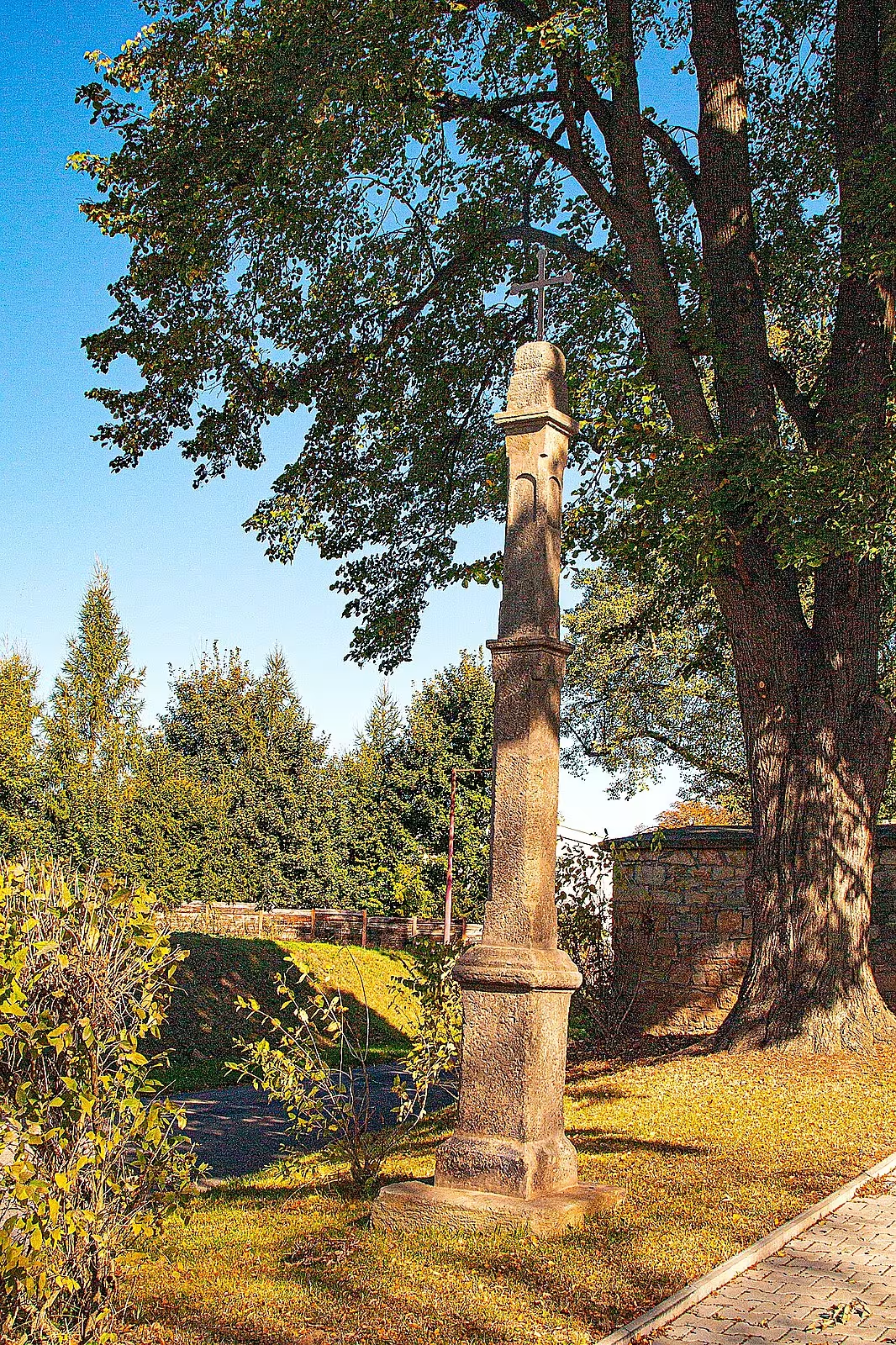
The Baroque-style Boží Muka u hřbitova v Holohlavech stands at the entrance to the local cemetery in Holohlavy, Hradec Králové district. This wayside shrine has been a constant presence for over 390 years, despite undergoing several restorations due to damage caused by car accidents.
Originally constructed in 1631, the shrine was relocated after World War I and consecrated by Dean Alois Nývltem in 1880, marking a significant milestone. Over the years, it has suffered damage on multiple occasions, including in 1986 and 2007, but each time it has been restored to its original state.
The Boží Muka is characterized by its smooth stone pillar, standing at approximately 4.49 meters tall. The original iron cross was replaced with a stone one in 1986 after the shrine suffered significant damage. The shrine's architecture showcases the craftsmanship of the era, featuring intricate details and ornate carvings.
Despite its turbulent past, the Boží Muka remains an important cultural landmark in Holohlavy. Its unique history and architectural features make it a captivating sight for visitors. Today, the shrine proudly stands at the entrance to the local cemetery, serving as a reminder of the town's rich heritage.
Visitors can still see the Boží Muka standing tall at the entrance to the local cemetery, surrounded by a quiet residential area. Its unique history and architecture make it an intriguing sight for anyone interested in exploring Holohlavy's cultural heritage.
Then and now
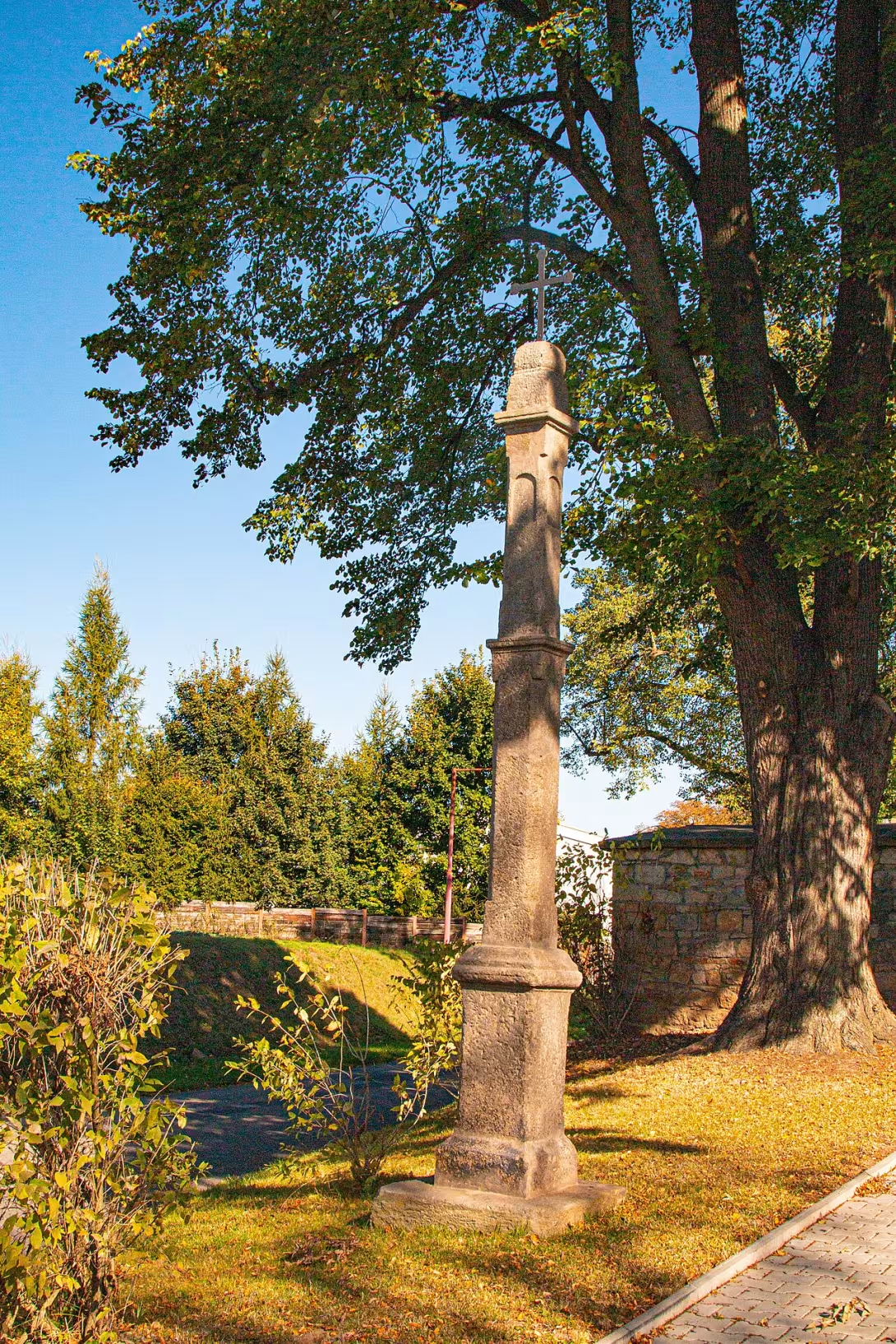
Drag the slider to compare how the landmark may have looked when it was built with the view today.
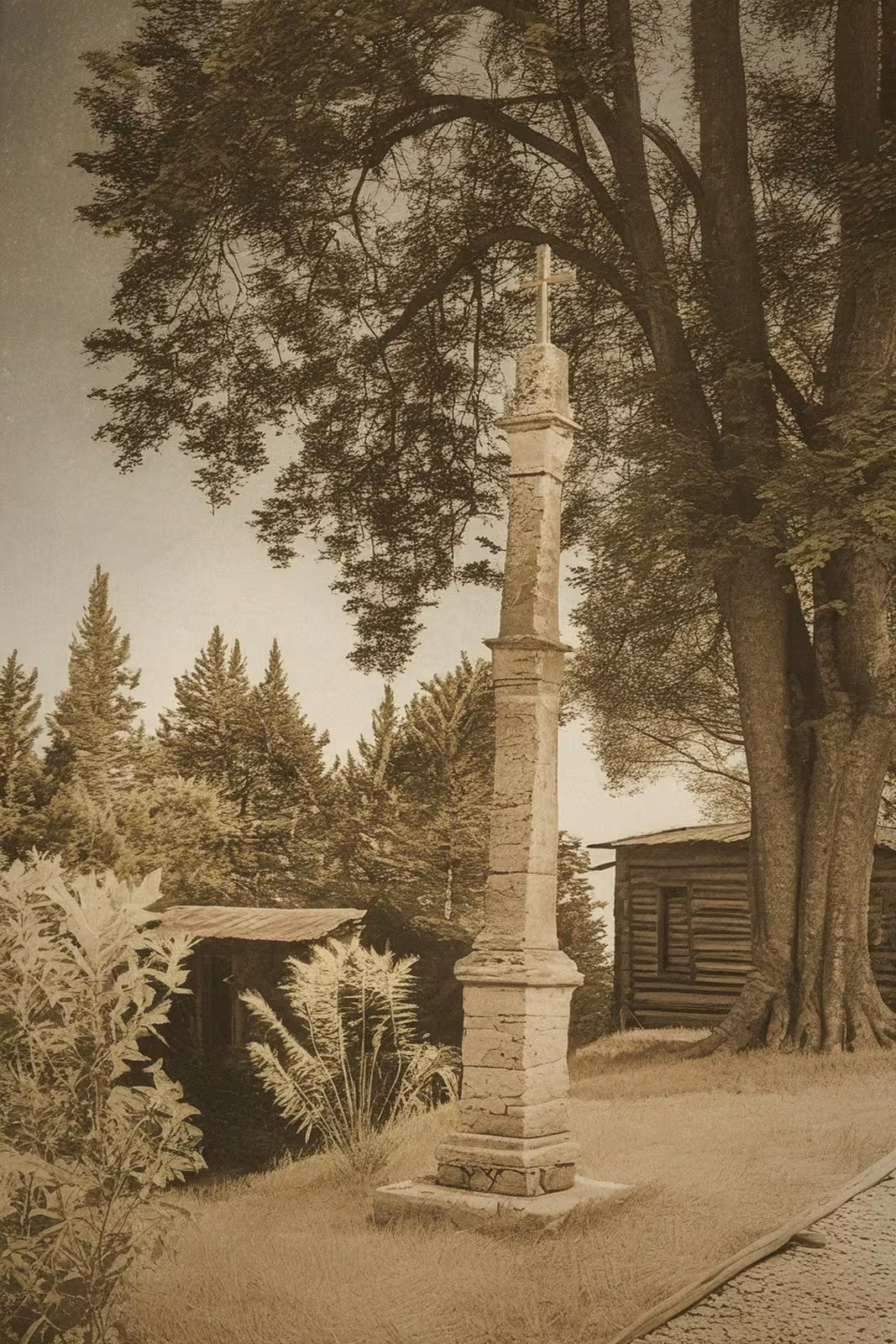
The historical appearance on the left is an AI-generated visualisation and serves as inspiration only.
Historical milestones
- 1631
- Construction of the shrine
- 1880
- Relocation to the center of the village and consecration
- 1986
- Restoration after damage
- 2007
- Damage in a car accident
- 2017
- Damage in a car accident and subsequent restoration
Architectural development
The shrine has undergone several restorations, including one after a serious damage in 1986. The original iron cross on top was replaced with a stone one.
Historical events
In 1880, it was relocated to the center of the village and consecrated by Dean Alois Nývltem.
After World War I, it was moved again to its current location.
In 2007 and 2017, it was damaged in car accidents and subsequently restored.
Points of interest
– The Baroque-style Boží Muka has been a constant presence for over 390 years, despite undergoing several restorations due to damage caused by car accidents.
– Originally constructed in 1631, the shrine was relocated after World War I and consecrated by Dean Alois Nývltem in 1880, marking a significant milestone.
– The Boží Muka has suffered damage on multiple occasions, including in 1986 and 2007, but each time it has been restored to its original state.
– Despite its turbulent past, the Boží Muka remains an important cultural landmark in Holohlavy.
Guide
Show guide text
This text was created by artificial intelligence and has not been editorially reviewed. It may contain inaccuracies.
Welcome! As you stand before this historic wayside shrine, take a moment to appreciate its beauty and significance. Before you lies the Boží Muka, a stunning Baroque-style structure that has been a constant presence in these Holohlavy for over 390 years.
As you gaze upon the smooth stone pillar, let your eyes wander back in time to 1631, when this shrine was first constructed. Its original location was near a road, but after World War I, it was relocated to its current spot at the entrance to the local cemetery.
Notice the intricate details of the architecture – the curves and lines that evoke a sense of elegance and refinement. The Boží Muka's design is a testament to the skill of its unknown architects, who imbued this structure with a sense of timelessness.
As you explore this historic monument, you may be struck by the stories it holds within its walls. Though we don't know the names of those responsible for building and consecrating this shrine in 1880, their legacy lives on through this beautiful piece of architecture.
One of the most fascinating aspects of the Boží Muka is its resilience. Despite undergoing restorations after damage caused by car accidents in 2007 and 2017, it remains a beloved landmark in these Holohlavy. Take a moment to appreciate the way the light catches its curves, casting shadows that seem almost otherworldly.
As you stand here, surrounded by the quiet of the cemetery, let your imagination run wild with the stories this shrine could tell. What secrets lie hidden beneath its stone surface? What whispers does it share with those who approach it with reverence and respect?
As you continue on your journey through these Holohlavy, take a moment to appreciate the Boží Muka's enduring presence in this landscape. It is a testament to the power of human creativity and perseverance, a reminder that even the smallest details can hold great significance.
And so, as you bid farewell to this historic wayside shrine, remember to carry its beauty and essence with you, just as it has been a constant presence in these Holohlavy for centuries.
Tips for visitors
The best time to visit the Boží muka u hřbitova in Holohlavy is during the early morning or late afternoon. Since the shrine is situated in a quiet residential area near the cemetery entrance, these times offer soft, directional light that highlights the smooth texture of the stone pillar without the harsh shadows of midday sun. Additionally, visiting during these hours ensures a peaceful atmosphere, as the surrounding neighborhood is typically calm and free from the bustle of midday activity.
Accessing the site is straightforward for both private and public transport users. If you are driving, you can park in the immediate vicinity of the residential streets leading to the cemetery entrance, as the shrine is located right at the gateway. For those using public transport, the site is accessible via local routes, though you should verify current bus or train schedules using a travel search engine before your trip, as specific line numbers and timetables may change.
When preparing for your visit, bring comfortable walking shoes suitable for uneven ground, as the area around the cemetery entrance may include paved paths mixed with natural terrain. It is also advisable to carry a small notebook or camera, as the Baroque-style details of the wayside shrine are best appreciated up close. There are no specific items required for entry, but having a basic map of Holohlavy can help you orient yourself within the quiet residential zone.
For photography, position yourself slightly to the side of the stone pillar to capture the interplay of light and shadow on its smooth surface. The best light occurs when the sun is low in the sky, casting long shadows that emphasize the verticality of the structure. Since the shrine is near the cemetery entrance, be mindful of the solemn atmosphere and avoid using flash photography out of respect for the location. The surrounding quiet residential backdrop provides a neutral setting that keeps the focus on the historical monument.
While the immediate surroundings consist of a quiet residential area, there are no other specific landmarks or attractions mentioned within a thirty-minute radius in the available information. Therefore, it is recommended to plan your visit as a short, focused stop rather than a full-day excursion. If you are traveling with children, keep them close and explain the historical significance of the wayside shrine, as the quiet environment is ideal for a brief educational moment. Ensure they understand the need for respectful behavior near the cemetery entrance.
Businesses nearby
Do you run a restaurant, accommodation, shop, museum, rental, wellness or other visitor service near this monument? Show yourself directly to the people heading to it — this is how they will see you in the app and on the web:
Events nearby
Zdroj akcí: otevřená data měst a obcí ČR (Národní katalog otevřených dat) a kalendář akcí Národního památkového ústavu.
Nearby
The shrine is located near the entrance to the local cemetery and is surrounded by a quiet residential area.
Accommodation nearby
Themed route
Route Highlights
1. Boží Muka: A historic shrine located near the entrance to the local cemetery, surrounded by a quiet residential area. This unique landmark stands out for its historical significance and peaceful atmosphere. 2. Local Cemetery: Take a stroll around the cemetery and admire the beautiful architecture of the surrounding buildings. The tranquil atmosphere and well-manicured lawns make it an ideal spot for reflection. 3. Residential Area: Explore the charming streets of Holohlavy, lined with cozy houses and picturesque gardens. Get a glimpse into local life and enjoy the warm community spirit.
Route Description
This 1-hour route takes you on a leisurely walk through the heart of Holohlavy. Start at the boží muka, where you can take in its historic charm. From there, head to the nearby cemetery for a peaceful stroll. End your route by wandering through the quiet residential area, taking in the sights and sounds of this charming community.
Total Distance: Approximately 1 km
Enjoy your excursion!
Seasonal recommendations
Spring
As you visit the historical landmark of Boží muka u hřbitova v Holohlavech, you'll be surrounded by blooming nature and a gentle atmosphere. The spring season brings an explosion of colors as flowers start to bloom, filling the air with sweet scents. To make the most of your visit, consider arriving early in the morning or late in the afternoon to avoid the crowds that gather during peak hours.
Summer
During the summer months, the Boží muka u hřbitova v Holohlavech takes on a warm and vibrant atmosphere. The long days and sunny weather make it an ideal time to visit, but be prepared for larger crowds and longer lines. To avoid the heat, consider visiting early in the morning or later in the evening when the sun is not as intense.
Autumn
As autumn arrives, the landscape surrounding the Boží muka u hřbitova v Holohlavech transforms into a kaleidoscope of colors. The crisp air and mild temperatures make it an excellent time to visit, with fewer crowds compared to the peak summer months. Take advantage of the comfortable weather to explore the area at your own pace.
Winter
In the winter season, the Boží muka u hřbitova v Holohlavech takes on a serene and peaceful atmosphere. The cold weather and shorter days create a cozy ambiance, making it an ideal time for a quiet visit. Be prepared for shorter opening hours and dress warmly to make the most of your experience.
Visualizations and artistic views


The visualisations are generated by artificial intelligence and serve as inspiration.
Photos from the area
Real photos taken near the monument


Zdroj a licence jsou uvedeny u každého snímku.
Tips from visitors
No tips yet. Be the first!
Log in and add your tip.
Sources and literature
Fotografie: Petr1888 / CC BY-SA 4.0 — Wikimedia Commons. The author and licence also appear when you hover over the image.
Faktickým podkladem tohoto textu byl článek na Wikipedii, jehož autory jsou přispěvatelé Wikipedie. Článek je dostupný pod licencí CC BY-SA 4.0.
Location on the map


Příběhy a pověsti
Legendy, pověsti a příběhy spjaté s touto památkou
Fotografie návštěvníků
Zatím žádné fotografie. Buďte první, kdo přidá fotografii z návštěvy!
Přihlaste se a přidejte svou fotografii nebo hodnoťte.
Za ověřenou návštěvu v aplikaci získáte víc bodů — poznáme podle GPS, že jste na místě.
Reviews and comments