



Březová Fortress
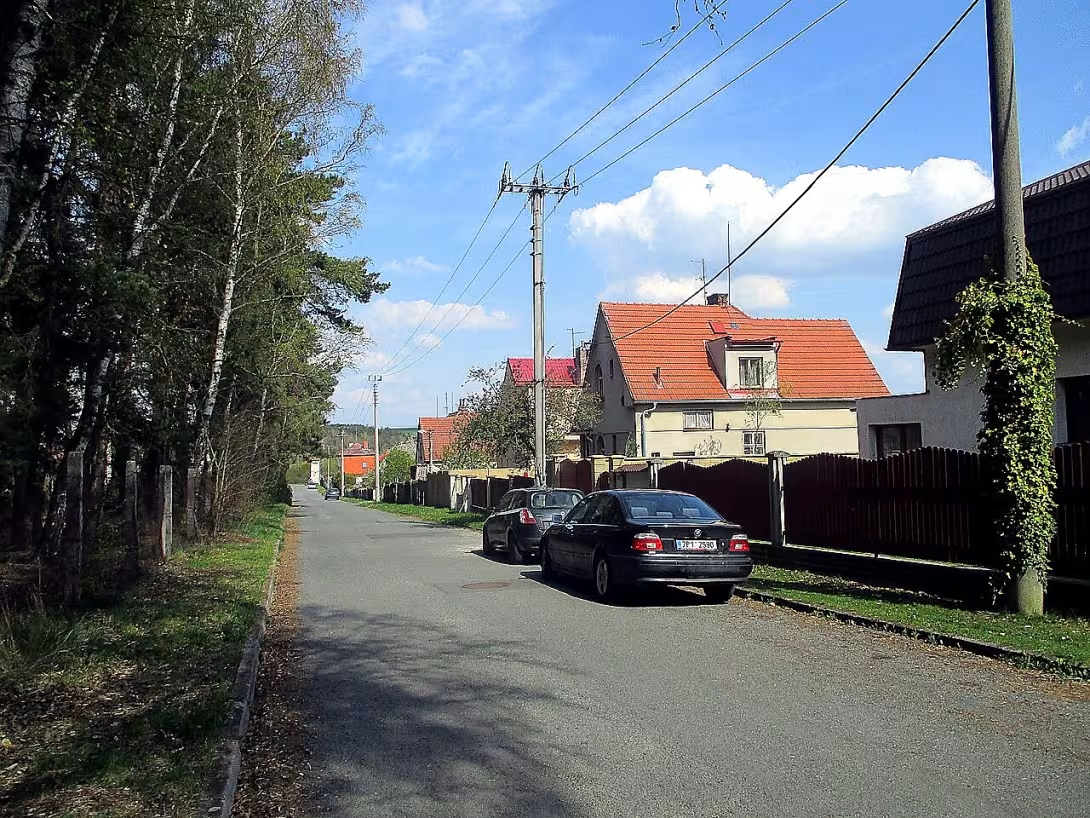
Březová is a nearly vanished medieval castle ruin near Úmonín village in Středočeský kraj, Czech Republic. This historical site served as the seat of a small estate from the fourteenth to mid-fifteenth century but was largely abandoned thereafter. The remnants are protected as a cultural monument and offer insight into the region's medieval past.
The origins of Březová date back to 1318 when it first appeared in documented history. Příbram z Březové, one of its early known owners, sued Vesela and Buna z Úmonína, marking the castle’s initial mention. During this period, Bohemia was part of the Holy Roman Empire, a time characterized by significant political and social changes that saw the rise of local nobility and frequent disputes over land ownership.
Architectural details about Březová are sparse due to its largely vanished state. By the late nineteenth century, remnants of its fortifications were still visible, particularly a moat on the north and northeast sides, which was part of an old fishpond. However, by the twentieth century, the site had been dismantled and repurposed as a garden.
Ownership of Březová changed hands several times throughout its history. In 1380, Jan Hašek z Podhořan owned the estate, which included a village with a castle, Korotice, among other properties. By 1392, Březová was declared an escheat, contested by Albert z Březové. The ownership continued to shift, passing through figures such as Vilém Dubánek z Duban and Herš z Březové, until King Zikmund granted the abandoned estate to Mikuláš Sokol z Lamberka in 1437.
Key events at Březová include its initial mention in a legal dispute in 1318 and its declaration as an escheat in 1392. These events reflect the turbulent nature of land ownership during this era. Archaeological excavations have revealed fragments of walls and medieval ceramics, providing tangible links to its past.
Today, Březová stands as a cultural monument with limited physical remnants. The site is accessible for those interested in exploring its historical significance despite its largely dismantled state. Its value lies not only in the architectural vestiges but also in the stories it tells about the medieval period and the region's history.
Visiting Březová offers a unique opportunity to connect with the past, providing insights into the lives of those who once inhabited this site. It stands as a testament to the historical transformations that have shaped the region over centuries. For history enthusiasts and curious travelers alike, Březová is a worthwhile destination that invites exploration and reflection on its storied legacy.
Then and now
Drag the slider to compare how the landmark may have looked when it was built with the view today.
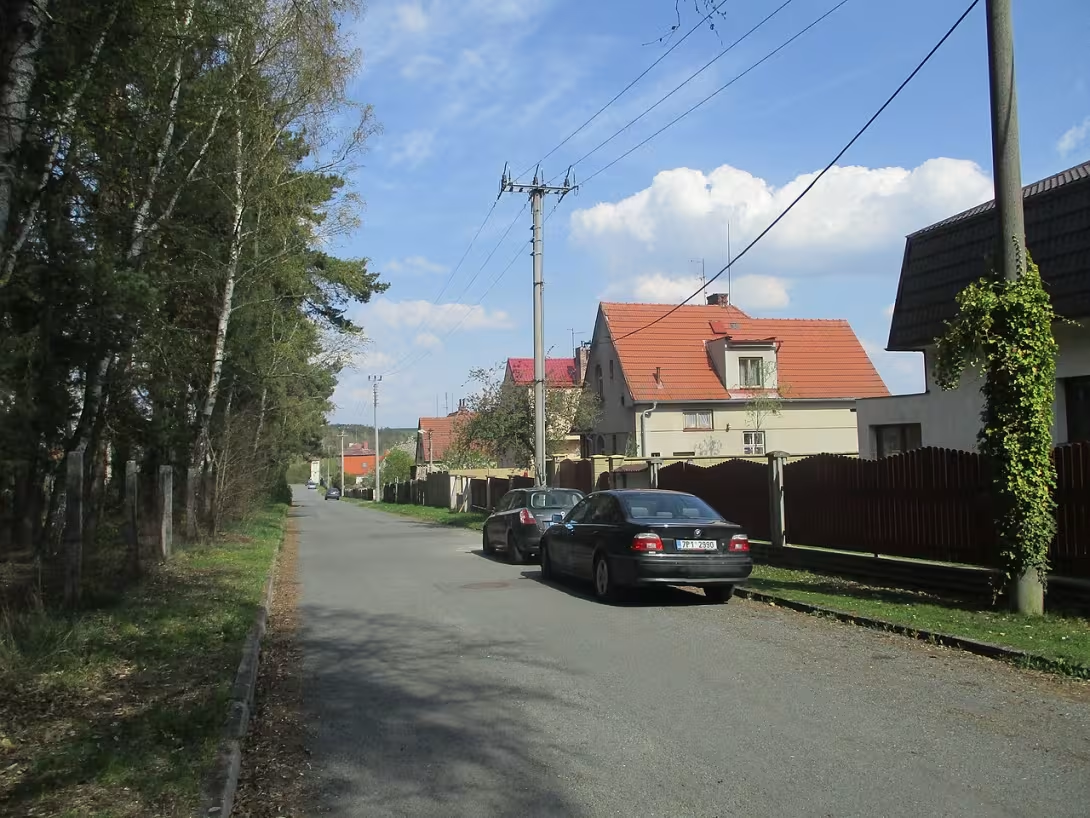
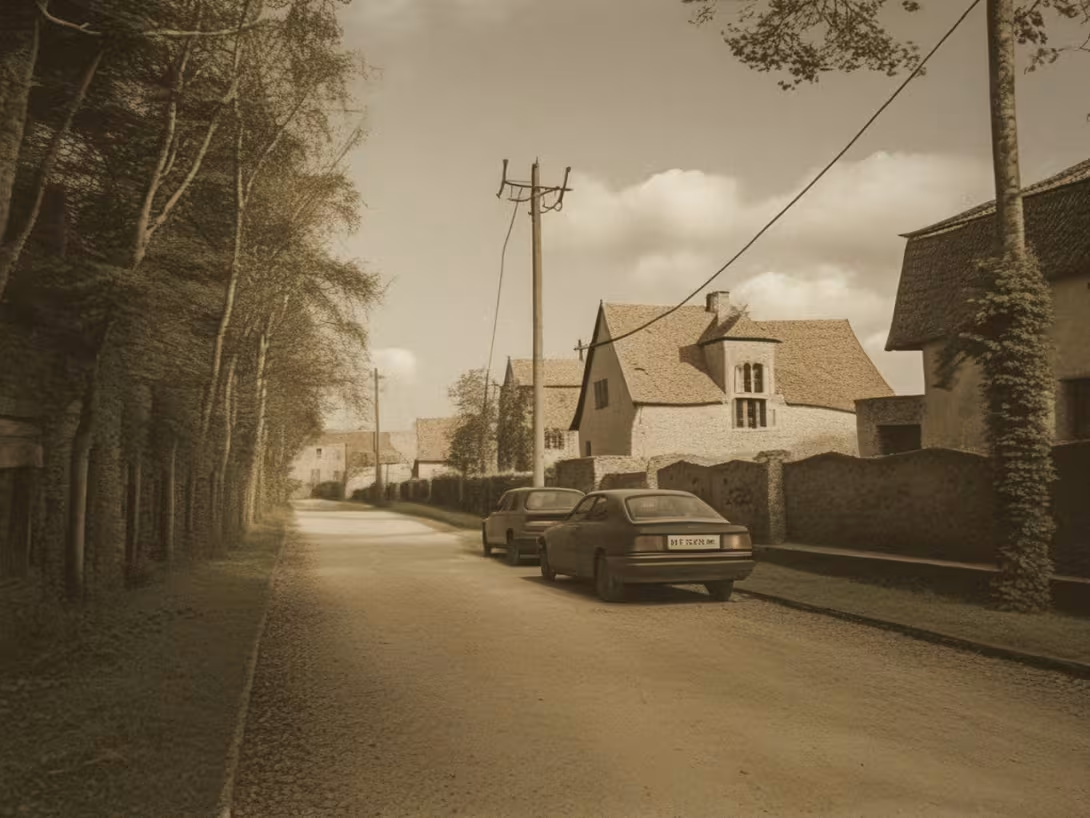
The historical appearance on the left is an AI-generated visualisation and serves as inspiration only.
Historical milestones
- 1318
- Příbram z Březové sued Vesela and Buna z Úmonína.
- 1380
- Jan Hašek z Podhořan owned the estate, including a village with a castle.
- 1392
- Březová was declared an escheat, contested by Albert z Březové.
- 1437
- King Zikmund granted the estate to Mikuláš Sokol z Lamberka.
Architectural development
The castle's construction details are not well-documented. By the late nineteenth century, remnants of its fortifications were still visible, particularly a moat on the north and northeast sides, which was part of an old fishpond. The site had been dismantled by the twentieth century.
Historical events
First documented mention in 1318 when Příbram z Březové sued Vesela and Buna z Úmonína.
In 1380, Jan Hašek z Podhořan owned the estate; it included a village with a castle, Korotice, and other properties.
By 1392, Březová was declared an escheat, which Albert z Březové successfully contested.
In 1437, King Zikmund granted the abandoned estate to Mikuláš Sokol z Lamberka.
Owners
Příbram z Březové (1318)
Jan Hašek z Podhořan (1380)
Vilém Dubánek z Duban (after 1383)
Albert z Březové (1392, 1404)
Herš z Březové (1404)
Bernart Gruber (1414)
Mikuláš Sokol z Lamberka (1437)
Ondřej Keřský z Řimovic (after 1437)
Points of interest
- Despite its largely dismantled state today, Březová's moat was once part of an old fishpond, reflecting the medieval practice of integrating water management with fortification.
- The castle’s initial mention in 1318 came through a legal dispute involving Příbram z Březové and the Úmonín family, highlighting how legal records from this period can reveal early ownership conflicts over land.
- In 1437, King Zikmund granted the abandoned estate of Březová to Mikuláš Sokol z Lamberka, demonstrating how royal intervention could alter property rights during times of political instability in medieval Bohemia.
- The castle's transition from a fortified seat of a small estate to an escheat by 1392 illustrates the frequent shifts in ownership and status that were common due to disputes and claims among nobility.
- Archaeological findings at Březová, including fragments of walls and medieval ceramics, offer tangible connections to its past, showcasing how even minimal remains can provide insights into daily life during the castle's operational period.
Guide
This guide is narrated by a synthetic voice generated by artificial intelligence.
Show guide text
This text was created by artificial intelligence and has not been editorially reviewed. It may contain inaccuracies.
Březová is today an almost completely vanished fortress on the edge of the village of the same name near Úmonín in the Kutná Hora region. From the fourteenth to the second half of the fifteenth century, it was the seat of a small manor. Then it disappeared almost without a trace, and today its archaeological remains are mainly protected as a cultural monument.
Březová is first mentioned in writing in the year 1318. At that time, a nobleman Příbram z Březové sued at the land court against Vesel and Bun z Úmonína because they were unlawfully holding three peasant farms in Březová. The fortress itself is documented in sources only from the year 1380, when it belonged to Jan Hašek z Podhořan. The Březová estate at that time included a village with the fortress, the village of Korotice, a payment of six hundred groschen from Matařov, and peasant farms in Podhořany.
After Hašek's death, several noblemen disputed over the property. The estate was eventually acquired by Albert z Březové. When Březová and Korotice were declared to be escheated in the year 1392, that is, property without an heir reverting to the ruler, Albert successfully protested. Twelve years later, however, he got into a dispute with Herš z Březové, who ultimately won the case. Albert's successor Jan z Březové pawned the estate for two hundred groschen to two brothers named Mikuláš z Ledče. In the year 1414, Březová fell into the hands of Bernard Gruber, a townsman of Kutná Hora.
After Gruber's death, the estate reverted to the ruler. King Zikmund donated it on the eighteenth of November 1437 to Mikuláš Sokol z Lamberka. He transferred it to Ondřej Keřský z Řimovic, who was executed in the year 1446. For his underage children, the estate was then administered by guardians.
Around that time, the fortress was abandoned and the village was attached to Malešov. In the year 1515, only a water ditch remained from the fortress, in which fish were kept.
The fortress site was still visible in the first half of the nineteenth century. In the second half of that century, it was dismantled and in the twentieth century a garden was located on its site. During excavations, fragments of walls and medieval pottery were found here. From the northern and northeastern sides, a rampart was partially preserved. It is surrounded by a waterlogged meadow, which is a remnant of the former pond.
Tips for visitors
The best time to visit the Březová castle ruins is during late spring or early autumn, when the weather is mild and the surrounding landscape of former fishponds is particularly picturesque. These seasons offer pleasant temperatures for exploring the site comfortably, while also providing beautiful natural lighting that enhances the medieval ambiance of the ruins.
It's advisable to check current public transport routes online before your visit.
When visiting Březová, consider bringing comfortable walking shoes, as exploring the ruins involves some uneven terrain. A hat and sunscreen are recommended for protection against the sun during sunny days. Additionally, carrying a water bottle will help keep you hydrated throughout your exploration of the site.
For photography enthusiasts, the best spots to capture the essence of Březová castle ruins include areas with open views that highlight the structure's historical significance and its integration into the natural landscape. Early morning or late afternoon light provides soft shadows and warm tones, ideal for dramatic shots of the ruins.
Frequently asked questions
Can the monument be visited?
This is a ruin. Such sites are often freely accessible, but some can only be visited with a guide or are closed for safety reasons. We have not verified the current situation – take care and respect any restrictions.
Where is the monument?
Location: Březová, Středočeský kraj. The map on this page shows the exact spot.
Why is the monument protected?
It is listed in the Central List of Cultural Monuments of the Czech Republic as a cultural monument (register no. 36565/2-3546).
Businesses nearby
Do you run a restaurant, accommodation, shop, museum, rental, wellness or other visitor service near this monument? Show yourself directly to the people heading to it — this is how they will see you in the app and on the web:
Nearby
Březová is located near Úmonín, with historical ties to Malešov. The surrounding landscape includes natural features like former fishponds.
Accommodation nearby
Trips and activities nearby
Guided tours, tickets and activities nearby from GetYourGuide
Affiliate link: if you buy from the partner, we may receive a commission. The price for you does not change.
Search tours and activities →Themed route
Thematic Vltour: Březová Castle and Its Surroundings
1. Březová (Castle)
Type: Historical Site
Why Visit: Begin your journey at the majestic Březová Castle, a historical gem with deep ties to the region's past. Explore its well-preserved architecture and learn about its role in local history through guided tours that bring stories of nobility and medieval life to life.
2. Former Fishponds
Type: Natural Feature
Why Visit: Just a short walk from Březová, the former fishponds offer a serene escape into nature. These ponds are remnants of historical land management practices and provide a tranquil setting for leisurely strolls or picnics amidst lush greenery.
3. Úmonín Village
Type: Cultural Site
Why Visit: A visit to Úmonín is essential for understanding the cultural backdrop of Březová. Wander through this charming village, where traditional architecture and local customs reflect centuries-old traditions. Engage with locals or explore small shops offering regional crafts.
4. Historical Pathways
Type: Walking Route
Why Visit: Connect the dots between Březová Castle and Úmonín by following historical pathways that crisscross the area. These routes offer picturesque views of the landscape, dotted with remnants of past infrastructure like old bridges and stone markers.
5. Malešov Connection
Type: Historical Link
Why Visit: Conclude your tour by exploring the historical ties between Březová and Malešov. Although not a physical site to visit, understanding this connection enriches your appreciation of the region's intertwined histories. Reflect on how these links have shaped local culture and heritage.
This thematic vltour offers an immersive experience into the history and natural beauty surrounding Březová Castle, providing insights into its historical significance and cultural connections.
Seasonal recommendations
Spring: The arrival of spring at Březová Castle offers a unique experience as the landscape begins to awaken from its winter slumber. The castle ruins are enlivened by vibrant wildflowers and budding trees, creating an enchanting atmosphere that invites exploration. As daylight extends, visitors can enjoy longer hours wandering through the grounds, capturing the lush greens and fresh blooms in their natural setting. This period sees fewer crowds compared to summer, making it a serene time for those seeking tranquility amidst nature's revival. For practical purposes, wearing comfortable walking shoes is advisable due to potentially muddy paths after spring rains. Layered clothing can also be beneficial as temperatures may vary throughout the day.
Summer: Summer at Březová Castle brings long days filled with warm sunlight that accentuates the historic architecture against a backdrop of vibrant greenery. The castle grounds are particularly inviting during this season, offering picturesque views and an ideal setting for photography enthusiasts. However, visitors should be prepared for larger crowds as it is the peak tourist season. Arriving early in the morning can help avoid the busiest times and ensure a more peaceful experience. Comfortable walking shoes remain essential due to uneven terrain, while light clothing is recommended to stay cool under the summer sun.
Autumn: Autumn transforms Březová Castle into a stunning tapestry of reds, oranges, and yellows as the leaves change color, providing a breathtaking backdrop for visitors. The cooler temperatures make it an ideal time for leisurely strolls through the castle's grounds, allowing one to fully appreciate the seasonal beauty without the summer heat. This period often sees fewer tourists than summer, offering a more intimate experience of the ruins. Layered clothing is advisable as temperatures can fluctuate significantly between day and night, ensuring comfort throughout your visit.
Winter: Winter at Březová Castle offers a stark yet captivating atmosphere, with snow-dusted ruins that create an almost ethereal scene. The shorter days mean visiting hours are limited, but the quietness of the season provides a unique opportunity to explore the castle in solitude. While winter can be enchanting, it also demands practical preparation: visitors should dress warmly and wear sturdy boots to navigate potentially icy paths. Although the landscape is less vibrant than other seasons, the snow-covered scenery offers its own kind of magic, making it a special time for those who appreciate the quiet beauty of the castle in winter's embrace.
Visualizations and artistic views


The visualisations are generated by artificial intelligence and serve as inspiration.
Photos from the area
Real photos taken near the monument


Zdroj a licence jsou uvedeny u každého snímku.
Tips from visitors
No tips yet. Be the first!
Log in and add your tip.
Sources and literature
Faktickým podkladem tohoto textu byl článek na Wikipedii, jehož autory jsou přispěvatelé Wikipedie. Článek je dostupný pod licencí CC BY-SA 4.0.
Location on the map





Příběhy a pověsti
Legendy, pověsti a příběhy spjaté s touto památkou
Fotografie návštěvníků
Zatím žádné fotografie. Buďte první, kdo přidá fotografii z návštěvy!
Log in a přidejte svou fotografii nebo hodnoťte.
Za ověřenou návštěvu v aplikaci získáte víc bodů — poznáme podle GPS, že jste na místě.
Reviews and comments