






Brno hlavní nádraží Railway station
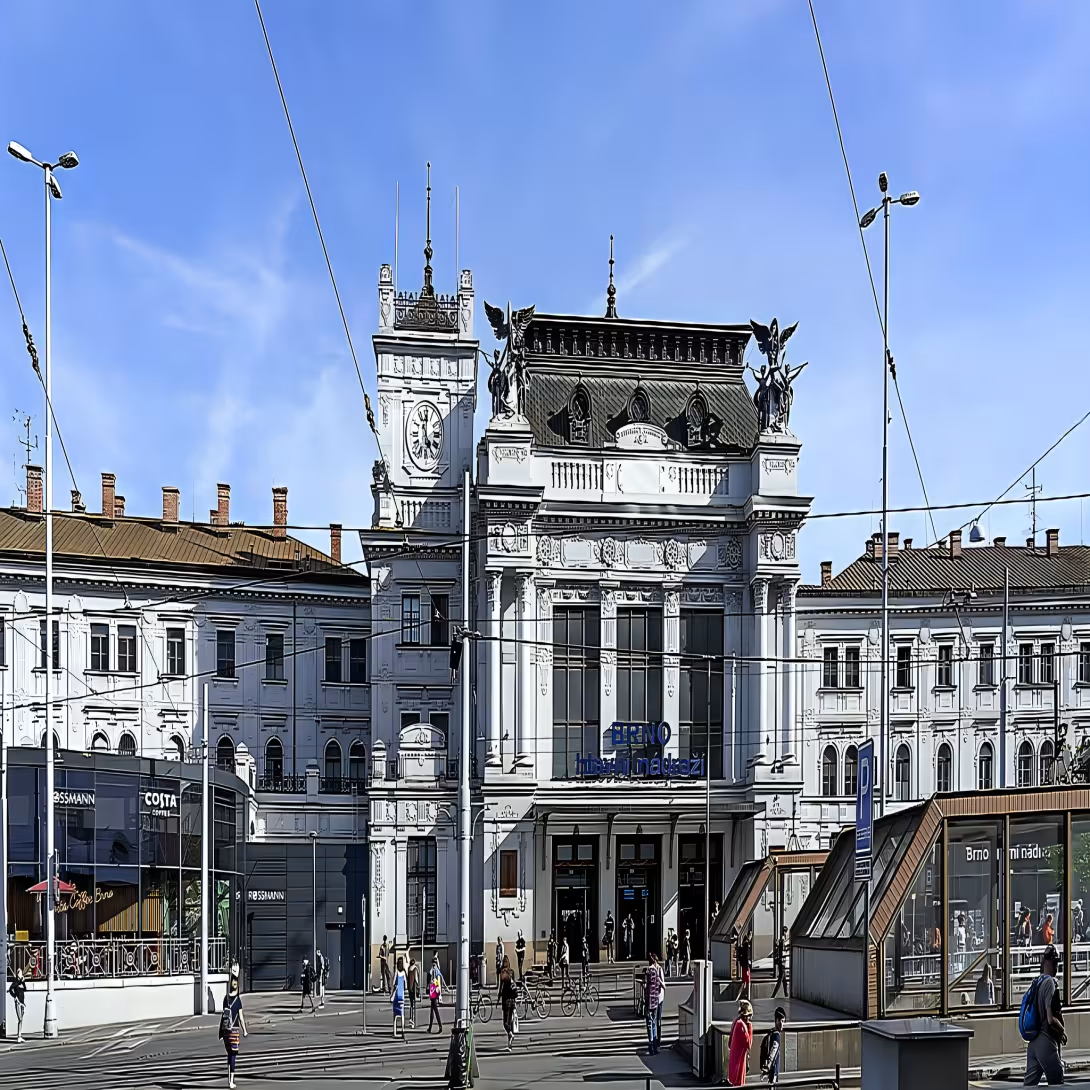
Brno main railway station, known as Brno hlavní nádraží, is a significant historical monument located in the city center of Brno, within Jihomoravský kraj, Czech Republic. Established in 1839, it stands as one of the oldest railway stations in the country and was among the first globally. Its strategic position on the site of former city walls underscores its importance as a transportation hub since the mid-19th century. The station is notable for its architectural evolution into the Secession style and its role in connecting Brno to major European cities like Vienna, Prague, and beyond.
The origins of Brno main railway station trace back to 1838 when it was constructed as a terminal station on the line from Vienna. Designed by Austrian architect Anton Jüngling, it began operations for trials in November 1838 and became fully operational commercially on July 7, 1839. The station's transformation into a through station occurred after the construction of the rival Northern Railway in 1849, addressing space limitations due to its polygonal design within Brno Ringstrasse.
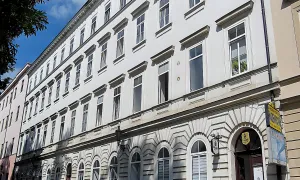
Architecturally, the station underwent significant changes at the turn of the 19th and 20th centuries when it adopted elements of Art Nouveau. Architect Josef Oehm played a pivotal role in connecting the side wings of competing companies into a single concourse, completed in 1904. This central hall, measuring 18x25 meters, features towers on either side and is linked to platform 4 via a transverse subway. The station saw further modernization efforts in 1947 by Bohuslav Fuchs and again in 1988.
Ownership of the station transitioned from the private railway company Severní dráhy Ferdinandovy to state railways as infrastructure expanded. Over time, Brno main railway station has been a witness to significant events, such as its initial role in connecting Vienna and Brno and later becoming a crucial node for international travel across Europe.
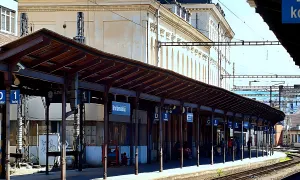
Today, Brno hlavní nádraží remains an essential station on the pan-European corridor Děčín–Prague–Pardubice–Brno–Břeclav. It accommodates six platforms with connections to various tram lines and serves as a gateway for international trains traveling to Germany, Slovakia, Hungary, and Austria. The station's strategic location facilitates access to multiple intercity routes, enhancing its role in regional transportation.
Despite reaching full capacity, the station faces challenges due to its proximity to Brno's historic center, limiting expansion possibilities. Plans have been proposed to relocate the station approximately 800 meters south, though these face opposition from experts and the public. A referendum held in 2016 reflected strong community support for maintaining the station at its current location.
Brno hlavní nádraží is not only a functional transportation hub but also a testament to architectural innovation and historical significance. Its blend of history and modern utility makes it an intriguing site for visitors interested in exploring the evolution of railway architecture and urban development in Europe. The station's enduring presence continues to connect people and places, inviting travelers to experience its rich heritage and vibrant role in contemporary transportation networks.
Then and now
Drag the slider to compare how the landmark may have looked when it was built with the view today.
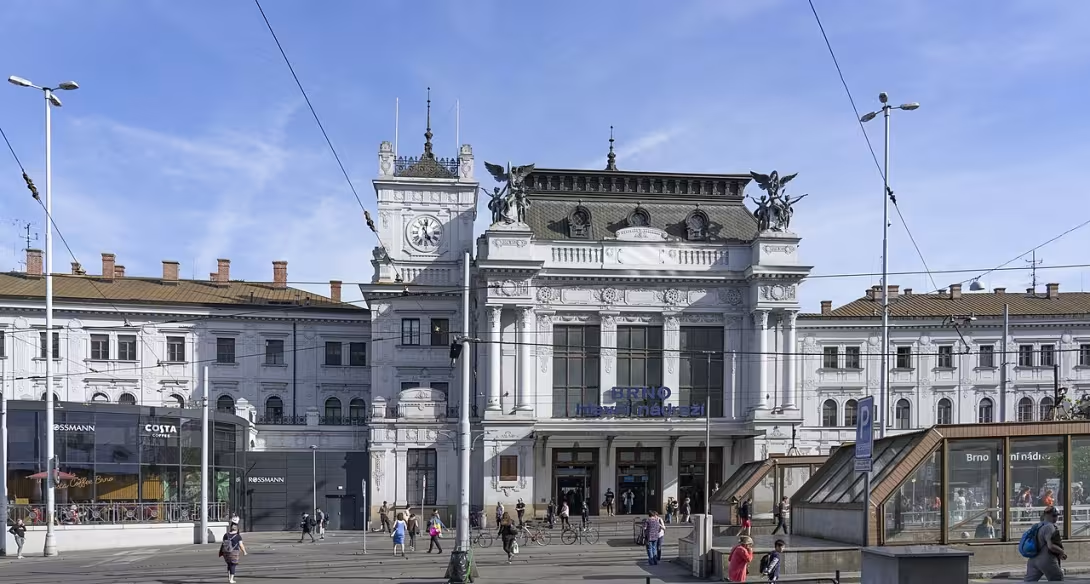
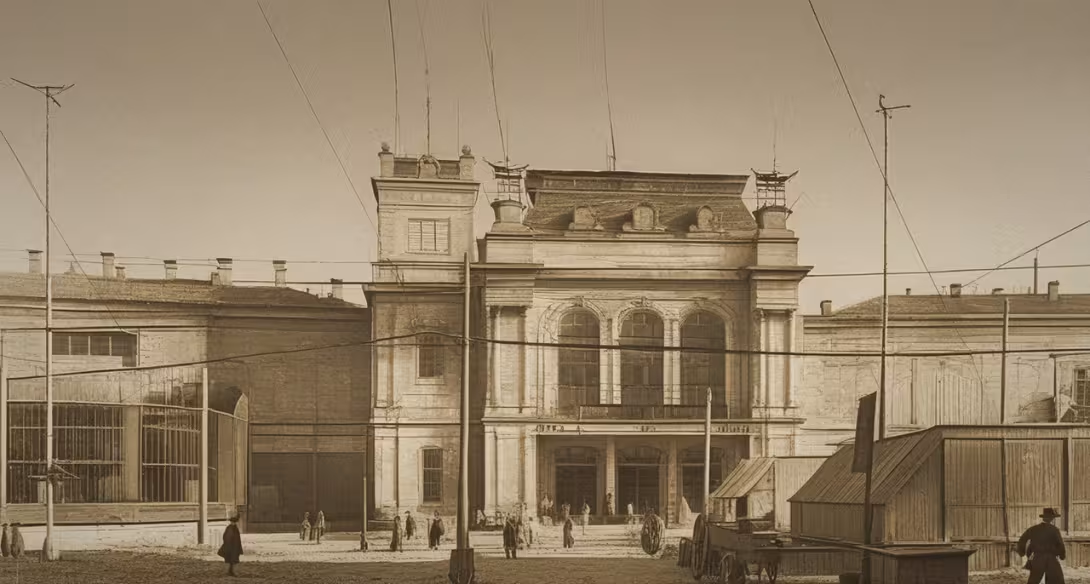
The historical appearance on the left is an AI-generated visualisation and serves as inspiration only.
Historical milestones
- 1839
- Regular service between Vienna and Brno began.
- 1898
- The station was transformed into a through station.
Architectural development
Brno hlavní nádraží underwent significant architectural changes over the years. Initially built as an end-of-line station, it evolved into a double-station setup by 1841. The most notable transformation occurred between 1902-1905 when the station adopted the Secession style under architects Josef Oehma and Franz Uhle, with construction led by Josef Nebehosteny.
Historical events
The first trial train arrived in Brno from Rajhrad in November 1838.
Regular service between Vienna and Brno began on July 7, 1839.
The station was transformed into a through station with a large central hall in 1898.
Owners
Initially owned by Severní dráhy Ferdinandovy, a private railway company, it later became part of the state railways as infrastructure expanded.
Points of interest
- Brno hlavní nádraží was initially constructed as a terminal station on the line from Vienna in 1838, making it one of the first railway stations globally to serve commercial purposes by July 7, 1839.
- The station's transformation into a through station came about after the construction of the rival Northern Railway in 1849, which addressed space limitations due to its polygonal design within Brno Ringstrasse.
Guide
This guide is narrated by a synthetic voice generated by artificial intelligence.
Show guide text
This text was created by artificial intelligence and has not been editorially reviewed. It may contain inaccuracies.
Welcome to Brno hlavní nádraží, a place where history and modernity converge in the heart of Jihomoravský kraj. As you stand here, take a moment to soak in the grandeur of this iconic railway station. Its imposing presence is not just a testament to its architectural beauty but also a gateway to countless journeys that have begun right from this spot.
Let's delve into the origins and historical context of Brno hlavní nádraží. Constructed initially as a terminal station on the line from Vienna in 1838, it quickly became one of the first railway stations globally to serve commercial purposes by July 7, 1839. This marked the beginning of regular service between Vienna and Brno, connecting people and cultures across borders.
The transformation of this station into a through station in 1898 was pivotal. It wasn't just an expansion; it was a reimagining of its role as a transportation hub. Architects like Josef Oehma, Franz Uhle, and Josef Nebehosteny played crucial roles in shaping the structure you see today.
As we explore further, notice the Secession style that characterizes the station's architecture. This transformation between 1902-1905 brought about an elegance that is both inviting and awe-inspiring. The intricate details of its design invite you to look closer—observe how the lines and forms blend seamlessly, creating a harmonious aesthetic.
While there may not be any widely known historical figures directly associated with this station, it's the stories of countless travelers over the years that breathe life into these walls. Each platform has witnessed farewells and reunions, dreams pursued, and memories cherished.
One intriguing aspect of Brno hlavní nádraží is its evolution from a terminal to a through station. This change was not just about adding tracks; it symbolized progress and adaptability, reflecting the dynamic nature of travel and transportation in the region.
As you continue your exploration, I invite you to wander around and discover more hidden gems within this historic site. Each corner holds a piece of history waiting to be uncovered. Thank you for joining me on this journey through time at Brno hlavní nádraží. May your visit here inspire new adventures and discoveries. Safe travels!
Tips for visitors
The best time to visit Brno hlavní nádraží is during the late spring or early fall when the weather is pleasant, and there are fewer crowds compared to summer months. This timing allows you to comfortably explore both the historical architecture of the station and its surrounding areas without the rush of peak tourist seasons. The lighting conditions are also ideal for photography, capturing the intricate details of the station's design.
Parking near Brno hlavní nádraží can be limited due to its central location in the city. Public transportation is recommended as it provides convenient access to the station and surrounding areas. Buses and trams frequently serve the vicinity, making it easy to navigate without a car. For those who prefer driving, checking for nearby parking facilities ahead of time is advisable.
When visiting Brno hlavní nádraží, consider bringing comfortable walking shoes as you may want to explore the station's interior and its immediate surroundings on foot. A camera or smartphone with a good camera will be useful for capturing the architectural beauty of the station. Additionally, carrying a map or using a navigation app can help in exploring the area more efficiently.
For photography enthusiasts, some of the best spots around Brno hlavní nádraží include the main entrance and waiting hall where natural light beautifully illuminates the space, especially during morning hours. The contrast between the old architecture and modern elements provides unique photographic opportunities. Always be mindful of other visitors when taking photos.
Nearby attractions within a 30-minute walk or short public transport ride include the Moravian Gallery in Kounic Palace and Špilberk Castle, offering insights into the region's rich cultural heritage. For families with children, exploring these sites can provide both educational value and entertainment. The area around Brno hlavní nádraží is also suitable for a leisurely stroll, allowing families to enjoy local cafes and parks.
Businesses nearby
Do you run a restaurant, accommodation, shop, museum, rental, wellness or other visitor service near this monument? Show yourself directly to the people heading to it — this is how they will see you in the app and on the web:
Events nearby



Zdroj akcí: otevřená data měst a obcí ČR (Národní katalog otevřených dat) a kalendář akcí Národního památkového ústavu.
Nearby
Surrounding Brno hlavní nádraží are significant urban developments and public spaces that have been shaped since the late 19th century. The area includes a mix of historical buildings and modern infrastructure.
Accommodation nearby
Trips and activities nearby
Guided tours, tickets and activities nearby from GetYourGuide
Affiliate link: if you buy from the partner, we may receive a commission. The price for you does not change.
Search tours and activities →Themed route
Thematic Walking Tour: Brno Main Railway Station and Surroundings
1. Brno Main Railway Station (Železniční stanice) - *Type:* Historical Building - *Why Visit:* This iconic station, designed by the renowned architect Jože Plečnik in 1928-1933, is a masterpiece of Art Deco architecture. Its unique design and historical significance make it an essential stop for anyone interested in architectural history or railway heritage.
2. Plečnik's Footbridge - *Type:* Architectural Structure - *Why Visit:* Located just outside the station, this pedestrian bridge is another creation of Jože Plečnik. Walking across provides a unique perspective on his innovative use of materials and design philosophy, offering insight into how he integrated functionality with aesthetic appeal.
3. Špilberk Castle Park - *Type:* Urban Park - *Why Visit:* While the castle itself is not included in this tour, its expansive park area offers a serene escape from urban life. The green space provides beautiful walking paths and scenic views of Brno's skyline, perfect for relaxation or a leisurely stroll after exploring the station.
4. Old Town Square (Staré náměstí) - *Type:* Historic Urban Space - *Why Visit:* A short walk from the park, this charming square is surrounded by historic buildings and vibrant cafes. It's an excellent place to experience local culture, enjoy a coffee or pastry, and appreciate the blend of architectural styles that tell the story of Brno’s past.
5. Cathedral of St. Peter and Paul (Katedrála svatého Petra a Pavla) - *Type:* Cathedral - *Why Visit:* Located in close proximity to the Old Town Square, this cathedral is an architectural gem with its stunning Gothic design. Its impressive façade and rich history make it a must-see for those interested in religious architecture or seeking a peaceful place of reflection.
This tour offers a blend of historical exploration and urban relaxation, showcasing Brno's unique charm through its railway station and surrounding areas.
Seasonal recommendations
Spring: Visiting Brno Main Station during the spring offers a refreshing experience as nature awakens around this historic site. The surrounding greenery is lush and vibrant, with cherry blossoms or other flowering trees adding bursts of color to the landscape. This season brings pleasant temperatures that are ideal for exploring the station's architectural details without the discomfort of extreme heat or cold. While the crowds are generally moderate, arriving early in the morning can provide a more tranquil experience before visitors gather at popular spots like nearby parks or gardens.
Summer: The summer months transform Brno Main Station into a lively hub with longer daylight hours enhancing its grandeur under bright sunlight. This is peak tourist season, so expect larger crowds and plan to visit either early in the morning or later in the afternoon to avoid the midday rush. Dress comfortably in light clothing suitable for warm weather, and consider carrying water to stay hydrated during your exploration of this architectural masterpiece.
Autumn: Autumn at Brno Main Station is characterized by a striking display of fall foliage that frames the station's historic architecture beautifully. The cooler temperatures make it an ideal time to stroll around without the summer heat, allowing visitors to appreciate both the natural surroundings and the intricate details of the building. As the season progresses towards winter, days become shorter, so plan your visit accordingly to maximize daylight hours.
Winter: Winter brings a unique charm to Brno Main Station with its historic architecture often illuminated against a backdrop of snow or frosty landscapes, creating a picturesque scene. The colder weather means visitors should dress warmly in layers and be prepared for potential icy conditions. During this season, the station is less crowded, offering a more serene experience. However, shorter daylight hours mean it's best to plan your visit during the day to fully enjoy what Brno Main Station has to offer.
Visualizations and artistic views


The visualisations are generated by artificial intelligence and serve as inspiration.
Photos from the area
Real photos taken near the monument


Zdroj a licence jsou uvedeny u každého snímku.
Tips from visitors
No tips yet. Be the first!
Log in and add your tip.
Sources and literature
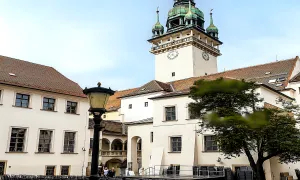
Fotografie: Thomas Ledl / CC BY 4.0, rozlišení zvýšeno umělou inteligencí — Wikimedia Commons. The author and licence also appear when you hover over the image.
Faktickým podkladem tohoto textu byl článek na Wikipedii, jehož autory jsou přispěvatelé Wikipedie. Článek je dostupný pod licencí CC BY-SA 4.0.
Location on the map
Příběhy a pověsti
Legendy, pověsti a příběhy spjaté s touto památkou
Fotografie návštěvníků
Zatím žádné fotografie. Buďte první, kdo přidá fotografii z návštěvy!
Přihlaste se a přidejte svou fotografii nebo hodnoťte.
Za ověřenou návštěvu v aplikaci získáte víc bodů — poznáme podle GPS, že jste na místě.
Reviews and comments