






Bývalá městská věznice Prison
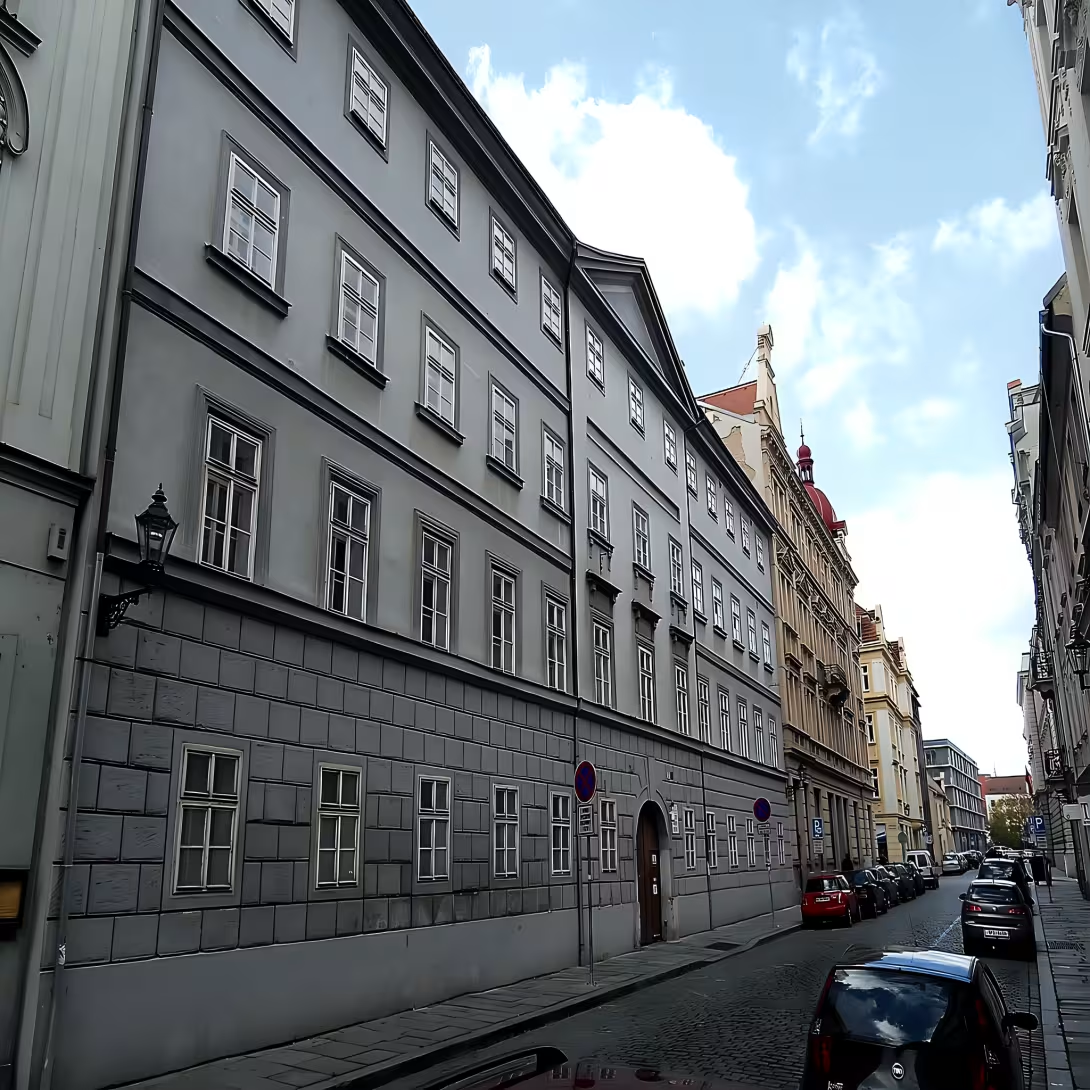
The Bývalá městská věznice in Plzeň is a notable historical monument located at Veleslavínové ulici in the city's historic core. Constructed between 1820 and 1821, this three-story building stands out for its Empire style architecture, which is relatively rare in Plzeň. Originally built to replace an older prison facility, it has been recognized as a cultural monument since October 25, 1963.
Built during the early 19th century, a period marked by Europe's recovery from the Napoleonic Wars, the Bývalá městská věznice reflects the era's cultural aspirations through its grand and orderly Empire style. This building replaced an earlier medieval prison that had stood on the site since at least the 15th century. Local tradition suggests Jan Sladký Kozina may have been imprisoned there.
Architecturally, the Bývalá městská věznice is distinguished by its Empire style features. Designed by architect Kottnauer, it boasts a gabled roof and a street-facing facade with 13 window axes. A shallow risalit in the central three axes is topped by a tympanum, adding to its distinctive appearance. The ground floor is plastered, with windows set into brickwork featuring cornices. Notably, a keystone above the entrance portal enhances the building's architectural detail.
Over time, the Bývalá městská věznice has undergone significant changes in function and administration. In 1961, it became home to the Archiv města Plzně, which moved from its previous location at sady 5. května čp. 61. This transition allowed the archive to accommodate additional collections due to the larger spaces available within the former prison.
Today, the Bývalá městská věznice is not only a cultural monument but also an active part of Plzeň's historical landscape. Its transformation into an archival space underscores its adaptability and continued relevance. Visitors can appreciate its architectural beauty and historical significance, making it a worthwhile destination for those interested in the rich history of Plzeň.
The Bývalá městská věznice stands as a testament to the architectural and cultural evolution of Plzeň. Its preservation as a cultural monument ensures that future generations can explore its storied past and appreciate its unique design. This site invites visitors to delve into the history of a city shaped by centuries of change, offering a tangible connection to the past within the vibrant heart of Plzeň.
Then and now
Drag the slider to compare how the landmark may have looked when it was built with the view today.
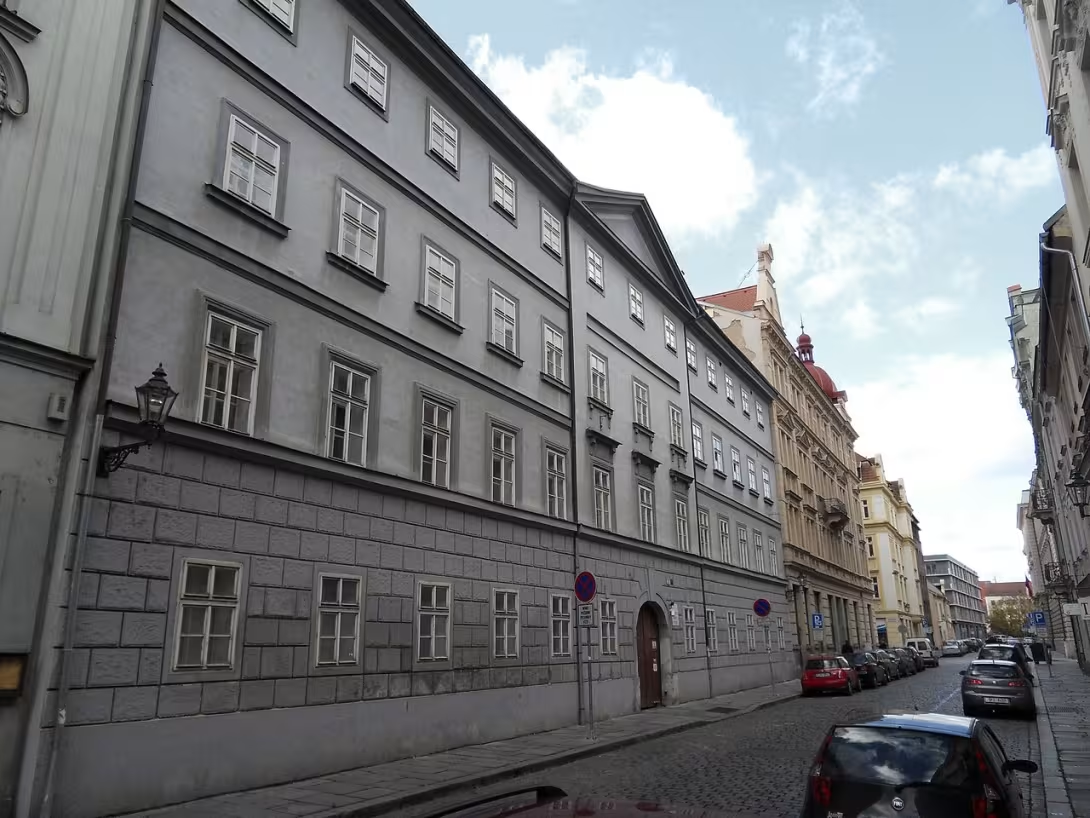
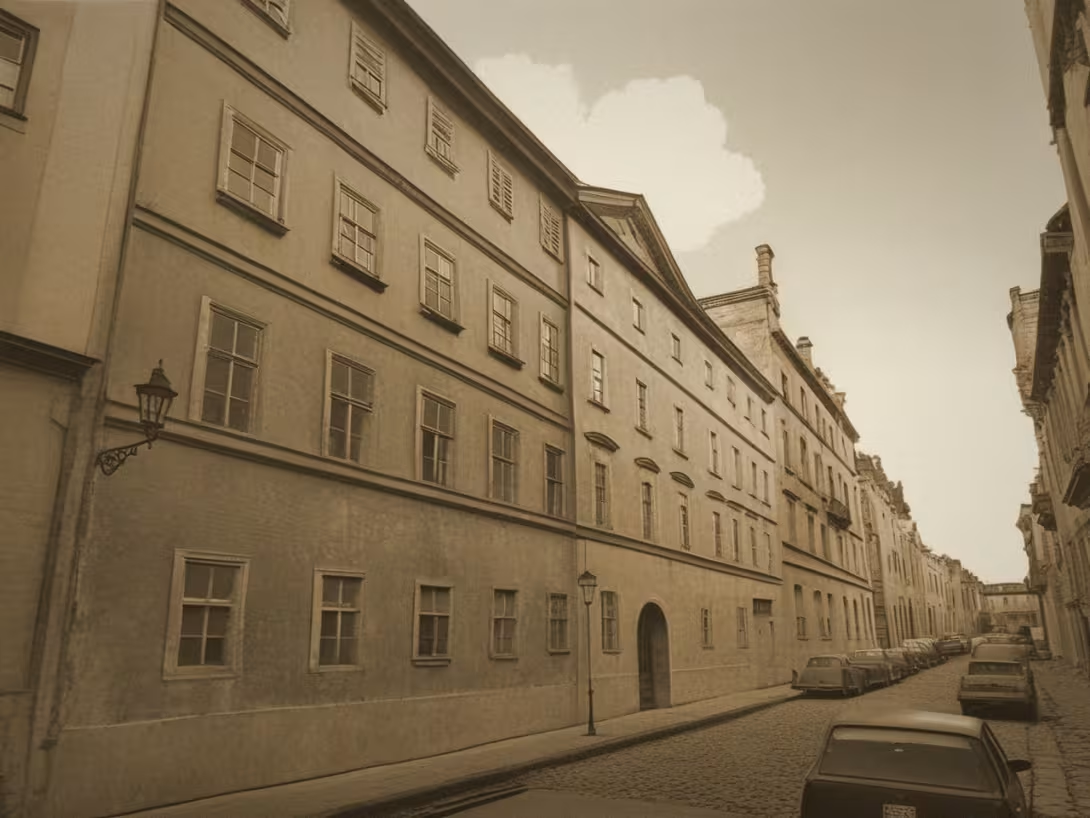
The historical appearance on the left is an AI-generated visualisation and serves as inspiration only.
Historical milestones
- 1963
- The building was designated as a cultural monument.
Architectural development
The Bývalá městská věznice was constructed between 1820 and 1821 in the Empire style, characterized by its three-story structure with a gabled roof. The street-facing facade features 13 window axes, with a shallow risalit in the central three axes topped by a tympanum. The ground floor is plastered, with windows set into brickwork with a cornice. A distinctive keystone above the entrance portal adds to its architectural detail.
Historical events
1820–1821: Construction completed under architect Kottnauer in Empire style.
1961: The building became home to the Archiv města Plzně, allowing it to accommodate additional archival collections.
Points of interest
- The Bývalá městská věznice was constructed during a time when Europe was recovering from the Napoleonic Wars, reflecting the cultural aspirations of that era through its Empire style architecture.
- Local tradition holds that Jan Sladký Kozina, a notable figure in Czech history known for his resistance against Austrian rule, may have been imprisoned within these walls, adding to its historical intrigue.
- Architecturally unique for Plzeň, the building's design by Kottnauer includes a shallow risalit and a tympanum on the central facade, features that are not commonly found in other structures from this period in the city.
- Before becoming an archive, the Bývalá městská věznice served as a prison for over 150 years, witnessing significant historical events and societal changes throughout its operational history.
- The transition of the building to house the Archiv města Plzně in 1961 marked a shift from incarceration to preservation, allowing it to accommodate extensive archival collections that document Plzeň's rich history.
Guide
This guide is narrated by a synthetic voice generated by artificial intelligence.
Show guide text
This text was created by artificial intelligence and has not been editorially reviewed. It may contain inaccuracies.
Welcome to the Bývalá městská věznice, a remarkable piece of history nestled in the heart of Plzeň at Veleslavínové ulici. As you stand here, take a moment to appreciate this three-story structure that has stood since its construction between 1820 and 1821. Its Empire style architecture is a distinctive feature, setting it apart from other buildings in the area.
The creation of this building came during a period when Europe was recovering from the Napoleonic Wars. This era sought cultural expression through architectural design, which is evident in the grandeur of the Empire style that adorns this structure. Architect Kottnauer designed the prison to replace an older facility, and his vision has been preserved for nearly two centuries.
As you gaze at the building, notice its gabled roof stretching across 13 window axes—a testament to the architectural precision of the time. The facade invites you to explore its historical depth, capturing a moment in Plzeň's past when this style was rare yet impactful.
While specific stories and personalities directly tied to the prison remain largely unknown, local tradition whispers tales of Jan Sladký Kozina, whose legacy is intertwined with Czech history. Though not much detail survives about his connection here, it adds a layer of intrigue to your visit.
An interesting tidbit: in 1963, this building was designated as a cultural monument, preserving its significance for future generations. This recognition underscores the importance of maintaining such historical sites and invites us to reflect on their stories.
As you continue exploring, let yourself be drawn into the narrative woven through these walls. Each step around the Bývalá městská věznice offers a glimpse into the past, encouraging curiosity about what lies beyond its history. Thank you for joining this journey; we hope it inspires further exploration of Plzeň's rich cultural tapestry.
Tips for visitors
The best time to visit the Bývalá městská věznice is during late spring or early fall when the weather is pleasant, making it ideal for exploring both indoors and outdoors. These seasons offer comfortable temperatures that enhance your experience of walking through Plzeň’s historic core. Additionally, visiting outside of peak tourist season can provide a more intimate exploration of this significant site.
Parking near the Bývalá městská věznice may be limited due to its location in the historic center of Plzeň. It is advisable to use public transportation or park at designated areas further from the core and walk to your destination. The area is well-served by local buses, making it convenient for visitors who prefer not to drive.
When visiting the Bývalá městská věznice, consider bringing a camera to capture its architectural details and historical ambiance. Early morning or late afternoon provides the best natural light for photography, casting soft shadows that highlight the building's features. Additionally, carrying a water bottle and wearing comfortable shoes will ensure you enjoy your visit comfortably.
For families with children visiting the Bývalá městská věznice, it’s a good idea to plan some interactive activities or breaks during the tour. The historic core of Plzeň offers several nearby attractions within 30 minutes that can be enjoyable for kids, such as exploring other historical landmarks and engaging with local culture.
Nearby attractions include other significant historical buildings and landmarks in the vicinity of Plzeń's historic center. Within a short walking distance or a brief public transport ride, visitors can explore additional sites that offer insights into the city’s rich history and cultural heritage.
Businesses nearby
Do you run a restaurant, accommodation, shop, museum, rental, wellness or other visitor service near this monument? Show yourself directly to the people heading to it — this is how they will see you in the app and on the web:
Events nearby


Zdroj akcí: otevřená data měst a obcí ČR (Národní katalog otevřených dat) a kalendář akcí Národního památkového ústavu.
Nearby
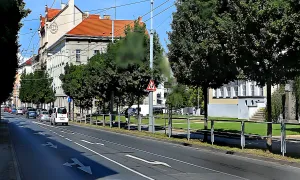
Situated in the historic core of Plzeň, the former municipal prison is surrounded by other significant historical buildings and landmarks.
Accommodation nearby
Trips and activities nearby
Guided tours, tickets and activities nearby from GetYourGuide
Affiliate link: if you buy from the partner, we may receive a commission. The price for you does not change.
Search tours and activities →Themed route
Tematická výletní trasa: Historické srdce Plzně
1. Bývalá městská věznice (věznice) Typ: Historická památka Proč stojí za návštěvu: Tato bývalá městská věznice je klíčovou součástí historie Plzně, umístěná uprostřed historického jádra města. Návštěvníci mají možnost prozkoumat architektonický styl a historii vězení, které hrálo důležitou roli ve společenském životě Plzně.
2. Kostel svatého Bartoloměje Typ: Historický kostel Proč stojí za návštěvu: Kostel svatého Bartoloměje je jedním z nejstarších a nejvýznamnějších sakrálních budov v Plzni. Jeho gotický architektonický styl a historie, která sahá do 13. století, nabízejí návštěvníkům pohled na bohatou duchovní tradici města.
3. Plzeňské radnice Typ: Historický administrativní objekt Proč stojí za návštěvu: Plzeňská radnice je ikonickým symbolem městského centra, známá svou impresivní goticko-renaissanční architekturou. Je to místo, kde se konaly důležité rozhodnutí o osudu Plzně a poskytuje návštěvníkům vhled do historie městské správy.
4. Plzeňský hrad Typ: Historický hrad Proč stojí za návštěvu: I když není v okolních údajích uveden, Plzeňský hrad je neodmyslitelnou součástí historického jádra města. Jeho výhledy a historie sahající do 10. století nabízejí návštěvníkům pohled na dlouhou historii regionu.
5. Pivovar Prazdroj Typ: Historické pivovary Proč stojí za návštěvu: Pivovar Prazdroj je nejen jedním z nejznámějších pivovarů v České republice, ale také klíčovou součástí kulturní a hospodářské historie Plzně. Návštěvníci mohou prozkoumat proces pivaření a pochopit důležitost pivovaru v regionálním rozvoji.
Tato trasa nabízí návštěvníkům komplexní pohled na historické a kulturní bohatství Plzně, od architektonicky zajímavých památek požitkového charakteru.
Seasonal recommendations
Spring: Visiting the former municipal prison during spring offers a unique experience as nature begins to awaken around Plzeňský kraj. The blooming flowers and fresh greenery create a stark contrast with the historic architecture of the site, enhancing its atmospheric allure. This season is ideal for photography enthusiasts who can capture the interplay between history and nature in vibrant colors. With milder temperatures, it's recommended to wear comfortable layers that can adapt to fluctuating weather conditions. Early morning visits are advisable to avoid larger crowds as tourists flock to enjoy the region’s natural beauty.
Summer: Summer at the former municipal prison is characterized by long daylight hours, providing ample time for exploration and photography. The lush surroundings offer a picturesque backdrop, while the warm weather encourages visitors to spend more time outdoors. However, summer also brings increased visitor numbers, so arriving early in the day can help avoid crowds. Comfortable walking shoes and light clothing are essential due to higher temperatures, and carrying water is advisable to stay hydrated during your visit.
Autumn: Autumn transforms the former municipal prison into a captivating site with its warm hues of reds, oranges, and yellows. The changing leaves create an enchanting atmosphere that complements the historical significance of the location. This season typically sees fewer visitors compared to summer, offering a more tranquil experience. Visitors should dress in layers to accommodate cooler temperatures and occasional rain showers. A late afternoon visit can be particularly rewarding as the golden light enhances the site's historic features.
Winter: Winter brings a serene and introspective atmosphere to the former municipal prison, with snow-covered surroundings adding a mystical quality to the site. The shorter daylight hours mean visits are best planned for midday when there is more natural light available. Although fewer tourists visit during this time, it’s important to dress warmly in layers and wear waterproof footwear due to potential icy conditions. The quietness of winter allows visitors to reflect on history in a peaceful setting, making it an ideal time for those seeking solitude.
Visualizations and artistic views


The visualisations are generated by artificial intelligence and serve as inspiration.
Photos from the area
Real photos taken near the monument

Zdroj a licence jsou uvedeny u každého snímku.
Atmosphere of the place
This atmospheric visualisation of the place and period was generated by artificial intelligence. It is not real footage of the location.
Tips from visitors
No tips yet. Be the first!
Log in and add your tip.
Sources and literature
Photos: Jik jik / CC BY-SA 4.0, rozlišení zvýšeno umělou inteligencí — Wikimedia Commons. The author and licence also appear when you hover over the image.
Faktickým podkladem tohoto textu byl článek na Wikipedii, jehož autory jsou přispěvatelé Wikipedie. Článek je dostupný pod licencí CC BY-SA 4.0.
Location on the map
More monuments – Plzeň
Show all in the municipality

Příběhy a pověsti
Legendy, pověsti a příběhy spjaté s touto památkou
Fotografie návštěvníků
Zatím žádné fotografie. Buďte první, kdo přidá fotografii z návštěvy!
Přihlaste se a přidejte svou fotografii nebo hodnoťte.
Za ověřenou návštěvu v aplikaci získáte víc bodů — poznáme podle GPS, že jste na místě.
Reviews and comments