



Cechovní 21 House
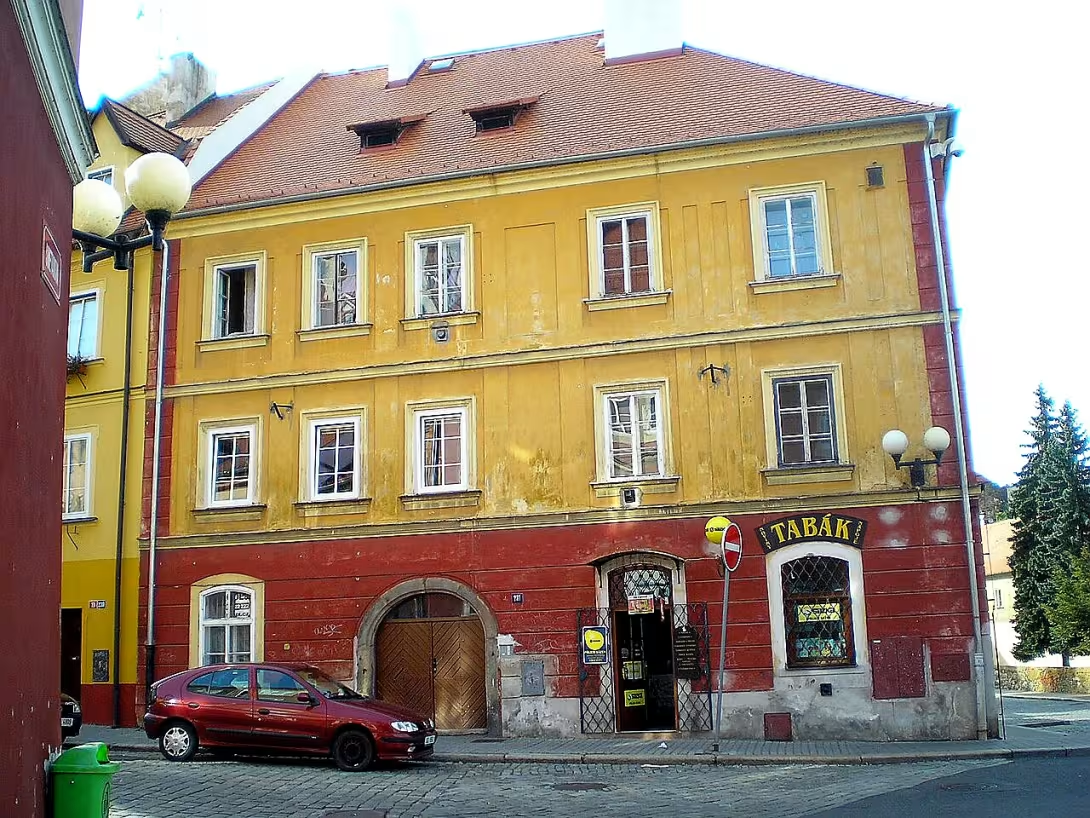
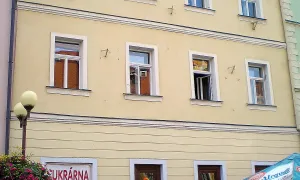
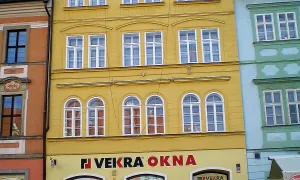
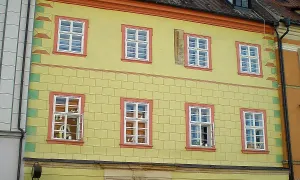
The house at Kamenná 231 / 21 in Cheb in the Karlovy Vary Region is a cultural monument of the Czech Republic. This two-storey object on a rectangular plan is a remarkable layer of several architectural periods from Gothic to 20th century.
Only basic building data is available about the oldest history of the building. Its core was created during the period of goth. In the following centuries the house underwent gradual adjustments that reflected period trends and needs.
Architectural construction evolved from the original Gothic style through Renaissance and Baroque reconstruction. Another major intervention in appearance and structure took place in the 20th century. An important element of today's facade is the entrance forming a stone semi-circular portal.
Information on specific owners or the dramatic fate of the building is not included in the available register documents. Thanks to the long construction history and protection regime, however, the building is recognised as an important part of the urban structure of the city Cheb.
Today the house serves as a testament to the transformation of urban buildings over several centuries. It is particularly interesting for visitors as an example of the continuity of architectural styles within one building.
This monument represents an authentic fragment of Cheb history. It shows the development of construction from medieval to modern times. When studying local architecture, it is recommended to include the building in a sightseeing tour of the city.
Historical milestones
- middle ages
- The foundation of the building's core in Gothic style.
- 16th to 17th century
- Renovation in Renaissance and Baroque style.
- 20th century
- A fundamental reconstruction affecting the facade and structure.
Architectural development
The original Gothic object was rebuilt in the Renaissance and the Baroque. Another major reconstruction took place in the 20th century. The entrance to the building consists of a stone semi-circular portal.
Points of interest
- The building is a remarkable layer of several architectural periods from Gothic to 20th century. The core of the house was created during the Gothic period. - The construction evolved from Gothic style through renaissance and baroque reconstruction to 20th century interventions. - A significant element of today's facade is the entrance forming a stone semi-circular portal. - The object serves as an example of the continuity of architectural styles within one building.
Guide
Show guide text
This text was created by artificial intelligence and has not been editorially reviewed. It may contain inaccuracies.
Welcome to Cheb, a city with rich history, where every stone tells its own story. Right now, you're standing in front of a house on Cechné Street under number 21. Look at this building, which now welcomes you with its presence. It is a two-storey house, which, with its size, is a fixed part of the picture of this place. When you look at it, you see an object built on a rectangular plan, which gives it stability and a certain order. It is a home that carries traces of many centuries and is protected as a cultural monument of the Czech Republic, which means that the state recognises its irreplaceable value for our common heritage.
Stop for a moment and feel the atmosphere surrounding this house. Although, at first glance, it may look like an ordinary urban building, its history is much more complex than it might seem. Let's move forward in time together and try to imagine how this space evolved. Although the exact dates and names of the people who designed it remain in the fog of time, the construction itself tells us its story through its changes. This house is not the product of a single time, but rather a living organism that adapted to the needs of its inhabitants and the spirit of the time in which it stood.
Now pay attention to the overall appearance of the building. If you look carefully at its structure, you will realize that there is an architectural record of history before you. Originally, this house was built in a period of goth. So imagine the time of rougher walls and narrow spaces, when architecture was focused on vertical and strength. Gothic was the basis on which everything began. But time passed and new trends and needs came with it. The house was subsequently modified in Renaissance style, which brought more light, harmony and human dimension. Later, they were joined by a Baroque who brought dynamism and some revenge into architecture.
Notice how fascinating it is the idea that one building can be such a bridge between different epoch. From the Gothic core to the Renaissance adjustments to the Baroque details. Each of these editions left a trail in the house, even if it's hidden beneath later layers today. The highlight of these changes was another major reconstruction that took place in the twentieth century. This means that the house you see today is the result of a long process of constant transformation. It's basically a layered pie of history where each layer represents a different century and a different view of what an ideal city house should look like.
When you look at the facade, try to realize that you see not only the walls, but the results of the work of many craftsmen and builders, whose names we no longer know today. This is the secret of many monuments in the centre of Cheb. These are not just monuments for famous people, but testimony about the daily lives of the people, their prosperity, how they wanted to improve and modernise their housing. Although we don't know exactly who lived in these premises or who was the main architect, the very existence of a house on Cechen Street tells us that there was a need for stability and aesthetics.
While you're going around the building or looking at it from different angles, think about how many generations of people have passed around this house. How many talks have been held here, how many trade agreements have been concluded and how many views have fallen on these walls. It's fascinating that even though we don't know the specific names of the historical personalities associated with this place, the house itself stands as a silent witness to everything that happened in Cheb.
Perhaps now you wonder why this house is so important when it doesn't have one big, famous legend or famous owner to write books about. That is where its greatest mystery and its greatest value lie. This object is a representative of urban development. It is an example of how the city of Cheb changed and how its inhabitants adapted to new influences. The mystery remains exactly what the original Gothic form looked like and which elements of it survived until now. Who knows what lies deep in the corners of the building or its foundations? Perhaps there are still fragments of the ancient medieval world waiting to be rediscovered.
Take another look at this two-story object. Feel his rectangular plan and imagine how people moved in it hundreds of years ago. It's where the old meet the new ones. The Gothic, Renaissance, Baroque and modern times of the twentieth century are connected here in one whole. It is a reminder that nothing is static and that even architecture must breathe and change to survive.
Now that you've looked at this house and learned of its long journey through centuries, it's time to move on. Cheb has many other gems waiting for you. I suggest you continue to explore the surrounding streets, where you will probably encounter other buildings that have a similar rich, perhaps forgotten history. Follow the details, feel the rhythm of the city and be guided by curiosity.
Thank you for taking a moment at this house on Cechovní Street. I hope you were interested in this short trip in time and that you could imagine how this building was changing throughout history. I wish you a pleasant further walk along Cheb and many new discoveries. Goodbye.
Tips for visitors
The best time to visit is the spring or summer period, when the details of the facade of the house in the street Cechovny are best seen thanks to the natural light. The building is available by car and public transport; Check the current connection in the search engine.
Since it is a residential building, we recommend taking only a photographic machine and a map of the city.
For the best photos we recommend to come in the morning or afternoon hours when the sun hits the oblong ground plan of the house at an angle that highlights traces of historical reconstruction on the facade.
Families with children can use the tour as a short lesson on the history of urban construction and try to find differences in the architecture of this house compared to other buildings around.
Frequently asked questions
Can the monument be visited?
This is a residential or farm building, not a museum with opening hours. Please view it from public space and respect the owners' privacy. We have no information about access to the interior.
Where is the monument?
Location: Kamenná 231/21, Cheb, Karlovarský kraj. The map on this page shows the exact spot.
Why is the monument protected?
It is listed in the Central List of Cultural Monuments of the Czech Republic as a cultural monument (register no. 18109/4-3666).
Businesses nearby
Do you run a restaurant, accommodation, shop, museum, rental, wellness or other visitor service near this monument? Show yourself directly to the people heading to it — this is how they will see you in the app and on the web:
Nearby
➜ Zobrazit interaktivní přehled okolí – restaurace, ubytování, půjčovny a další místa v okruhu 15 km.
Data: OpenStreetMap contributors, okruh 15 km.
🏰 Historické památky
- Chebské muzeum (0.2 km – náměstí Krále Jiřího z Poděbrad 3)
- Chebský hrad (0.2 km)
- Galerie 4 (0.4 km – Františkánské náměstí 30/1)
- Pomník Johanna Wolfganga Goetha (4.2 km)
- Památník obětem železné opony (4.6 km)
- Městské muzeum (4.7 km)
- Künstlerhaus (9.9 km – Egerstraße 3)
- hrad Hohenberg (10.5 km)
🍽️ Restaurace a stravování
- U Kata (0.3 km – Židovská 17)
- Stop Cafe (0.4 km)
- Dejavu (0.6 km – Svobody 543/7)
- Kamenný Dvůr (6.4 km)
- Restaurace Seeberg (8.2 km – Ostroh 2)
- Bronzový dukát (10.2 km)
- Gasthaus Egertal (11.1 km)
- Restaurant & Cafe Schloss (12.1 km – Schloßplatz 1)
🏨 Ubytování
- Modrý Věžák (1.5 km – Dyleňská 1205/24)
- Resort Stein (2.5 km – 10)
- Tršnice (4.1 km)
- Otava (4.3 km)
- Retro-Camp Tršnice (4.9 km)
- Penzion Selský dvůr (6.6 km)
- Penzion Seeberg (8.2 km – Ostroh 2)
- Hrad Vildštejn (9.8 km)
🚲 Půjčovny a sport
- Better Fitness (0.5 km – Komenského 7)
- Sport Flori (0.7 km – Valdštejnova 8)
- Sportisimo (0.8 km)
- Hervis (1.0 km)
- plavecký bazén Chetes (1.1 km)
- Jízdní kola (1.4 km)
- TJ lokomotiva (1.6 km)
- Hard Core Gym (5.1 km)
🥾 Turistika a příroda
- Skalní útvar (3.1 km)
- Komorní hůrka (3.2 km)
- Hranice / Die Grenze (6.0 km)
- Starý Hrozňatov (6.7 km)
- Císařský pramen (7.8 km)
- Kapplblick (9.6 km)
- Wanderwege um Hohenberg (9.8 km)
- Grenzwandlerweg (9.8 km)
Accommodation nearby
Themed route
Walk in the center of Cheb
1. Cechovní 21 (others) - The main destination of the trip, where you can see the unique architecture and details of this particular house. 2. Area Cechovní 21 (courtyard and surrounding area) - Walk the immediate surroundings of the building, which allows you to perceive the atmosphere of the historical core of the village.
Seasonal recommendations
In the spring, the surroundings of the house are awakened into colours and the soft light hitting the facade highlights the details of the building. It is advisable to choose a morning walk when the air is fresh. We recommend shoes suitable for wet terrain and light outdoor clothing.
In the summer months, the clear sun and hot air dominates space, creating contrast with the cold of tightened alleys. It is best to visit the place in the early hours of the morning to avoid the greatest heat and the main stream of passengers. Don't forget the hat and the light underwear.
Autumn brings golden shades of leaves and a specific fog that gives the building a mysterious look. The atmosphere is quieter and less busy. A warm sweater and waterproof shoes are ideal for comfortable outdoor research, because the surfaces can be slippery.
In winter, the building is more strict, often accompanied by snow, which will dampen the city's noise. The lighting is short and cold, which creates a melancholy mood. It is necessary to wear a warm layer of clothing, gloves and a fixed sole for safe movement around the area.
Visualizations and artistic views


The visualisations are generated by artificial intelligence and serve as inspiration.
Photos from the area
Real photos taken near the monument


Zdroj a licence jsou uvedeny u každého snímku.
Tips from visitors
No tips yet. Be the first!
Log in and add your tip.
Sources and literature
Photos: Novojaro / CC BY-SA 3.0 — Wikimedia Commons. The author and licence also appear when you hover over the image.
Location on the map
Příběhy a pověsti
Legendy, pověsti a příběhy spjaté s touto památkou
Fotografie návštěvníků
Zatím žádné fotografie. Buďte první, kdo přidá fotografii z návštěvy!
Log in a přidejte svou fotografii nebo hodnoťte.
Za ověřenou návštěvu v aplikaci získáte víc bodů — poznáme podle GPS, že jste na místě.
Reviews and comments