



českobratrský kostel v Pečkách Church
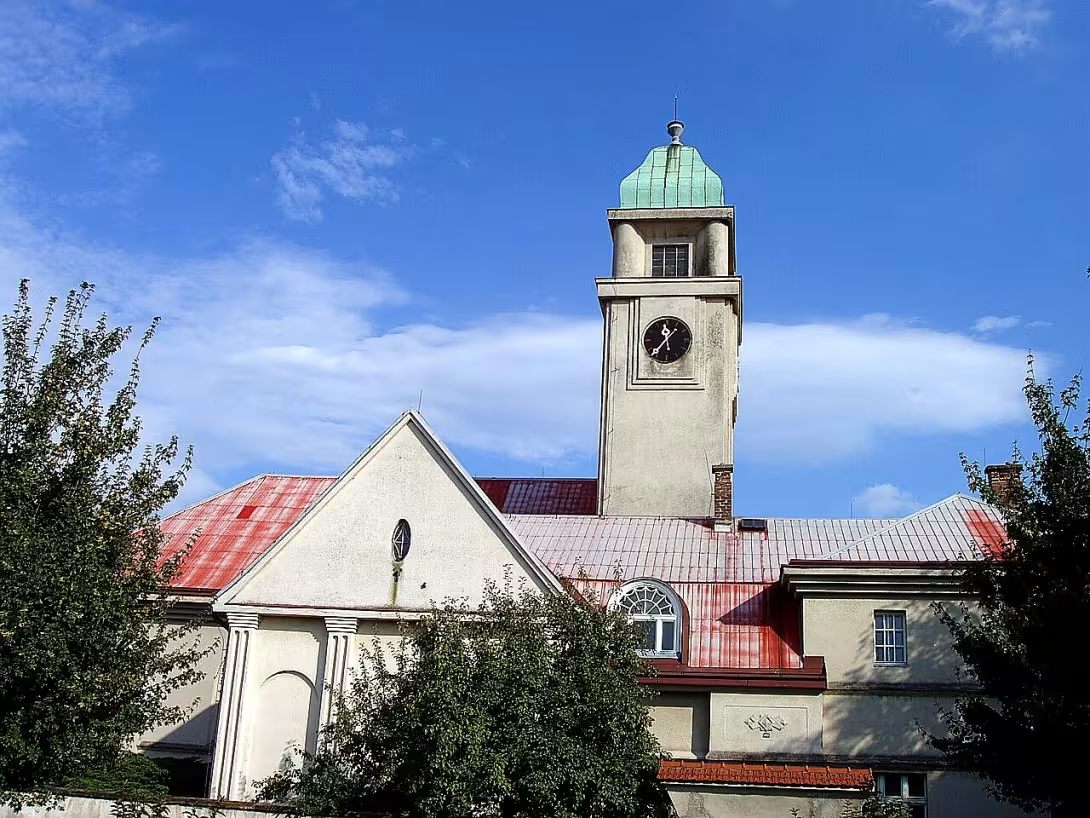
The Českobratrský kostel v Pečkách, also known as the Jubilejní chrám Mistra Jana Husa, is a remarkable cultural monument located in Pečky, Středočeský kraj. Designed by architect Oldřich Liska and constructed between 1914 and 1916, this church commemorates the 500th anniversary of Jan Hus's execution. It stands out for its unique blend of geometric secession (Art Nouveau) and Cubism styles, featuring a rare complete Cubist interior in Czechia. Since 1995, it has been protected as a cultural monument due to its historical significance and architectural uniqueness.
The church was built during a period of national awakening and cultural renaissance in early 20th century Czechia. This era saw heightened interest in commemorating significant figures like Jan Hus, who symbolized resistance against ecclesiastical authority. The decision to construct the church was made by Pečečtí evangelíci to honor both Jan Hus and Jerome of Prague, pivotal figures in the Hussite Reformation. Financial contributions from Czech expatriates in the USA played a crucial role in its construction. The foundation stone was laid on May 16, 1914, marking the anniversary of Hus's execution, but World War I significantly delayed progress. Despite these challenges, construction was completed by May 16, 1916, and the church was consecrated on May 18, 1918.
Architecturally, the Českobratrský kostel v Pečkách is a testament to Oldřich Liska's innovative vision. The building harmoniously blends geometric secession with Cubism, creating an extraordinary aesthetic experience. Inside, visitors can admire several Cubist elements that enhance its artistic value: stained glass windows, polygonal chandeliers, an altar table, pews, intricate floor decor, and organ pipes. This complete Cubist interior is unparalleled in Czechia, making the church a unique example of early 20th-century architectural experimentation.
The church's significance extends beyond its architecture; it serves as a lasting tribute to Jan Hus and Jerome of Prague. These figures were central to the Hussite Reformation, which sought to reform the Church and promote religious freedom. By commemorating both individuals within the same structure, the Českobratrský kostel v Pečkách underscores their intertwined legacies in Czech history.
Today, the church remains a site of cultural importance and is accessible to visitors interested in exploring its historical and architectural significance. Its preservation as a cultural monument ensures that future generations can appreciate this unique blend of styles and its commemorative purpose. The Českobratrský kostel v Pečkách is not only an architectural marvel but also a symbol of Czech heritage, inviting all who visit to reflect on the enduring impact of Jan Hus and Jerome of Prague.
Visiting the Českobratrský kostel v Pečkách offers a unique opportunity to experience a rare example of Cubist architecture within a religious setting. Its historical significance and artistic beauty make it a must-see for anyone interested in Czech culture and history.
Then and now
Drag the slider to compare how the landmark may have looked when it was built with the view today.
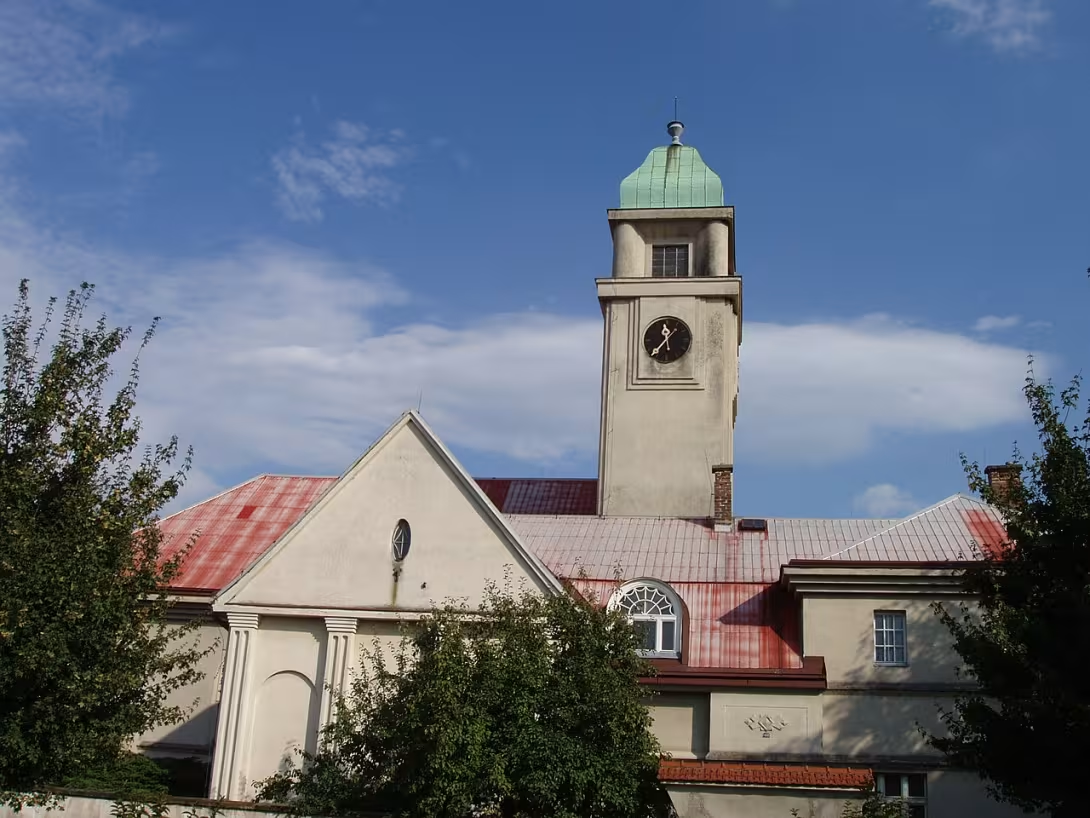
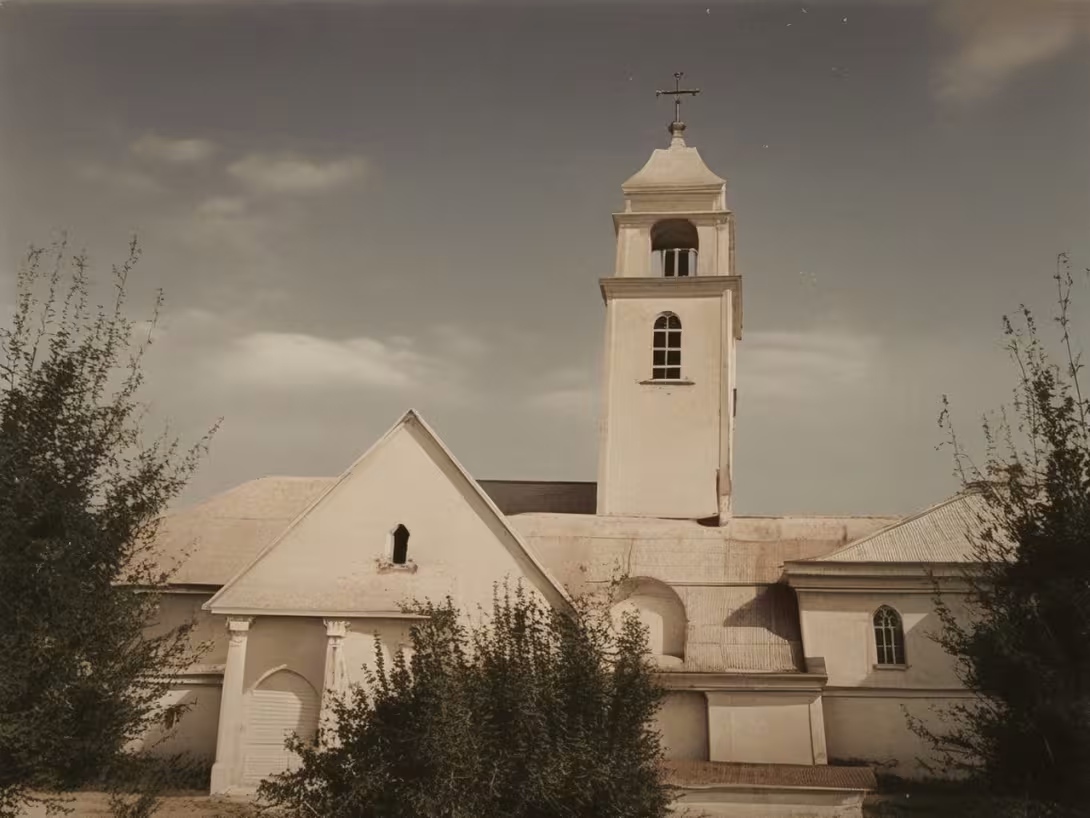
The historical appearance on the left is an AI-generated visualisation and serves as inspiration only.
Historical milestones
- 1914
- Foundation stone laid to commemorate the 500th anniversary of Jan Hus's execution.
- 1916
- Construction completed.
- 1918
- Church consecrated.
Architectural development
The church was designed by Oldřich Liska in a unique blend of geometric secession and Cubism styles. It features several Cubist elements such as stained glass windows, polygonal chandeliers, an altar table, pews, floor decor, and organ pipes.
Historical events
The foundation stone was laid on May 16, 1914, to mark the 500th anniversary of Jan Hus's execution.
Construction was completed and consecrated on May 16, 1918.
Points of interest
- The Českobratrský kostel v Pečkách was constructed during a period of national awakening in early 20th century Czechia, reflecting the era's cultural renaissance and interest in commemorating historical figures like Jan Hus.
- Despite being designed to honor both Jan Hus and Jerome of Prague, the church is more commonly known as the Jubilejní chrám Mistra Jana Husa, emphasizing its primary connection to Jan Hus.
- Financial support from Czech expatriates in the USA was crucial for the construction of the church, highlighting the global Czech community's commitment to preserving their cultural heritage.
- The foundation stone was laid on May 16, 1914, coinciding with the anniversary of Jan Hus's execution, but World War I caused significant delays in the construction process.
- Inside the Českobratrský kostel v Pečkách, visitors can explore a complete Cubist interior featuring stained glass windows and polygonal chandeliers, making it an unparalleled example of early 20th-century architectural experimentation in Czechia.
Guide
This guide is narrated by a synthetic voice generated by artificial intelligence.
Show guide text
This text was created by artificial intelligence and has not been editorially reviewed. It may contain inaccuracies.
Welcome to the Českobratrský kostel v Pečkách, a remarkable cultural monument nestled in the heart of Pečky, Středočeský kraj. As you stand before this architectural gem, take a moment to absorb its presence—a testament to history and artistry that has stood here since the early 20th century.
This church, also known as Jubilejní chrám Mistra Jana Husa, was designed by the visionary architect Oldřich Liska. Its construction spanned from 1914 to 1916, a period marked by national awakening in Czechia. The foundation stone was laid with great intent—to commemorate the 500th anniversary of Jan Hus's execution. By 1918, this structure was consecrated, serving as both a spiritual haven and a monument to historical reflection.
As you gaze upon the church’s façade, notice its unique blend of geometric secession (Art Nouveau) and Cubism styles—a rarity that sets it apart from other structures of its time. These architectural elements reflect the cultural renaissance of early 20th century Czechia, capturing both innovation and reverence for history.
Let's delve into some key figures associated with this site. Jan Hus, a seminal figure in religious reform and a symbol of national pride, is commemorated here alongside Jeroným Pražský. Both men played pivotal roles during the Hussite movement, advocating for changes that resonated deeply within Czech society.
Now, consider an intriguing aspect: although primarily designed to honor Jan Hus and Jerome of Prague, the church also embodies a broader narrative of cultural resurgence. It stands as a testament not only to these historical figures but also to a nation's quest for identity during a transformative era.
As you continue your exploration, I invite you to immerse yourself in the atmosphere surrounding this site. Reflect on its history and the stories it holds within its walls. The Českobratrský kostel v Pečkách is more than just a building; it's a bridge connecting past and present.
Thank you for joining me today, and I encourage you to delve deeper into the rich tapestry of history that this church represents. Enjoy your visit!
Tips for visitors
The best time to visit the Českobratrský kostel v Pečkách is during late spring or early autumn when the weather is pleasant, allowing for a comfortable exploration of both the church and its surroundings. These seasons offer clear skies and mild temperatures, making it ideal for walking around and appreciating the architecture without the discomforts of summer heat or winter cold. Additionally, visiting outside the peak tourist season can provide a more serene experience with fewer crowds.
This will help plan your journey efficiently.
When visiting, it's recommended to bring comfortable walking shoes as there may be some uneven paths around the church area. A camera is also advisable for capturing the stunning architecture and serene atmosphere of the church. Additionally, carrying a light jacket or sweater can be useful due to variable weather conditions, even during warmer months.
For photography enthusiasts, the best spots are likely at the entrance and from various angles around the church to capture its unique architectural details. Early morning or late afternoon is ideal for lighting, providing soft shadows that highlight the structure's features. Keep in mind that flash photography may be restricted inside the church, so check any posted guidelines.
For families with children, a visit to the Českobratrský kostel v Pečkách can be both educational and enjoyable. The area around the church is suitable for short walks, allowing kids to explore safely while learning about its historical significance. Nearby attractions within 30 minutes include local parks or small museums that offer interactive exhibits, making them perfect for a family outing.
In terms of nearby places to see, consider visiting locations within a 30-minute drive or public transport ride from Pečky. These might include other cultural sites or natural landscapes in the Středočeský kraj region, offering additional opportunities for exploration and learning about local history and culture.
Frequently asked questions
Can the monument be visited?
Religious buildings are usually open mainly during services; at other times a visit is normally arranged with the parish or the operator. We have not verified specific times.
Where is the monument?
Location: Husovo náměstí, Pečky, Středočeský kraj. The map on this page shows the exact spot.
Why is the monument protected?
It is listed in the Central List of Cultural Monuments of the Czech Republic as a cultural monument (register no. 10555/2-4300).
Businesses nearby
Do you run a restaurant, accommodation, shop, museum, rental, wellness or other visitor service near this monument? Show yourself directly to the people heading to it — this is how they will see you in the app and on the web:
Accommodation nearby
Trips and activities nearby
Guided tours, tickets and activities nearby from GetYourGuide
Affiliate link: if you buy from the partner, we may receive a commission. The price for you does not change.
Search tours and activities →Themed route
Tematická Výletní Trasa: Českobratrský Kostel v Pečkách
1. Českobratrský kostel v Pečkách (Kostel) - Typ: Historická památka, náboženské místo - Proč stojí za návštěvu: Tento kostel je jedním z nejstarších příkladů českobratrské architektury v Česku. Jeho historie sahá do 16. století, kdy se zde uskupení bratrských kněží snažilo prosazovat reformní ideje. Je to nejen důležitý náboženský symbol, ale také architektonická perla, která nabízí pohled na historii českého protestantismu.
2. Kaple svaté Anny (Kaple) - Typ: Kaple - Proč stojí za návštěvu: Tato kaple je situována nedaleko kostela a sloužila jako místo modlitby pro místní obyvatelstvo. Je to významná památka, která představuje tradiční náboženské zvyky regionu. Navštívit ji je možnost se dozvědět více o místních tradicích a duchovním životě obyvatel Peček.
3. Památník padlým v první světové válce (Pomník) - Typ: Památník - Proč stojí za návštěvu: Tento památník je poctou těm, kteří zde ve druhé polovině 19. století padli v první světové válce. Je to místo pro reflexi a uznání obětí válečných konfliktů. Navštívíte-li ho, můžete ocenit historický kontext regionu a jeho zapojení do širších dějin Evropy.
4. Náves (Veřejné prostranství) - Typ: Veřejná náves - Proč stojí za návštěvu: Náves v Pečkách je centrem místního života, kde se dnes konají různé kulturní akce a trhy. Je to místo, které nabízí pohled na současnou komunitu a její aktivity. Prozkoumáním návsi můžete zažít atmosféru obce a přiblížit se k jejím obyvatelům.
Tato trasa nabízí kombinaci historických, kulturních a duchovních zážitků v malé, ale bohaté na tradice obci Pečky.
Seasonal recommendations
Spring: Visiting the Czech Brethren Church in Pečky during spring offers a unique experience as the surrounding landscape bursts into life with vibrant colors. The soft light of early morning or late afternoon can beautifully illuminate the church's architecture, highlighting intricate details and creating a serene atmosphere. As nature awakens, visitors might enjoy peaceful walks through blooming fields nearby. It is advisable to wear comfortable layers, as temperatures can vary throughout the day. Early mornings are ideal for exploring when the site is less crowded, allowing you to appreciate both the natural beauty and historical significance in tranquility.
Summer: Summer brings a lively atmosphere to Pečky with longer daylight hours enhancing the church's historic features under bright sunlight. The lush greenery surrounding the area provides an idyllic backdrop, perfect for leisurely exploration. This is the peak visiting season, so expect larger crowds, especially during weekends and holidays. Arriving early in the morning can help avoid the midday influx of visitors. Light clothing and sun protection are recommended due to warmer temperatures. A visit during this time offers a chance to experience both the cultural heritage and the vibrant summer landscape.
Autumn: Autumn at the Czech Brethren Church is marked by a stunning display of fall foliage, with rich hues of reds, oranges, and yellows creating a picturesque setting. The gentle light of autumn days adds warmth to the church's stonework, enhancing its historical charm. Cooler temperatures make it an ideal time for comfortable exploration without the summer heat. Late afternoon visits can be particularly enchanting as the softening light casts beautiful shadows across the site. It’s advisable to wear layers and bring a jacket, as evenings can become quite chilly. This season offers a tranquil experience with fewer visitors compared to summer.
Winter: Winter transforms Pečky into a serene and quiet destination, with snow-covered landscapes providing a magical backdrop for visiting the Czech Brethren Church. The stark beauty of bare trees against the white landscape creates a unique atmosphere, while shorter days mean exploring in softer light conditions. It's important to dress warmly in layers and wear sturdy footwear due to potentially icy paths. Winter visits are perfect for those seeking solitude and reflection amidst the quiet beauty of the season.
Visualizations and artistic views


The visualisations are generated by artificial intelligence and serve as inspiration.
Photos from the area
Real photos taken near the monument


Zdroj a licence jsou uvedeny u každého snímku.
Tips from visitors
No tips yet. Be the first!
Log in and add your tip.
Sources and literature
Photos: Jstojanov / CC BY-SA 3.0 — Wikimedia Commons. The author and licence also appear when you hover over the image.
Faktickým podkladem tohoto textu byl článek na Wikipedii, jehož autory jsou přispěvatelé Wikipedie. Článek je dostupný pod licencí CC BY-SA 4.0.
Location on the map





Příběhy a pověsti
Legendy, pověsti a příběhy spjaté s touto památkou
Fotografie návštěvníků
Zatím žádné fotografie. Buďte první, kdo přidá fotografii z návštěvy!
Log in a přidejte svou fotografii nebo hodnoťte.
Za ověřenou návštěvu v aplikaci získáte víc bodů — poznáme podle GPS, že jste na místě.
Reviews and comments