



Choustníkovo Hradiště Castle ruin
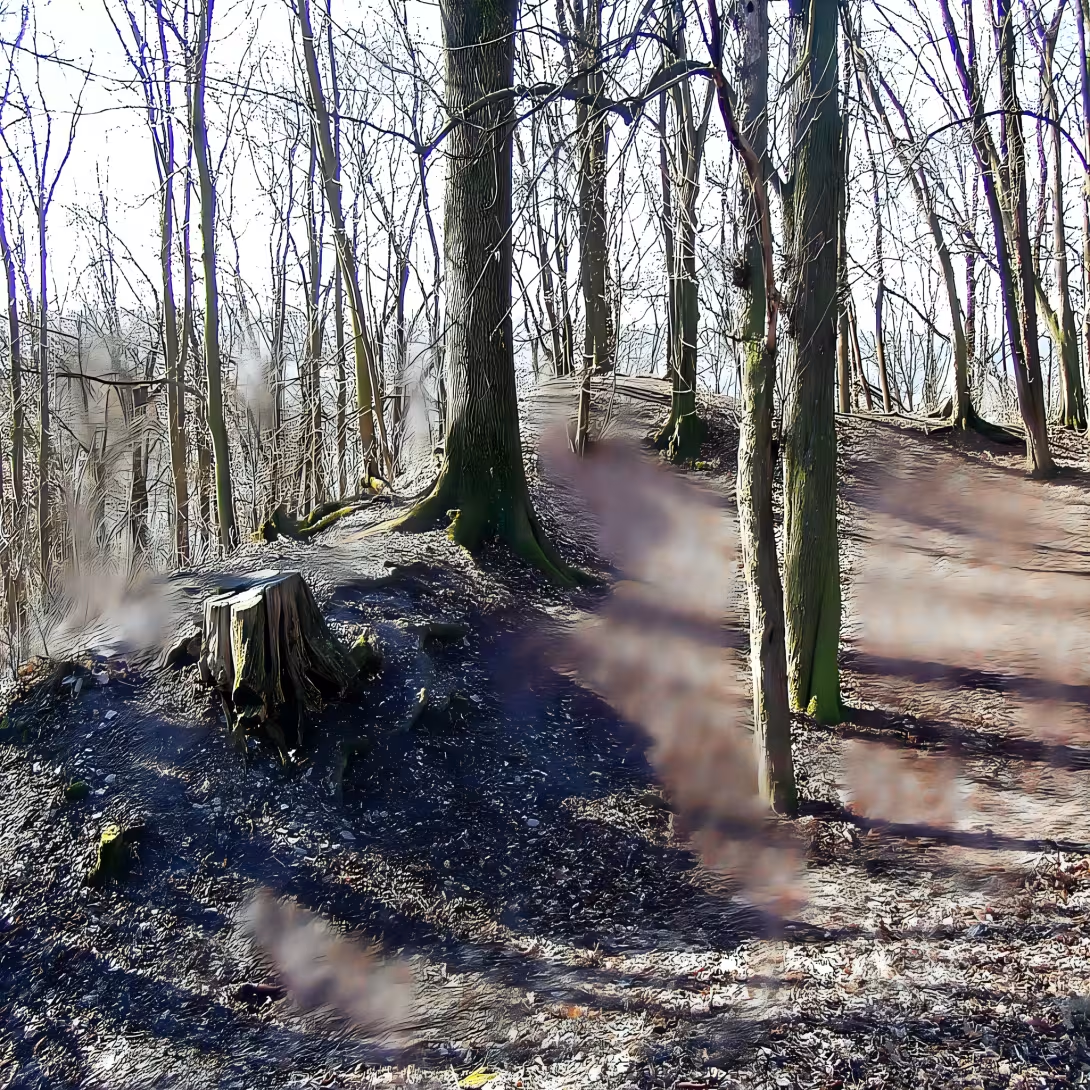
Choustníkovo Hradiště is a captivating historical monument in the Trutnov District of Královéhradecký kraj, Czech Republic. Known for its castle ruins, it holds significant historical value due to origins dating back to the early 14th century and involvement in pivotal events like the Thirty Years' War. The site is notable not only for architectural remnants but also for its transformation from a fortress into a monastery, reflecting dynamic ownership and use over centuries.
The origin of Choustníkovo Hradiště traces back to the early 14th century with the construction of Šlosberk Castle. Its first documented mention appears in 1316 under King John of Luxembourg's reign, marking its significance within the Holy Roman Empire during a period of political consolidation in Central Europe. By the 1380s, Heřmaň of Choustník acquired and extensively rebuilt the castle, leading to its association with the village below as Heřmanův Choustník or Choustníkovo Hradiště.
Architecturally, the site was initially designed as a fortress featuring three sections, including a bergfrit-type core. Over time, it underwent modifications reflecting changes in ownership and purpose. Notably, after destruction by Swedish forces under General Torstensson during the Thirty Years' War in 1645, significant restoration efforts followed. In the early 18th century, Count Jan Špork initiated its transformation into a Celestine monastery, altering its architectural landscape.
Ownership of Choustníkovo Hradiště changed hands multiple times until the mid-17th century. Following its destruction in 1645, it was acquired by the Sporck family, with Count Jan Sporck and his son František Antonín playing crucial roles in its reconstruction and conversion into a monastery. The site's fortunes fluctuated during the Silesian Wars when it sustained further damage. By the late 18th century, the castle fell into disrepair, leading to the demolition of its walls for use as building materials in the nearby market town.
Key events at Choustníkovo Hradiště include its destruction by Swedish forces and subsequent restoration by the Sporck family. These episodes highlight the site's strategic importance during turbulent periods like the Thirty Years' War. Additionally, its conversion into a monastery underscores the adaptability of the structure to meet changing religious and social needs.
Today, Choustníkovo Hradiště stands as a protected cultural monument since 1964, with only fragments of walls, cellars, and ditches remaining. These ruins are freely accessible, offering visitors a glimpse into its storied past. The site's proximity to Dvůr Králové nad Labem and nearby cycling routes enhance accessibility for those interested in exploring historical landscapes.
Choustníkovo Hradiště is more than just a collection of ruins; it embodies centuries of history, architectural evolution, and cultural transformation. Its significance lies not only in its physical remnants but also in the stories of resilience and adaptation that these stones tell. Visitors are invited to explore this remarkable site, where each step through the ruins offers a connection to the past and an appreciation for the enduring legacy of Choustníkovo Hradiště.
Then and now
Drag the slider to compare how the landmark may have looked when it was built with the view today.
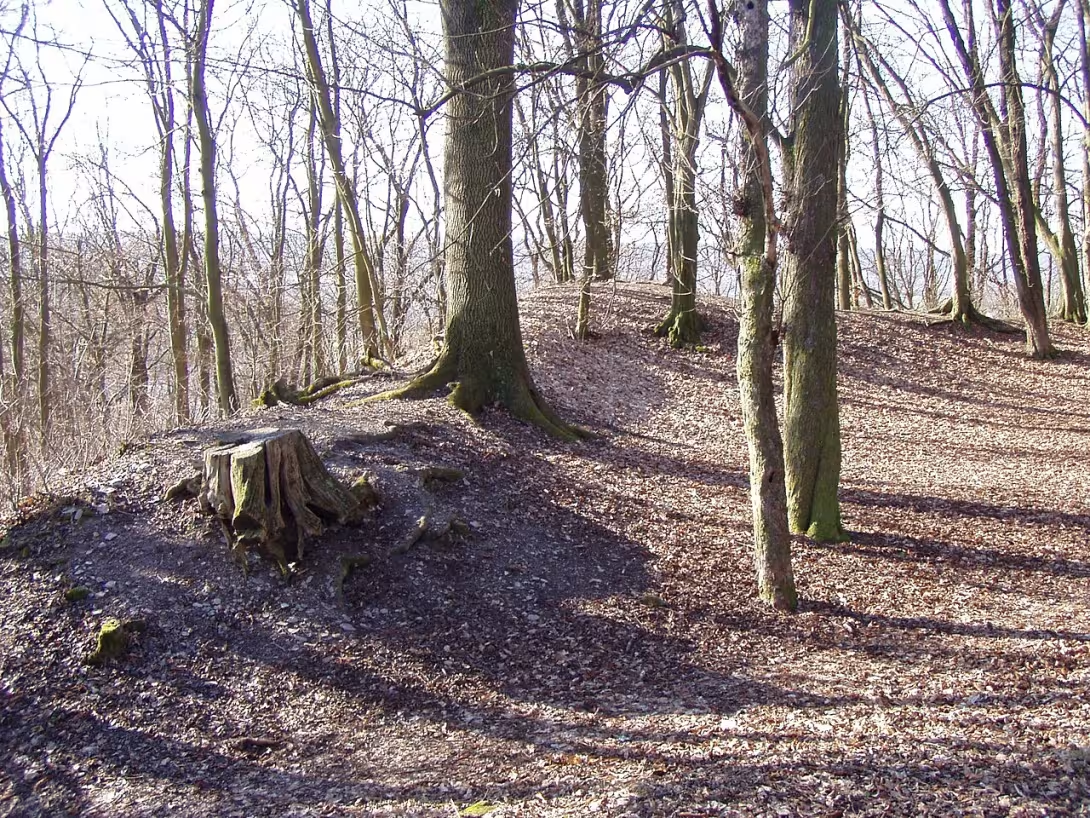
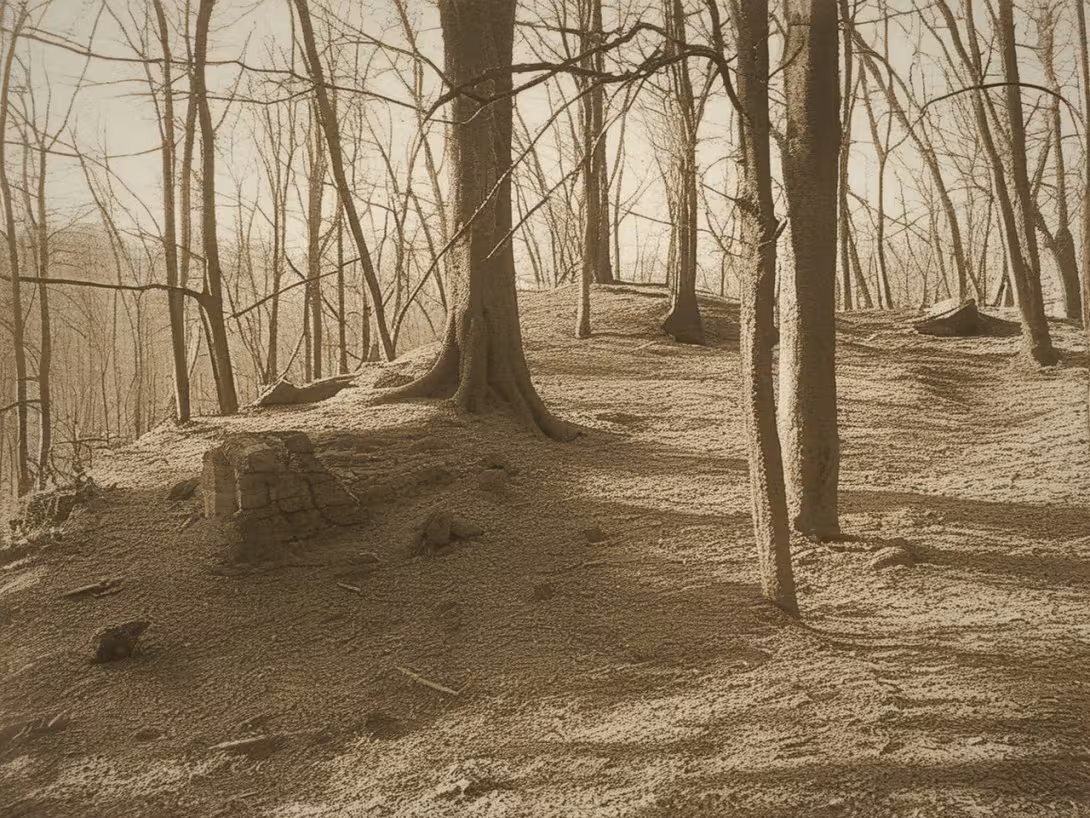
The historical appearance on the left is an AI-generated visualisation and serves as inspiration only.
Historical milestones
- 1316
- First documented mention of the castle.
- 1645
- The castle was destroyed by Swedish forces.
Architectural development
Choustníkovo Hradiště was initially built as a fortress with three sections, including a bergfrit-type core. Over time, it underwent several ownership changes and architectural modifications, notably its transformation into a monastery in the early 18th century. The structure suffered damage during the Thirty Years' War but was later restored by the Špork family.
Historical events
Destruction by Swedish forces under General Torstensson in 1645.
Conversion into a Celestine monastery by František Antonín Špork after 1705.
Owners
King John of Luxembourg (1316)
Půta z Turgova (until 1382)
Václav and Jan Krušinové z Lichtenburka (until sold to Heřman z Choustníka, before 1410)
Heřman z Choustníka (before 1410)
František z Ulfelda (1636–1651)
Korfic z Ulfelda
Jan Špork (post-1664)
František Antonín Špork (after 1705)
Points of interest
- Despite its origins as a fortress, Choustníkovo Hradiště is unique in that it was transformed into a Celestine monastery by Count Jan Špork in the early 18th century, reflecting an unusual shift from military to religious use.
- The site's strategic location made it vulnerable during the Thirty Years' War, leading to its destruction by Swedish forces under General Torstensson. This event is notable as one of the many instances where external powers targeted local strongholds in Central Europe.
- An intriguing aspect of Choustníkovo Hradiště's history is its architectural evolution from a typical medieval fortress with a bergfrit-type core to a monastery complex, showcasing adaptive reuse over centuries.
- The castle's association with Heřmaň of Choustník and the subsequent naming as Heřmanův Choustník highlights how individual figures could influence local history and place names during the 14th century.
- After falling into disrepair by the late 18th century, parts of Choustníkovo Hradiště were dismantled for building materials in nearby Dvůr Králové nad Labem, illustrating a practical approach to preserving resources from historical structures.
Guide
This guide is narrated by a synthetic voice generated by artificial intelligence.
Show guide text
This text was created by artificial intelligence and has not been editorially reviewed. It may contain inaccuracies.
Welcome to the historic site of Choustníkovo Hradiště, a captivating ruin that whispers tales from centuries past. As you stand here near Dvůr Králové nad Labem in the Trutnov District, imagine the grandeur of this once-mighty fortress and monastery.
Choustníkovo Hradiště was first mentioned in 1316, constructed at the dawn of the 14th century. Initially built as a stronghold, it served both military and religious purposes over time. The site's strategic importance made it vulnerable during turbulent periods, notably its destruction by Swedish forces in 1645 during the Thirty Years' War.
As you explore this historical tapestry, notice the remnants that speak of its architectural evolution. While specific details are lost to time, envision the robust walls and defensive structures that once stood here. The site's transformation into a Celestine monastery under Count Jan Špork in the early 18th century is particularly intriguing—a unique shift from military might to spiritual sanctuary.
Throughout its history, Choustníkovo Hradiště has been linked with notable figures such as Jan Lucemburský and Půta z Turgova. Later, personalities like Heřman z Choustníka and František z Ulfelda played significant roles in its story. The Špork family, including Jan Špork and František Antonín Špork, were instrumental in its restoration, leaving a lasting legacy.
One fascinating aspect of this site is its strategic location, which made it both an asset and a target during conflicts. This duality adds depth to its history, inviting you to ponder the lives that unfolded here over centuries.
As we conclude our journey through Choustníkovo Hradiště, I encourage you to take your time exploring every corner of this historic site. Let your imagination wander through the echoes of its past, and perhaps uncover personal insights into its enduring legacy. Thank you for joining me on this exploration, and may your curiosity lead you to discover even more hidden stories within these ancient walls.
Tips for visitors
The best time to visit Choustníkovo Hradiště is during late spring or early autumn when the weather is mild, offering comfortable conditions for exploring the ruins without the crowds typical of peak summer months. These seasons also provide beautiful natural scenery with lush greenery and vibrant foliage, enhancing the historical ambiance of the site.
Public transport is also available; however, it's advisable to check current connections in advance for the most efficient route from Dvůr Králové nad Labem or other nearby towns.
When visiting, bring comfortable walking shoes as there are no marked trails directly leading to the ruins, and you may need to walk on uneven terrain. A packed lunch, water, and a hat or sunscreen for sun protection are also recommended, especially if planning an extended stay in the area to explore further.
For photography enthusiasts, early morning or late afternoon light provides the best conditions for capturing Choustníkovo Hradiště's dramatic ruins against the sky. The absence of direct trails means you can find unique vantage points by exploring around the site, though caution is advised on uneven ground.
Within a 30-minute drive from Choustníkovo Hradiště, Dvůr Králové nad Labem offers cultural attractions such as the National Botanical Garden and historical sites like the Church of St. James. These nearby locations provide additional activities for visitors interested in expanding their exploration beyond the castle ruins.
Frequently asked questions
Can the monument be visited?
This is a ruin. Such sites are often freely accessible, but some can only be visited with a guide or are closed for safety reasons. We have not verified the current situation – take care and respect any restrictions.
Where is the monument?
Location: Choustníkovo Hradiště, Královéhradecký kraj. The map on this page shows the exact spot.
Why is the monument protected?
It is listed in the Central List of Cultural Monuments of the Czech Republic as a cultural monument (register no. 40624/6-3554).
Businesses nearby
Do you run a restaurant, accommodation, shop, museum, rental, wellness or other visitor service near this monument? Show yourself directly to the people heading to it — this is how they will see you in the app and on the web:
Events nearby
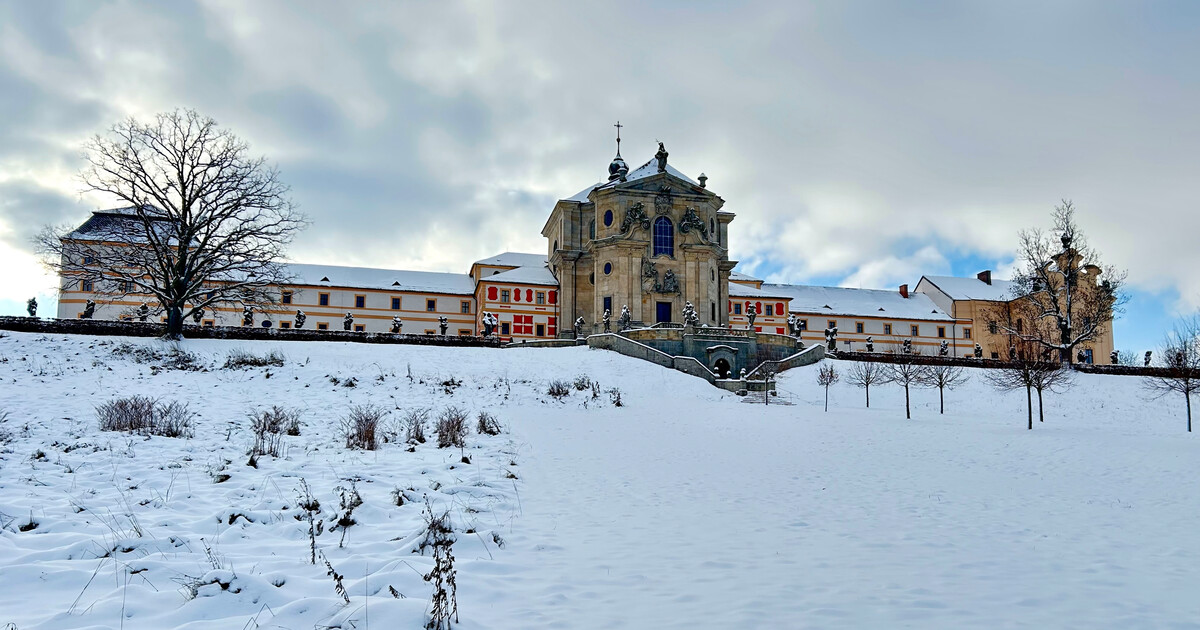
Zdroj akcí: otevřená data měst a obcí ČR (Národní katalog otevřených dat) a kalendář akcí Národního památkového ústavu.
Nearby
Choustníkovo Hradiště is located near Dvůr Králové nad Labem, with no marked tourist trails leading directly to it. However, cycling routes 4087 and 4097 pass through the nearby village.
Accommodation nearby
Themed route
Thematic Tour Itinerary: Choustníkovo Hradiště and Surroundings
1. Choustníkovo Hradiště (Zřícenina hradu) - Type: Historical Ruin - Why Visit: Begin your journey at the historic site of Choustníkovo Hradiště, a medieval castle ruin offering panoramic views and a glimpse into Bohemian history. Explore the remnants of this once-majestic fortress to understand its strategic importance during the Middle Ages.
2. Village of Choustníkov (Nearby Village) - Type: Cultural Stop - Why Visit: After exploring the ruins, visit the nearby village of Choustníkov. This charming locale provides a serene atmosphere and an opportunity to experience local culture. The village is accessible via cycling routes 4087 and 4097, making it an ideal spot for a leisurely walk or bike ride.
3. Cycling Route 4087 - Type: Scenic Cycling Path - Why Visit: Embark on cycling route 4087 to enjoy the scenic landscapes of the Královéhradecký kraj region. This path offers cyclists a chance to immerse themselves in nature while exploring the area's rich history and picturesque countryside.
4. Cycling Route 4097 - Type: Scenic Cycling Path - Why Visit: Continue your exploration with cycling route 4097, which also passes through Choustníkov. This route complements route 4087 by providing varied landscapes and additional historical insights as you cycle through the region.
5. Dvůr Králové nad Labem (Nearby Town) - Type: Cultural Hub - Why Visit: Conclude your tour in Dvůr Králové nad Labem, a nearby town rich in history and culture. Known for its historical significance and vibrant community life, the town offers various cultural experiences that provide context to the medieval heritage explored earlier in Choustníkovo Hradiště.
This itinerary provides a comprehensive exploration of Choustníkovo Hradiště and its immediate surroundings, focusing on historical, cultural, and scenic elements.
Seasonal recommendations
Spring: Visiting Choustníkovo Hradiště in spring offers a unique experience as the surrounding landscape bursts into life with vibrant wildflowers and fresh greenery, creating an enchanting atmosphere around the castle ruins. The soft morning light enhances the beauty of the ancient stones, providing excellent conditions for photography. While the weather can be unpredictable, bringing both sunshine and showers, it's advisable to wear layers that you can adjust as needed. Although spring sees fewer visitors than summer, arriving early in the day will help avoid any small crowds gathering to enjoy the pleasant weather.
Summer: The castle ruins of Choustníkovo Hradiště are particularly inviting during the summer months when warm temperatures and long daylight hours create an ideal setting for exploration. However, this is also the peak tourist season, so it's best to arrive early in the morning to avoid larger crowds and secure a good spot for viewing or photography. Comfortable walking shoes and sun protection, such as hats and sunscreen, are essential due to the heat. The lush greenery and blooming flora add to the picturesque setting, making summer an excellent time for nature enthusiasts.
Autumn: Autumn at Choustníkovo Hradiště is characterized by a stunning display of fall colors, with the surrounding forests changing into shades of gold, red, and orange. This season provides a magical backdrop for exploring the ruins, especially during golden hour when the light casts warm hues over the landscape. The cooler temperatures make it comfortable to wander around without the summer heat, though an extra layer is advisable as evenings can be chilly. While visitor numbers decrease compared to summer, this makes for a more peaceful experience.
Winter: Winter transforms Choustníkovo Hradiště into a serene and mystical destination with snow-covered ruins that offer a stark yet beautiful contrast against the landscape. The shorter days mean it's important to plan your visit during daylight hours, as the site may close earlier due to winter conditions. Dress warmly in layers, including waterproof outerwear if needed, and wear sturdy boots for navigating potentially icy paths. While fewer visitors are likely during this time, the quiet atmosphere allows for a more intimate connection with history amidst the peaceful winter scenery.
Visualizations and artistic views


The visualisations are generated by artificial intelligence and serve as inspiration.
Tips from visitors
No tips yet. Be the first!
Log in and add your tip.
Sources and literature
Photos: Addvisor / CC BY-SA 3.0, rozlišení zvýšeno umělou inteligencí — Wikimedia Commons. The author and licence also appear when you hover over the image.
Faktickým podkladem tohoto textu byl článek na Wikipedii, jehož autory jsou přispěvatelé Wikipedie. Článek je dostupný pod licencí CC BY-SA 4.0.
Location on the map

Příběhy a pověsti
Legendy, pověsti a příběhy spjaté s touto památkou

Fotografie návštěvníků
Zatím žádné fotografie. Buďte první, kdo přidá fotografii z návštěvy!
Log in a přidejte svou fotografii nebo hodnoťte.
Za ověřenou návštěvu v aplikaci získáte víc bodů — poznáme podle GPS, že jste na místě.
Reviews and comments