






Dolejší mlýn (Hostivař) Water mill
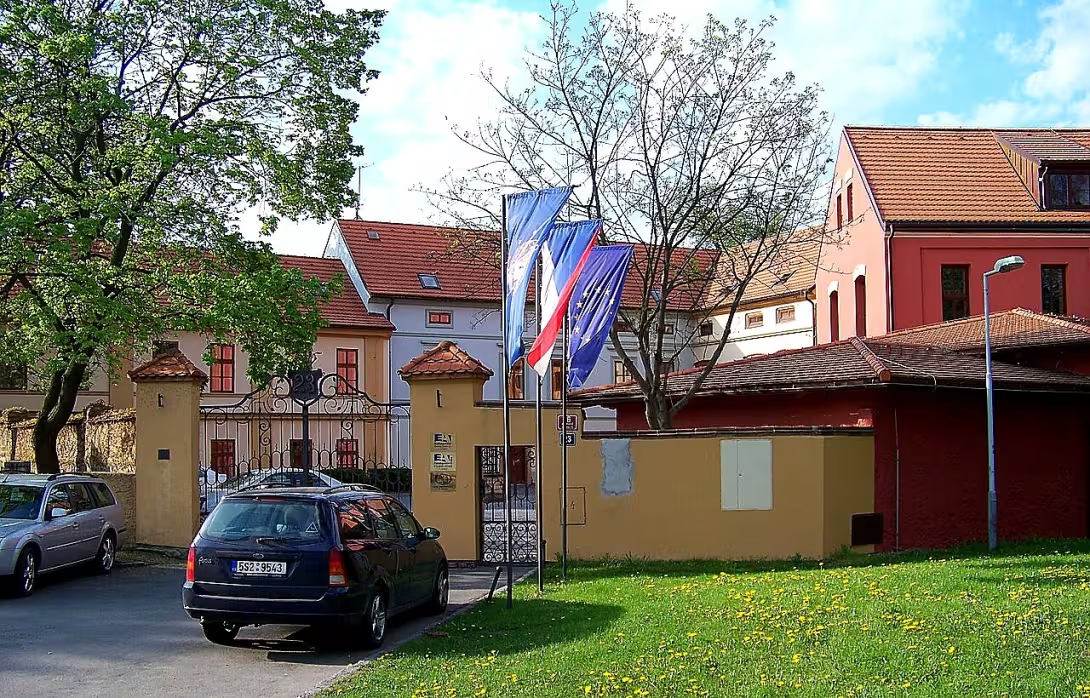
Lower Mill, also known as Blazkova Mill, is a historical monument in the village Hostivař, Prague 10, on the Botič stream. This water mill is protected as a real-estate cultural monument of the Czech Republic and is a key part of local water management. Its history probably dates back to the 15th century when it was first founded, and its existence can be documented since 1567. In the 18th century it was transformed into a smelly courtyard and another reconstruction took place in the 19th century. The major modernisation took place in 2004, which ensures its preservation for future generations.
The Lower Mill consists of three main parts: residential buildings, mills and granaries. The living building has a floor plan in the shape of the letter "L" and is located on the south side of the front yard. The granary, located on the north side of the yard, is characterised by its brick ventilation vents and carved in a shield in 1904. In the back yard there is a barn with an open front wall and a saddle roof carried by columns, which gives the complex a unique character.
The history of the mill is rich in changes in owners and purposes. After its founding in the 15th century, it was first documented in 1567. In the 18th century, the building turned into a smelly courtyard, reflecting changes in local economy and population needs. Another reconstruction took place in the 19th century, which meant adaptation to new technological requirements. Modernisation in 2004 was a key event which ensured the preservation of the mill as a cultural monument.
The interesting feature of the Lower Mill is its technical equipment. In 1930, the mill had one wheel on top water, with a flow rate of 0.157 m ³ / s and a drop of 4.8 meters, which enabled it to achieve 6,55 HP. The extinct drive led from the Upper Mill, which was typical of the local water economy of that time.
Today, the Lower Mill is available for visitors and presents an interesting opportunity to learn about the history of the Czech mill. Its preservation thanks to its modernization in 2004 ensures that future generations can enjoy its beauty and recognize the legacy of past periods. Visiting this historic building is not only a way to the past, but also a reminder of the importance of protecting cultural monuments for the future.
Lower Mill in Hostivaři is therefore not only an architectural pearl, but also witnessed many changes and adaptations that took place on its soil. Its history and preservation are an important reminder of the value of cultural heritage and its importance for the identity of the local community. Visiting this mill is therefore not only a way to the past, but also an inspiration for the recognition and protection of historical monuments.
Then and now
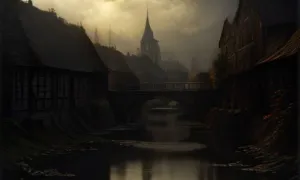
Drag the slider to compare how the landmark may have looked when it was built with the view today.
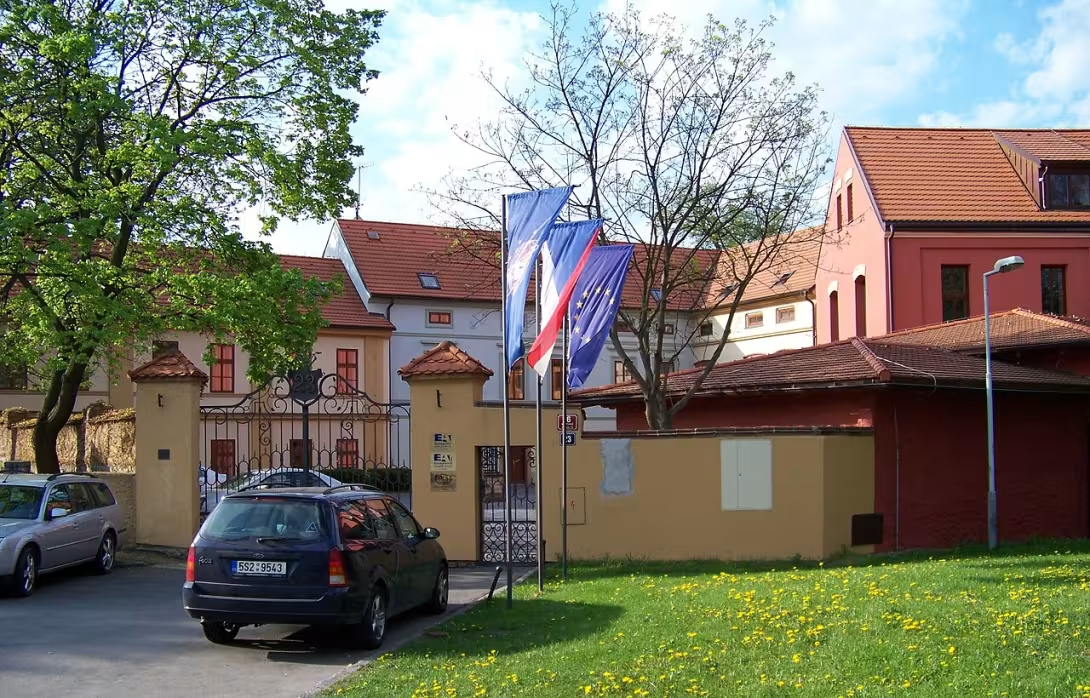
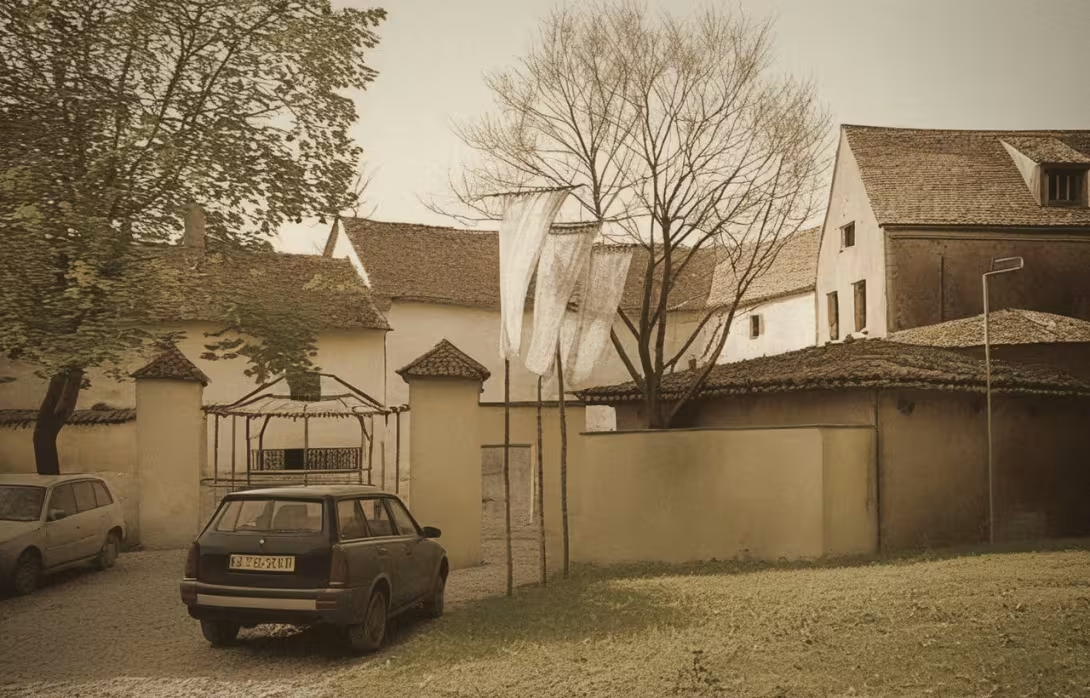
The historical appearance on the left is an AI-generated visualisation and serves as inspiration only.
Historical milestones
- 1567
- First proof of the existence of the mill
- 18th Century
- Change into a smelly yard
- 1904
- Grave formation
- 2004
- Essential modernisation
Architectural development
The mill was probably founded in the 15th century and in the 18th century it served as a smelly yard. The current architecture includes a residential building on the L floor plan and a granary with 1904 in the shield. In 2004 a major modernization of the whole building took place.
Historical events
1567: First proof of the existence of the mill. 18th century: Transformation into a smelly yard. 19th century: Reconstruction of the building. 2004: Major modernisation.
Points of interest
- The lower mill is protected as a real-estate cultural monument of the Czech Republic and is a key part of the local water economy. - His history probably dates back to the 15th century when he was first founded, and his existence can be documented since 1567. - A major modernization took place in 2004, which ensures the preservation of the mill for future generations. - In 1930, the mill had one wheel for upper water with a flow rate of 0.157 m ³ / s and a drop of 4.8 meters, which allowed it to achieve 6,55 HP. - Lower mill is available for visitors and offers the opportunity to get acquainted with the history of Czech mill.
Guide
Show guide text
This text was created by artificial intelligence and has not been editorially reviewed. It may contain inaccuracies.
Welcome to the Lower Mill. You have just stopped in the quiet part of Prague Hostivaře, where it welcomes you to the constant, soothing sound of flowing water. You are standing in a place where nature meets a long history of human work and an effort to control the power of natural elements. In front of your eyes an interesting set of structures is spread out, which form one whole. Feel this atmosphere in which the Botič stream is mixed with a sense of stability and duration. This space is not just a group of buildings, but it is a living witness of the many centuries that have taken place here. Look at the buildings surrounding you. You see the residential building, the mill itself and the granary. The whole area acts as a harmonious whole, which has been firmly connected for centuries with its environment and with the flow of water that gives it life.
Let us now move further into the past together and try to understand how this mill originated and why it is so important here. Although it may seem to us that history is something far away, this mill is connected to it very firmly. Although the exact date of its creation was not found anywhere in the records of the times, historians believe that its roots date back to the fifteenth century. This means that this mill stood here long before our worlds began to form. But the first clear, written proof of its existence is from 1567. Imagine that time when the world was moving at a completely different pace, when work on the mill was dependent on every wave impact and every water movement in the Botič stream. This mill was not just a building, it was a key element of local water management. At that time, the ability to use the power of water was absolutely essential to the survival and flowering of the whole area. The mill thus performed its function here as an engine of the local economy, which fuelled life throughout the area.
Now pay attention to the architecture itself and to what you see around you right now. Even though we don't know the names of the particular architects who designed these buildings, their work speaks for itself. The whole complex is composed of several important parts that must work closely together. You have a residential building in front of you, a mill where the work itself took place, and a granary. Notice how these objects are related. The granary, which you can see as part of the entire complex, was built only in 1904, which is a much younger object compared to the overall history of the mill. Yet it fits perfectly into the overall picture and complements the functioning of the entire economic court. The whole area is today protected as a real-estate cultural monument of the Czech Republic. That means that every wall, every detail, and the entire structure of this place have a high value for all of us. It's an inheritance that we need to preserve so that future generations can feel the same wonder that you feel right now.
Although history has not given us the names of the particular personalities who lived here or who owned this mill, we can easily imagine them. Imagine the people who lived and worked here in the eighteenth century. At this time, there was a significant change in how the mill was used. He stopped being a simple mill and became a smelly yard. This means that the site was rented and used as part of a wider agricultural economy. You can imagine the families who spent their days here, the ones who watched the rising and falling water levels in Botico, and the ones who cared about the grain stock in the granary. Life here was rhythmic, dictated by the season and the movement of water. Every person who worked here was part of something much bigger - it was part of a system that provided food and energy for the surrounding humanity.
You might find one interesting thing that connects ancient history to our present world. Even if you look at buildings that look so ancient, this complex is not just a static museum. In 2004, major modernisation took place. This event is very important because it is because of it that this historic space is in such a good state today and is able to fascinate us. Modernization was not about wanting to rewrite history, but about how to save it and keep it working for the present. It is a fascinating combination of old and new - technology and adaptations from the beginning of the century, which meet modern practices from the beginning of the 22nd century. So this mill is not just a memory of the past, but it is a living element that constantly develops and adapts without losing its soul.
Now that you are familiar with history, architecture and the importance of this place, I suggest you continue your walk around the Botič stream. Let yourself be carried away by the calm this place offers. Take a look at the details of the buildings, see the atmosphere of this historic area, and try to imagine in your mind the hundreds of years that these walls have been standing there consistently. Thank you for spending this moment with us and for being interested in the history of the Lower Mill. We wish you a beautiful and inspiring next trip to Hostivaři.
Tips for visitors
Best time to visit the Lower Mill in Hostivaři is the spring and autumn season, where there is the most beautiful nature and mild weather. These months offer ideal conditions for walking around the Botič stream and exploring historical buildings without extreme sunlight or humidity.
In order to access the Lower Mill, it is appropriate to use public transport, as parking possibilities in the surrounding area may be limited. The nearest metro station or bus stop can be found using the online route search engine. The car can also reach the place, but we recommend checking the actual parking possibilities in the area.
When visiting the Lower Mill, it is advisable to take with you protective clothes and shoes for walking on the lawn because the terrain can be uneven. Also remember the sunglasses, umbrella (depending on the weather) and drinking water, especially if you are planning an extended walk.
Photography of the Lower Mill offers various possibilities. The best light is usually in the early morning or late afternoon when the sun is not too bright and shading helps highlight the details of architecture. Interesting places for photos are especially views of the mill from the Botič stream or from the surrounding pavement.
In the vicinity of the Lower Mill you can also visit the Upper Mill, located nearby and offers a similar historical atmosphere. For families with children it is advisable to plan a walk in both places, allowing comparison of architectural differences between mills while relaxing in the natural environment.
Businesses nearby
Do you run a restaurant, accommodation, shop, museum, rental, wellness or other visitor service near this monument? Show yourself directly to the people heading to it — this is how they will see you in the app and on the web:
Events nearby

Zdroj akcí: otevřená data měst a obcí ČR (Národní katalog otevřených dat) a kalendář akcí Národního památkového ústavu.
Nearby
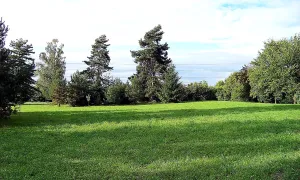
The brook Botič and the Upper Mill.
Accommodation nearby
Trips and activities nearby
Guided tours, tickets and activities nearby from GetYourGuide
Affiliate link: if you buy from the partner, we may receive a commission. The price for you does not change.
Search tours and activities →Themed route
1. Upper Mill (Mill): Historical Construction, which serves as the ideal start of the trip. 2. Brook Botič (water flow): A natural link between mills that offers relaxation at the water. 3. Lower Mill (Mill): The main destination of the trip and a significant monument to the local mill.
Seasonal recommendations
Spring: In the spring period is Lower Mill in Hostivaři revived with beautiful flowers and freshness of nature, where trees and shrubs are covered with green leaves. The sun illuminates the architecture of the mill in fine sunlight, which gives the place something magical. At this time it is recommended to visit the memory at dawn or in the evening when the temperature is milder and more pleasant. It is advisable to dress in comfortable clothes with the possibility of adding a layer for a cooler morning or evening.
Summer: For years, the Lower Mill is full of life, when the surrounding green meadow is an ideal place for relaxation and relaxation. The sunny days bring long hours of light, allowing a detailed view of the historical structure. This season, it is recommended to visit the memory early in the morning or late in the afternoon to avoid major doses of visitors and overheated sun. Don't forget to wear sun protection, like a tie or a hat.
Autumn: The Lower Mill in XZ0 takes place in autumn ZXi melancholic charm with colorful leaves and slightly colder atmosphere. Sunshine days are ideal for photography when light is less intense, but still clear enough for detailed shots. When visiting this season, remember warmer clothes and perhaps an umbrella, because autumn weather can be variable.
Winter: Winter brings the Lower Mill in Hostivaři calm and quiet atmosphere. The freezing morning covers the landscape with light snow, which gives the place something romantic. The opening time of the monument is usually shorter and the temperature requires warm clothes. Visit the mill at noon when the sun illuminates architecture, but don't forget to protect yourself against the cold and possible need of an umbrella when you return home.
Visualizations and artistic views


The visualisations are generated by artificial intelligence and serve as inspiration.
Photos from the area
Real photos taken near the monument


Zdroj a licence jsou uvedeny u každého snímku.
Tips from visitors
No tips yet. Be the first!
Log in and add your tip.
Sources and literature
Fotografie: ŠJů (cs:ŠJů) / CC BY-SA 3.0 — Wikimedia Commons. The author and licence also appear when you hover over the image.
Faktickým podkladem tohoto textu byl článek na Wikipedii, jehož autory jsou přispěvatelé Wikipedie. Článek je dostupný pod licencí CC BY-SA 4.0.
Location on the map

Příběhy a pověsti
Legendy, pověsti a příběhy spjaté s touto památkou
Fotografie návštěvníků
Zatím žádné fotografie. Buďte první, kdo přidá fotografii z návštěvy!
Přihlaste se a přidejte svou fotografii nebo hodnoťte.
Za ověřenou návštěvu v aplikaci získáte víc bodů — poznáme podle GPS, že jste na místě.
Reviews and comments