






dominikánský klášter (Brno-město) Monastery
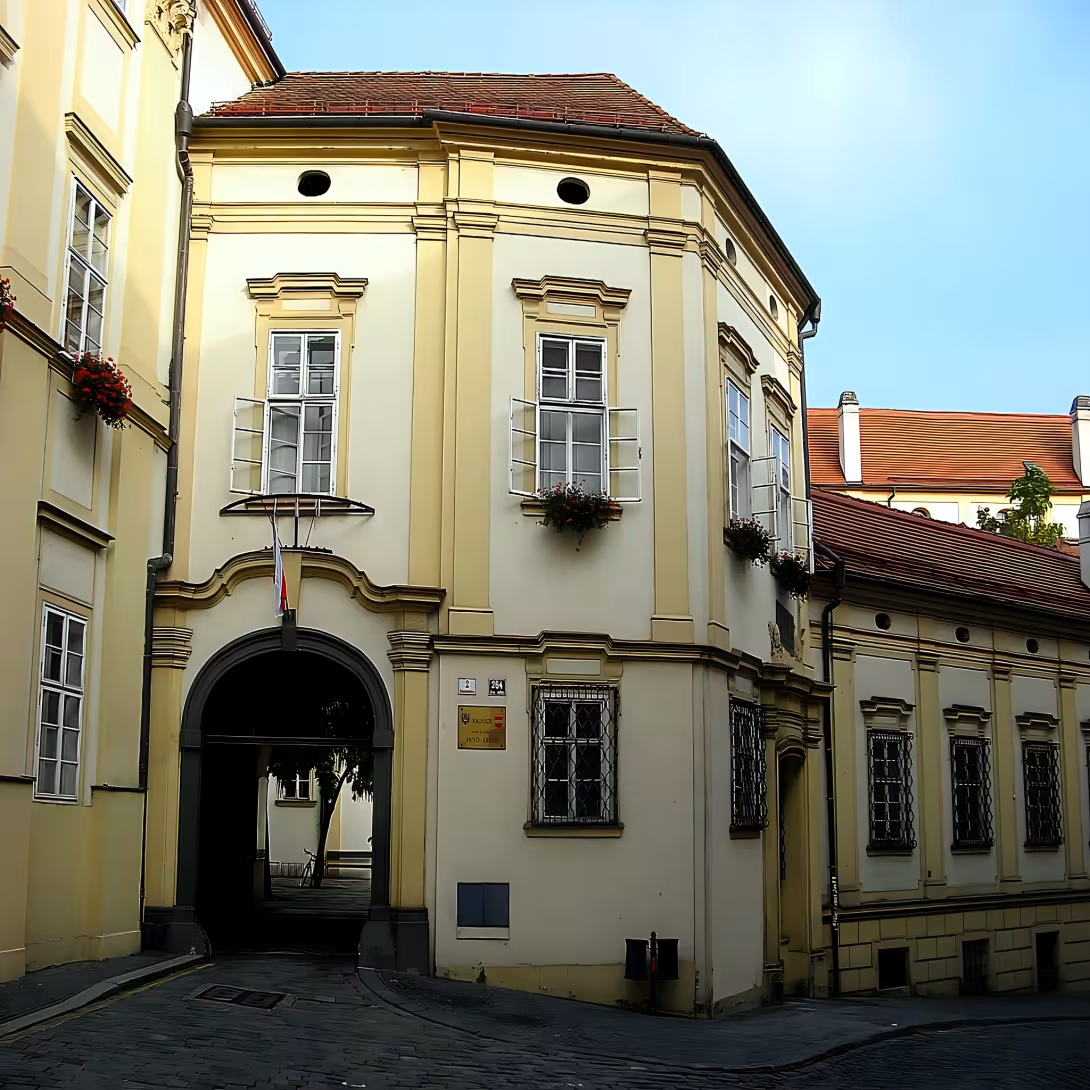
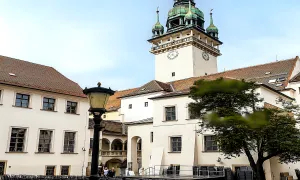
The Dominican Monastery is a medieval monastery with a rich history located in the heart of Brno, surrounded by other historical landmarks. Founded by Markrabě Přemysl between 1228 and 1239, this complex has undergone several transformations over the centuries.
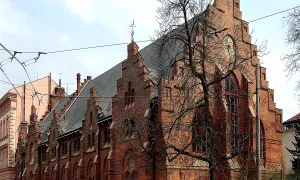
The monastery's architecture has been influenced by various styles and periods. The western wing of the cloister is the oldest part, with construction beginning in the 1240s and completed around 1300. This Gothic-style structure features a well-preserved cloister with obvodní zdi and parts of the original potrojných oken s půlkruhovými záklenky, leading to the rajský dvůr and the ambit.
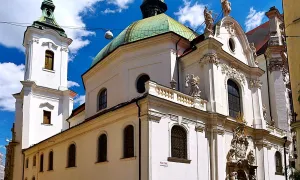
The complex has undergone several phases of development, including the addition of new buildings in the 17th and 18th centuries. The Baroque architectural style is evident in the newer structures, built between 1658 and 1667 by Jan Křtitelem Ernou. The monastery's architecture has been shaped by various styles and periods, resulting in a unique blend of Gothic and Baroque elements.
The Dominican Monastery played an important role in the region's spiritual and cultural development during its early years. Today, the monastery is open to visitors, offering a glimpse into the city's past.
In 1247, the foundation of the monastery was recorded, marking the beginning of this significant historical site. By the 14th century, the monastery had become an important center for spiritual and cultural activities in the region.
The Dominican Monastery is a must-visit destination for anyone interested in history and architecture. Its unique blend of Gothic and Baroque elements makes it a standout among other historical landmarks in Brno. Visitors can explore the well-preserved cloister and admire the intricate stone carvings, testifying to the skill of medieval craftsmen.
Then and now
Drag the slider to compare how the landmark may have looked when it was built with the view today.
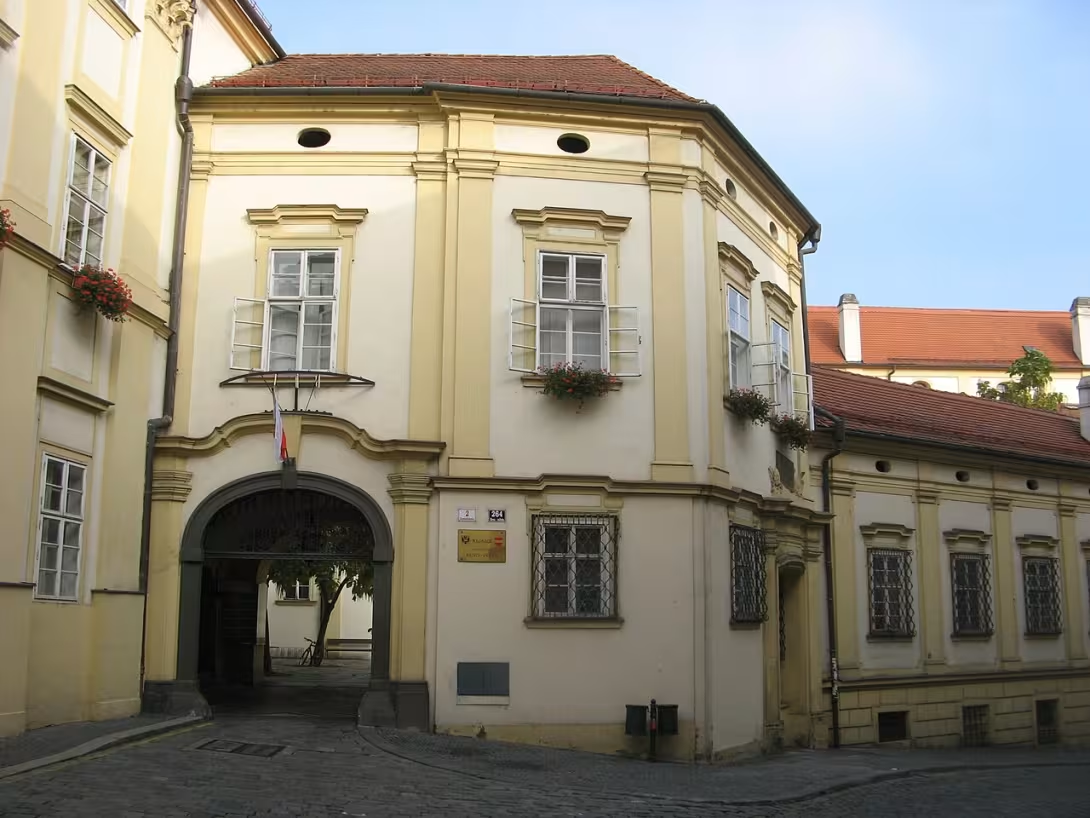
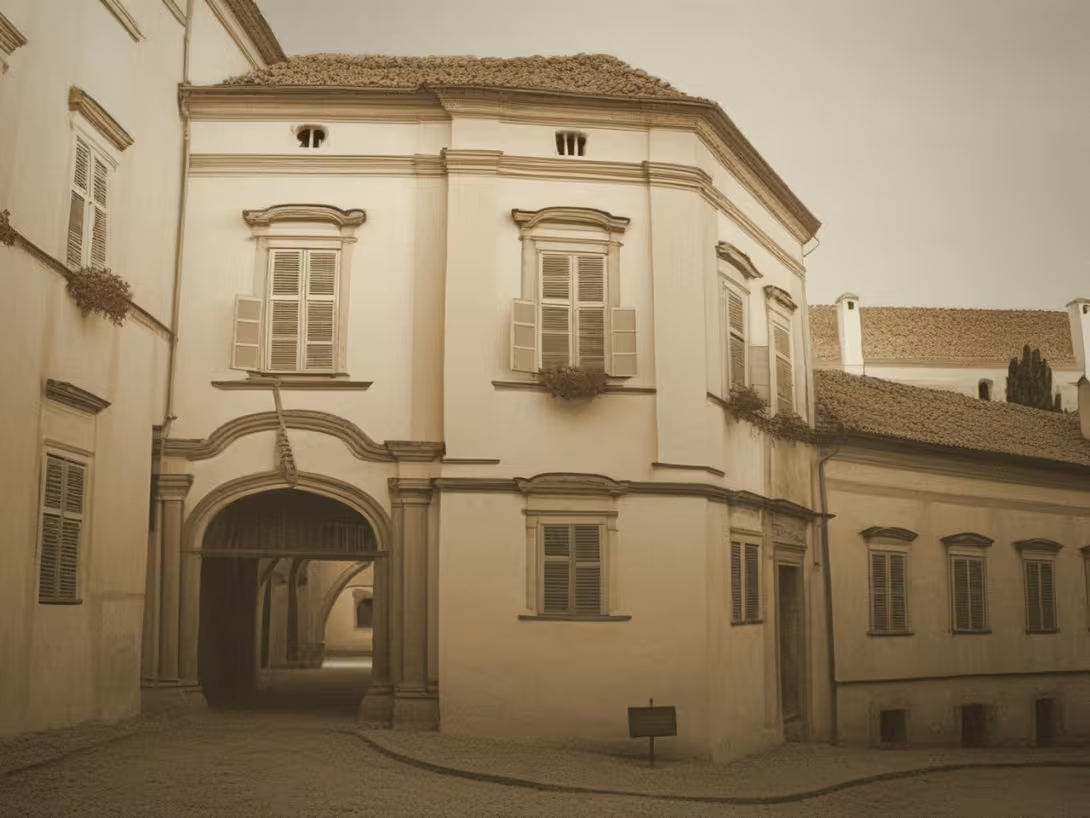
The historical appearance on the left is an AI-generated visualisation and serves as inspiration only.
Historical milestones
- 1228
- Foundation of the monastery by Markrabě Přemysl
- 1240
- Construction of the western wing of the cloister begins
- 1300
- Completion of the western wing of the cloister
- 1247
- Foundation of the monastery recorded
- 14
- Monastery becomes an important center for spiritual and cultural activities in the region
Architectural development
The complex features a mix of Gothic and Baroque architectural styles, with the western wing of the cloister being the oldest part. The monastery's architecture has undergone several phases of development, including the addition of new buildings in the 17th and 18th centuries.
Historical events
Founded by Markrabě Přemysl between 1228-1239
First recorded mention of the monastery in 1247
Construction of the western wing of the cloister began in the 40s of the 13th century
Points of interest
– The monastery's cloister was originally intended as a burial ground for the Dominicans' founder, St. Dominic himself.
– In the 17th century, the monastery became a hub for the Counter-Reformation movement in Moravia, with many important theological and literary works being written within its walls.
– The monastery's Baroque-era additions were designed by Jan Křtitelem Ernou, who was also responsible for the construction of several other notable buildings in Brno during that time.
– During World War II, the monastery served as a secret hiding place for Jewish families fleeing persecution, with many finding temporary refuge within its walls.
– The monastery's intricate stone carvings are not only a testament to medieval craftsmanship but also contain hidden symbols and codes that have been deciphered by experts over the years.
Guide
This guide is narrated by a synthetic voice generated by artificial intelligence.
Show guide text
This text was created by artificial intelligence and has not been editorially reviewed. It may contain inaccuracies.
Welcome to the Dominican Monastery in Brno-město! As you stand before this historic landmark, take a moment to absorb the atmosphere of this well-preserved Gothic-style cloister.
The monastery has a rich history that dates back to 1228 when it was founded by Markrabě Přemysl. The western wing of the cloister, which you can see before you, began construction in 1240 and took around 60 years to complete. By the time it was finished in 1300, the monastery had already become an important center for spiritual and cultural activities in the region.
As you walk through the cloister, notice the intricate stone carvings and ornate arches that adorn the walls. The architecture is a testament to the skill of the unknown architects who designed this beautiful space.
But there's more to the monastery than just its stunning architecture. Did you know that the cloister was originally intended as a burial ground for St. Dominic himself? Or that in the 17th century, it became a hub for the Counter-Reformation movement in Moravia?
As you explore the monastery, keep an eye out for any of these fascinating stories and characters that have shaped its history.
And now, let's take a closer look at some of the lesser-known facts about this amazing place. For example, did you know that the monastery once had a beautiful chapel dedicated to St. Catherine?
As we come to the end of our tour, I hope you've enjoyed learning more about this incredible piece of history. Take your time as you leave, and don't forget to look up at the stunning architecture above you.
Thank you for joining me on this journey through the Dominican Monastery. I hope you'll take away a newfound appreciation for this beautiful and fascinating place.
Tips for visitors
The best time to visit the Dominikánský klášter is during spring or autumn when the weather is mild and sunny, allowing you to fully appreciate the monastery's architecture and surroundings.
Parking options are limited around the monastery, but there are several public parking garages within a short walking distance. Alternatively, you can use public transportation – the monastery is easily accessible by bus or tram.
When visiting the Dominikánský klášter, be sure to bring a camera to capture the stunning architecture and beautiful courtyard. Wear comfortable shoes as you'll want to explore the surrounding area on foot.
The best spots for photography are around the cloister's western wing, where the Gothic-style architecture is particularly impressive. Natural light is ideal during late morning or early afternoon.
If you're looking to see more historical landmarks nearby, consider visiting the Church of St. Michael and the New Town Hall, both within a 30-minute walk from the monastery.
Businesses nearby
Do you run a restaurant, accommodation, shop, museum, rental, wellness or other visitor service near this monument? Show yourself directly to the people heading to it — this is how they will see you in the app and on the web:
Events nearby


Zdroj akcí: otevřená data měst a obcí ČR (Národní katalog otevřených dat) a kalendář akcí Národního památkového ústavu.
Nearby
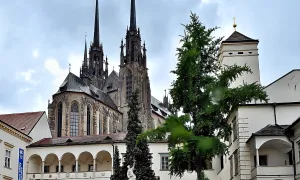
The monastery is situated in the heart of Brno, surrounded by other historical landmarks such as the Church of St. Michael and the New Town Hall.
Accommodation nearby
Trips and activities nearby
Guided tours, tickets and activities nearby from GetYourGuide
Affiliate link: if you buy from the partner, we may receive a commission. The price for you does not change.
Search tours and activities →Themed route
Tematická výletní trasa
Stop 1: Church of St. Michael (Michaelova kostelna) Type: Church Why to visit: This beautiful Baroque church is one of the most iconic landmarks in Brno, and its stunning architecture makes it a must-see.
Distance from starting point: approximately 0.5 km
Stop 2: New Town Hall (Nová radnice) Type: Architecture Why to visit: This impressive building is a great example of Renaissance Revival architecture in Brno, and its beautiful courtyard is worth exploring.
Distance from previous stop: approximately 0.3 km
Stop 3: Dominikánský klášter (Dominican Monastery) Type: Klášter Why to visit: As the main destination of this tour, the Dominican Monastery is a must-see for its beautiful architecture and rich history.
Distance from previous stop: approximately 0.2 km
Seasonal recommendations
Spring
As you walk through the monastery's courtyards, you'll be surrounded by blooming flowers and lush greenery, filling the air with a sweet scent. The gentle spring breeze provides a soothing atmosphere, making it an ideal time to visit. To avoid crowds, consider visiting during weekdays or early mornings.
Summer
During the peak summer months, the monastery's courtyards are filled with vibrant life. Take advantage of the warm weather and enjoy the outdoor spaces, but be prepared for larger crowds. Plan your visit earlier in the morning to beat the heat and chaos. Wear comfortable shoes and clothing suitable for the season.
Autumn
As autumn leaves start to fall, the monastery's courtyards take on a cozy atmosphere. The golden light of the setting sun creates a warm glow, making it an excellent time for photography. To avoid crowds, visit during weekdays or later in the afternoon when the day trippers have left. Wear layers as the temperature can drop significantly.
Winter
During the winter months, the monastery's courtyards take on a serene atmosphere, with snowflakes gently falling onto the historic buildings. The cold weather means shorter opening hours, so plan your visit accordingly. Dress warmly and consider visiting during weekdays to avoid crowds. Take advantage of the peaceful atmosphere to enjoy the tranquility of this beautiful monument.
Visualizations and artistic views


The visualisations are generated by artificial intelligence and serve as inspiration.
Photos from the area
Real photos taken near the monument


Zdroj a licence jsou uvedeny u každého snímku.
Tips from visitors
No tips yet. Be the first!
Log in and add your tip.
Sources and literature
Photos: Jarda 75 / CC BY-SA 4.0, rozlišení zvýšeno umělou inteligencí — Wikimedia Commons. The author and licence also appear when you hover over the image.
Location on the map
Fotografie návštěvníků
Zatím žádné fotografie. Buďte první, kdo přidá fotografii z návštěvy!
Log in a přidejte svou fotografii nebo hodnoťte.
Za ověřenou návštěvu v aplikaci získáte víc bodů — poznáme podle GPS, že jste na místě.
Reviews and comments