






Drahelický mlýn Water mill
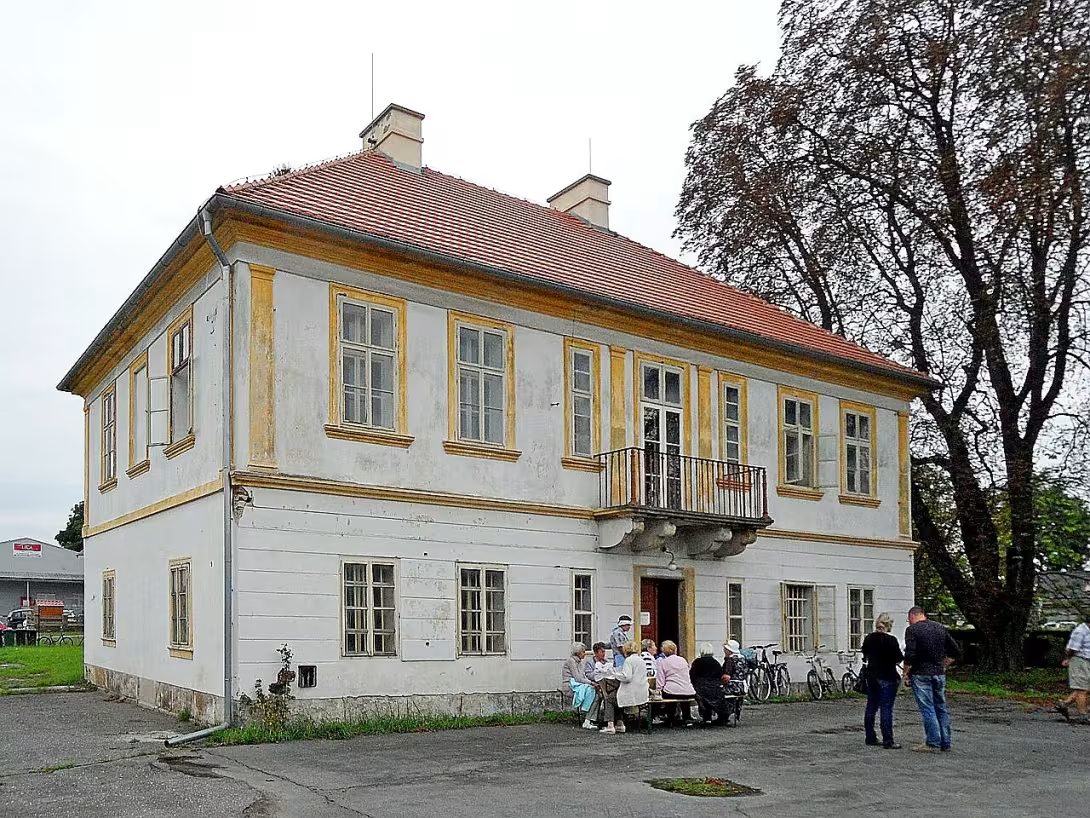
Drahelický mlýn, also known as Mlýn Bašta, is a historic water mill located in Drahelice near Nymburk, Czech Republic. Situated on the banks of the Elbe River, it stands out as one of Bohemia's oldest mills, first mentioned in 1294. The current structure, built in 1783, showcases classicist architecture and is notable for housing frescoes by Václav Mánes from the late 19th century.
The origins of Drahelický mlýn trace back to the late 13th century when Bohemia was part of the Holy Roman Empire under King Wenceslaus II. During this period, significant economic growth in the region led to the establishment of many mills along its rivers. The mill is first mentioned in historical records in 1294, marking it as one of Bohemia's oldest.
Architecturally, Drahelický mlýn underwent significant transformations over the centuries. Originally a simple structure, it was expanded into a larger facility with the existing building dating back to 1783. This period saw the construction of a classicist-style edifice featuring a seven-bay façade and a mansard roof covered in shingles. The interior is particularly noteworthy for its frescoes by Václav Mánes, created between the 30s and 40s of the 19th century, adding artistic value to the mill's historical significance.
Ownership of Drahelický mlýn has seen several notable figures throughout its history. After being mentioned in 1294, it was acquired by guardians for František Antonín Špork’s estate in 1679. By 1906, Jan Tachecí owned the mill, which was later referred to as Umělecký válcový mlýn na Baště under Marie Tachecí's ownership in 1923. These transitions reflect both economic and cultural shifts occurring around the site over time.
Key events associated with Drahelický mlýn include its transformation into a larger mill facility, preserving only the classicist building from 1783. The early 20th century saw it being known as Umělecký válcový mlýn na Baště, highlighting its artistic and industrial significance. Additionally, the presence of frescoes by Václav Mánes adds a layer of cultural richness to the site.
Today, Drahelický mlýn stands as a protected cultural monument in the Czech Republic. Its preservation allows visitors to explore not only its architectural beauty but also its historical and artistic heritage. The mill's location on the Elbe River near Nymburk makes it an accessible destination for those interested in exploring the region's rich cultural tapestry.
Drahelický mlýn offers a unique glimpse into the past, combining architectural elegance with historical depth. Its significance as one of Bohemia’s oldest mills and its artistic contributions make it a worthwhile visit for anyone interested in history, architecture, or art. Visitors are invited to explore this remarkable site and appreciate its enduring legacy.
Then and now
Drag the slider to compare how the landmark may have looked when it was built with the view today.
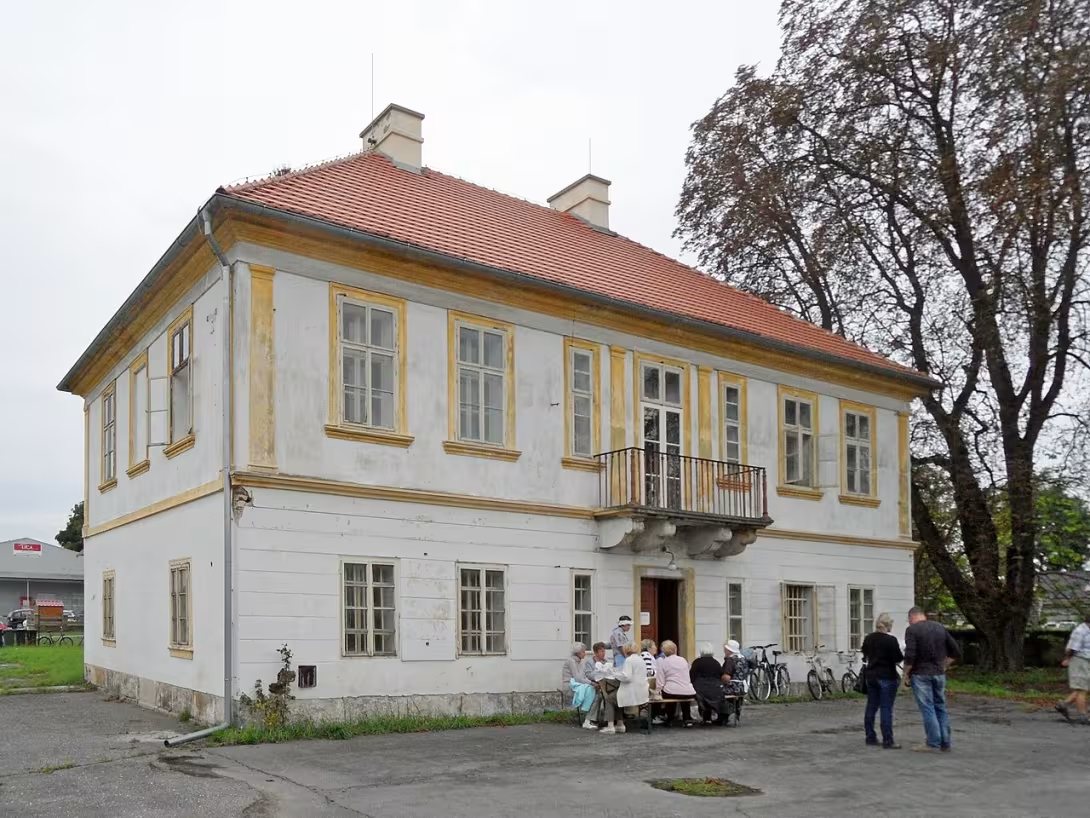

The historical appearance on the left is an AI-generated visualisation and serves as inspiration only.
Historical milestones
- 1294
- First mention of the mill in historical records.
- 1679
- The mill passed into the ownership of guardians for František Antonín Špork.
- 1783
- Construction of the current classical state of the mill.
- 1880s-1890s
- Paintings by Václav Mánes created in the mill.
- 1906
- Jan Tachecí became the owner of the mill.
- 1923
- The mill known as Umělecký válcový mlýn na Baště under the leadership of Marie Tachecí.
Architectural development
Originally a simple mill, it was transformed into a larger facility over time. The existing structure from 1783 showcases classicist architecture with a seven-bay façade and a mansard roof covered in shingles. The interior features frescoes by Václav Mánes from the late 19th century.
Historical events
First mentioned in historical records in 1294 as one of the oldest mills in Bohemia.
Purchased in 1679 for the Lysá nad Labem estate by guardians of František Antonín Špork.
Owners
First mentioned in 1294; purchased in 1679 by guardians of František Antonín Špork for Lysá nad Labem estate. Owned by Jan Tachecí in 1906 and Marie Tachecí in 1923.
Points of interest
- Despite being first mentioned in 1294, the current structure of Drahelický mlýn dates back to 1783, reflecting a significant architectural transformation from its original form. - The mill was under the guardianship for František Antonín Špork’s estate by 1679, indicating its importance and connection to notable historical figures in Bohemia. - Václav Mánes, a prominent Czech artist known for his contributions to painting, frescoed the interior of Drahelický mlýn between the 30s and 40s of the 19th century, adding significant artistic value to the site. - The mill was referred to as Umělecký válcový mlýn na Baště in the early 20th century under Marie Tachecí's ownership, highlighting its dual role in both industrial and artistic realms during that period. - Its location on the Elbe River not only facilitated its original milling operations but also contributes to its historical allure as a site of cultural exchange and economic activity over centuries.
Guide
This guide is narrated by a synthetic voice generated by artificial intelligence.
Show guide text
This text was created by artificial intelligence and has not been editorially reviewed. It may contain inaccuracies.
Welcome to the historic Drahelický mlýn, also known as Mlýn Bašta, a remarkable water mill with deep roots in Czech history. As you stand here on the banks of the Elbe River, imagine yourself stepping back into time, surrounded by the serene beauty and rich heritage this site embodies.
The story of Drahelický mlýn begins in 1294 when it was first mentioned in historical records. Over centuries, it has witnessed significant transformations, with its current structure dating back to 1783. This transformation reflects a shift from its original form to the classicist architecture you see today. The mill's journey is intertwined with notable figures and events that have left an indelible mark on its legacy.
As your eyes wander across the seven-bay façade of the mill, take in the elegance of its design. Notice the mansard roof covered with shingles, a testament to the architectural style prevalent at the time of its reconstruction in 1783. This structure stands as one of the oldest mills in Bohemia, offering not just a glimpse into the past but also a story of resilience and adaptation.
Throughout its history, Drahelický mlýn has been under the guardianship of influential figures such as František Antonín Špork by 1679. This association underscores the mill's importance and the role it played in the region's economic and cultural life. In the late 19th century, the creative spirit of Václav Mánes brought color to this historic site with paintings that remain a testament to its artistic significance.
One intriguing aspect of Drahelický mlýn is how it has evolved from its first mention in historical records to become an emblem of cultural heritage. Despite being mentioned as early as 1294, the mill you see before you today was built much later, showcasing a fascinating journey through time and transformation.
As we conclude this auditory exploration, I invite you to delve deeper into the stories that Drahelický mlýn has to tell. Each stone and beam holds tales of the past, waiting for curious minds like yours to uncover them. Thank you for joining me on this journey through history, and may your visit inspire a lasting connection with this remarkable place.
Tips for visitors
The best time to visit Drahelický mlýn is during the late spring or early autumn months, when the weather is pleasant for outdoor activities, and the natural surroundings are particularly beautiful. The Elbe River provides a picturesque backdrop, especially in these seasons when foliage changes color or flowers bloom along its banks. Additionally, visiting outside of peak tourist season can offer a more tranquil experience, allowing you to appreciate the mill's historical charm without large crowds.
For those preferring to explore on foot or by bike, there are scenic routes along the Elbe River leading up to the area.
When planning your visit, consider bringing comfortable walking shoes and weather-appropriate clothing, as exploring the natural landscapes around the mill can be quite enjoyable. A camera is also recommended to capture the stunning views of the Elbe River and the historic architecture of the mill itself. Since there are no specific facilities for picnics or dining at the site, packing a snack or lunch could enhance your visit.
For photography enthusiasts, the best spots include the banks of the Elbe River where you can capture the mill against the backdrop of flowing water and lush greenery. The soft light during early morning or late afternoon will provide ideal conditions for taking photos with warm tones. Additionally, exploring different angles from both sides of the river can offer unique perspectives on the mill's structure.
In terms of nearby attractions within a 30-minute drive, visitors can explore other historical sites and natural landscapes in the region. The area around Nymburk is rich in cultural heritage, offering opportunities to visit castles, museums, and parks that showcase the local history and biodiversity. These excursions provide a broader context for understanding the significance of Drahelický mlýn within the Czech Republic's historical landscape.
For families with children, Drahelický mlýn can be an educational outing as well as a fun day out. The natural surroundings are perfect for family walks or bike rides, and there may be opportunities to learn about traditional milling processes if guided tours are available. Ensuring that children have water and snacks will make the visit more enjoyable, especially since specific amenities like playgrounds might not be present at the site.
Frequently asked questions
Can the monument be visited?
This is a technical monument. Some are open as exhibitions, others are out of use or on private land. We have not verified whether this one is accessible.
What are the opening hours and admission?
We have not verified the opening hours or admission. Current information is published by the operator.
Where is the monument?
Location: Kostomlátecká 208, Drahelice, Nymburk, Středočeský kraj. The map on this page shows the exact spot.
Why is the monument protected?
It is listed in the Central List of Cultural Monuments of the Czech Republic as a cultural monument (register no. 35398/2-1916).
Businesses nearby
Do you run a restaurant, accommodation, shop, museum, rental, wellness or other visitor service near this monument? Show yourself directly to the people heading to it — this is how they will see you in the app and on the web:
Nearby
Located on the Elbe River near Nymburk, the area is rich in cultural heritage with other historical sites and natural landscapes within a 5 km radius.
Accommodation nearby
Themed route
Drahelický Mlýn Thematic Walking Tour
1. Drahelický Mlýn (Water Mill) Begin your journey at the historic Drahelický Mlýn, a beautifully preserved water mill located on the Elbe River near Nymburk. This site offers a glimpse into traditional milling techniques and showcases its well-maintained architecture that has stood the test of time. The mill is an excellent starting point for understanding local history and technological advancements in milling.
2. Elbe River Promenade (Natural Landscape) From Drahelický Mlýn, take a leisurely walk along the Elbe River promenade. This scenic route provides stunning views of the river's natural beauty and offers an opportunity to appreciate the serene environment that has been central to life in this region for centuries. The proximity to the water adds a tranquil backdrop as you explore.
3. Nymburk Castle Ruins (Historical Site) Approximately 5 km from Drahelický Mlýn, visit the ruins of Nymburk Castle. Although not within the immediate vicinity, it's an important cultural landmark that enriches your understanding of the region’s medieval history. The castle's remnants tell stories of past nobility and strategic importance along the Elbe River.
4. Elbe River Banks (Natural Landscape) Return to the banks of the Elbe River near Nymburk, where you can continue your exploration of this natural landscape. This area is ideal for a peaceful walk or picnic, allowing visitors to immerse themselves in nature and reflect on the historical significance of the river throughout the region's development.
5. Local Cultural Heritage Sites (Cultural Heritage) Conclude your tour by visiting nearby cultural heritage sites within Nymburk. These locations offer insights into local traditions, architecture, and community life that have been shaped over generations. They provide a rich tapestry of the area's cultural evolution and are perfect for rounding out your thematic exploration.
This walking tour offers a balanced experience of history, culture, and nature, all centered around the iconic Drahelický Mlýn and its surroundings.
Seasonal recommendations
Spring: Visiting Drahelický mlýn during spring offers a unique experience as the surrounding landscape bursts into vibrant colors with blooming wildflowers and fresh greenery. The gentle flow of water from melting snow enhances the serene atmosphere, making it an ideal time for nature enthusiasts to explore. As daylight hours lengthen, visitors can enjoy longer visits under the soft, diffused light that accentuates the historic charm of the mill. It's advisable to wear comfortable walking shoes and layers, as temperatures can vary. Early mornings or late afternoons are often less crowded, providing a more tranquil experience.
Summer: Summer at Drahelický mlýn is characterized by lush landscapes and longer daylight hours, making it perfect for extended exploration of the mill's history and picturesque surroundings. The vibrant greenery and active wildlife create an inviting atmosphere for outdoor activities. While this season attracts more visitors due to its favorable weather, arriving early in the day can help avoid larger crowds. Wearing light, breathable clothing is recommended to stay comfortable during warmer months. Don't forget a hat and sunscreen to protect against the sun while enjoying your visit.
Autumn: Autumn at Drahelický mlýn transforms the area into a stunning tapestry of reds, oranges, and yellows as deciduous trees shed their leaves. The crisp air and golden light create an enchanting atmosphere that is perfect for photography enthusiasts and those seeking a peaceful retreat. This season may see fewer visitors compared to summer, offering a more intimate experience. Layered clothing is advisable due to the cooler temperatures, and bringing along a warm jacket or sweater can ensure comfort during your visit.
Winter: Winter brings a quiet charm to Drahelický mlýn, with snow-covered landscapes creating a picturesque setting that highlights the mill's historic architecture in a unique way. The shorter days mean visits are best planned for late morning when there is ample light. While some paths may be less accessible due to snow, this season offers a tranquil atmosphere away from summer crowds. Visitors should dress warmly in layers and wear sturdy boots suitable for potentially icy conditions. Checking the mill's opening times in advance is advisable, as they may vary during winter months.
Visualizations and artistic views


The visualisations are generated by artificial intelligence and serve as inspiration.
Photos from the area
Real photos taken near the monument

Zdroj a licence jsou uvedeny u každého snímku.
Atmosphere of the place
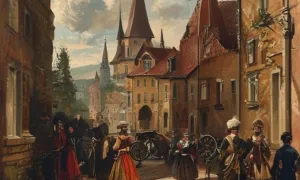
This atmospheric visualisation of the place and period was generated by artificial intelligence. It is not real footage of the location.
Tips from visitors
No tips yet. Be the first!
Log in and add your tip.
Sources and literature
Photos: Stribrohorak / CC BY-SA 3.0 — Wikimedia Commons. The author and licence also appear when you hover over the image.
Faktickým podkladem tohoto textu byl článek na Wikipedii, jehož autory jsou přispěvatelé Wikipedie. Článek je dostupný pod licencí CC BY-SA 4.0.
Location on the map


Příběhy a pověsti
Legendy, pověsti a příběhy spjaté s touto památkou
Fotografie návštěvníků
Zatím žádné fotografie. Buďte první, kdo přidá fotografii z návštěvy!
Log in a přidejte svou fotografii nebo hodnoťte.
Za ověřenou návštěvu v aplikaci získáte víc bodů — poznáme podle GPS, že jste na místě.
Reviews and comments