






Drahotuš Ruin
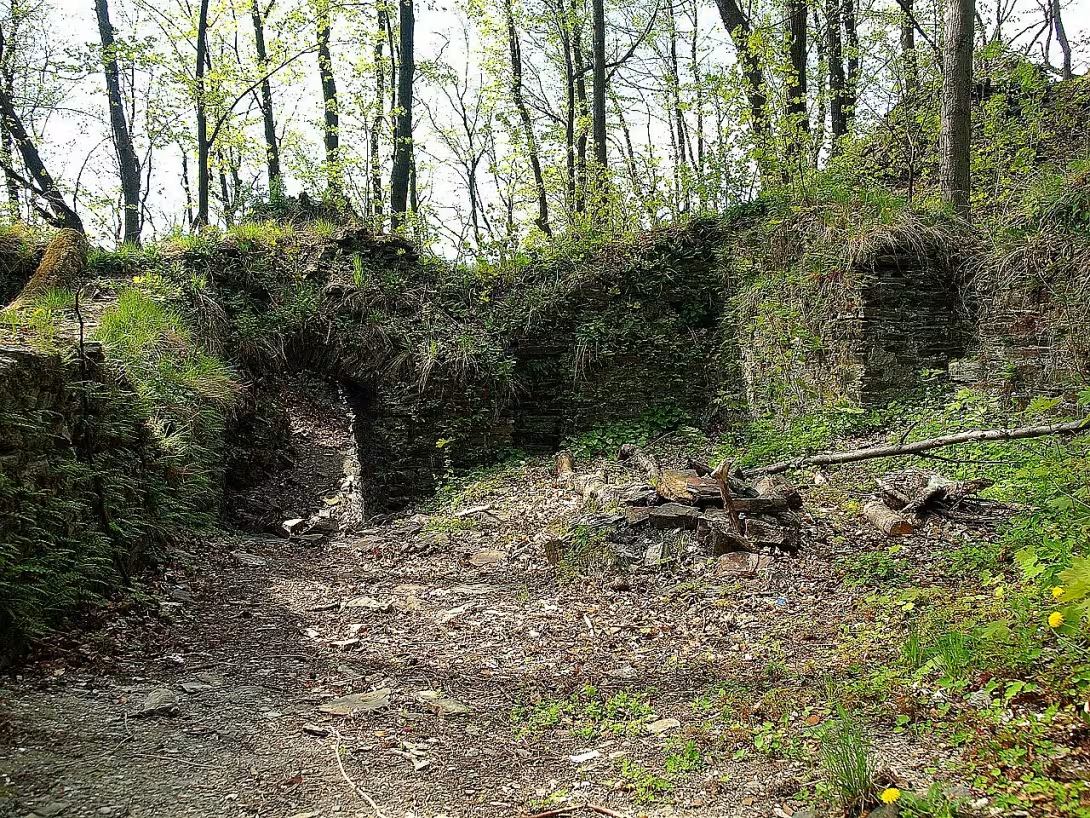
Castle Drahotuš lies as a ruin in the mountains of Oderské vrhy in part Slavkov village Kozlov in Olomouckou region. It is located high above the village Podhoří, which is the local part of Lipnik nad Bečvou. The remains of the castle today protect the status of cultural monument of the Czech Republic and bear witness to centuries of medieval power competition in the Moravian mountains.
The castle was founded in the 1960s as a service from King Přemysl Otakar II. For the Czech Přerovský purkrabi and Moravian Marshal Bohusek of Drahotušta, an opportunity to build a fortress in a strategic position opened up. The reason for the establishment of the castle was the protection of merchant routes passing through the Moravian Gate, which the castle could provide protection and control from the height of the Oderskovrch.
Since the second half of the 13th century, the Lords of Drahotušta have been associated with the game, whose род has claimed his name. In 1269, Bohush Drahotuski preserved for the first time in historical records just after this castle. The family held it for more than a hundred years until 1371, when the castle was held by Moravian Margrave John Henry. This started a long series of exchanges of owners, which characterises the younger history of Drahotuše.
In 1408 he stopped Margrave Jošt Castle from Cimburk, so he became part of their estate. Shortly afterwards, in 1416, however, he gave it by order of King Wenceslas IV and handed it over to Lack of the Kravař. A soldier Boček Puklice z Pozořic took possession of the castle at the end of the Hussite Wars. In order for his government to be legalized, his official owner Hynek z Valdštejna a Židlochovic registered his castle in 1446.
It was held by Vok ze Sovince in the mid-15th century, but this phase was also transitional. The castle has returned to the hands of the masters of Cimburk, namely the property of Chimburk, Chimburk. In 1476 he was sold to Wilhelm of Pernštejn, one of the most important aristocratic families of his time. With this sale Drahotuš lost its effectiveness as a seat power. The castle gradually disappeared and became a mere ruin, which can be seen today by interested people in medieval history and architektuрCalculation of Moravian castles.
Then and now
Drag the slider to compare how the landmark may have looked when it was built with the view today.
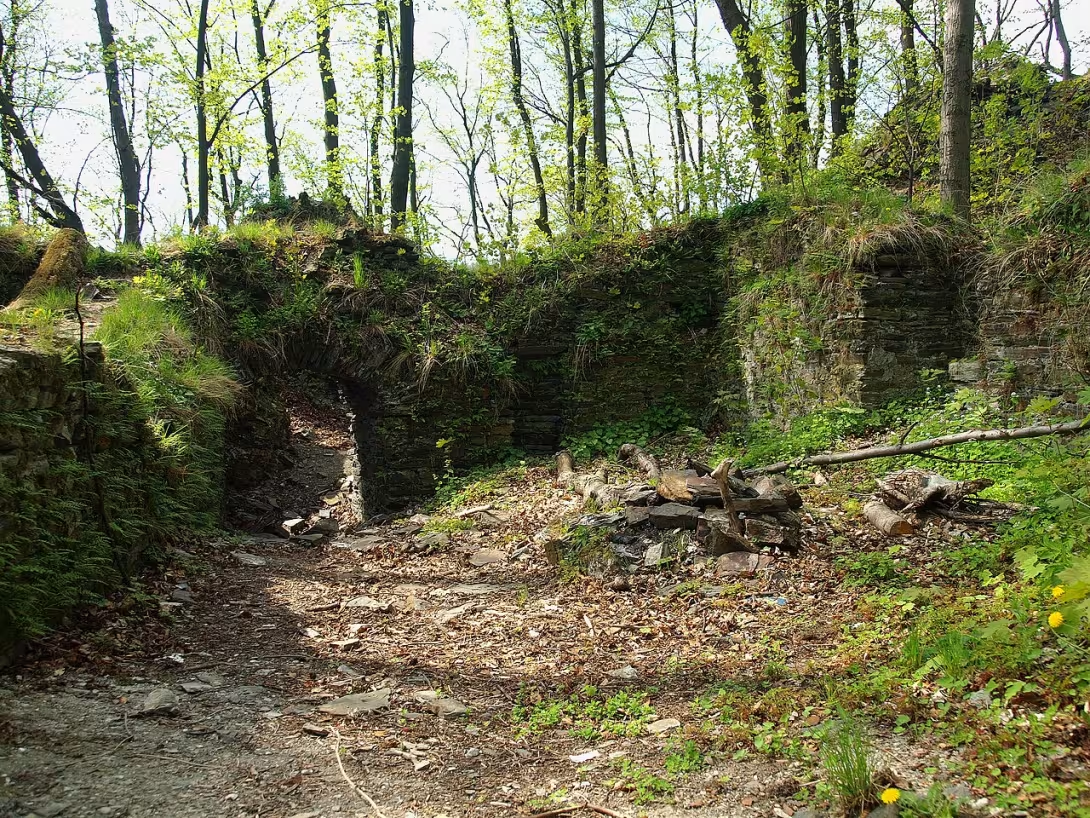

The historical appearance on the left is an AI-generated visualisation and serves as inspiration only.
Historical milestones
- 1269
- The first mention of God from Drahotuš.
- 1371
- The castle sold to Jan Henry, the Moravian Margrave.
- 1446
- Boček Puklice z Pozořic took over the castle.
Architectural development
Castle Drahotuš was built as a defensive building in the second half of the 13th century to protect important business routes. During his history he went through several changes in ownership and purpose, which affected his architectural appearance. In the middle of the 15th century he lost his seat function and gradually fell to ruin.
Historical events
- 1269
- The first mention of God from Drahotuš.
- 1371
- The castle sold to Jan Henry, the Moravian Margrave.
- 1446
- Boček Puklice z Pozořic took over the castle.
Owners
- 1269
- 1371
- 1408
- 1416
- 1446
- half of the 15th century
- 1476
Points of interest
- Castle Drahotuš was built as a service from King Premysl Otakar II for Bohusek of Drahotušta.
- Founded in the 1960s, the castle was supposed to protect the shopping routes through the Moravian Gate.
- Since the second half of the 13th century, the Lords of Drahotušta have been associated with him, whose family has taken his name.
- In 1408, the castle became part of the manor of Acubor of Cimburk after the Margrave Jošt stopped it.
- In the middle of the 15th century, Drahotuš was sold to Wilhelm of Pernštejn, which led to its gradual disappearance as a residence power.
Guide
This guide is narrated by a synthetic voice generated by artificial intelligence.
Show guide text
This text was created by artificial intelligence and has not been editorially reviewed. It may contain inaccuracies.
The ruins of Drahotuš castle lie in the Oderské vrchy mountains, on the territory of Slavkov, which is part of the municipality of Kozlov in the Olomouc region. The castle rose above the village of Podhoří, which today belongs to Lipník nad Bečvou. Its remains are protected as a cultural monument.
The castle was founded by Bohuš z Drahotuš, burgrave of Přerov and marshal of Moravia. He built it on an allodium, that is, on an estate that King Přemysl Otakar the Second granted him in the sixteen sixties of the thirteenth century. The castle was meant to guard merchant routes that led through the Moravian Gate. Bohuš is first mentioned by the name of the castle in the year twelve sixty-nine.
The lords of Drahotuš held the castle until the year thirteen seventy-one, when they sold it to the margrave of Moravia, Jan Jindřích. Margrave Jošt pawned it in the year fourteen oh eight to Ctibor z Cimburka. In the year fourteen sixteen, King Václav the Fourth gave it as a gift to Lacek z Kravař.
At the end of the Hussite Wars, Boček Puklice z Pozořic seized the castle. Its rightful holder, Hynek z Valdštejna and Židlochovic, registered it to him in the year fourteen forty-six. In the middle of the fifteenth century, Vok ze Sovince held Drahotuš. After that, the castle returned to the lords of Cimburka, specifically to Ctibor Tovačovský z Cimburka. He sold it in the year fourteen seventy-six to Vilém z Pernštejna. The castle then ceased to serve as a residence and fell into ruin.
Tips for visitors
Best time to visit Drahotuše is in summer or early autumn when the weather is usually favourable and the ruin offers beautiful views. Sundays are ideal for exploring historical ruins and sightseeing nearby.
The current connection can be verified in the previous planning of the visit.
When visiting the ruins of Drahotuše it is advisable to carry protective shoes because the terrain can be irregular and stony. Do not forget the umbrella, protective eyes and plenty of drinking water.
For shooting the ruins Drahotuše are the best times of the afternoon when light is less direct. The best places for photography are located at the top of the ruins and in the surrounding woodland, which offers a beautiful background.
In the vicinity of Drahotuše you can visit Slavkov Castle, which is located about 30 minutes on the way. The castle offers exhibitions and tours of historical interiors. For families with children it is also suitable to visit the natural park Poodří, where you can take beautiful walks along forest trails.
Frequently asked questions
Can the monument be visited?
This is a ruin. Such sites are often freely accessible, but some can only be visited with a guide or are closed for safety reasons. We have not verified the current situation – take care and respect any restrictions.
Where is the monument?
Location: Slavkov, Olomoucký kraj. The map on this page shows the exact spot.
Why is the monument protected?
It is listed in the Central List of Cultural Monuments of the Czech Republic as a cultural monument (register no. 16514/8-513).
For kids
Imagine going back to the past, until Drahotuš was a young and strong castle. It was like a playful child, full of life and energy. Except instead of that was a real castle, a place where brave books and beautiful ladies lived.
There were people here who lived for a living in agriculture and pasture. They were proud people trying to survive in a difficult time. The castle was their refuge from invading enemies and a safe place for their families.
Businesses nearby
Do you run a restaurant, accommodation, shop, museum, rental, wellness or other visitor service near this monument? Show yourself directly to the people heading to it — this is how they will see you in the app and on the web:
Nearby
Oder mountains, village Podhoří
Accommodation nearby
Trips and activities nearby
Guided tours, tickets and activities nearby from GetYourGuide
Affiliate link: if you buy from the partner, we may receive a commission. The price for you does not change.
Search tours and activities →Themed route
Thematic cruise route Drahotuš and surroundings
1. Drahotuš (ruin) * Type: * Historical ruins of the castle * Why is it worth visiting: * Drahotuš is one of the best known and best preserved walls in Bohemia. It offers a view of the history and archaeological findings that indicate the rich past of this region.
2. Church of the Assumption of the Virgin Mary (Slavkov) * Type: * Church * Why is it worth a visit: * This Baroque church is not only the spiritual centre of the village Slavkov, but also architectural pearls. Its interior and decoration are attractive to lovers of history and art.
3. Municipality of Slavkov * Type: * Urban area * Why is it worth a visit: * Slavkov offers a quiet atmosphere of a small town with rich history and culture. It is an ideal place to relax and explore local traditions.
4. Natural Park Drahotuš * Type: * Natural reservation * Why is it worth visiting: * The park is home to a diverse flora and fauna, making it an ideal place for nature lovers. Beautiful landscapes and the possibility of long walks will ensure comfortable rest.
5. City courtyard (Slavkov) * Type: * Urban spatial centre * Why is it worth a visit: * The tank is the heart of the city where there are various cultural events and markets. It is an excellent place to meet the locals and explore today's life in Slavkov.
This route offers visitors a view of the historical and natural beauty surrounding Drahotuše, while they can also learn more about the cultural heritage of the village Slavkov.
Seasonal recommendations
Spring: In the spring period Drahotuš offers a unique view of the quiet but lively green landscape around the ruins. The sun shines on old stone walls, creating an attractive atmosphere for lovers of history and nature. Nature wakes up from a cold sleep, so it's time to visit when there are no crowds and temperatures are still mild. It is recommended that clothes suitable for a cold day with an umbrella as backup in the event of spring rainfall. The best time to visit is in the afternoon, when the sun lights up the memory and the surrounding forests start to color.
Summer: For years Drahotuš is a popular destination for tourists, which means expect a bigger crowd. The sunny days offer ideal conditions to walk around the ruins and enjoy the natural beauty of the surrounding park. The warm sun illuminates an ancient ruin, creating a dramatic contrast between history and living nature. It is recommended to visit early in the morning or late in the evening to avoid the main times today with a large crowd. Do not forget the protective sunglasses and sufficient water because temperatures can be high.
Autumn: In autumn months, Drahotuš offers visitors a quiet atmosphere with rich shades of green and yellow leaves. Less people visit the memory, which allows a more relaxed walk and knowledge of the historical place without disturbing crowds. Colder temperatures require clothes suitable for autumn day with umbrella as backup in case of sudden rain. The best time to visit is in the afternoon, when the sun illuminates the leafy landscape and shading structures creates an impressive effect.
Winter: Winter Drahotuš offers a unique experience with snow ruin, adding magic and mystery. Hot clothes are necessary due to cold and possible snow, and suitable shoes for cold soil are recommended. The best time to visit is early morning or late evening, when the atmosphere is quieter and fewer people are going for a walk. The sunny days offer beautiful light effects on the ruins, creating an impressive picture.
Visualizations and artistic views


The visualisations are generated by artificial intelligence and serve as inspiration.
Photos from the area
Real photos taken near the monument

Zdroj a licence jsou uvedeny u každého snímku.
Atmosphere of the place
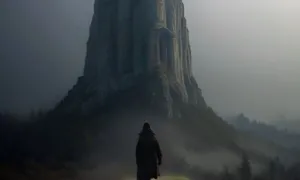
This atmospheric visualisation of the place and period was generated by artificial intelligence. It is not real footage of the location.
Tips from visitors
No tips yet. Be the first!
Log in and add your tip.
Sources and literature
Photos: Milos Pospa / CC BY-SA 3.0 — Wikimedia Commons. The author and licence also appear when you hover over the image.
Faktickým podkladem tohoto textu byl článek na Wikipedii, jehož autory jsou přispěvatelé Wikipedie. Článek je dostupný pod licencí CC BY-SA 4.0.
Location on the map
Příběhy a pověsti
Legendy, pověsti a příběhy spjaté s touto památkou
Fotografie návštěvníků
Zatím žádné fotografie. Buďte první, kdo přidá fotografii z návštěvy!
Log in a přidejte svou fotografii nebo hodnoťte.
Za ověřenou návštěvu v aplikaci získáte víc bodů — poznáme podle GPS, že jste na místě.
Reviews and comments