






Důl Koh-i-noor II Mine
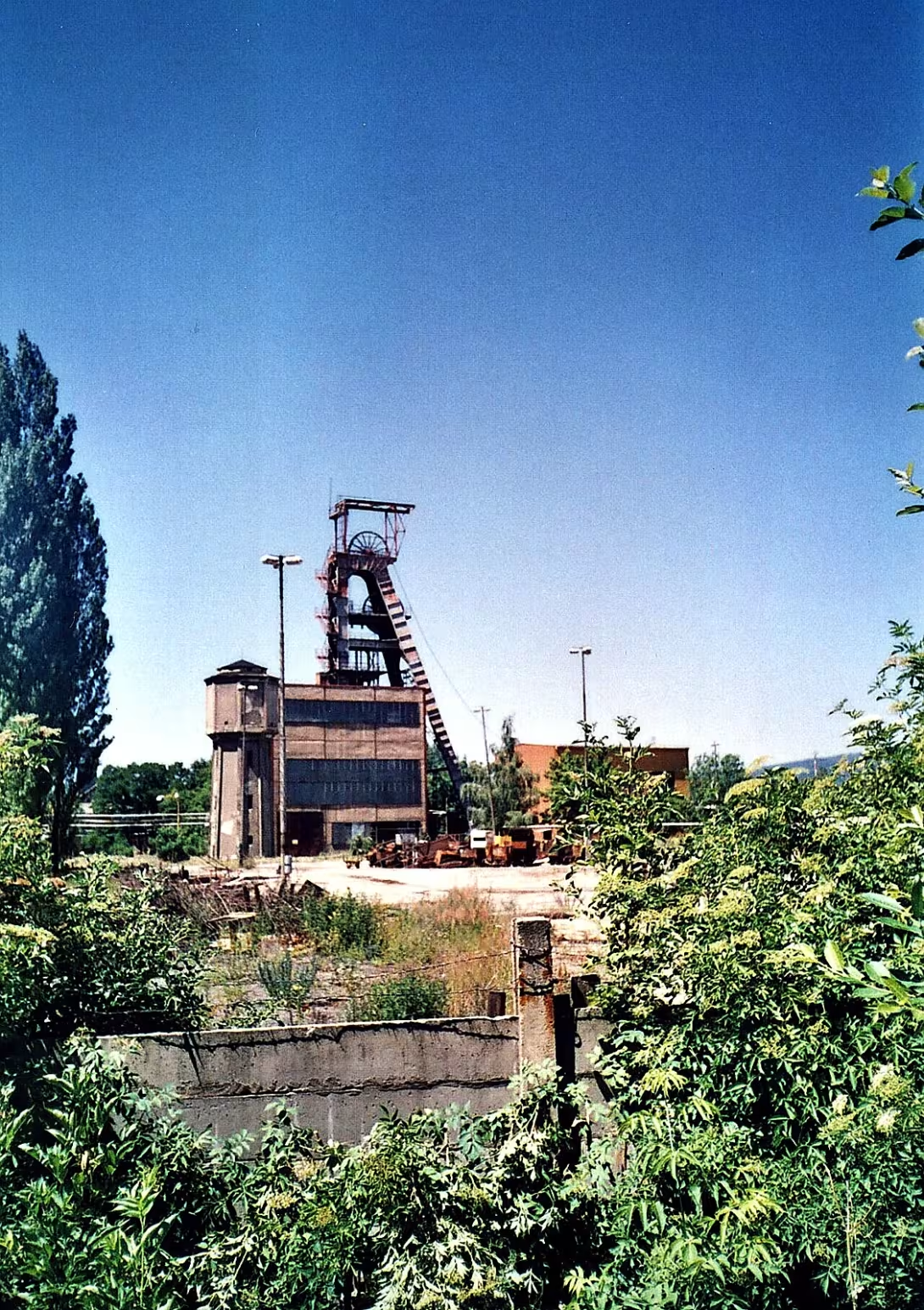
Kohinoor II Mine is a closed brown coal mine near the municipality of Mariánské Radčice in the district of Most, which ranks among the most important mining objects of the region. It was founded at the turn of the nineteenth and twentieth centuries and waited until 2002 when the operation was completed after extraction of over 52 million tons of brown coal.
The origins of the mine are linked to the ambitious business intentions of large German-Austrian companies. In 1891, the mining company Lomský mines merged with the Dresden German-Austrian mining company. The pit of the future Kohinoor II was dug in 1899-1900 under the name Kaisergrube (Imperial Mine). Until 1905, a modern background was built - a shaft building, boiler room, power plant, sorting room and smoke chimneys. The wind pits gradually increased: in Libkovice in 1907 and in Mariánské Radčice in 1913-1915.
After the First World War, the Czech Weinmann family became owner, which renamed the mine Jan II. In 1931 the mine received its last name Kohinoor II, which was intended to highlight the quality of coal mining. In 1940 the German company SUBAG bought it as a result of World War II, after the war it became part of Czechoslovak state enterprises.
On 22 December 1959, the mine became a place of tragedy. There was a fire last night that killed five miners for carbon monoxide poisoning. The cause was poor information and insufficient training in the use of self-rescue devices.
Since 1960, extensive modernization has taken place on Kohinoor II. In 1964, Kohinoor I Mine was closed and its employees switched to Kohinoor II. New pits were dug, including Oldřech's wind pit, which in 1967 replaced Poseidon's buried pit. In the next decades, mining has spread to new fields, and since the 1980s the mine has been taking over the remains of coal from the older Pluto mines, and since 1994 it has been taking over the mine Alexander.
The production officially ended on 31 August 2002. Since 2004, the owner of the state-owned company, the Ústí Fuel Combinate, has been focusing on the remediation of mining effects. The MR1 pit still serves to draw the mining waters necessary to drain the area. The cleaning of these waters takes place in a biotechnology way on the basis of wetland ecosystems. Part of the operating buildings of the mine have been protected as a cultural monument since 2002.
Architectural development
The mine was built between 1899 and 1901. During its existence it underwent several stages of development, including the construction of a shaft building, boiler room, power plant, sorting room and smoke chimneys. The modernization began in 1960 with the excavation of the ski pit and the new wind pit Oldřich.
Owners
Proceedings, State property
Points of interest
- The Kohinoor II mine was based on the turn of the nineteenth and twentieth centuries.
- The beginnings of the mine are linked to the ambitious business intentions of the large German-Austrian companies, which in 1891 led to the merger of the mining mines of Lomský and the Dresden German-Austrian mining company.
- On December 22, 1959, the tragedy of five miners dying of carbon monoxide poisoning during the fire.
- Since 1960, extensive modernization has taken place on Kohinoor II, including the closure of the Kohinoor I Mine and the transfer of its employees.
- The production officially ended on 31 August 2002, and since 2004 it has been the owner of the state-owned company Fuel station Ústí, which focuses on the remediation of the effects of mining.
Guide
This guide is narrated by a synthetic voice generated by artificial intelligence.
Show guide text
This text was created by artificial intelligence and has not been editorially reviewed. It may contain inaccuracies.
Welcome to the historical memory of Důl Koh-i-noor II in Mariánské Radčice. You are standing in front of one of the largest brown coal mines in the North Bohemian Coal Basin, which has many things to say with its history and architecture.
The Kohinoor II mine was based on the turn of the nineteenth and twentieth centuries. Its beginnings are linked to the ambitious business intentions of the large German-Austrian companies, which in 1891 led to the merger of the Lomský mine and the Dresden German-Austrian mining company. This was a period of intensive development of coal mining, which had a significant impact on the regional economy and infrastructure.
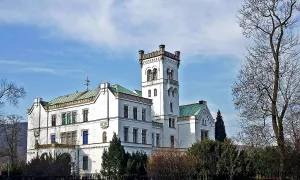
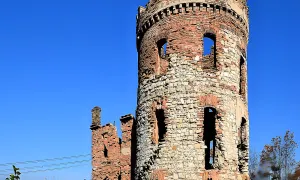
Look up to the square of the mine buildings. Although their original architects remain unknown, the structural strength and functionality of these structures should be noted. Note the robustness of concrete elements and decorated window frames, which with their strength tell about the important role of mine in the past.
The key stories associated with this place are certainly the heroic efforts of miners who worked underground and supplied energy to the entire region. Although specific historical figures are not well documented, their contribution is indelibly engraved into the history of these places.
The interesting thing about this place is that for centuries of coal mining and production, the mine has become not only a symbol of the industrial era, but also the subject of modern remediation. Today, mining water is being used and operating buildings are protected as a cultural monument.
Let us move on to other details that can help us better understand the historical context. Note how the mine has adapted to modern needs and becomes a place for educational and recreational activities.
In conclusion, I would like to invite you to explore this fascinating place again. Every stone and every passage has stories that await discovery. I hope your visiting day will be full of new knowledge and inspiration. Thank you for your attention and goodbye!
Tips for visitors
The best time to visit is in the spring or autumn season when the weather is favourable for walking and photography. These months offer a quieter environment without large crowds of tourists.
You can verify the current connection in the route search engine.
When visiting to take with you suitable shoes because the terrain is uneven and often covered with dust. Don't forget about sun protection and water for any rain break.
Photography offers the best possibilities from the peaks of mining structures, where the view of the surrounding landscape is the most extensive. The best light for pictures will be sunny morning and evening.
In the vicinity of the mine ruins there is Mariánské Radčice, where you can visit several historical monuments. For families with children it is advisable to visit parks and green areas around for leisure time.
Frequently asked questions
Can the monument be visited?
This is a technical monument. Some are open as exhibitions, others are out of use or on private land. We have not verified whether this one is accessible.
What are the opening hours and admission?
We have not verified the opening hours or admission. Current information is published by the operator.
Where is the monument?
Location: Mariánské Radčice, Ústecký kraj. The map on this page shows the exact spot.
Why is the monument protected?
It is listed in the Central List of Cultural Monuments of the Czech Republic as a cultural monument (register no. 51437/5-5920).
For kids
Imagine going back to the past... Until people didn't know cars and computers, but they had terrible stories about ghosts and fairy tales. This is what Mariánské Radčice looked like, where today you will find one of the oldest and most interesting mines in the country - Důl Koh-i-noor II.
It was like a game where people were playing in dresses and hats. There were miners who were trying to extract coal from deep reefs. They were heroes who risked their lives for one crown. What's more, their work was the key to the development of the city and the entire region.
Businesses nearby
Do you run a restaurant, accommodation, shop, museum, rental, wellness or other visitor service near this monument? Show yourself directly to the people heading to it — this is how they will see you in the app and on the web:
Events nearby


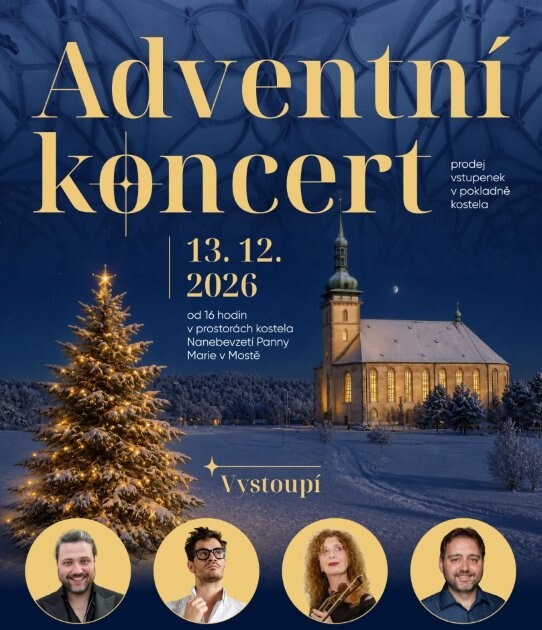
Zdroj akcí: otevřená data měst a obcí ČR (Národní katalog otevřených dat) a kalendář akcí Národního památkového ústavu.
Nearby
Ambient landscape, other mining structures
Accommodation nearby
Trips and activities nearby
Guided tours, tickets and activities nearby from GetYourGuide
Affiliate link: if you buy from the partner, we may receive a commission. The price for you does not change.
Search tours and activities →Themed route
Thematic cruise route: Důl Koh-i-noor II and surroundings
1.Důl Koh-i-noor II * Type: * Historical mines * Why is it worth visiting: * Visit this historic place where rich iron ore deposits could appear. Důl Koh-i-noor II is a fascinating reminder of the industrial era and offers visitors a view of the past of mining activities in the Mariánské Radčice region.
2. Memorial cross on the way from the Koh- i-noor Mine II * Type: * Historical landmark * Why is it worth a visit: * This cross is located near the mining site and reminds of the history of mining in the area. It is a place that offers peaceful moments to reflect on the past of this location.
3. Stationary on the way from the Koh- i-noor Mine II * Type: * Historical object * Why is it worth a visit: * A pawnshop that could be visited during the mining era is an important element of infrastructure from when this part of Ústí Region focused on mining. It offers an interesting view of the living conditions of miners and their families.
4. Monument of miners in Mariánské Radčice * Type: * Memorial * Why is it worth visiting: * This monument is dedicated to the memory of miners who worked in the mining industry of the region. It is a place to honor and remember those who contributed to the development of the area with their hard work.
This route offers visitors the opportunity to immerse themselves in the history of the mining industry in Mariánské Radčice and appreciate the heritage that shaped this location.
Seasonal recommendations
Spring: In the spring period, Důl Koh-i-noor II in Mariánské Radčice is transformed into a special place where the sun's rays penetrate through branched trees and illuminate historical buildings. Nature awakens in full beauty with flowering flowers and new leaves, adding romance and peace to the atmosphere. For the visit it is advisable to take light clothes because temperatures are gradually increasing, but you can still run into a cool wind. The best time for the tour is at noon, when the sun lights up the mine and surrounding landscape, allowing full appreciation of its historical significance. Visitors can look forward to mild crowds, because it is not yet the main summer season.
Summer: Summer brings Důl Koh-i-noor II in Mariánské Radčice to full light with long days and warm sunny lighting, which highlights its architectural details. Nature is in bloom, offers green meadows and flowering trees, which adds to the attractiveness of all lovers of history and nature. This season it is advisable to take a protective umbrella and short clothes, but also to prepare for the possibility of rainfall which may be in the Czech Republic suddenly. The best time to visit is in the morning or evening to avoid the hottest hours and overloaded crowds that are common in the main summer season.
Autumn: In autumn, Důl Koh-i-noor II offers a unique atmosphere with darker sunlight and golden and orange leaf colours that add nostalgia to the historical environment. The temperatures gradually decrease, making the visit comfortable without the need for warm clothes, but with a durable coat for possible cold wounds. This season is ideal for quiet tours, because the crowds are falling and you can enjoy a quieter environment. The best time to walk is at noon, when the sunlight lights the autumn landscape in the most beautiful light.
Winter: The winter visit to Koh- i-noor II Mine offers a completely different atmosphere, where the historic building is lit with cool sunlight and massive trees seem more majestic. The temperatures are low, so it is necessary to take warm clothes, protective shoes and perhaps even an umbrella for possible snowfalls. The best time to visit is at noon, when the sun rays allow the best appreciation of the historic mine and its surroundings, although smaller crowds may appear during weekends.
Visualizations and artistic views


The visualisations are generated by artificial intelligence and serve as inspiration.
Atmosphere of the place
This atmospheric visualisation of the place and period was generated by artificial intelligence. It is not real footage of the location.
Tips from visitors
No tips yet. Be the first!
Log in and add your tip.
Sources and literature
Photos: Hadonos / CC BY-SA 3.0 — Wikimedia Commons. The author and licence also appear when you hover over the image.
Faktickým podkladem tohoto textu byl článek na Wikipedii, jehož autory jsou přispěvatelé Wikipedie. Článek je dostupný pod licencí CC BY-SA 4.0.
Location on the map
More monuments – Mariánské Radčice
Show all in the municipality
Příběhy a pověsti
Legendy, pověsti a příběhy spjaté s touto památkou
Fotografie návštěvníků
Zatím žádné fotografie. Buďte první, kdo přidá fotografii z návštěvy!
Log in a přidejte svou fotografii nebo hodnoťte.
Za ověřenou návštěvu v aplikaci získáte víc bodů — poznáme podle GPS, že jste na místě.
Reviews and comments