



Dům E. Rügera Villa
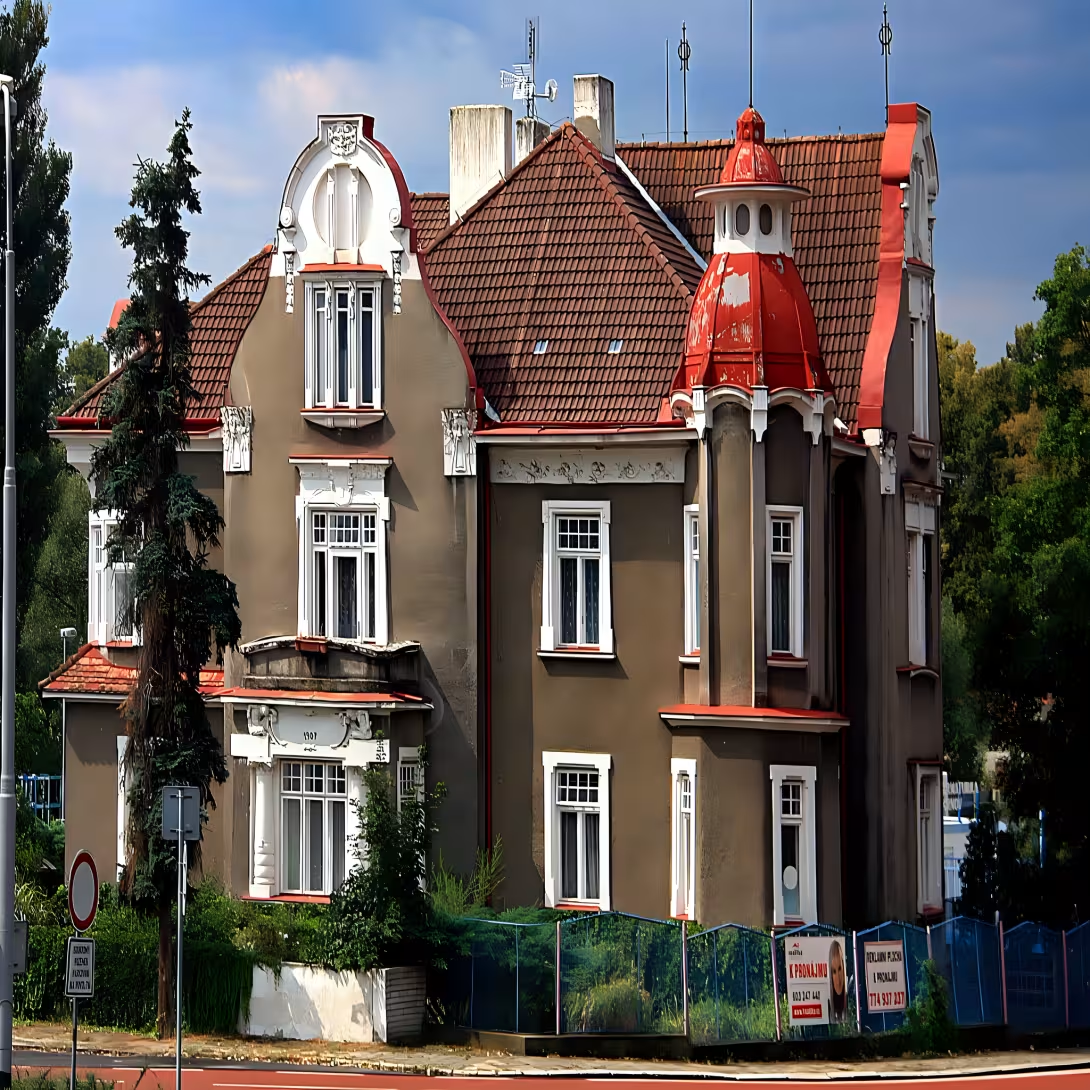
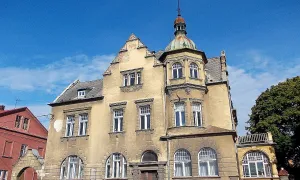
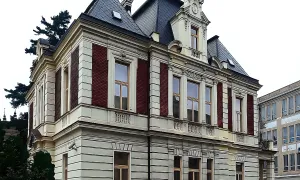
Vila Ernesta Rügera, located in Krnov within the Moravskoslezský kraj of the Czech Republic, is an outstanding example of Secessionist architecture from the early 20th century. Built between 1906 and 1907 for factory owner Ernest Rüger and his stonemasonry firm, this villa is notable not only for its architectural style but also for being declared a protected cultural monument in 2025. The building's richly decorated façade and intricate sculptural elements highlight the craftsmanship of the era, making it an important historical site.
The villa was constructed during a period when Czech lands were experiencing significant industrial growth and architectural innovation. This era saw the rise of the Secessionist movement across Europe, influencing local architecture with its emphasis on decorative arts and modern design. Ernest Rüger commissioned this villa for his family and business operations, reflecting both personal ambition and broader cultural trends.
Architecturally, Vila Ernesta Rügera showcases a blend of historical influences with Secessionist elements. Initially planned by Alois Geldner's office, possibly in collaboration with Franz Blasche, the design evolved into its final form under Rudolf Heiner after Geldner's death in April 1906. The villa features a single-story structure with a gabled roof and includes distinctive architectural details such as polygonal towers and original ironwork at some windows. Its façade is adorned with sculptural decorations produced by Rüger’s own company, demonstrating the era's craftsmanship. Notably, the building retains its original staircase with a cast-iron balustrade and remnants of stained glass, adding to its historical authenticity.
Ernest Rüger originally owned the villa, having commissioned it for his family and business operations. The construction was completed in 1907, marking the year on the entrance balcony as a testament to this milestone. In 2025, the villa was declared a protected cultural monument, ensuring its preservation for future generations.
Today, Vila Ernesta Rügera stands as a testament to early 20th-century architectural innovation and craftsmanship. Its designation as a protected cultural monument underscores its historical significance and ensures that it remains accessible to those interested in exploring Czech heritage. Visitors can appreciate the villa's unique blend of Secessionist style and intricate decorative elements, making it a worthwhile destination for anyone interested in architecture or history.
Vila Ernesta Rügera invites visitors to step back into an era of architectural innovation and craftsmanship. Its preservation as a cultural monument ensures that this piece of Czech heritage continues to inspire and educate future generations. Whether drawn by its historical significance or unique architectural style, a visit promises a rich and enlightening experience.
Then and now
Drag the slider to compare how the landmark may have looked when it was built with the view today.
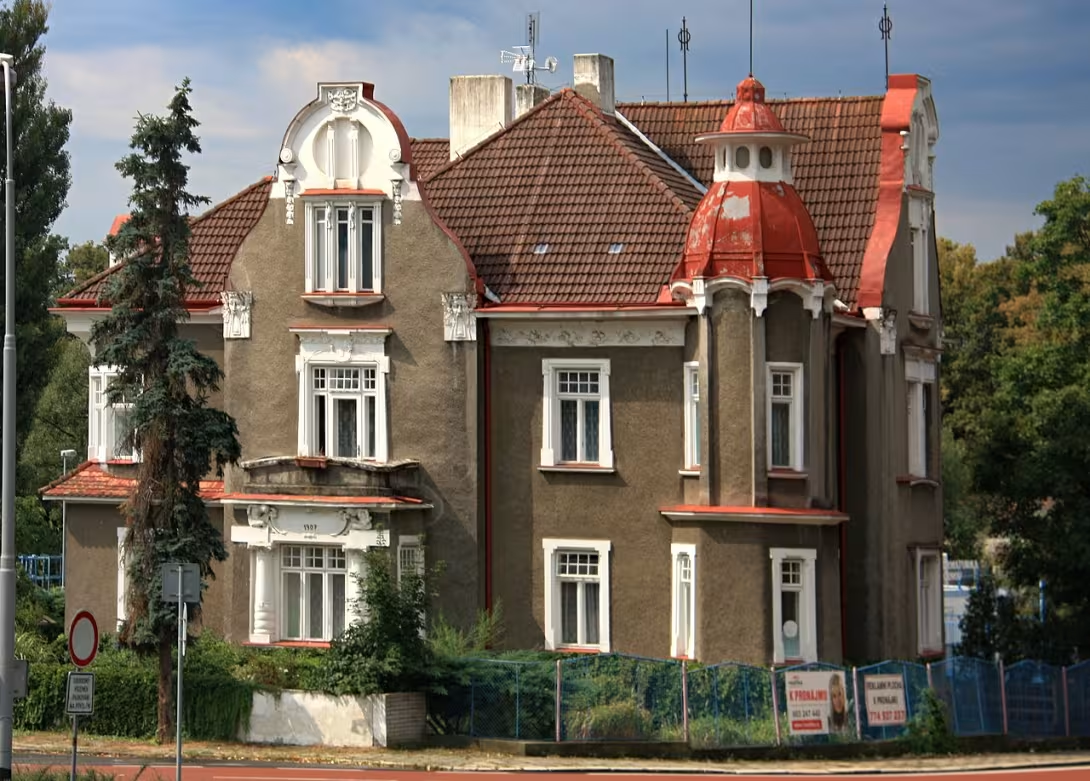
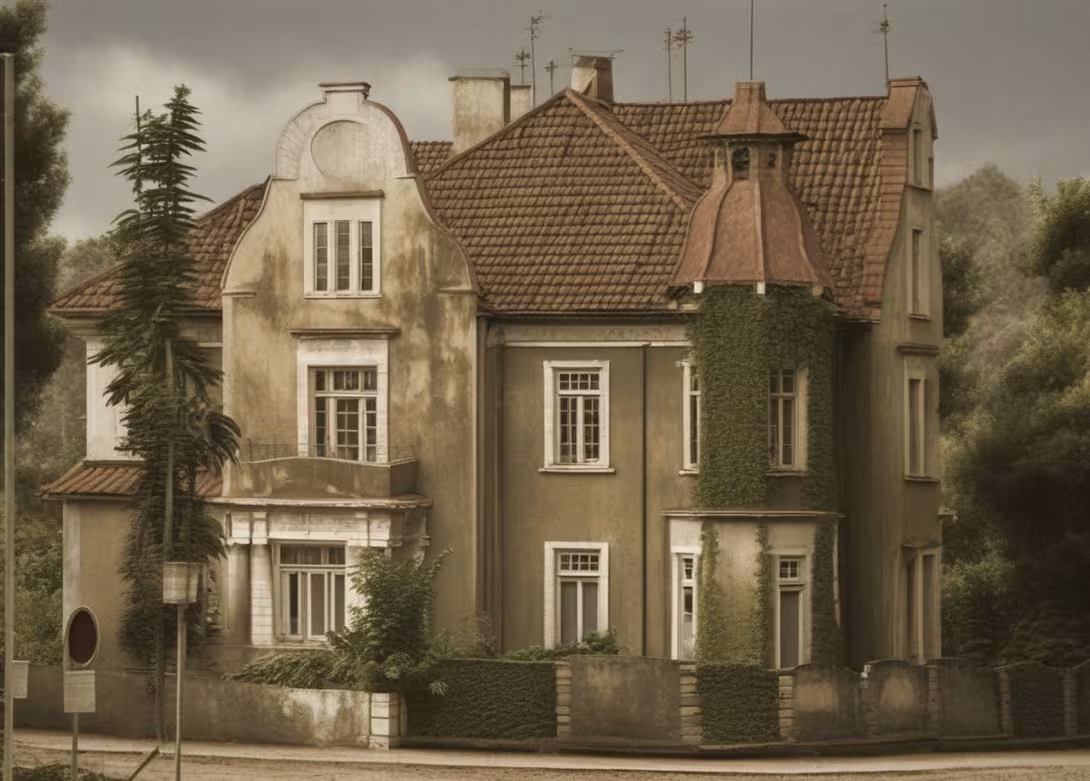
The historical appearance on the left is an AI-generated visualisation and serves as inspiration only.
Historical milestones
- 1906
- Zahájení stavby Vily Ernesta Rügera.
- 1907
- Dokončení stavby Vily Ernesta Rügera.
- 2025
- Vila byla prohlášena za chráněnou kulturní památku.
Architectural development
The villa's design evolved from an initial plan by Alois Geldner to the final version by Rudolf Heiner, reflecting a more restrained decorative approach. The building showcases Secessionist elements with sculptural decorations and features like a polygonal tower with a spire and lantern.
Historical events
Construction completed in 1907.
Declared a protected cultural monument in 2025.
Owners
Originally owned by Ernest Rüger, who commissioned its construction for his family and business operations.
Points of interest
- The villa was initially planned by Alois Geldner's office, but after his death in April 1906, the design was completed by Rudolf Heiner. This transition of architects is a lesser-known aspect of its construction history.
- Despite being primarily known for its Secessionist style, Vila Ernesta Rügera incorporates distinctive polygonal towers and original ironwork at some windows, showcasing a unique blend of architectural influences not commonly associated with the movement.
- The villa's sculptural decorations were produced by Ernest Rüger’s own stonemasonry firm. This highlights how the building served as both a private residence and a showcase for his business, intertwining personal ambition with professional craftsmanship.
- In 2025, Vila Ernesta Rügera was declared a protected cultural monument, ensuring its preservation long after it was originally built in 1907. This designation underscores its historical significance and the broader effort to preserve Czech architectural heritage.
- The villa retains remnants of stained glass and an original staircase with a cast-iron balustrade, elements that contribute to its authenticity and provide insight into early 20th-century interior design practices.
Guide
This guide is narrated by a synthetic voice generated by artificial intelligence.
Show guide text
This text was created by artificial intelligence and has not been editorially reviewed. It may contain inaccuracies.
Welcome to the historic site of Dům E. Rügera, also known as Vila Ernesta Rügera, nestled in the charming town of Krnov in the Moravskoslezský region. As you stand here, take a moment to absorb the grandeur before you—a testament to architectural elegance and cultural heritage.
The villa's story begins at the dawn of the 20th century, between 1906 and 1907. It was commissioned by Ernest Rüger, a prominent factory owner known for his stonemasonry firm. This site was more than just a home; it was a symbol of industrial success intertwined with artistic expression.
As you take in the façade, note its Secessionist style—a design movement characterized by intricate details and ornamental richness. The building's exterior is adorned with sculptural elements crafted by Rüger’s own company, showcasing exceptional craftsmanship that speaks volumes about the era's dedication to artistry. These features are not just decorative; they narrate a story of innovation and cultural ambition.
The architectural journey of this villa began under the guidance of Alois Geldner's office. However, following his untimely death in April 1906, Rudolf Heiner took over, completing the design with his unique vision. This transition is an intriguing chapter in the villa’s history, highlighting how creativity and legacy can be passed from one visionary to another.
Ernest Rüger himself was a central figure in this narrative, not only as the commissioner but also as an influential personality whose work left an indelible mark on the community. His involvement with his stonemasonry firm added layers of personal touch to every sculptural detail you see today.
Now, let's delve into one of the villa’s lesser-known stories: its designation as a protected cultural monument in 2025. This recognition underscores its historical significance and ensures that future generations can appreciate this masterpiece just as we do now.
As you continue your exploration, I invite you to wander around and immerse yourself in the atmosphere of this remarkable site. Each corner holds echoes of history waiting to be discovered. Thank you for joining us on this journey through time. May your visit inspire a deeper appreciation for the artistry and stories that have shaped our world.
Until next time, enjoy every moment of discovery!
Tips for visitors
The best time to visit Dům E. Rügera, also known as Vila Ernesta Rügera, is during the late spring or early autumn months. During these times, the weather is typically mild and pleasant, making it ideal for exploring both the villa and its surroundings. Additionally, visiting in these seasons allows you to enjoy the natural beauty of Krnov without the crowds that may be present during peak tourist periods like summer.
When planning your visit, consider bringing comfortable walking shoes and weather-appropriate clothing, as you may want to explore the surrounding cultural sites and natural features within a 5 km radius. A camera is also recommended for capturing the architectural beauty of the villa and its picturesque environment. Early morning or late afternoon visits are ideal for photography due to softer lighting conditions.
For families with children, Vila Ernesta Rügera offers an engaging historical experience. The area around Krnov has several attractions within a 30-minute drive that can complement your visit. These include other cultural sites and natural landscapes that provide both educational value and recreational opportunities for all ages.
Frequently asked questions
Can the monument be visited?
This is a residential or farm building, not a museum with opening hours. Please view it from public space and respect the owners' privacy. We have no information about access to the interior.
Where is the monument?
Location: Bruntálská 1199/7, Pod Bezručovým vrchem, Krnov, Moravskoslezský kraj. The map on this page shows the exact spot.
Why is the monument protected?
It is listed in the Central List of Cultural Monuments of the Czech Republic as a cultural monument (register no. 107427).
Businesses nearby
Do you run a restaurant, accommodation, shop, museum, rental, wellness or other visitor service near this monument? Show yourself directly to the people heading to it — this is how they will see you in the app and on the web:
Nearby
Located in Krnov, the villa is surrounded by other cultural sites and natural features within a 5 km radius, contributing to the area's historical ambiance.
Accommodation nearby
Themed route
Thematic Walking Tour: Krnov's Cultural and Historical Highlights
1. E. Rüger Villa (Main Attraction) - Type: Historic Building - Why Visit: The E. Rüger Villa is a prime example of early 20th-century architecture, offering visitors a glimpse into the region’s cultural past. Its elegant design and historical significance make it a must-see for those interested in architectural history.
2. Krnov Town Hall - Type: Cultural Site - Why Visit: Located just a short walk from the E. Rüger Villa, Krnov Town Hall is an impressive Renaissance building that showcases intricate stonework and historical significance as the administrative center of the town for centuries.
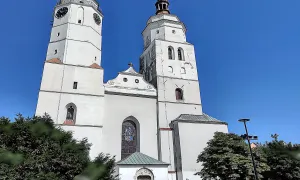
3. St. Bartholomew's Church - Type: Religious Site - Why Visit: Situated within walking distance from the town hall, this church is renowned for its stunning Gothic architecture and beautiful interior frescoes. It offers a peaceful retreat and insight into Krnov’s religious heritage.
4. Krnov Castle Ruins - Type: Historical Ruin - Why Visit: Although not explicitly mentioned in your prompt, if it falls within the 5 km radius as part of the cultural sites surrounding the villa, these ruins provide a fascinating look into medieval history and offer panoramic views of the town.
This tour allows visitors to immerse themselves in Krnov's rich historical tapestry, exploring architectural marvels and cultural landmarks that define this charming Moravian-Silesian region.
Seasonal recommendations
Spring: Visiting E. Rüger's House during the spring offers a unique experience as nature awakens with vibrant blooms and fresh greenery, creating an enchanting atmosphere around the historic site. The soft morning light enhances the architectural details of the villa, making it an ideal time for photography enthusiasts. As the weather becomes milder, visitors should dress in layers to accommodate fluctuating temperatures throughout the day. While spring is generally less crowded than summer, arriving early can help you enjoy a more peaceful exploration before larger groups arrive.
Summer: Summer at E. Rüger's House is characterized by long daylight hours and lush landscapes, providing perfect conditions for leisurely strolls around the property. The warm weather invites visitors to spend extended periods outdoors, enjoying picnics or simply soaking in the tranquil surroundings. However, this season also attracts more tourists, so it’s advisable to arrive early to avoid crowds and ensure a more intimate experience with the site. Comfortable walking shoes and lightweight clothing are recommended, along with sun protection such as hats and sunscreen.
Autumn: The autumnal visit to E. Rüger's House is marked by a stunning display of fall foliage, casting a warm glow over the historic architecture and surrounding gardens. This season offers a serene atmosphere as nature prepares for winter, creating picturesque scenes ideal for photography. Cooler temperatures mean visitors should wear layers, including a light jacket, to stay comfortable during their visit. Autumn generally sees fewer tourists than summer, allowing for a more relaxed exploration of the site.
Winter: Winter at E. Rüger's House provides a magical and serene experience as snow blankets the landscape, transforming the historic villa into a picturesque winter wonderland. The shorter days mean that planning your visit in advance is crucial to make the most of the limited daylight hours. Visitors should dress warmly with layers, including thermal wear and waterproof outer garments, to enjoy the site comfortably despite potential cold weather. Winter's quiet charm attracts fewer visitors, offering a peaceful opportunity to appreciate the villa’s architecture against the stark beauty of the season.
Visualizations and artistic views


The visualisations are generated by artificial intelligence and serve as inspiration.
Photos from the area
Real photos taken near the monument


Zdroj a licence jsou uvedeny u každého snímku.
Tips from visitors
No tips yet. Be the first!
Log in and add your tip.
Sources and literature
Photos: Tadeáš Bednarz / CC BY-SA 4.0, rozlišení zvýšeno umělou inteligencí — Wikimedia Commons. The author and licence also appear when you hover over the image.
Faktickým podkladem tohoto textu byl článek na Wikipedii, jehož autory jsou přispěvatelé Wikipedie. Článek je dostupný pod licencí CC BY-SA 4.0.
Location on the map
Příběhy a pověsti
Legendy, pověsti a příběhy spjaté s touto památkou
Fotografie návštěvníků
Zatím žádné fotografie. Buďte první, kdo přidá fotografii z návštěvy!
Log in a přidejte svou fotografii nebo hodnoťte.
Za ověřenou návštěvu v aplikaci získáte víc bodů — poznáme podle GPS, že jste na místě.
Reviews and comments