



Evangelický kostel Dolního sboru Church
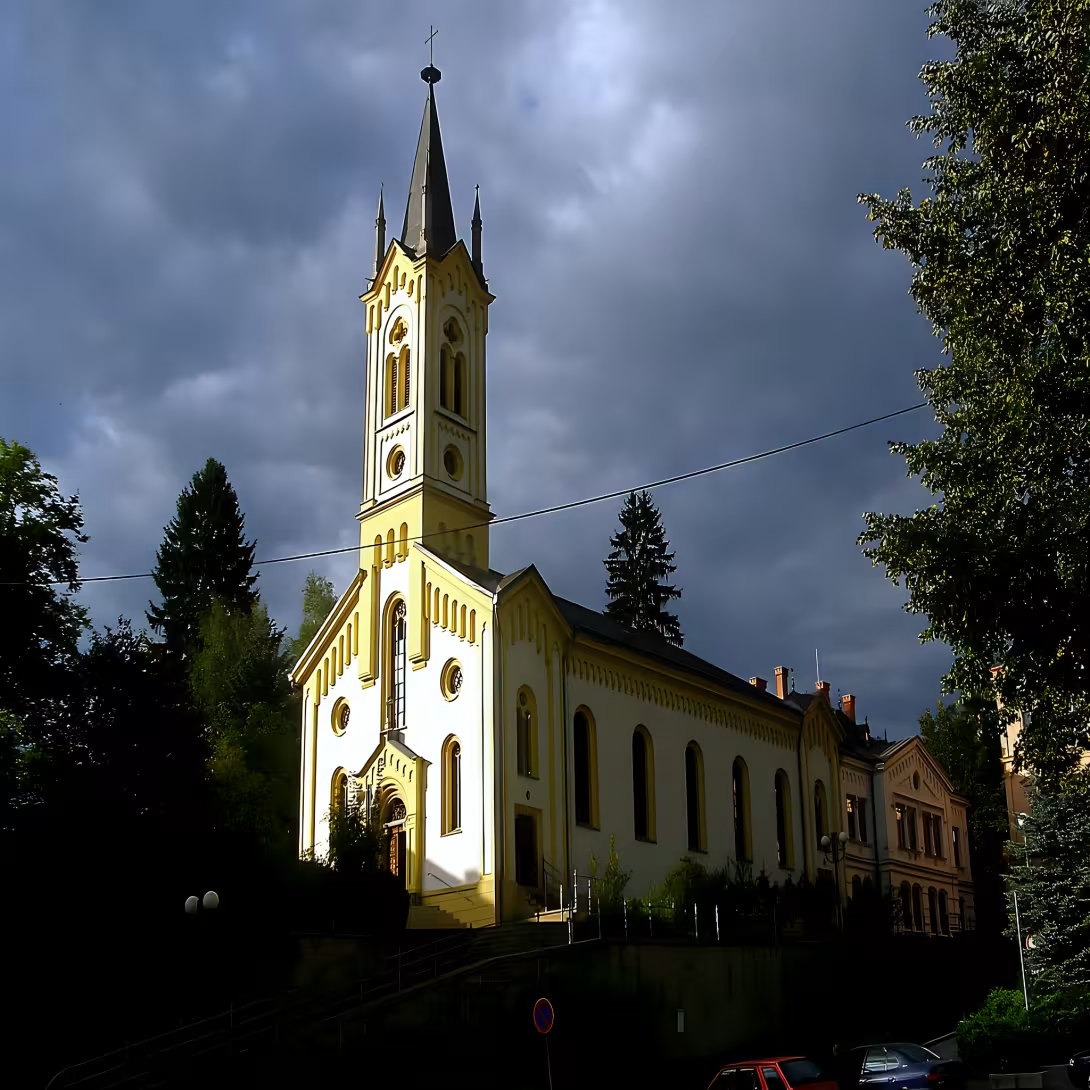
The Evangelický kostel Dolního sboru in Vsetín, Zlínský kraj, is a significant historical monument in the Czech Republic. Built in 1783 following Emperor Joseph II's Tolerance Patent, it stands as one of the first Moravian evangelical churches constructed under this decree. Notable for its architectural evolution from an initial Empirical style to a Neo-Romanesque design by the late 19th century, the church features a bell tower that was absent in its original form due to restrictions at the time.
The origins of Evangelický kostel Dolního sboru are deeply rooted in the religious reforms of the late 18th century under Emperor Joseph II. In 1781, he issued the Tolerance Patent, allowing for the construction of non-Catholic places of worship across his empire. This decree marked a significant shift towards religious tolerance and led to the establishment of several evangelical churches in Moravia, including this one. Initially built without a tower or bells, the church adhered strictly to the conditions set by the Tolerance Patent, with its entrance located on its side wall, reflecting architectural norms of that period.
Architecturally, the Evangelický kostel Dolního sboru began as an Empirical style structure, characterized by simplicity and lacking ornate features such as a tower or bells. By the end of the 19th century, it underwent significant changes, being raised and redesigned in the Neo-Romanesque style. This transformation included adding a bell tower, marking a departure from its original design constraints.
The church's history is also marked by internal dynamics within its congregation. Jan Hrdlička, the first pastor appointed to lead the Dolní sbor, faced opposition from some members who found his approach too rational and authoritarian. This tension contributed to a split in 1785, dividing the congregation into Dolní and Horní sbory based on differing religious affiliations—Augsburg Confession for the former and Helvetic Confession for the latter.
Today, Evangelický kostel Dolního sboru is protected as a cultural monument of the Czech Republic since 1994. It stands close to its original structure, with the Horní sbor's church located about 50 meters away. The church remains an important site for both historical and architectural study, reflecting the broader narrative of religious tolerance in Bohemia during the late 18th century.
Visitors can appreciate the rich history and architectural evolution of Evangelický kostel Dolního sboru. Its significance as one of the first evangelical churches built under Emperor Joseph II's Tolerance Patent offers a unique glimpse into the era's religious reforms. The church is accessible to those interested in exploring Vsetín's cultural heritage, making it a worthwhile destination for anyone intrigued by historical architecture and the story of religious tolerance.
Then and now
Drag the slider to compare how the landmark may have looked when it was built with the view today.
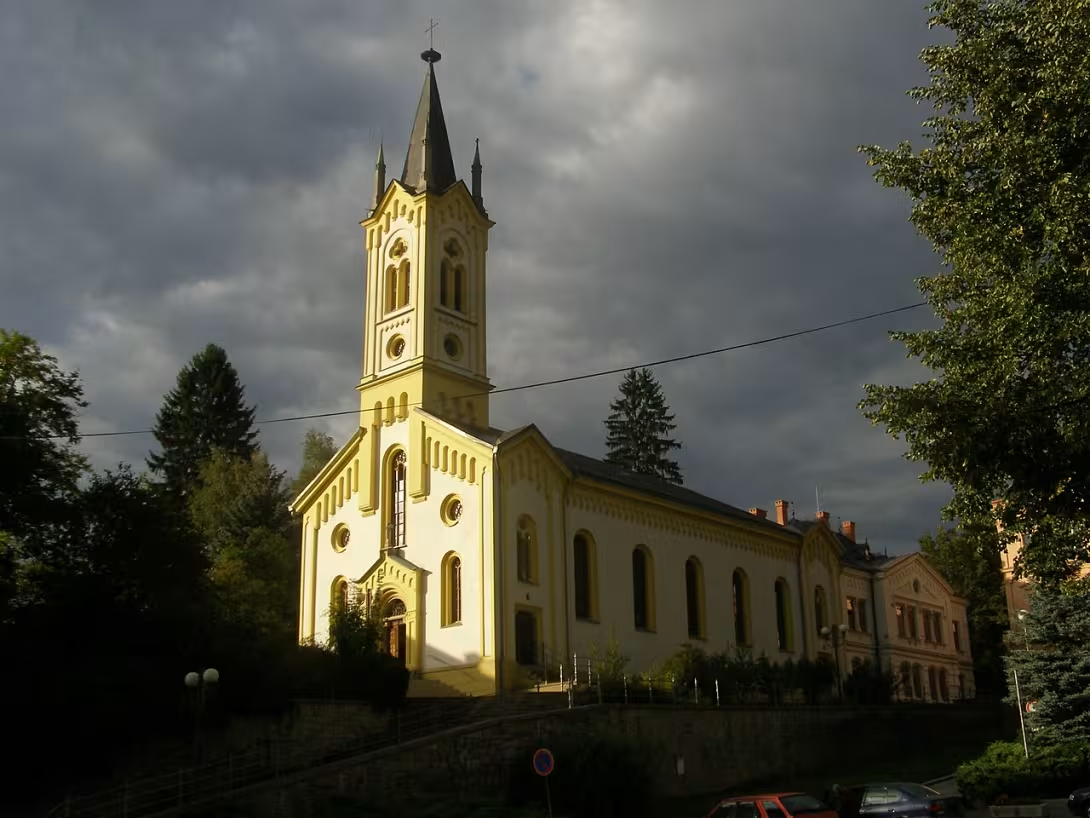
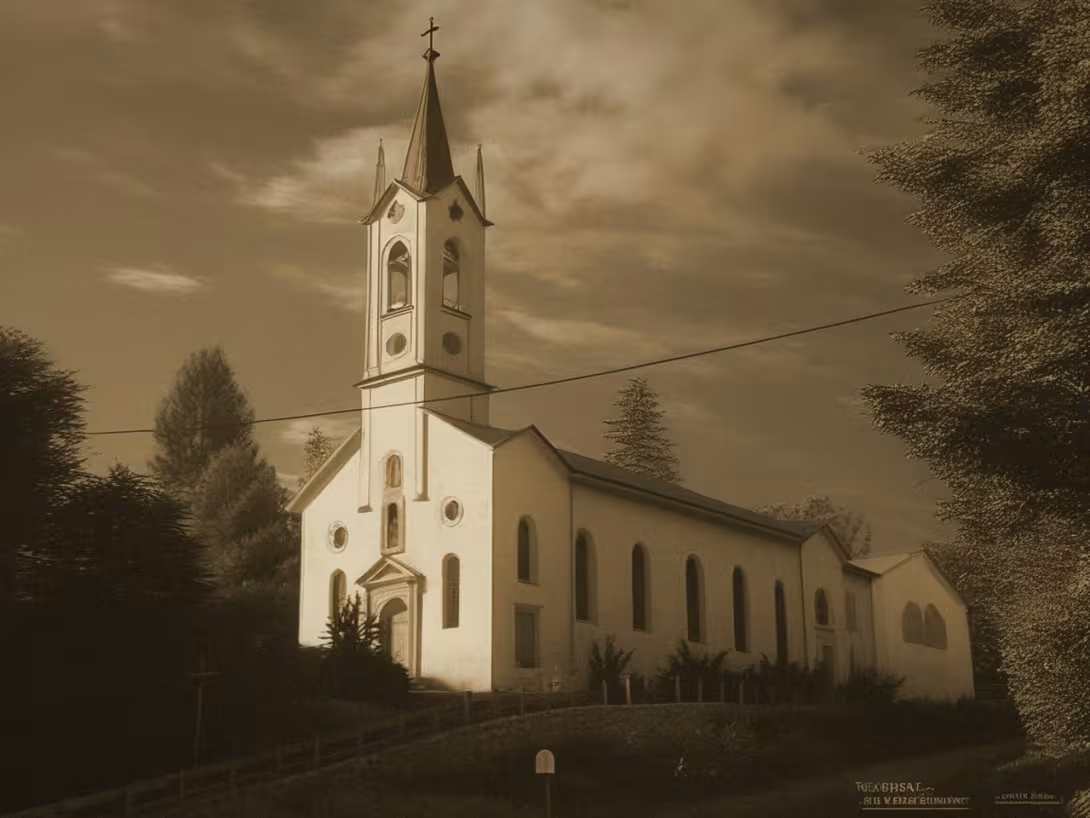
The historical appearance on the left is an AI-generated visualisation and serves as inspiration only.
Historical milestones
- 1781
- Emperor Joseph II issued the Tolerance Patent.
- 1783
- Construction of Evangelický kostel Dolního sboru began.
- 1785
- Congregation split into Dolní and Horní sbory.
- late 19th century
- Church redesigned in Neo-Romanesque style with a bell tower added.
- 1994
- Designated as a cultural monument of the Czech Republic.
Architectural development
Originally built in the Empirical style without a tower or bells, the church underwent significant changes by the end of the 19th century. It was raised and redesigned in the Neo-Romanesque style, including the addition of a bell tower.
Historical events
1781: Emperor Joseph II issued the Tolerance Patent allowing for the construction of non-Catholic places of worship.
1785: The congregation split into Dolní and Horní sbory due to differing religious affiliations.
Points of interest
- The Evangelický kostel Dolního sboru was initially constructed without a tower or bells due to the restrictions imposed by Emperor Joseph II's Tolerance Patent, reflecting the cautious approach towards non-Catholic worship at that time.
- Jan Hrdlička, the first pastor of the church, faced opposition from some congregation members who perceived his leadership style as too rational and authoritarian, leading to a significant split in 1785 based on differing religious confessions.
- The architectural transformation from an Empirical style to Neo-Romanesque by the late 19th century marked a departure from its original design constraints, including the addition of a bell tower that was absent initially due to religious tolerance laws.
- Despite being built as one of the first evangelical churches under Emperor Joseph II's decree, the church's entrance is located on its side wall, adhering strictly to the architectural norms and restrictions of the period.
- The Dolní sbor experienced internal divisions leading to the formation of the Horní sbor, which followed the Helvetic Confession, illustrating the diversity and complexity within early evangelical communities in Moravia.
Guide
This guide is narrated by a synthetic voice generated by artificial intelligence.
Show guide text
This text was created by artificial intelligence and has not been editorially reviewed. It may contain inaccuracies.
The Evangelical Church of the Lower Congregation is one of two churches of the Czech Brethren Evangelical Church in Vsetín. The second, the Church of the Upper Congregation, stands just about 50 meters away from it. Since 1994, the Lower Church has been protected as a cultural monument.
It belongs to the first evangelical churches in Moravia that were built after the Edict of Toleration was issued. The emperor Joseph II issued it on October 13th, 1781. The original Empire style building was completed already in 1782 and had to meet the conditions that the edict imposed on non-Catholic places of worship. It therefore had no tower or bells and the entrance was located on the side.
The first pastor of the congregation became Jan Hrdlička from the Slovak city of Modra. His ministry, however, soon provoked resistance. Part of the believers, who had previously practiced their faith in secret and were influenced by pietism, saw in him a representative of too rationalistic piety and an authoritarian approach. Already in 1785, the congregation split. Members of the Lower Congregation adhered to the Augsburg Confession. The Upper Congregation followed the Helvetic Confession and aligned itself with the legacy of John Calvin.
The separated reformed congregation initially remained in the church as a tenant. However, coexistence was marked by frequent unbrotherly disputes, as sources indicate. The Upper Congregation therefore decided to build its own church. It arose in close proximity to the original church and was consecrated in May 1827.
At the end of the 19th century, the Lower Congregation church underwent significant reconstruction in the neo-Romanesque style. The building was heightened and acquired a tower, intended for hanging bells, which the original toleration building was not allowed to have.
Tips for visitors
The best time to visit the Evangelický kostel Dolního sboru is during late spring or early fall when the weather is mild, and the surrounding nature is particularly beautiful. These seasons offer pleasant temperatures for walking around Vsetín and enjoying outdoor activities. Additionally, visiting outside of peak tourist season can provide a more serene experience, allowing you to appreciate the historical architecture without large crowds.
It's advisable to check current schedules online or at local transportation hubs for the most accurate information.
When visiting the Evangelický kostel Dolního sboru, it’s recommended to bring comfortable walking shoes as you may want to explore the surrounding area of Vsetín. A camera is also a must-have to capture the stunning architecture and serene atmosphere of the church. Additionally, consider bringing a light jacket or sweater, as temperatures can vary throughout the day.
Photography enthusiasts will find several spots around the Evangelický kostel Dolního sboru ideal for capturing its beauty. The best lighting is usually during the golden hours—shortly after sunrise and before sunset—when the sunlight enhances the church's architectural details. Try to capture the facade from different angles, including a view of the surrounding landscape, which adds context to your photos.
For families with children visiting the Evangelický kostel Dolního sboru, there are several activities nearby that can make the trip enjoyable for all ages. Within 30 minutes' travel, you can explore other historical sites in Vsetín or enjoy a leisurely walk through local parks. These areas offer opportunities for kids to run around and play while adults appreciate the cultural heritage of the region.
Frequently asked questions
Can the monument be visited?
Religious buildings are usually open mainly during services; at other times a visit is normally arranged with the parish or the operator. We have not verified specific times.
Where is the monument?
Location: Palackého, Vsetín, Zlínský kraj. The map on this page shows the exact spot.
Why is the monument protected?
It is listed in the Central List of Cultural Monuments of the Czech Republic as a cultural monument (register no. 10268/8-3852).
Businesses nearby
Do you run a restaurant, accommodation, shop, museum, rental, wellness or other visitor service near this monument? Show yourself directly to the people heading to it — this is how they will see you in the app and on the web:
Accommodation nearby
Themed route
Tematická výletní trasa - Evangelický kostel Dolního sboru, Vsetín
1. Evangelický kostel Dolního sboru (Kostel) - Typ: Historická památka - Proč stojí za návštěvu: Tento barokní kostel je jednou z nejstarších evangelických sakrálních budov v Moravském Slezsku. Jeho architektura a historie představují bohatý kulturní dědictví oblasti, které si každý návštěvník může užít.
2. Náměstí Míru (Veřejný prostor) - Typ: Náměstí - Proč stojí za návštěvu: Nachází se ve Vsetíně, přibližně v polovině cesty mezi centrem města a kostelem. Toto místo je ideální pro odpočinek a pohled na historické budovy okolního obvodu, které dodávají náměstí jedinečný charakter.
3. Evangelická farnost (Kulturní instituce) - Typ: Kulturní a vzdělávací centrum - Proč stojí za návštěvu: Nachází se blízko kostela, což umožňuje navštěvníkům získat hlubší vhled do historie a aktuálního života evangelické komunity v Vsetíně. Zde mohou být poznávací prohlídky nebo sezení zaměřená na kulturní dědictví.
4. Park u kostela (Zeleň a odpočinek) - Typ: Místní park - Proč stojí za návštěvu: Park nabízí klidné prostory k odpočinku po prohlídce kostela. Je to ideální místo pro relaxaci v přírodním prostředí, které je úzce spjato s historickým a kulturním kontextem oblasti.
Tato trasa nabízí návštěvníkům možnost nejen poznat hlavní památku Evangelického kostela Dolního sboru, ale i prozkoumat okolní kulturní a historické aspekty Vsetína.
Seasonal recommendations
Spring: Visiting the Evangelical Church of the Lower Congregation during spring offers a unique experience as nature awakens around Vsetín. The blooming flowers and fresh greenery create a vibrant atmosphere, enhancing the historical charm of the church with natural light filtering through stained glass windows. This season is particularly serene, making it ideal for those seeking tranquility away from the summer crowds. Visitors should dress in layers to accommodate the variable weather, which can range from mild days to cooler evenings. Arriving early in the morning allows you to enjoy a quieter visit before larger groups arrive.
Summer: Summer at the Evangelical Church of the Lower Congregation is marked by long daylight hours and warm temperatures, perfect for exploring Vsetín's cultural heritage. The lush surroundings are particularly beautiful during this season, with the church often bathed in golden sunlight that accentuates its architectural details. However, it’s also the peak tourist season, so visitors should plan to arrive early or later in the day to avoid larger crowds. Comfortable walking shoes and light clothing are recommended due to the warm weather, along with sun protection if visiting during midday.
Autumn: Autumn transforms the landscape around the Evangelical Church of the Lower Congregation into a tapestry of fiery colors, making it an ideal time for photography enthusiasts and nature lovers. The cooler temperatures create a cozy atmosphere that complements the historical ambiance of the church. During this season, there are fewer visitors compared to summer, allowing for a more intimate experience. Visitors should dress warmly in layers to enjoy the crisp air comfortably, and consider bringing a light jacket or sweater as evenings can be chilly.
Winter: Winter offers a magical setting for visiting the Evangelical Church of the Lower Congregation, with Vsetín often blanketed in snow that adds a picturesque quality to its surroundings. The church's architecture is particularly striking against the stark winter landscape, and the shorter days mean it’s best visited during daylight hours when it’s open. This season typically sees fewer visitors, providing an opportunity for a more peaceful exploration of the site. Visitors should dress warmly with thermal layers, hats, gloves, and sturdy boots to navigate potentially icy paths comfortably.
Visualizations and artistic views


The visualisations are generated by artificial intelligence and serve as inspiration.
Photos from the area
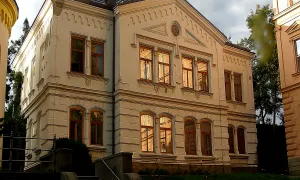
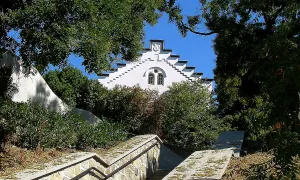
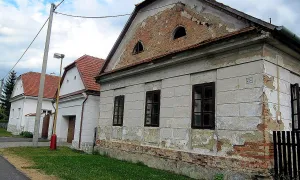
Real photos taken near the monument

Zdroj a licence jsou uvedeny u každého snímku.
Tips from visitors
No tips yet. Be the first!
Log in and add your tip.
Sources and literature
Photos: Michal Kmínek / CC BY-SA 3.0, rozlišení zvýšeno umělou inteligencí — Wikimedia Commons. The author and licence also appear when you hover over the image.
Faktickým podkladem tohoto textu byl článek na Wikipedii, jehož autory jsou přispěvatelé Wikipedie. Článek je dostupný pod licencí CC BY-SA 4.0.
Location on the map
Příběhy a pověsti
Legendy, pověsti a příběhy spjaté s touto památkou
Fotografie návštěvníků
Zatím žádné fotografie. Buďte první, kdo přidá fotografii z návštěvy!
Log in a přidejte svou fotografii nebo hodnoťte.
Za ověřenou návštěvu v aplikaci získáte víc bodů — poznáme podle GPS, že jste na místě.
Reviews and comments