






Evangelický kostel (Žatec) Church
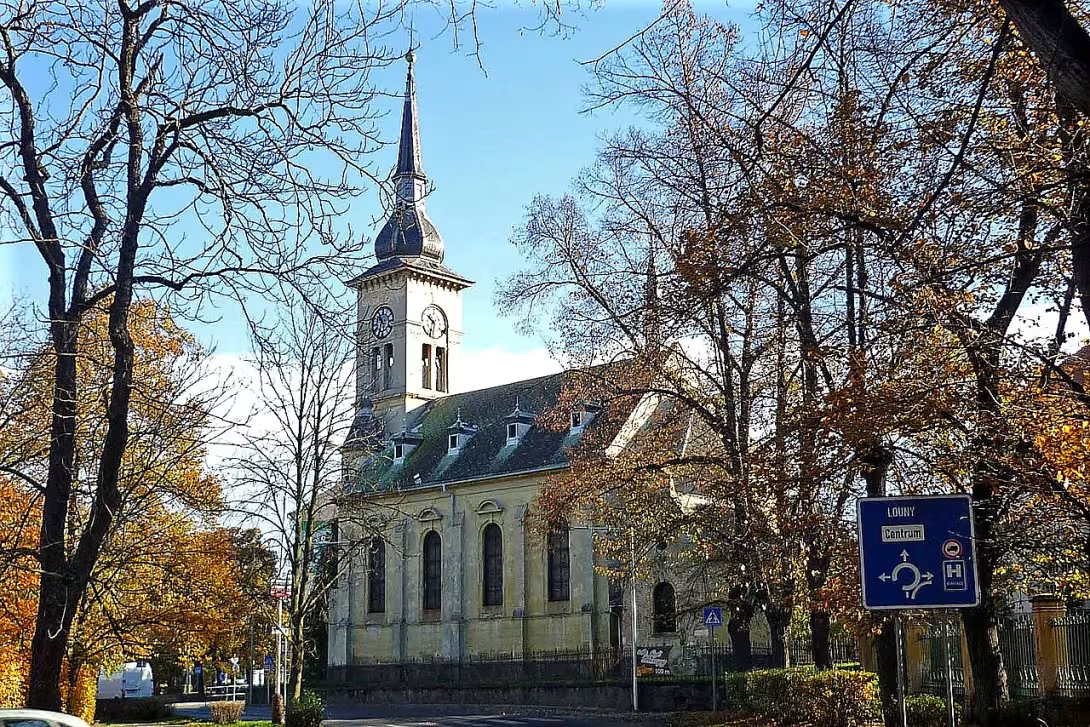
The Evangelický kostel in Žatec is a significant historical monument located at the intersection of Komenského and Husovy streets. Constructed between 1897 and 1898, this pseudorenaissance style church has been protected since 2011 due to its architectural and historical value. Originally serving the German-speaking Evangelical Augsburg community, it now belongs to the Czech Brethren Church. The church reflects the cultural and religious diversity of late 19th-century Bohemia, showcasing architectural trends influenced by historical styles.
The origins of the Evangelický kostel trace back to the establishment of an Augsburský německý evangelický sbor (Augsburg Confession German Evangelical congregation) as a preaching station and filial of the community in Chomutov in 1889. By 1906, it had become an independent parish. Following Czechoslovakia's formation, the church became part of the country's German Evangelical Church until its dissolution in 1945. Architects Josef Petrowský and Moritz Lüdersdorf designed the church, with Lüdersdorf also serving as an initiator and donor.
Architecturally, the church is a notable example of pseudorenaissance style, featuring a single-nave rectangular layout oriented southeast to northwest. It includes a three-sided presbytery, an adjoining sacristy, and a prominent tower at the western facade. The design incorporates hipped corners and two cylindrical stair towers in the corners, with the northern stair tower being taller and providing access to the main tower's second floor. Recent renovations since 2017 have focused on repairing the roof, bell tower, and clock, ensuring its preservation for future generations.
Throughout its history, the church has undergone several ownership changes. Initially owned by the German-speaking Evangelical Augsburg community, it became part of the Czechoslovak Republic's German Evangelical Church after World War I. Following the political upheavals of 1945, it was dissolved and later came under the ownership of the Českobratrská církev evangelická (Czech Brethren Church). These changes reflect broader historical shifts in the region.
The church's interior retains its original fittings and window paintings from the late 19th century, preserving significant historical authenticity. However, the original organ pipes by Heinrich Schiffner were lost during transport to Germany in 1938. The current organs were acquired post-1945 from an unknown location, adding another layer to its storied past.
Today, the Evangelický kostel remains a vibrant cultural and religious site. Regular services are held on Sundays, along with concerts and choir performances, making it a lively community hub. Its historical significance, combined with ongoing preservation efforts, ensures that it continues to be an important landmark in Žatec. Visitors can appreciate its architectural beauty and rich history, making it well worth a visit for those interested in exploring the cultural heritage of the region.
Then and now
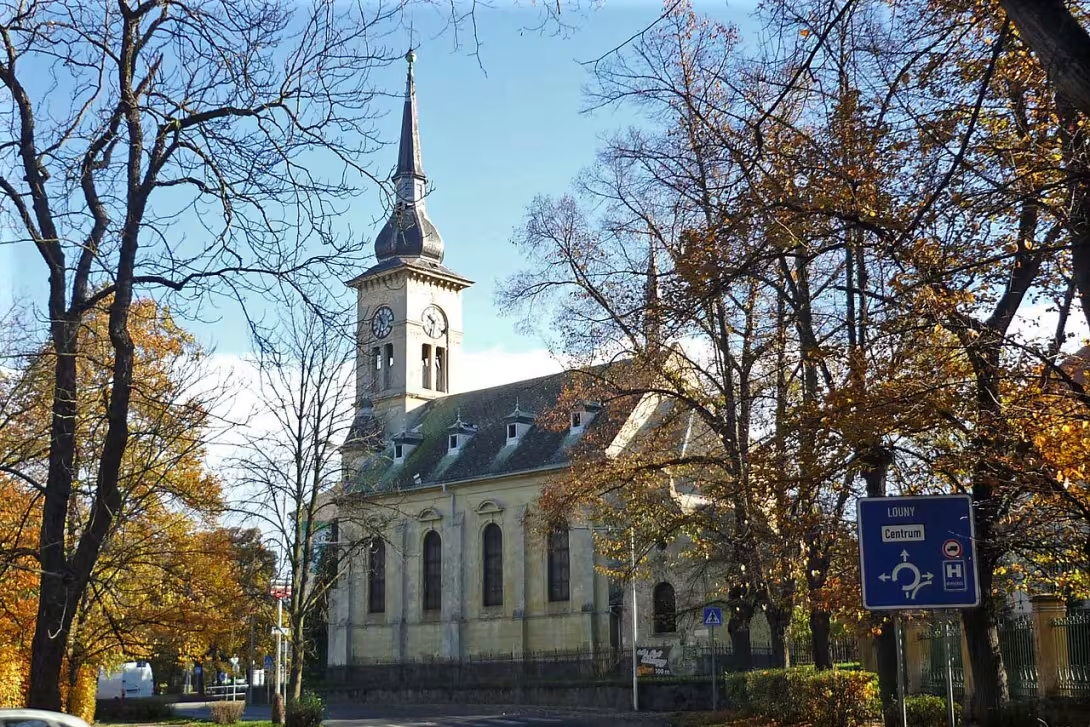
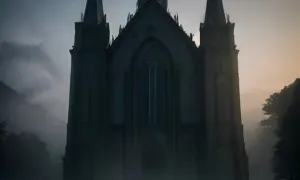
Drag the slider to compare how the landmark may have looked when it was built with the view today.
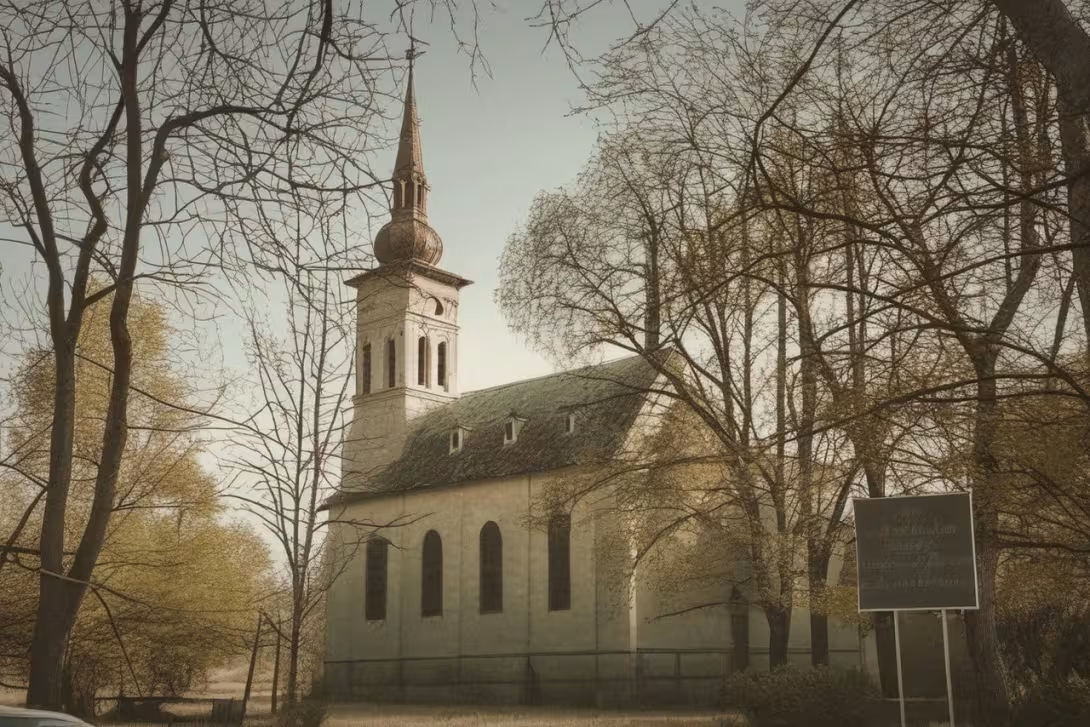
The historical appearance on the left is an AI-generated visualisation and serves as inspiration only.
Historical milestones
- 1889
- Establishment of the Augsburg Confession German Evangelical congregation in Žatec.
- 1897
- Construction began for the Evangelický kostel in Žatec.
- 1898
- Completion of construction for the Evangelický kostel.
- 1906
- The congregation became an independent parish.
- 1918
- Church became part of Czechoslovakia's German Evangelical Church post-World War I.
- 1945
- Dissolution of the church as part of the German
Architectural development
The church's construction began in 1897 and completed by 1898. It features a pseudorenaissance architectural style with a single-nave rectangular layout oriented southeast to northwest. The building includes a three-sided presbytery, an adjoining sacristy, and a tower at the western facade. Recent renovations since 2017 have focused on repairing the roof, bell tower, and clock.
Historical events
The church was established as a preaching station and filial of the German-speaking Evangelical Augsburg community in Chomutov in 1889.
It became an independent parish in 1906.
In 1945, following the establishment of Czechoslovakia, it was dissolved.
Owners
Initially owned by the German-speaking Evangelical Augsburg community, later became part of the Czechoslovak Republic's German Evangelical Church until its dissolution in 1945. Currently, it is under the ownership of the Czech Brethren Church.
Points of interest
- The Evangelický kostel's design was influenced by the pseudorenaissance style, a trend that sought to revive historical architectural elements in new constructions during the late 19th century.
- Despite its current affiliation with the Czech Brethren Church, the church originally served the German-speaking community, reflecting the multicultural religious landscape of Bohemia at the time.
Guide
This guide is narrated by a synthetic voice generated by artificial intelligence.
Show guide text
This text was created by artificial intelligence and has not been editorially reviewed. It may contain inaccuracies.
Welcome to the Evangelický kostel in Žatec, a remarkable piece of history nestled at the intersection of Komenského and Husovy streets. As you stand here, take a moment to absorb its presence—a testament to architectural ingenuity from the turn of the 20th century. This church, with its pseudorenaissance style, offers more than just visual appeal; it's a portal into the past.
The story of this church begins in 1889 with the establishment of the Augsburg Confession German Evangelical congregation in Žatec. Just eight years later, construction commenced on what would become not only a place of worship but also a cultural monument under protection since 2011. The vision for this church was brought to life by architects Josef Petrowský and Moritz Lüdersdorf, with the latter playing a pivotal role as both initiator and donor.
As you gaze upon its facade, notice how it embodies the pseudorenaissance style—a trend that sought to revive historical architectural elements during the late 19th century. This style is characterized by symmetry and classical details, inviting you to explore further and appreciate the craftsmanship of an era gone by.
The church's history is intertwined with significant events in European history. In 1906, it became an independent parish, marking a new chapter in its story. However, the tides of history would bring change once again; after World War I, in 1918, it became part of Czechoslovakia's German Evangelical Church. The post-war years saw further shifts until 1945 when the church was dissolved as part of the broader dissolution of the German Evangelical Church in Czechoslovakia.
Today, this historical gem serves a new purpose under the Czech Brethren Church, continuing to be a place of community and reflection. As you stand here, let your imagination wander through its halls, considering the countless individuals who have found solace within these walls over the decades.
Before we conclude our brief journey, take a moment to appreciate the church's resilience and adaptability through times of change—a true testament to the enduring spirit of Žatec. We invite you to explore further, perhaps wandering around its exterior or delving into local archives for more stories about this fascinating site.
Thank you for joining us at the Evangelický kostel in Žatec. May your visit inspire a deeper appreciation for the rich tapestry of history that surrounds us. Safe travels as you continue to discover the wonders of Ústecký kraj and beyond.
Businesses nearby
Do you run a restaurant, accommodation, shop, museum, rental, wellness or other visitor service near this monument? Show yourself directly to the people heading to it — this is how they will see you in the app and on the web:
Nearby
Located at a historical toll collection site, the church is near roads leading to Kadaň and Karlovy Vary. The area features a stone crossroads marking the entrance.
Accommodation nearby
Themed route
Thematic Walking Tour: Žatec and Its Historical Crossroads
1. Evangelický kostel (Žatec) - Church Begin your journey at the heart of Žatec with a visit to the Evangelický kostel, an architectural gem located at a historical toll collection site. This church not only offers stunning Gothic and Baroque elements but also stands as a testament to the town's rich religious history. Its proximity to ancient roads leading to Kadaň and Karlovy Vary adds layers of historical intrigue.
2. Stone Crossroads - Historical Marker A short walk from the Evangelický kostel, you'll find an intriguing stone crossroads marking the entrance to this historically significant area. This site symbolizes Žatec's role as a pivotal junction in medieval trade routes and offers insight into its past as a bustling hub for travelers and merchants.
3. Historical Toll Collection Site - Cultural Landmark Continue your exploration by visiting the nearby historical toll collection site, which provides context to the church’s location. This area highlights Žatec's strategic importance during times when tolls were collected from those traveling between Kadaň and Karlovy Vary. It offers a glimpse into the economic activities that shaped the town.
4. Roadways Leading to Kadaň and Karlovy Vary - Historical Routes Conclude your tour by walking along the roads leading out of Žatec towards Kadaň and Karlovy Vary. These pathways are steeped in history, having served as vital trade routes for centuries. As you stroll, imagine the countless journeys that have passed through this region, connecting it to broader historical narratives.
This tour encapsulates the essence of Žatec's historical significance, focusing on its role as a crossroads and center of commerce during pivotal periods in history.
Seasonal recommendations
Spring: The arrival of spring at the Evangelický kostel in Žatec brings a refreshing atmosphere as nature begins to awaken from its winter slumber. Visitors can enjoy the soft, natural light filtering through budding trees, casting gentle shadows across the church's historic architecture. This season is ideal for exploring the surrounding landscapes, which are adorned with vibrant wildflowers and lush greenery. Since spring often sees fewer tourists than summer, it’s a perfect time to visit without large crowds. Dress in layers as temperatures can vary, and consider bringing an umbrella in case of sudden showers.
Summer: Summer at Evangelický kostel is characterized by long daylight hours that illuminate the church's intricate details beautifully, making it an excellent time for photography enthusiasts. The warm weather invites visitors to appreciate both the interior and the outdoor surroundings comfortably. However, this season also attracts more tourists, so arriving early in the day can help avoid larger crowds. Light, breathable clothing is recommended due to higher temperatures, and don't forget sunscreen if you plan to spend extended periods outdoors.
Autumn: Autumn at Evangelický kostel offers a stunning display of colors as leaves change from green to vibrant shades of red, orange, and yellow. The softer light during this season enhances the church's architectural beauty, creating a serene and picturesque setting. This is also a quieter time for visits compared to summer, allowing for a more intimate experience. Wear comfortable layers to accommodate cooler temperatures and bring a jacket or sweater as evenings can be brisk.
Winter: Winter transforms Evangelický kostel into a tranquil sanctuary with its snow-covered surroundings providing a stark yet beautiful contrast against the church's historic facade. The shorter days mean that visitors should plan their visit during daylight hours, and it’s advisable to arrive early due to potentially reduced opening times. Wearing warm clothing is essential, including coats, hats, gloves, and boots for comfort while exploring. Despite the cold, winter offers a unique and peaceful atmosphere that enhances the spiritual ambiance of this historic site.
Visualizations and artistic views


The visualisations are generated by artificial intelligence and serve as inspiration.
Photos from the area
Real photos taken near the monument


Zdroj a licence jsou uvedeny u každého snímku.
Tips from visitors
No tips yet. Be the first!
Log in and add your tip.
Sources and literature
Fotografie: SchiDD / CC0 — Wikimedia Commons. The author and licence also appear when you hover over the image.
Faktickým podkladem tohoto textu byl článek na Wikipedii, jehož autory jsou přispěvatelé Wikipedie. Článek je dostupný pod licencí CC BY-SA 4.0.
Location on the map
Příběhy a pověsti
Legendy, pověsti a příběhy spjaté s touto památkou
Fotografie návštěvníků
Zatím žádné fotografie. Buďte první, kdo přidá fotografii z návštěvy!
Přihlaste se a přidejte svou fotografii nebo hodnoťte.
Za ověřenou návštěvu v aplikaci získáte víc bodů — poznáme podle GPS, že jste na místě.
Reviews and comments