



fara ve Výprachticích Parish house
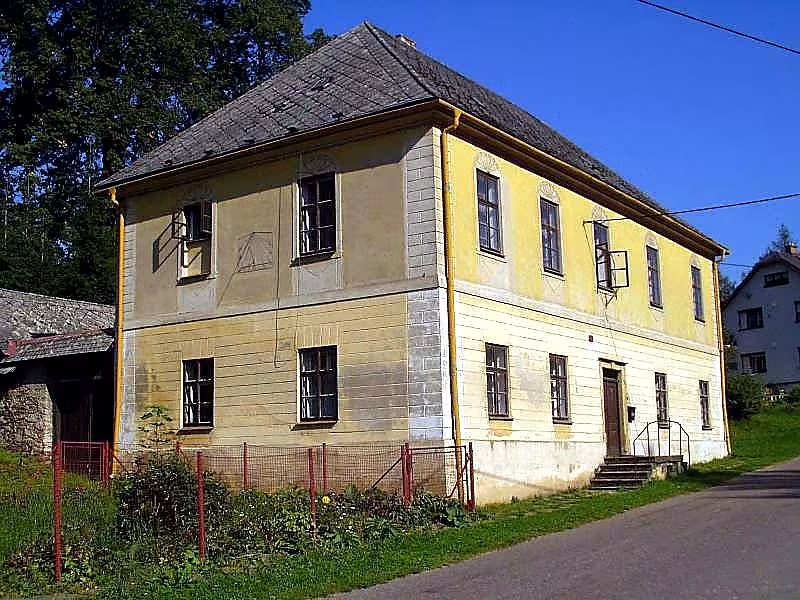
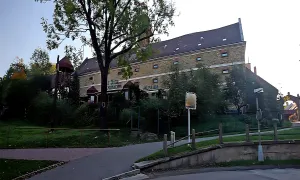
The Fara in Dishtice is a classic monument located in the centre of the village, which attracts visitors with its history and architecture. This building, originally a mere cottage during the Hussite period, has undergone significant changes to its present form. Its history dates back to the 14th century, when the Church Office first appeared here, and its importance is linked to the reCatholics after the Battle of White Mountain.
The first mention of the Parish Office in Drying Life dates back to 1350. Originally there was a plebanie of Litomysl bishopric, but during the Hussite period it came under the control of non-Catholics. After the battle on the White Mountain, there was reCatholics and the parish office was reestablished, leading to changes in the administrative order of the village. In 1663, Výprachtice became a parochial branch of the office in Jablonná nad Orlicí.
The fara ve Výprachticích architecture has undergone several transformations. The original building from 1655 was a cottage used by non-Catholics. After the foundation of the locale in 1780, a new building was built with a mansard roof and shingles cover. In the following years, further reconstruction took place, including the replacement of shingles with shingles and then with eternity.
The Fara in Drying has undergone various stages of administration. After the battle on the White Mountain, Výprachtice was ecclesiastically subordinate to the rectory in Ústí nad Orlicí, where sometimes Martin Lladký worked. In 1780, a local building was founded and a new building was built with financial contributions from the authorities. In 1853 the dusty locale was promoted to a real rectory, which led to a thorough reconstruction of the building.
Key events in parochial life include the rich Federal life during the first republic and the location of refugees on the parish during the war and the communist era. The Fara was also a place where member meetings were held and youth organisations were rehearsed.
Today, the parish building is available for visitors. Its history and architecture attract people interested in the Czech cultural monument, which by its development from the Hussite period to the present day offers a rich view of local history. Visiting this rectory is an opportunity to explore not only its architectural value, but also the deeper historical contexts that shaped the life of the village Výprachtice.
Thus, the Fara in Dredication is important not only as a religious building, but also as a witness to many changes and events that shaped the history of this village. Her visit offers a view of the rich past and a reminder of the importance of cultural monuments in preserving local heritage.
Historical milestones
- 1780
- Position of the new parish building.
- 1853
- The powder plant was promoted to a real rectory.
Architectural development
The original building was only a cottage in 1655. In 1780, a new rectory was built with a mansard roof and shingles shelter, which later turned into a valb roof. There have been further reconstructions over the following years, including the replacement of shingles by shale and then by eternity.
Historical events
- 1350
- The first record of the church office in Drying.
- 1620
- After the Battle of White Mountain, Výprachtice fell under the rectory in Ústí nad Orlicí.
- 1780
- Construction of a new parish building and establishment of a local area.
Points of interest
- The Fara in Drying is a classic monument located in the centre of the village. - This building has undergone changes from the Hussite period to the present, with history dating back to the 14th century. - The first mention of the Parish Office in the Drying House dates back to 1350, linked to the reCatholics after the Battle of White Mountain. - The architecture of the rectory went through transformations from the original cottage from 1655 to a new building built in 1780 with a mansard roof and shingles cover. - In 1853, the dusty colony was promoted to a real rectory, which led to a thorough reconstruction of the building.
Guide
Show guide text
This text was created by artificial intelligence and has not been editorially reviewed. It may contain inaccuracies.
Welcome to the Drifters. Right now, standing right in front of this building, you may perceive its peaceful and present form, which dominates the very center of the village. This historical monument, which is now before your eyes, is a parish building, popularly known as a parish. Feel the atmosphere of a place that has been standing here for centuries. Although you may seem to be looking at a stable and immutable entity, you are actually looking at a place that has undergone incredible changes and has witnessed major changes in the history of our region. Look at her face and try to imagine how the world was changing around here, how people's faith was changing, and how the shape of this place itself changed.
Let us now move further into the past, so that we can understand how this important point of the village was created. Although the building you see seems very firm and stable, its roots go much further than it might seem. The first mention of a parish office in this area can be found in the 1950s. This means that this place has been a spiritual center for the surrounding humanity for over 600 years. However, the path the rectory went through was not always simple and peaceful. In times of great religious divisions, specifically during the Hussite period, there was no large and representative building. Instead, there was only a simple cottage. It was a modest building used by people who did not apply to the Catholic Church. Imagine the period atmosphere of tension and finding your own path.
But then came the time of great change. After the battle on White Mountain, there was a process called reCatholisation. This meant that the religious map of our countries had changed again, and the Parish Office began to grow again and gain meaning in the Drifters. This era has brought about the gradual development of the parish office and the need to have space that corresponds to the new times and the new role that this place played in the community.
Now pay attention to the architecture of the building itself, which now surrounds you. What you see is the result of a major step that was taken in the year seven hundred and eighty. That's when this new building was built, which you now admire. Her style is classical, which is a style that seeks balance, order and harmony. Even if we can't look at every little detail inside, you can perceive the exterior of the building through this classic approach. Feel the striving for peace and dignity this building radiates. This building was not only built as a home for spiritual people, but it had many different functions. It served as a place for the community, as a centre for the various social and spiritual needs of the people around it. It is a building that was designed to be useful and at the same time exalted in the heart of the village.
When we look at the history of this place, we can't forget the people who left their mark. Every historical monument is made up of human stories. One of the names associated with this place is Jan Buffler. Although time revolves around and the names of many people gradually fade into memory, it was the kind of personality that helped shape life in this place and maintain the traditions that have been built here for centuries. Imagine the people who lived here looking for help, advice, or just a meeting place.
If you're looking for something that really interests you, think about the constant transformation of this place. It is fascinating how one small cottage from the Hussite era could gradually turn into such an important classical monument. This building has undergone many changes from the 14th century to the present. Another interesting point in her history is the year one thousand eight hundred fifty-three. This year, this locality was promoted to a real rectory, which meant further strengthening its position and importance. It's a fascinating idea that you're standing in front of a building that carries layers of history reaching over half a lover.
Now, I beg you, continue to drift through the atmosphere of this village. This rectory is not just a stone building, it is a vibrant piece of history that stands here to remind us how the world changed, how faith changed and how our society was built. Feel the connection between the past and the present this place offers.
Thank you for joining us on this short journey through time. We hope that this view of the history of the parish building in the Drying House has brought you new insight and that its peaceful presence in the centre of the village will still fascinate you. Please continue the tour and enjoy all the beauty and peace this historic landscape offers. Goodbye.
Tips for visitors
The best time to visit the rectory is in spring or autumn, when vegetation is green and light is pleasant. These years are ideal for long corridors around historic rooms with no sharp sunlight.
The use of public transport or a passenger car shall be certified for transport to the Dishtice. You can verify the current connection in the traffic search engine.
When you visit, take your hat or parasol with you to protect you from sunlight. It is also important to carry shoes suitable for walking on more permanent surfaces and perhaps some drinks, especially in warmer days.
Photography of the rectory is best done in the early morning or in the evening when the light is softer and the shadows are doing better. The best places for photos can be found on the sides of the building where there is a sunset or sunrise right behind the rectory.
In the vicinity of Dopachtice you can visit other historical monuments and beautiful natural spaces. For families with children it is convenient to walk on the surrounding roads where they can enjoy nature and perhaps even some amusement park nearby.
Frequently asked questions
Can the monument be visited?
This is a residential or farm building, not a museum with opening hours. Please view it from public space and respect the owners' privacy. We have no information about access to the interior.
Where is the monument?
Location: Výprachtice. The map on this page shows the exact spot.
Why is the monument protected?
It is listed in the Central List of Cultural Monuments of the Czech Republic as a cultural monument (register no. 1000138308).
Businesses nearby
Do you run a restaurant, accommodation, shop, museum, rental, wellness or other visitor service near this monument? Show yourself directly to the people heading to it — this is how they will see you in the app and on the web:
Nearby
🏰 Historic sites (46)
- Ignác Umlauf 6.1 km
- Ludvík Krejčí (1890-1972) 6.6 km
- Pomník obětem 1. světové války 7.1 km
- Pomník protifašistického odboje 7.5 km
- Pomník padlým v 1. světové válce 8.2 km
- Pomník obětem sv. v. 8.7 km
- Městské muzeum Lanškroun 9.1 km
- Tvrz Bouda 9.1 km
- Památník Jana Marcuse Marciho 9.2 km
- Sloup se sochou Panny Marie Immaculaty 9.3 km
- K-S 25 Na sedle 9.7 km
- Lichtenštejnský památník 10.6 km
- Pomník Obětem 1. a 2. světové války 12.1 km
- Vojenské muzeum Lichkov 12.2 km web
- Muzeum řemesel 12.7 km +420 465 622 160 web
- Brána 12.7 km
- Monument 12.7 km
- Východočeský památník celnictví 12.8 km
- Památník obětem internace Králíky 12.8 km +420 603 517 932 web
- Muzeum čs. opevnění z let 1935-1938 12.8 km
🍽️ Restaurants and dining (83)
- Restaurace U Jana 0.2 km
- Hostinec U Spicaku 3.9 km
- Restaurace Horský Resort Buková Hora 5.3 km Mlýnický Dvůr 8 +420 731 369 460 web
- U Tisu 6.1 km
- U Luxů 6.4 km
- Pizzeria Srdíčko 6.5 km
- Hotel U Černého medvěda 6.5 km web
- Viky 89 6.6 km
- Bufet 7.3 km
- Kramářova chata na Suchém vrchu 7.3 km +420 702 028 154 web
- Acrobat Park 7.4 km U Parku 349 0420583440117 web
- Konet Gastro 7.7 km
- Hostinec U Novotnů 7.9 km
- Bufet 8.1 km
- Gansberg 8.1 km
- Penzion U trojice 8.1 km
- Bambus 8.2 km
- U města Milána 8.9 km
- Otmarka 9.0 km web
- Občerstvení 9.0 km web
🏨 Accommodation (48)
- Chalupa Bukovka 3.0 km Čenkovice 93 +420 603 180 041 web
- Chata Vidorka 3.4 km web
- Bovida 3.7 km web
- Unas Doma 5.5 km
- Hotel Filipinum 6.1 km Aloise Hanuše 141 web
- Penzion Srdíčko 6.5 km
- Penzion U Vorlíčků 6.5 km
- Štíty 6.5 km
- Penzion Ječmínek 7.1 km +420 733 106 280 web
- Acrobat Park 7.4 km U Parku 349 +420583440117 web
- Karlov 8.5 km
- Lesovna 8.9 km
- Otmarka 9.0 km
- Hotel Forea 9.0 km +420 777 357 234 web
- Martina 9.3 km
- Auotokemp Knoflík 9.5 km web
- Lanwood - rekreační centrum 9.6 km Obora 348 web
- Rubyk 10.1 km Krátká 193 +420 463 303 220 web
- Na Čertovce 10.4 km
- Hotel Alfa 10.9 km +420 777 708 180; +420 778 052 420 web
🚲 Rentals and sport (11)
- Trailpark Bukovka 5.3 km
- Sport 6.3 km
- Cyklo sport Mach 6.6 km
- Lehkoatletický stadion Romana Šebrleho 9.0 km
- Cyklosport Dvořák 9.2 km
- Radovan Fořt 9.6 km
- Hotel Alfa 10.9 km +420 778 052 420; +420 778 052 419 web
- Tělocvična 11.9 km
- Klub biatlonu Letohrad, p.s. 12.2 km
- Přírodní Koupaliště 12.6 km
- Sportovní potřeby 12.7 km
🥾 Hiking and nature (188)
- Výprachtický vrch 1.0 km
- Na kopci 1.2 km
- Honzova studánka 1.8 km
- Na Hoblovně 1.9 km
- Koburk 2.0 km
- Na vrších 2.1 km
- Varta 2.9 km
- Studánka v Korytkách 3.2 km
- Filipův pramen 3.3 km
- Pavlovy vrchy 3.3 km
- Hanesova vyhlídka 3.4 km
- Valentovy vrchy 3.5 km
- Strážka 3.6 km
- Špičák 3.6 km
- Bulík 3.6 km
- Na vartě 3.6 km
- Na skalce 3.8 km
- U Rybníka 3.8 km
- Buková hora 4.0 km
- Okolník 4.3 km
Accommodation nearby
Themed route
Thematic cruise route from Dishtice
1. Fara in Dishwasher
Type: Religious monument
Fara is a key cultural and historical monument of the village Výprachtice. Its architecture reflects the region's rich heritage, which makes it necessary to visit. Here you can enjoy a quiet moment and appreciate the historical appearance of the church.
2. Chapel of the Virgin Mary
Type: Chapel
This chapel is located near the rectory and offers a place to think and relax. It is known for its peaceful atmosphere and beautiful views of the surrounding landscape, making it an ideal place for religious or personal reflection.
3. Water plant
Type: Historical building
The water plant in the village is an interesting example of the technical heritage, which played a key role in the development of the local community. Its history and architecture are fascinating for those interested in industrial monuments.
4. Built-in parish area
Type: Park tank
Walk through the courtyard of the rectory offers an opportunity to explore the surrounding green areas and relax in a quiet atmosphere. The park is an ideal place for a picnic or just for relaxing under trees.
5. Cultural Center
Type: Cultural institutions
This place serves as the heart of cultural life in the Drying House, offering various events and exhibitions. It's a great opportunity to explore the local art scene and get involved in community life.
This route offers a combination of historical, religious and cultural experiences in the village Výprachtice.
Seasonal recommendations
Spring: In the spring season, fara ve Výprachticích is surrounded by flowering shrubs and trees that bring live colour and attractions to the surrounding environment. Sun rays illuminate stone facades, which increases their beauty. At this time a trip to the countryside can be an ideal time when nature wakes up and is full of life. We recommend a visit in the morning or in the evening to enjoy mild temperatures and beautiful lighting conditions. They are equipped with suitable shoes and durable clothes due to suddenly changing weather.
Summer: Summer brings long, sunny days when fara ve Výprachticích is surrounded by mature vegetation. This time of year offers ideal conditions for a peaceful tour because nature is in full bloom and surrounding landscapes celebrate their most beautiful colors. The trips in the dark hours of the morning can be especially comfortable because of heat, so it is advisable to equip yourself with light clothes and sun protection. In addition, at this time there are possibilities for relaxation in natural places near the sights.
Autumn: In the autumn season, trees and shrubs acquire colour shades, creating an unforgettable atmosphere around the Fried Farms. Sunshine days are shorter and temperatures are gradually decreasing, while the first cold drapes can occur. The tour at this time is ideal in the morning or in the middle of the day when the sun is still strong enough to illuminate the beauty of the surrounding nature. We recommend you bring warmer clothes and perhaps an umbrella in case of sudden rain.
Winter: In winter, fara ve Výprachticích can be covered with snow, which gives its stone walls unique beauty. The sun rays at this time of the year illuminate the snow surfaces and increase the contrast between the pale colors of the moon and the dark stone. The visit is best on the middle of the day when the sun illuminates the surrounding countryside, but when visiting it it is important to wear warm clothes and suitable shoes for cool soil. In addition, at this time there are possibilities for a quiet walk without large crowds, which increases the comfort of visitors.
Visualizations and artistic views

The visualisations are generated by artificial intelligence and serve as inspiration.
Tips from visitors
No tips yet. Be the first!
Log in and add your tip.
Sources and literature
Photos: Daniel Vávra / CC BY-SA 3.0 — Wikimedia Commons. The author and licence also appear when you hover over the image.
Faktickým podkladem tohoto textu byl článek na Wikipedii, jehož autory jsou přispěvatelé Wikipedie. Článek je dostupný pod licencí CC BY-SA 4.0.
Location on the map
Příběhy a pověsti
Legendy, pověsti a příběhy spjaté s touto památkou
Fotografie návštěvníků
Zatím žádné fotografie. Buďte první, kdo přidá fotografii z návštěvy!
Log in a přidejte svou fotografii nebo hodnoťte.
Za ověřenou návštěvu v aplikaci získáte víc bodů — poznáme podle GPS, že jste na místě.
Reviews and comments