






Frýdberk Castle
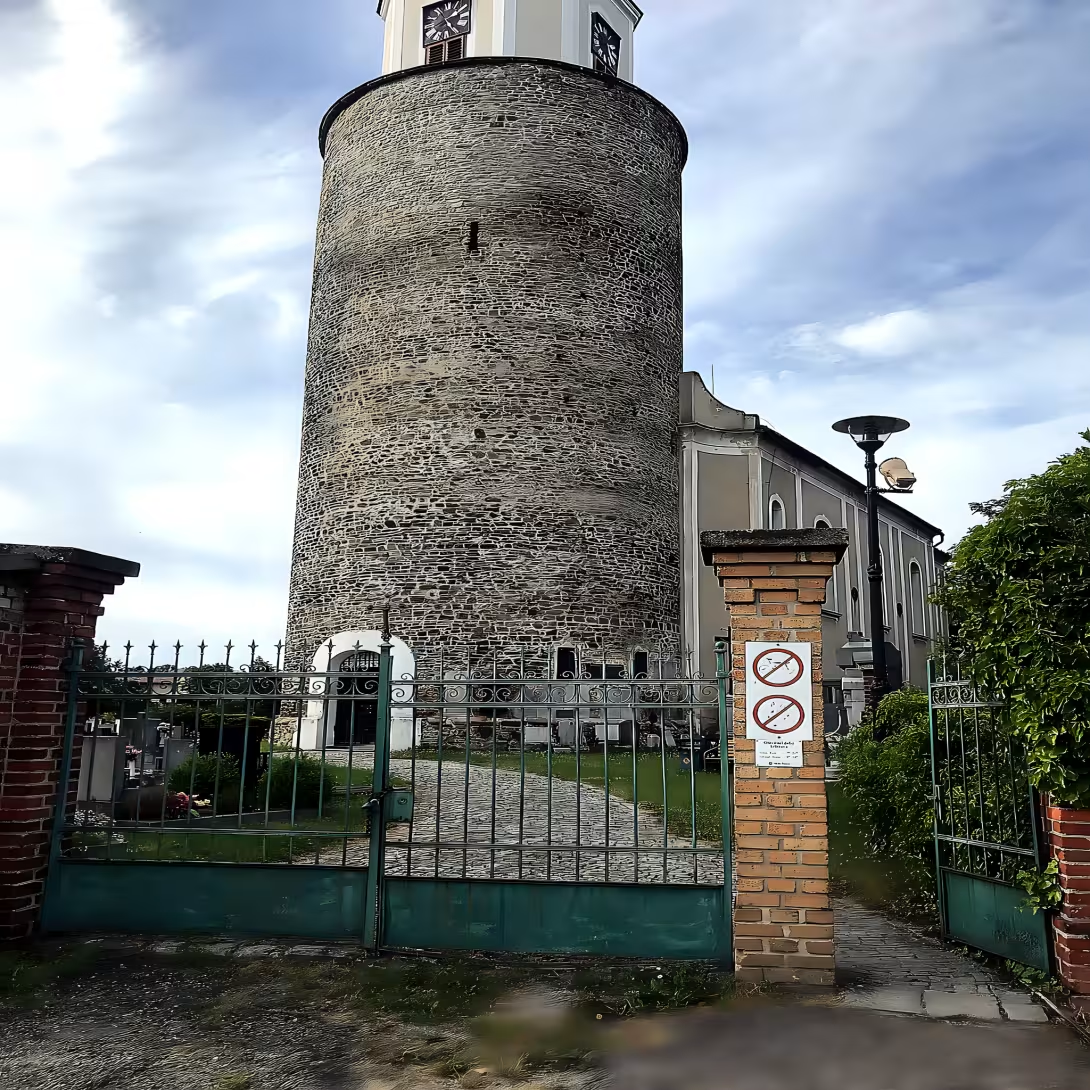
Frýdberk Castle, now part of Žulová in the Jeseník District of the Olomouc Region, stands as a testament to medieval fortification architecture and regional history. Built around 1300 by Jan z Wüstehube, it was strategically positioned on the Silesian-Moravian border for defensive and administrative purposes. Its historical significance is highlighted by its evolution from a fortress to a cultural monument in the Czech Republic.
The origins of Frýdberk Castle date back to the early 14th century when Jan z Wüstehube constructed it amid regional conflicts between Silesian bishops and Moravian territories. By 1358, Bishop Přeclav z Pohořelé acquired the castle, marking its transition from a robber's den to ecclesiastical holdings. This change reflects broader political shifts in Central Europe during that period, with local nobility gaining influence.
Architecturally, Frýdberk Castle featured an oval core surrounded by walls and a free-standing bergfrit, similar to nearby fortifications like Kaltenštejn or Rychlebský hrad. Significant reconstruction occurred under Bishop Martin Gerstmann in 1582, including the addition of clock faces on its tower in 1613. However, the Thirty Years' War brought devastation; Swedish and Polish forces damaged and partially destroyed it in 1639.
Ownership of Frýdberk Castle changed hands several times throughout history. Notable owners included Jan z Wüstehube, Jindřich Haugvic, Vratislav bishop Přeclav z Pohořelé, Mikuláš Meynhold, and Mikuláš Kotulínský z Kotulína. Each owner contributed to the castle's architectural evolution and regional significance.
Key events in Frýdberk Castle’s history include its initial construction around 1300, acquisition by Bishop Přeclav z Pohořelé in 1358, and destruction during the Thirty Years' War. Following this period of conflict, the site was repurposed into a brewery in 1703, showcasing its adaptability to changing circumstances.
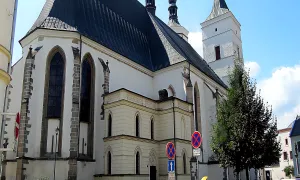
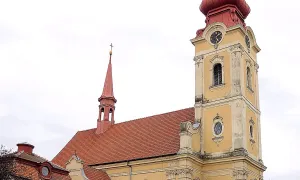
Today, Frýdberk Castle is recognized as a cultural monument, with its bergfrit incorporated into the Church of Saint Joseph's tower. This unique integration highlights the castle’s historical resilience and architectural ingenuity. Visitors can explore this site on foot or by train via the local railway line from Javorník to Lipová-lázně, making it accessible for those interested in medieval history and architecture.
Frýdberk Castle offers a fascinating glimpse into the past, illustrating the dynamic history of the region through its architectural remnants and historical narratives. Its transformation over centuries—from a formidable fortress to an integral part of a church—invites visitors to explore and appreciate this enduring symbol of cultural heritage.
Then and now
Drag the slider to compare how the landmark may have looked when it was built with the view today.
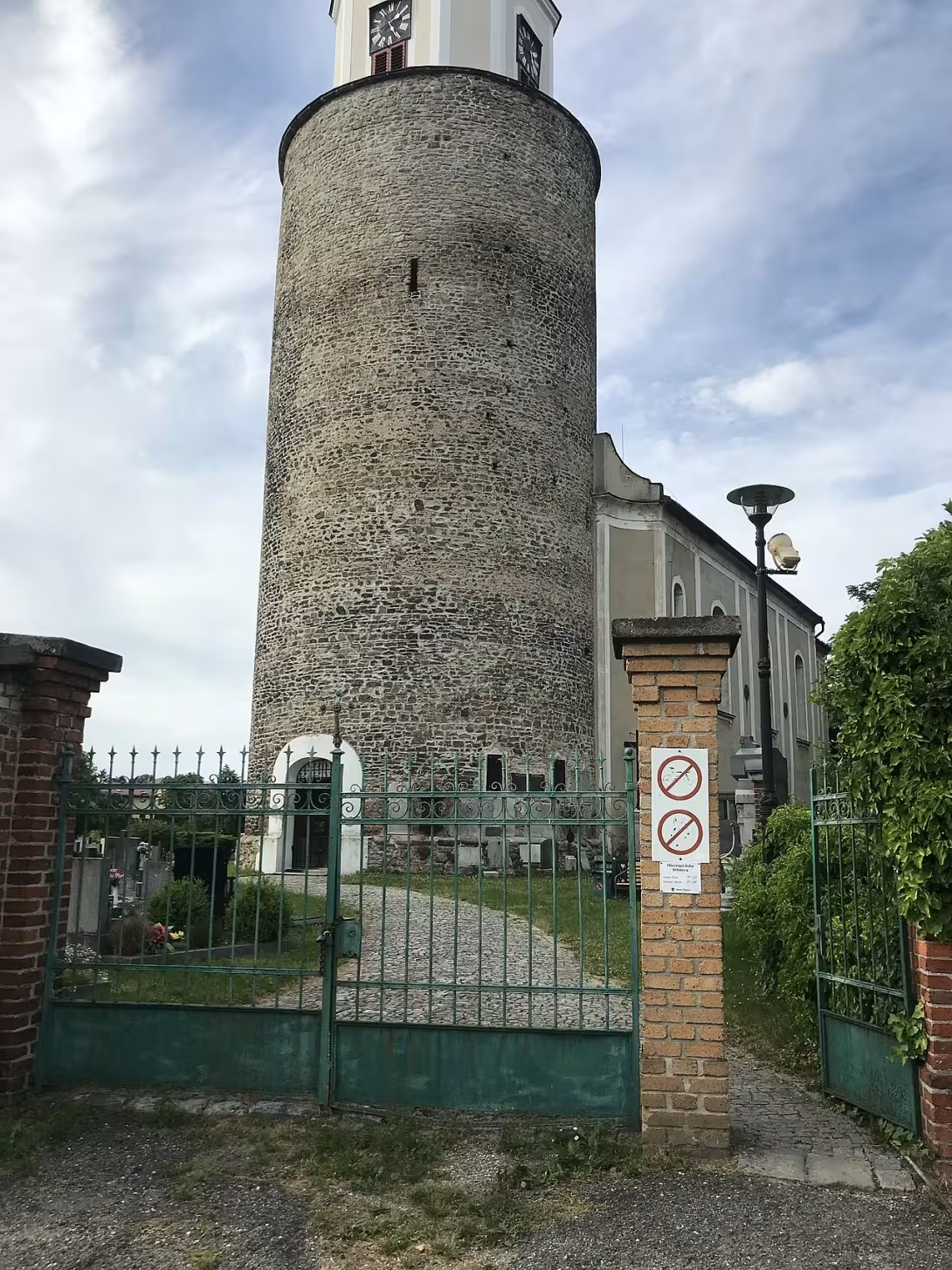
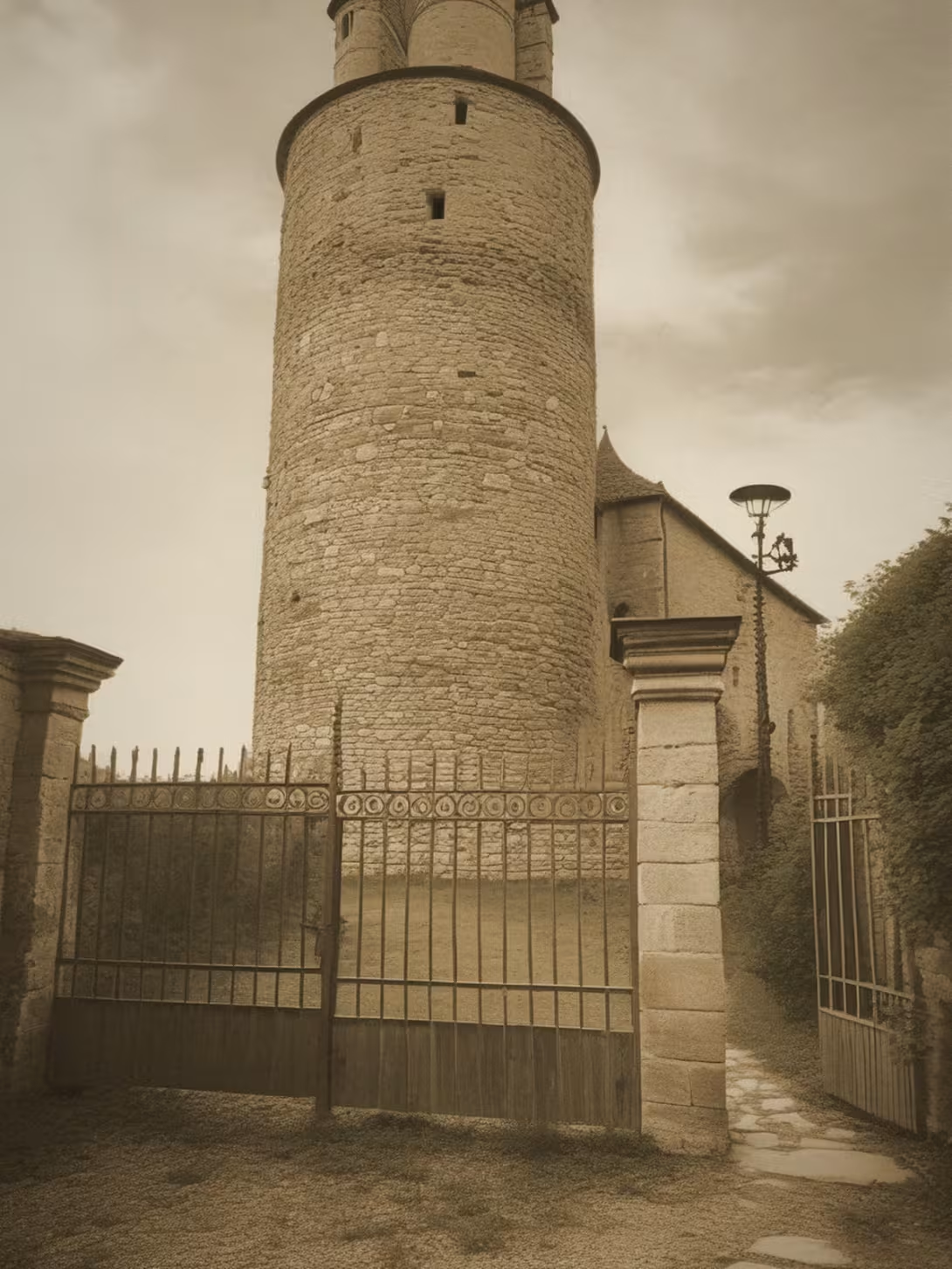
The historical appearance on the left is an AI-generated visualisation and serves as inspiration only.
Historical milestones
- 1300
- Jan z Wüstehube built Frýdberk.
- 1358
- Bishop Přeclav z Pohořelé purchased the castle.
- 1639
- The castle was damaged and partially destroyed by Swedish and Polish forces.
Architectural development
Frýdberk originally featured an oval core surrounded by walls with a free-standing bergfrit, similar to nearby Kaltenštejn or Rychlebský hrad. The castle underwent significant reconstruction under Bishop Martin Gerstmann in 1582, including the addition of clock faces on the tower in 1613. Despite these efforts, it was largely destroyed during the Thirty Years' War and later converted into a brewery in 1703.
Historical events
Jan z Wüstehube built the castle around 1300, as documented in Liber fundationis.
In 1358, Bishop Přeclav z Pohořelé purchased Frýdberk, ending its history as a robber's den.
The castle was significantly damaged and partially destroyed by Swedish and Polish forces in 1639 during the Thirty Years' War.
Owners
Jan z Wüstehube (1325)
Jindřich Haugvic (1340)
Hynek and Václav, sons of Jindřich Haugvic (1358)
Vratislav bishop Přeclav z Pohořelé (1358)
Mikuláš Meynhold (1449)
Mikuláš Kotulínský z Kotulína (1460s)
Jan and Mikuláš, sons of Mikuláš Kotulínský (1479-1515)
Barbora Schwetlingová (1534)
Vratislav bishop Martin Gerstmann (1582)
Points of interest
- Frýdberk Castle was originally constructed as a defensive stronghold amidst regional conflicts between Silesian bishops and Moravian territories in the early 14th century. This strategic positioning highlights its role beyond mere defense, serving as an administrative hub on the volatile Silesian-Moravian border.
- One of the castle's intriguing architectural features is its bergfrit, which was later integrated into the Church of Saint Joseph’s tower. This unique adaptation reflects a blend of military and religious functions over time, showcasing how historical structures can evolve in purpose while maintaining their original elements.
- The castle underwent significant reconstruction under Bishop Martin Gerstmann in 1582, including the addition of clock faces to its tower in 1613. These additions not only enhanced the castle’s functionality but also symbolized a shift towards more civilian uses and aesthetic considerations during that era.
- After suffering destruction during the Thirty Years’ War at the hands of Swedish and Polish forces in 1639, Frýdberk Castle was repurposed into a brewery by 1703. This transformation exemplifies its adaptability to changing socio-economic conditions and reflects broader trends of resourcefulness in post-war Europe.
- Throughout its history, Frýdberk Castle changed ownership multiple times, with each owner contributing uniquely to its architectural evolution. For instance, Mikuláš Kotulínský z Kotulína's tenure marked a period where the castle was not only maintained but also adapted for new uses, reflecting the shifting priorities of regional nobility over centuries.
Guide
This guide is narrated by a synthetic voice generated by artificial intelligence.
Show guide text
This text was created by artificial intelligence and has not been editorially reviewed. It may contain inaccuracies.
Frýdberk was a Silesian castle in the town that today bears the name Žulová. From the castle, the main defensive tower, the bergfrit, was primarily preserved, and it now serves as the bell tower of the parish church. The church together with the castle tower is protected as a cultural monument.
The castle is first mentioned in the foundation book of the Wrocław bishops from the time of Bishop Henry the First of Vrbno, that is from the years 1302 to 1319. According to it, it was built by the knight John of Wüstehube near the village of Sestrechovice. His family also held territory on the Moravian side of the border, especially the castle Kolštejn, and from Frýdberk they controlled the entire borderland between the bishop's domain and Moravia and Kłodzko. The Wüstehube family at that time harmed ecclesiastical institutions of the Wrocław diocese. By 1340, the castle already belonged to Henry Haugvic, and after him to his sons Henry and Václav, robber knights who mainly damaged the bishop's property.
The castle had an oval core surrounded by a wall and a freestanding bergfrit, similarly to the nearby Kaltenštejn or Rychlebský castle. Where the palace stood can only be guessed.
In 1358, the castle along with extensive domains was purchased for a high price by Wrocław bishop Przeclav of Pohořelé, and the history of the robber nest ended there. The castle became an important stronghold of the bishops, who appointed castellans from the local nobility here. Apparently at the beginning of the Hussite Wars, the fortification was supplemented with a palisade. In the mid-fifteenth century, the castle was pawned due to economic difficulties and later entrusted as a hereditary fief to the Kotulín family. From the widow of the last of them, the bishop bought it back.
The castle then rather deteriorated until in 1582 Bishop Martin Gerstmann had it extensively rebuilt, and in 1613 the tower received a striking clock. Even this primarily representative reconstruction did not protect the castle during the Thirty Years' War. In 1639, Swedish and Polish forces captured it and largely destroyed it. It could not be converted into a modern fortress, and so it lost its significance, and in 1703 it was converted into a brewery.
When Žulová became a town and strived to have its own parish, in 1805 Wrocław bishop Joseph Christian Francis of Hohenlohe donated the castle grounds and buildings for the construction of the church of Saint Joseph. The church was built in the years 1809 to 1810. A nave was attached to the preserved bergfrit, and from two sides the perimeter wall of the castle's core remained, which delimited the cemetery. From the official brewery building, a vicarage was created. In this form, the church has served ever since as an interesting rarity.
Tips for visitors
The best time to visit Frýdberk is during late spring or early autumn when the weather is mild, making it ideal for exploring the ruins without the discomfort of summer heat or winter cold. The surrounding Jeseníky Mountains offer stunning views that are particularly breathtaking at sunrise or sunset, providing a magical backdrop for your visit.
Public transport can be used as well; however, specific routes should be verified in advance using a travel planner or local resources.
When visiting Frýdberk, consider bringing comfortable walking shoes, water, and perhaps a light jacket, as the terrain around the ruins can be uneven and weather conditions may change quickly. A camera is recommended to capture the scenic views and historical architecture, especially during golden hours when the lighting enhances the beauty of the landscape.
For photography enthusiasts, some of the best spots include the area near the bergfrit for panoramic views of the Jeseníky Mountains and the surrounding countryside. Early morning or late afternoon light provides a soft glow that accentuates the textures of the ruins and natural surroundings.
Nearby attractions within 30 minutes include Kaltenštejn Castle, another medieval fortification with its own unique history and architecture, and Rychlebský hrad, offering more insights into the region's past. These sites provide additional opportunities for exploration and understanding of the area's historical significance.
Frequently asked questions
Can the monument be visited?
This is a ruin. Such sites are often freely accessible, but some can only be visited with a guide or are closed for safety reasons. We have not verified the current situation – take care and respect any restrictions.
Where is the monument?
Location: Žulová, Olomoucký kraj. The map on this page shows the exact spot.
Why is the monument protected?
It is listed in the Central List of Cultural Monuments of the Czech Republic as a cultural monument. It is protected as part of a larger listed ensemble.
Businesses nearby
Do you run a restaurant, accommodation, shop, museum, rental, wellness or other visitor service near this monument? Show yourself directly to the people heading to it — this is how they will see you in the app and on the web:
Nearby
Frýdberk is located near other medieval fortifications like Kaltenštejn and Rychlebský hrad. The surrounding landscape includes natural features typical of the Jeseníky Mountains, offering scenic views.
Accommodation nearby
Themed route
Frýdberk Hike
The Frýdberk castle is a medieval fortress located in the heart of the Jeseníky Mountains. This hike takes you through the surrounding landscape, offering breathtaking views of the mountains and the castle itself.
1. Kaltenštejn (Castle) Start your day by visiting the nearby Kaltenštejn castle, a medieval fortress with a rich history dating back to the 13th century. Its strategic location offers stunning views of the surrounding landscape.
2. Rychlebský Hrad (Castle) From Kaltenštejn, head to Rychlebský Hrad, another medieval fortress with a unique history. Explore its ruins and imagine the battles that took place here.
3. Žulová (Village) After visiting the castles, head to the nearby village of Žulová, where you can grab a bite to eat and rest for a while. Enjoy the traditional Czech cuisine and drinks in one of the local restaurants.
4. Frýdberk (Castle) Finally, head to the main attraction, Frýdberk castle. Explore its walls, towers, and courtyards, and learn about its history and significance in the region. Don't miss the stunning views of the surrounding mountains from the castle's walls.
This hike offers a unique blend of history, culture, and natural beauty, making it a must-visit destination for anyone interested in exploring the Jeseníky Mountains.
Seasonal recommendations
Jaro
Spring is the ideal time to visit Frýdlant Castle because nature around the castle is in full bloom. The atmosphere is calm and sunny, allowing for a pleasant tour of the castle. Don't forget to bring your camera to capture beautiful scenes of the castle's flower gardens.
Summer
It is important to arrive early to avoid large crowds of tourists. Summer is an ideal time for a castle tour because it's warm and sunny. Don't forget to bring sunscreen and water so your feet don't burn on the stones.
Autumn
Autumn is another beautiful season to visit Frýdlant Castle, as nature around the castle displays autumn foliage colors. The atmosphere is calm and sunny, allowing for a pleasant tour of the castle.
Winter
While winter may be the least comfortable season to visit Frýdlant Castle, it's still possible to visit and admire its beautiful ruins. Don't forget to bring warm clothing and shoes so your feet don't get cold on the stones.
Visualizations and artistic views


The visualisations are generated by artificial intelligence and serve as inspiration.
Photos from the area
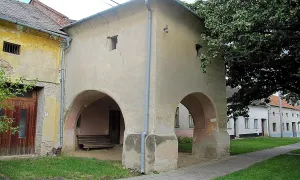
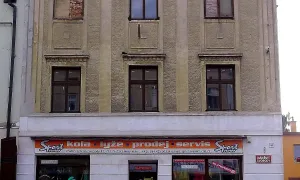
Real photos taken near the monument


Zdroj a licence jsou uvedeny u každého snímku.
Atmosphere of the place
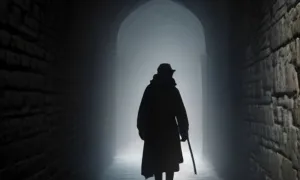
This atmospheric visualisation of the place and period was generated by artificial intelligence. It is not real footage of the location.
Tips from visitors
No tips yet. Be the first!
Log in and add your tip.
Sources and literature
Photos: Pudelek (Marcin Szala) / CC BY-SA 3.0, rozlišení zvýšeno umělou inteligencí — Wikimedia Commons. The author and licence also appear when you hover over the image.
Faktickým podkladem tohoto textu byl článek na Wikipedii, jehož autory jsou přispěvatelé Wikipedie. Článek je dostupný pod licencí CC BY-SA 4.0.
Location on the map
Příběhy a pověsti
Legendy, pověsti a příběhy spjaté s touto památkou
Příběh: Frýdberk
Bylo to v pondělí ráno, kdy Martin zjistil, že hrad Frýdberk nesnídnul svého obvyklého poklidu. Když se probudil s ranním svitem, který tichounce pronikal sk…
Číst příběh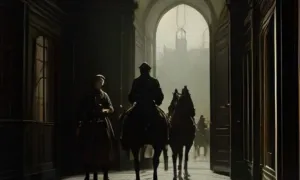
Pověst: Frýdberk
Podle místní pověsti žilo za dob, kdy hrad Frýdberk ještě strašil pohraničním hvozdem jako sokolí hnízdo přilepené ke skalám nad Žulovou, dvojice bratrů, jej…
Číst příběhFotografie návštěvníků
Zatím žádné fotografie. Buďte první, kdo přidá fotografii z návštěvy!
Log in a přidejte svou fotografii nebo hodnoťte.
Za ověřenou návštěvu v aplikaci získáte víc bodů — poznáme podle GPS, že jste na místě.
Reviews and comments