



Hausberk (Černice) Ruin
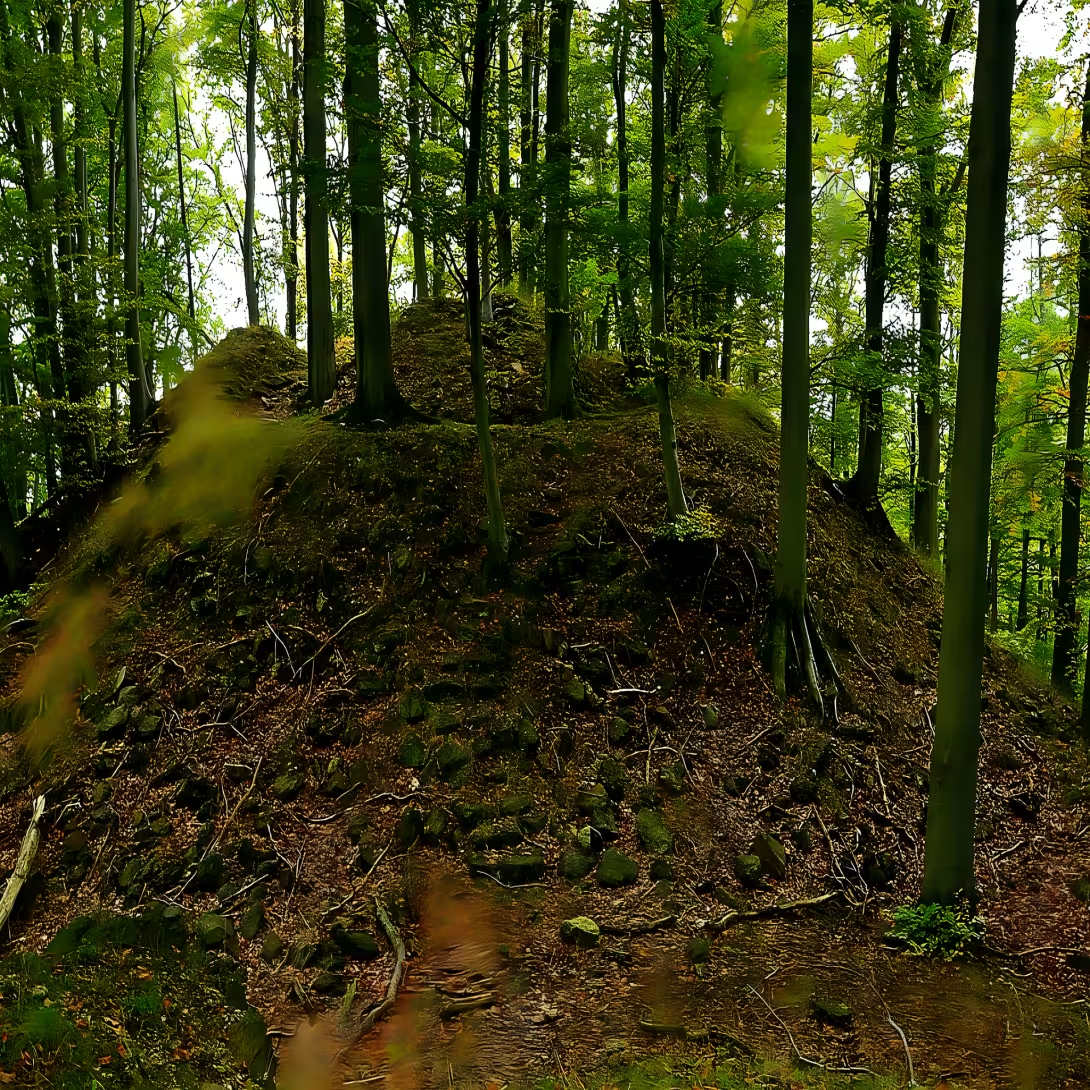
Alberk, also known as Alberk or Hansberg, is a broken chateau in the Ore Mountains near Černice. The construction at the end of the 13th century and abandoned at the beginning of the 14th century is an example of Bergfriedfried- type chateau with its distinctive round keep surrounded by defensive walls. This site is of historical importance thanks to its strategic role in the Middle Ages, especially as part of the efforts of the family Hrabišici to secure its territory. Despite today's desolate state, Alberk offers valuable knowledge of medieval fortification techniques and regional history.
The chateau was built at the end of the 13th century, a period marked by feudal conflicts and territorial expansion in Bohemia. Its construction reflects the emphasis of the era on defence and control over strategic sites. The Hrabišici family probably played a role in its facility to secure its western borders. However, specific details of its builders remain undocumented. At the beginning of the 14th century, Alberk was abandoned, perhaps due to the creation of the nearby Eisenberg Nevlas ze Rvenic.
Alberk has architecturally typical medieval defence features such as bergfried and surrounding walls. The construction of the chateau reflects its role as a protective fortress for the family Hrabišici. Although at the time of leaving remains an incomplete or incomplete example of the chateau bergfriedfried-type. The site contains remnants such as a round Keep with a diameter of about ten meters, surrounded by defensive walls that once protected the entire core.
The ownership and administrative details are weak, but historical sources suggest that the Hrabišici family was probably involved in its early history. Leaving the chateau is linked to wider regional development, such as the rise of Eisenberg. Petr Plachý rediscovered the ruins in 1977 and pointed out a period when knowledge of Alberk faded due to historical shocks such as the expulsion and resettlement of Germans.
Today, Alberk is accessible via the blue-cut tourist trail from Černice or Jezera Chateau. The site offers a picturesque view of the surrounding landscape in the Erzgebirge Mountains. Visitors can explore the remains of the chateau's defensive structures and appreciate its historical importance. Despite its sinister state, Alberk remains an interesting place for those interested in medieval history and fortification.
Alberk is proof of the strategic importance of the medieval fortification. Its preservation as a cultural monument allows visitors to connect with the rich history of the region. For anyone interested in discovering historical monuments, visit Alberk offers a unique view of the past and an opportunity to appreciate the architectural ingenuity of his time.
Then and now
Drag the slider to compare how the landmark may have looked when it was built with the view today.
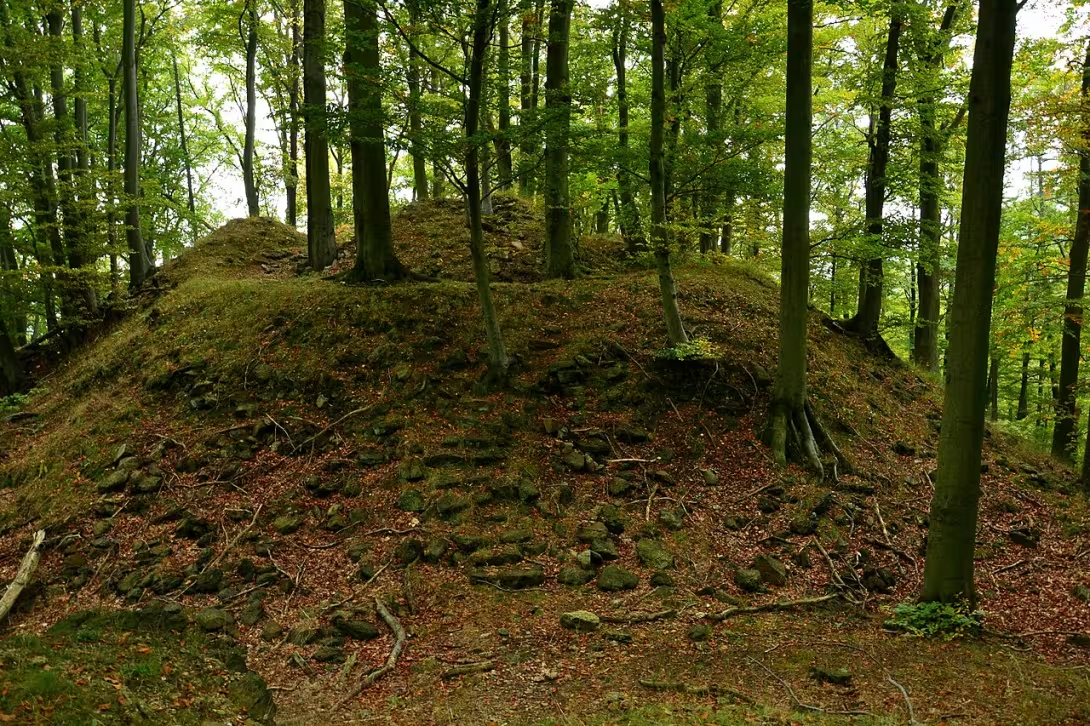

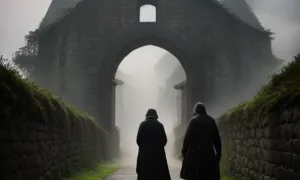
The historical appearance on the left is an AI-generated visualisation and serves as inspiration only.
Historical milestones
- End of 13th Century
- The construction of the Alberk Chateau as a defensive land project.
- beginning of the 14th century
- Leaving the chateau, an ancient number of the formation of the pale castle Eisenberg.
- 1977
- The ruins of Peter Plachém have been discovered.
Architectural development
Alberk was built with typical medieval defensive elements including bergfried and surrounding walls. The chateau structure reflects its role as a protective fortress for the Hrabišici family, even if it remains unfinished or incomplete at the time of its abandonment.
Historical events
Construction at the end of the 13th century as a strategic fortification.
Abandoned at the beginning of the 14th century, probably due to the founding of the nearby Eisenberg.
Points of interest
- Despite its strategic importance, Alberk was probably abandoned because of the construction of Eisenberg Nevlas ze Rvenic, shift focus and resources from Alberk.
- The unfinished state of the chateau when leaving suggests that it may have been the victim of changing political priorities or financial constraints that the Hrabišici family faced during its development at the end of the 13th century.
- Although specific details of its builders are undocumented, architectural style and defensive features suggest that Alberk was part of the wider medieval trends in the fortification of design in Bohemia.
- The rediscovery of Alberk Petr Plachem in 1977 shows how historical upheavals, such as the expulsion and resettlement of Germans, have led to a period where knowledge of this place has fallen significantly over time or have been lost.
- Despite today's ominous state, the location of the chateau on the blue tourist path underlines its continued attraction as a target for those interested in exploring medieval history and architecture in the picturesque mountains.
Guide
This guide is narrated by a synthetic voice generated by artificial intelligence.
Show guide text
This text was created by artificial intelligence and has not been editorially reviewed. It may contain inaccuracies.
Welcome to the historic place of Alberk, also known as Černice in the picturesque Ore Mountains near Černice, Ústecký kraj. As you stand before these ancient ruins, imagine the stories and secrets this once impressive fortress hides in its crumbling walls.
Alberk was built at the end of the 13th century as a defensive fortress at a time when chateaux were vital for protection and control in medieval Europe. His strategic location made him an important place even though he remained unfinished until the early 14th century. The construction of the chateau is characteristic of the bergfried-type, with a distinctive round holder surrounded by protective walls - proof of its intended role as bastions against attackers.
As you wander around with these remains, take a moment to appreciate the architectural details that have resisted the test of time. Notice how stone walls rise around you, each layer tells the story of skill and strategic planning. Although many have been lost in history, the outline of conservation and surrounding fortifications still evokes a sense of its former grandeur.
The history of Alberk is connected with remarkable figures such as Nevlas ze Rvenic, who played an important role in the medieval politics of the region. It was under his influence that the focus shifted from Alberk to nearby Eisenberg, which led to leaving this site. This strategic shift underlines the dynamic nature of political priorities at this time.
One interesting aspect of Alberk is his unfinished state at the time of his abandonment. This suggests a sudden change in plans or resources, possibly as a result of a shift in political landscape or emerging threats that have diverted attention elsewhere. The chateau remained hidden from history until its rediscovery by Petr Plachem in 1977, adding an element of mystery and intrigue to his story.
As you continue your research, have the atmosphere transported back to a time when these walls were alive with activity. Feel the weight of history when you go through what was once a busy fortress.
We invite you to dive deeper into this fascinating place, reveal more about his past and imagine the lives that once arose here. Thank you for visiting Alberk - let your journey be full of discoveries and wonders.
Tips for visitors
The best time to visit Alberk is at the end of spring or early autumn, from May to October. During these months, the weather is generally pleasant, providing comfortable conditions for exploring ruins and enjoying a picturesque view of the Ore Mountains. In addition, the natural environment are fresh with green in spring and lively colors in autumn, improving picturesque landscape.
For those who prefer public transport, local buses serve routes that connect neighboring cities to the chateau area.
When visiting Alberk, it is advisable to bring comfortable walking shoes because the terrain can be uneven and rocky. In addition, early-appropriate clothing is important because of the change in conditions in the mountains. It is also recommended that caps, sunscreen and water, especially during warmer months. For those who are interested in exploring more, a packed lunch or refreshments might be suitable.
For photo lovers, Alberk offers several picturesque places that capture its historical nature against the background of the mountain. The best light for photography is usually early morning or late afternoon, when sunlight casts soft shadows and highlights texture ruins. Exploration from different angles can reveal unique perspectives, especially with chateau silhouette against the sky.
Near attractions within a 30-minute drive include Eisenberg, which offers its own historical charm and panoramic views. The area is also rich in natural beauty, so it is ideal for tourists enthusiasts who want to explore the trails that lead through the woods and along mountain ridges. These activities provide an excellent opportunity for families with children to engage in outdoor adventures while learning about the history of the region.
Frequently asked questions
Can the monument be visited?
This is a ruin. Such sites are often freely accessible, but some can only be visited with a guide or are closed for safety reasons. We have not verified the current situation – take care and respect any restrictions.
Where is the monument?
Location: Černice, Ústecký kraj. The map on this page shows the exact spot.
Why is the monument protected?
It is listed in the Central List of Cultural Monuments of the Czech Republic as a cultural monument (register no. 42321/5-316).
Businesses nearby
Do you run a restaurant, accommodation, shop, museum, rental, wellness or other visitor service near this monument? Show yourself directly to the people heading to it — this is how they will see you in the app and on the web:
Events nearby
Zdroj akcí: otevřená data měst a obcí ČR (Národní katalog otevřených dat) a kalendář akcí Národního památkového ústavu.
Nearby
Located in the Ore Mountains near Černice and Eisenberg, Alberk offers picturesque views of the surrounding countryside. The area is rich in natural beauty and historical monuments.
Accommodation nearby
Themed route
Thematic Vlog Tour: Exploration of Alberk and its surroundings
1.Hausberk (Černice) - Type: Chateau ruins - Why Visit: Start your way to the captivating ruins of Alberk, located in Cernik. This historic site offers a view of medieval architecture in the middle of a stunning view of the Ore Mountains. The remains of this chateau provide an interesting opportunity to explore lovers of history and nature.
2. Eisenberg Chateau - Type: Historical pages - Why Visit: Short trip from Alberk, Eisenberg Chateau stands as proof of the rich historical tapestry region. Explore its well-preserved structures and learn about its importance in local history. The chateau is located in a picturesque landscape, which makes it an ideal place to photograph.
3. Giant Mountains Scenario Route - Type: Natural landscape - Why Visit: Follow the picturesque route through the Ore Mountains to fully appreciate the natural beauty around Alberk and Eisenberg Chateau. This path offers a breathtaking view of the lush forests and rolling hills, ideal for capturing the essence of this charming area.
4. Local village Černice - Type: Cultural experience - Why Visit: Close your tour in the charming village Černice. Go through his picturesque streets to experience local culture and hospitality. The village provides a peaceful retreat after exploring historical monuments that offer a view of traditional Czech life.
This thematic vlog tour combines history, nature and culture that provide a immersed experience in the heart of the Mountains.
Seasonal recommendations
Spring: The painting of Alberk in Černice is in the spring of the walking sticks, which are counted in the first row at the top and the trees dress up in the green list. Sunbeam excavated assets that can be used, which have a historical character of ruins and is an architectural detail. This time of year is ideal for milestones of nature who enjoy a quiet atmosphere without large crowds of tourists. The documents shall be considered acceptable regardless of whether this decision has been taken or whether the decision to initiate the procedure referred to in paragraph 1 has been taken. The dress can be used for warm and cold days, as the weather at this time can only be determined with forgiveness.
The sun muscles every stone and howls dramatic stables that pass into the atmosphere the bridge is not magical and mysterious. In this season, the corner count may be invited, especially in summer, so it is appropriate to wear ruins per day so that places without port bays can be used. Forget the sun line - wearing a hat and an additional amount of water is persistent, especially during warm days. The light round with the other hands offers the protection transferred the sun rays and made it easier to walk the terrain.
Autumn: Autumn in the Cernik sign of the historical sights of Alberk in the excellent suit of colored leaves. The sun to be supported has a melancholy and attenuating ruin. This season is an ideal for those who are intended to cover risks following an application for authorisation in case of cost reductions. Best things to determine is the appropriate procedure to be taken into account for the photograph and other details of the measures. Dress up in case of aid, this aid may only be granted if it is to be granted and shall be fixed to the extent specified.
Winter: Winter entry into service for only one year on the basis of Alberk, when the historical structure is dressed as a result of planned planning and change when the contract is cancelled or cancelled. The atmosphere becomes quiet and completely different, which offers a sense of calm in the natural environment. Inventory ruins are less popular at this time, so you will meet few people. Forget about the warm siege like leather shoes and hats, and make sure you have enough water or it's for going home because the winter weather is my own. The opening times of the sights are usually shorter, so be careful not to make your visit within the given hours.
Visualizations and artistic views


The visualisations are generated by artificial intelligence and serve as inspiration.
Photos from the area
Real photos taken near the monument

Zdroj a licence jsou uvedeny u každého snímku.
Tips from visitors
No tips yet. Be the first!
Log in and add your tip.
Sources and literature
Photos: Petr Kinšt / CC BY-SA 4.0, rozlišení zvýšeno umělou inteligencí — Wikimedia Commons. The author and licence also appear when you hover over the image.
Faktickým podkladem tohoto textu byl článek na Wikipedii, jehož autory jsou přispěvatelé Wikipedie. Článek je dostupný pod licencí CC BY-SA 4.0.
Location on the map

Příběhy a pověsti
Legendy, pověsti a příběhy spjaté s touto památkou
Fotografie návštěvníků
Zatím žádné fotografie. Buďte první, kdo přidá fotografii z návštěvy!
Log in a přidejte svou fotografii nebo hodnoťte.
Za ověřenou návštěvu v aplikaci získáte víc bodů — poznáme podle GPS, že jste na místě.
Reviews and comments