






Hluboký Ruin
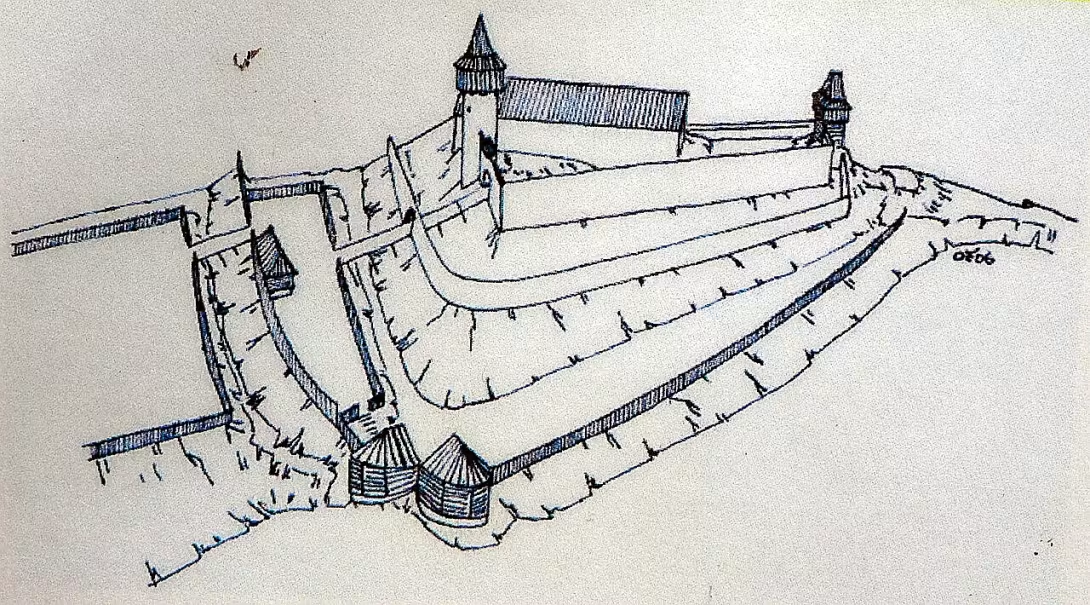
Hluboký is a ruin of the medieval chateau, located in the valley of the river Bystřice near Hrubé Voda. It lies in the village of Hubočka in the OlomoucKou region. It is built around 1340 as a private fortress of Bishop Jan Volka of Olomouce, has historical significance due to its strategic position on the route from Olomouce to Opava and its involvement during the Hussite wars. Today Hluboký is a cultural monument protected since 1964.
The origin of Hluboký dates back to the middle of the 14th century, when the Bishop of Olomouc Jan Volka built it. Originally it served as a private fortress for the bishop, soon it became part of a wider political dynamic within the Holy Roman Empire under the rule of Charles IV - a period characterized by consolidation and cultural development. After Bishop Volka's death in 1351, Emperor Charles IV transferred ownership to his brother, Margrave John Henry. The Hluboký management was entrusted with a purcrab named Margrave, including Půta z Holštejna from 1371 to 1379 and later Lacek z Kravař in 1382. After Lacek's death, his relatives kept control until Dobeš z Tvorkova took control during the stormy Hussite wars.
In the architecture Hluboký there was a triangular core on the south and east side with a palace on the northwest side, surrounded by a park - a defensive wall or a chamber. Significant remains include parts of the cylindrical tower, which are assumed to have guarded the entrance, as well as traces of trench and defensive wall. Despite their sinister state, archaeological findings such as iron arrows and medieval armor fragments provide insight into his past.
The ownership and management of the Hluboký have recorded some dramatic changes over time. Originally under the control of Bishop Jan Volka was transferred to Emperor Charles IV and then to his brother Margrave John Henry. The fort was controlled by a purcrab named Margrave, including Půta z Holštejna (1371-1379) and later Lacek z Kravař v1382. After Lacek's death, she stayed with relatives until Dobeš z Tvorkova took control during the Hussite wars. Bernard ze Žerotína became owner in 1433.
Key events in Hluboký include siege and destruction in 1426 by the forces of the Duke of Albrecht of Austria to prevent it from becoming a fortress of Hussites, reflecting wider religious conflicts throughout Europe. The chateau was last mentioned in the land register in Olomouci in 1612. The legend also tells of scary knights living in the fortress, adding the element of folklore to its history.
Today Hluboký is proof of medieval fortification and regional history. Even if there is no marked tourist path directly to it, visitors can get to this site by a few small paths from the railway stop in Hrubé Voda. The journey includes navigation around the hotel and following a steep journey to the ruins, where the information board provides context about its historical significance. Despite their sinister state, Hluboký remains offer a view into medieval life and architecture, making it a useful visit for those interested in history and archaeology.
The current link Hluboký as a cultural monument highlights its importance not only for local heritage but also for understanding wider historical stories. Its ruins call for an examination of the past and a reflection that offers visitors the opportunity to connect with centuries of history established in the Bystřice Valley.
Then and now
Drag the slider to compare how the landmark may have looked when it was built with the view today.
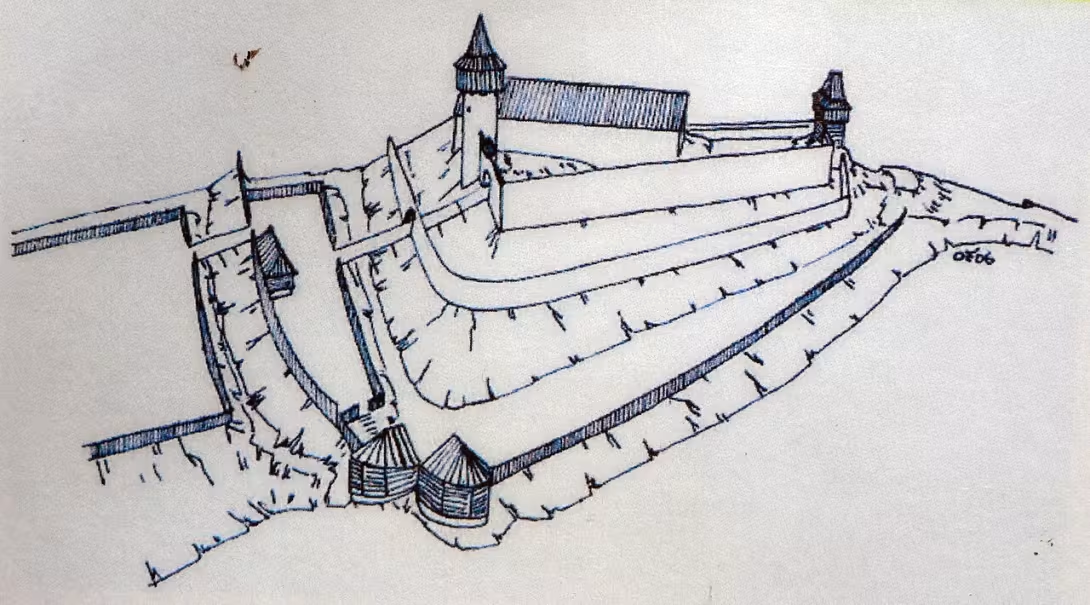

The historical appearance on the left is an AI-generated visualisation and serves as inspiration only.
Historical milestones
- 1426
- The chateau was besieged and destroyed by the forces of Duke Albrecht.
- 1612
- Last recorded mention in the land register in Olomouci.
Architectural development
Hluboký represented a triangular core with a palace on the northwest side and an surrounding parking lot. Significant remnants include parts of the cylindrical tower which are assumed to have guarded the entrance, as well as traces of trenches and defensive walls. Despite their sinister state, archaeological findings such as iron arrows and medieval armor fragments provide insight into his past.
Historical events
In 1426 Hluboký was besieged and destroyed by the forces of the Duke of Albrecht of Austria to prevent it from becoming the fortress of the Husits.
The chateau was last mentioned in the land register in Olomouci in 1612.
Owners
Originally owned by the Bishop of Olomouc Jan Volka around 1340, then transferred to Emperor Charles IV, who gave it to his brother Margrave John Henry. Managed by purcrabi named marcrabi, including Půta z Holštejna (1371-1379) and later Lacek z Kravař v1382. After Lacek's death, his relatives held him until Dobeš z Tvorkova took control during the Hussite Wars. Bernard ze Žerotína became owner in 1433.
Points of interest
- One of the less famous facts about Hluboký is that it was originally built as a private fortress for Bishop Jan Volka from Olomouce around 1340, stressing its original purpose beyond military defense.
- An interesting aspect of Hluboký's history is its involvement in Hussite wars; Specifically, he was besieged and destroyed in 1426 by Duke Albrecht of Austria to prevent him from becoming a fortress for the Hussites, illustrating his strategic importance during religious conflicts.
- The legend of haunted knights living in ruins adds a layer of folklore to the history of Hluboký, suggesting that stories of supernatural events were part of his charm since the Middle Ages.
- Although Hluboký was last mentioned in the land register in Olomouci in 1612, since 1964 it remains a symbolic cultural monument protected, suggesting a restoration of interest in preserving its historical significance.
- Chateau architectural remains include parts of the cylindrical tower and traces of trenches and defensive walls; these properties provide valuable insights into medieval fortification technology despite the devastating state of the site.
Guide
This guide is narrated by a synthetic voice generated by artificial intelligence.
Show guide text
This text was created by artificial intelligence and has not been editorially reviewed. It may contain inaccuracies.
Welcome to the historic site Hluboký, where you are standing in the middle of the valley of the Bystřice river near the Hrabé Voda in the OlomoucK region. As you look at this medieval ruin of the chateau, imagine a fresh green that now covers its ancient stones - proof of both the passage of time and the embrace of nature.
Hluboký was originally built around 1340 as a private fortress by Bishop Jan Volka of Olomouce. Its strategic location along the route from Olomouce to Opava made it not only a defensive fortress, but also an important point in medieval travel and trade. The history of the chateau is deeply intertwined with key events such as its involvement in Hussite wars - a number of conflicts that shaped the religious and political landscape of Bohemia.
As you explore this page, for a while appreciate the remains of Hluboký architecture. Notice how ruins speak volumes through their silent stones; Each fragment tells the story of grandeur and conflict. The strategic location of his walls and towers once offered a leading view of the valley - a reminder of his role in regional defence.
This site is associated with several historical characters, including Jan Volka, which initiated its construction, and later by personalities such as Karel IV., Jan Jindřich, Půta z Holštejna, Lacek z Kravař, Dobeš z Tvorkova and Bernard ze Žerotína. Each of them played a role in the history of the chateau, contributing to its legacy as a fortress and witness to history.
One interesting aspect of Hluboký is its less well-known origin as a private fortress rather than just a military bastion. This draws attention to its original purpose outside the defence - it may serve as a seat or administrative centre for Bishop Jan Volka. Moreover, the involvement of the chateau in the Hussite wars adds layers to its historical narrative, revealing its importance during stormy times.
At the end of your visit, I urge you to think about the stories that these ruins might tell if stones could speak. Take a moment to be shaded by Hluboký history and atmosphere before moving on and discover more about this fascinating area. Thank you for joining me and exploring this remarkable piece of our heritage.
Tips for visitors
The best time to visit the ruins of chateau Hluboký is at the end of spring or early autumn, between May and October. During these months, the weather is generally mild and pleasant, making it ideal for exploring the site. The surrounding valley of the river Bystřice also offers a beautiful natural scenery, which is particularly lively during these seasons. Visitors can enjoy fresh green and flowering flowers without the discomfort of summer heat or winter.
Driving your own vehicle can offer more flexibility and easier access.
When visiting Hluboký, it is recommended to bring comfortable walking shoes because the terrain can be uneven due to the natural state of ruins. The hat, sunscreen and water are also suitable, especially if you plan to spend several hours exploring the site and its surroundings. Since there are no marked tourist paths around the chateau that would have a map or using GPS-device to help in the safe navigation of the area.
For photographic enthusiasts, early morning or late afternoon is the best time to capture stunning pictures of Hluboký. Soft light in these times increases texture and shadows of ruins, creating dramatic effects. The best places for photography are at the higher sightseeing points around the place where you can get panoramic views of the river Bystřice. Keep in mind your surroundings to ensure security while setting up images.
Near attractions within 30 minutes include remnants of defensive structures which offer other historical views and picturesque views. The information board in Hluboký provides a valuable context about the history and significance of the site. For families with children, these functions can do for an educational trip, although it is important to keep young close because there are no formal routes or barriers around ruins.
Frequently asked questions
Can the monument be visited?
This is a ruin. Such sites are often freely accessible, but some can only be visited with a guide or are closed for safety reasons. We have not verified the current situation – take care and respect any restrictions.
Where is the monument?
Location: Hrubá Voda, Olomoucký kraj. The map on this page shows the exact spot.
Why is the monument protected?
It is listed in the Central List of Cultural Monuments of the Czech Republic as a cultural monument (register no. 37840/8-1809).
Businesses nearby
Do you run a restaurant, accommodation, shop, museum, rental, wellness or other visitor service near this monument? Show yourself directly to the people heading to it — this is how they will see you in the app and on the web:
Events nearby

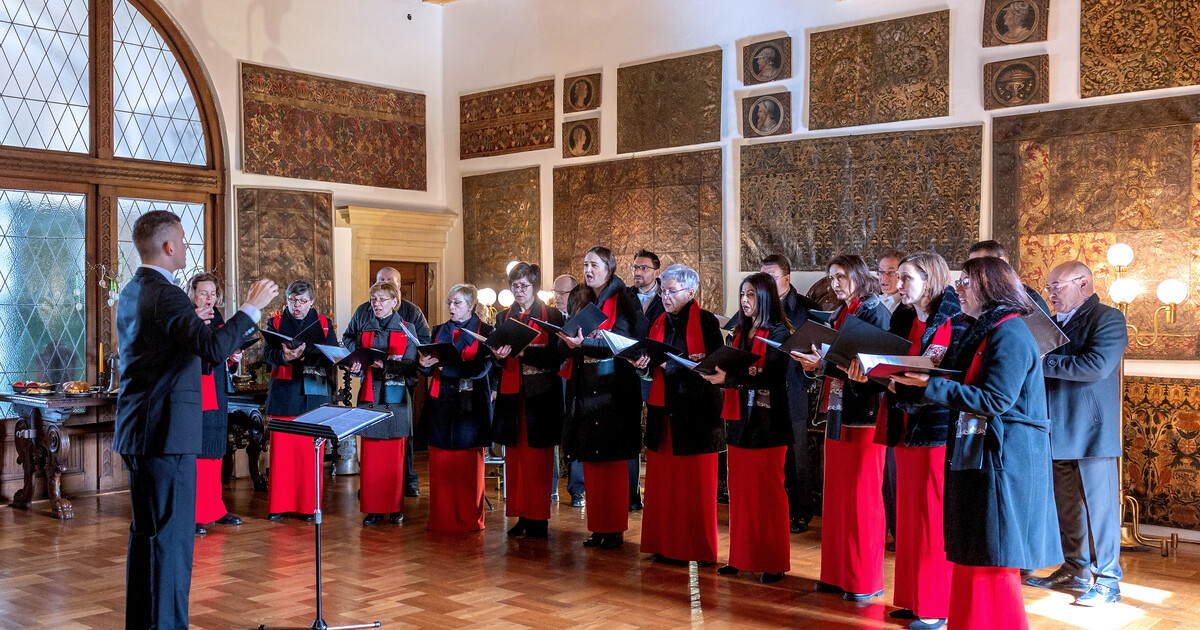
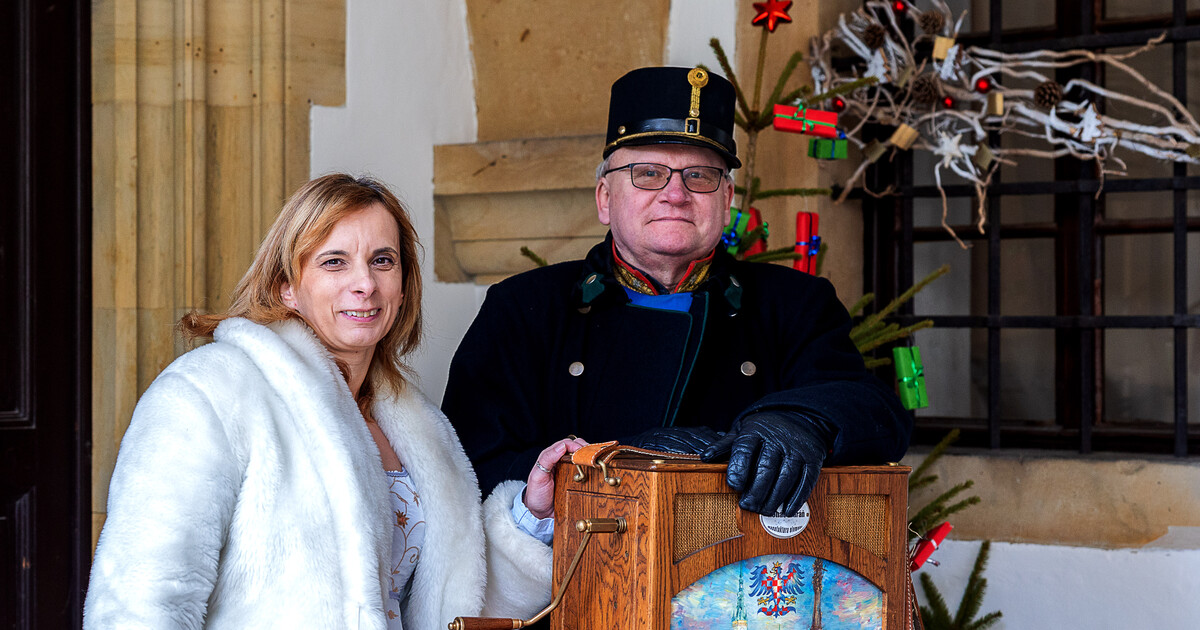
Zdroj akcí: otevřená data měst a obcí ČR (Národní katalog otevřených dat) a kalendář akcí Národního památkového ústavu.
Nearby
The place is surrounded by the valley of the river Bystřice without marked tourist paths. Near features include remnants of defensive structures and information boards on site.
Accommodation nearby
Trips and activities nearby
Guided tours, tickets and activities nearby from GetYourGuide
Affiliate link: if you buy from the partner, we may receive a commission. The price for you does not change.
Search tours and activities →Themed route
Thematic walking tour: Ruins Gross Water and Jiřice
1.Hluboký (Ruins) - * Type: * Historic site - * Why Visit: * The beginning of your journey on the charming ruins of Hluboký, proof of medieval defence architecture nestled in the valley of the Bystřice River. Explore the remains of this once impressive fortress and immerse yourself in its historical significance.
2. Remains of defence structures - * Type: * Historical brands - * Why Visit: * As you dare from Hluboký, discover nearby fragments of ancient defense structures that reflect the strategic importance of this region in the Middle Ages. These remains provide tangible links to the past and highlight the role of the region in historical conflicts.
3. Information Commission in Hluboký - * Type: * Educational exhibit - * Why Visit: * Close your tour by visiting the information board located near ruins. This exhibit offers valuable insights into the history of Gross Water, enrich your understanding of the historical context of the complex and its importance in the OlomoucK region.
This thematic route provides a focused survey of the historical nature of the Gross Water, which allows visitors to dive deep into the rich past area through its ruins and related monuments.
Seasonal recommendations
Spring: The Hluboká Chateau in the spring business purchase of an unforgettable experience, when the historical border and my steel border are betting from the current blanket. Sun rays of armored ancient things that are listed and the newly named list to be listed. You wish to ensure that warm sunlight can be used in accordance with the relevant regulations relating to the mass avoidance and germ. Dress in mild layers because spring talks about this light, with cold wounds and warm afternoons.
Summer: The summer is deep full of life through the veneer of the sun of the day, which are intended to be listed. Nature around it becomes a guest of green and rich, every region of one industrial shine. In the case of State aid, it should be provided that this aid covers early periods which are not considered compatible with the internal market. Put on a light round and do not wear a sun-protected cow while not forgetting quality shoes for normal walking.
Autumn: In the autumn possible acquisition of the Deep Single Atmosphere with numerous light and golden leaves that should be the surrounding landscape. This period of transfer of market share is not at a time when it is necessary to establish that a certain market share could occur without market disturbance. The sunny world in the morning and evening can be increased by the multiplication, so it is the ideal man in the photograph. Dress up in the brimstone because the conditional measures may be cold in the morning and evening, even when the afternoon materialized. Transfer your cow to the sun in the early hours.
Winter: Winter value Deep urging a quiet and quiet experience, when the stream of promotions in Snow Beauty. Less determination in this case amplifies its own profile of historical monuments without guaranteeing crowds, while the greasy spirit adds its own mystical tone. The opening time is the shorter amount that is determined by global support and cold weather to save that it is added in time. The heat pack, list of leather pieces or packages is resting for use, together with protective gloves and own use for lubricating products.
Visualizations and artistic views


The visualisations are generated by artificial intelligence and serve as inspiration.
Photos from the area
Real photos taken near the monument

Zdroj a licence jsou uvedeny u každého snímku.
Atmosphere of the place
This atmospheric visualisation of the place and period was generated by artificial intelligence. It is not real footage of the location.
Tips from visitors
No tips yet. Be the first!
Log in and add your tip.
Sources and literature
Photos: Ondřej Štěpánek, photo by PetraM / CC BY 3.0 — Wikimedia Commons. The author and licence also appear when you hover over the image.
Faktickým podkladem tohoto textu byl článek na Wikipedii, jehož autory jsou přispěvatelé Wikipedie. Článek je dostupný pod licencí CC BY-SA 4.0.
Location on the map

Příběhy a pověsti
Legendy, pověsti a příběhy spjaté s touto památkou

Fotografie návštěvníků
Zatím žádné fotografie. Buďte první, kdo přidá fotografii z návštěvy!
Log in a přidejte svou fotografii nebo hodnoťte.
Za ověřenou návštěvu v aplikaci získáte víc bodů — poznáme podle GPS, že jste na místě.
Reviews and comments