



Horní Krč Settlement
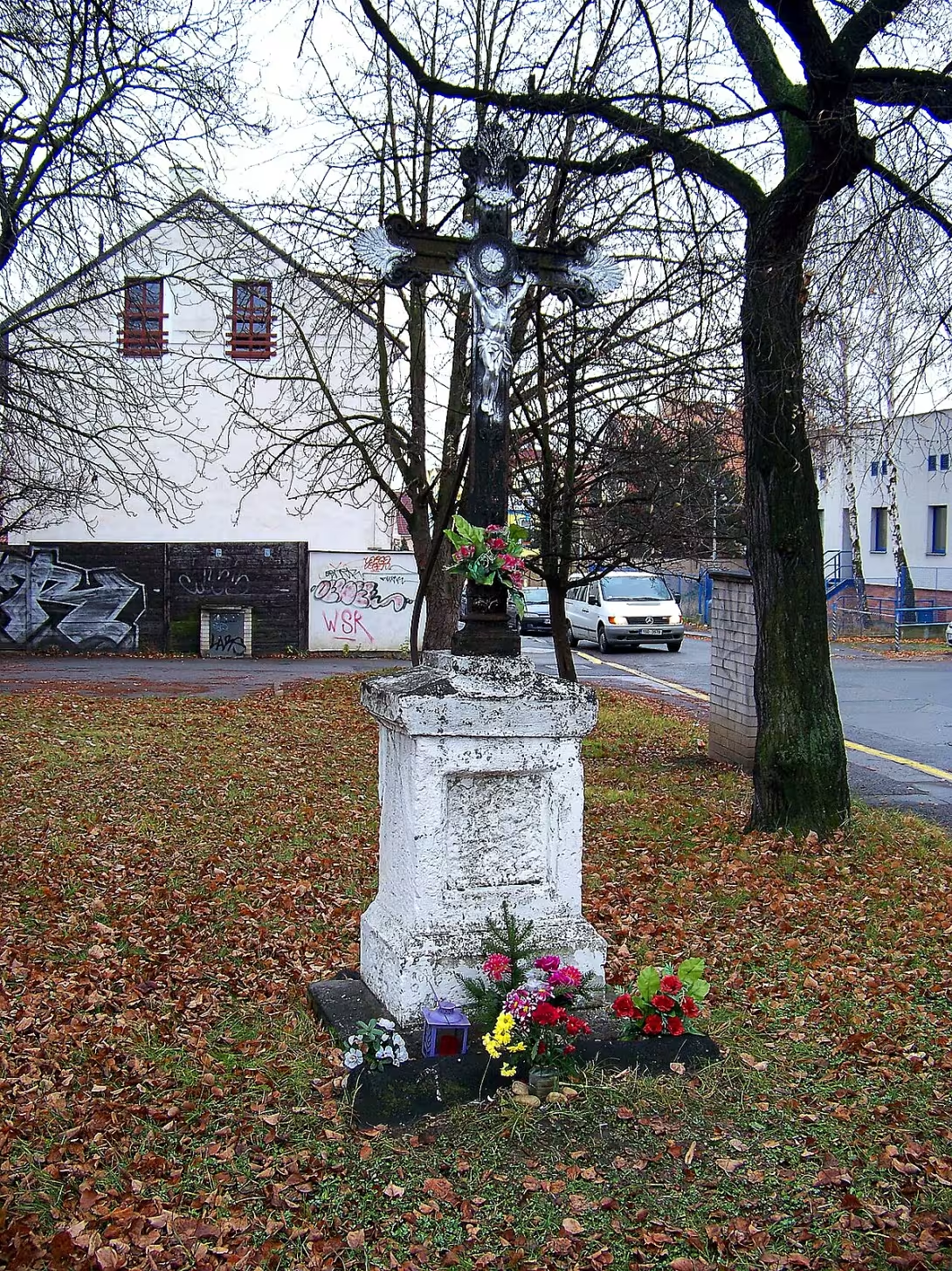
Horní Krč, a former village and cadastral area of Prague, dates back to the early 13th century. Located in the Krč district, it merged with Dolní Krč in 1948. This site is notable for its role in the Hussite Wars and its unique architecture, reflecting the village's changing fortunes over the centuries.
The village's early history is shrouded in mystery, with the first recorded mention dating back to the early 13th century. During the Hussite Wars, Prague forces occupied the village, significantly impacting its development. In the 17th century, the village was owned by Leander Rüppel z Ruppachu, a merchant executed in 1621 for his involvement in the Thirty Years' War.
The village's architecture showcases its rich history. The fortress, brewery, and mill are notable examples of the village's former prosperity. The brewery, Pivovar Pragovar, stood at the Vídeňská and V Podzámčí streets intersection, while the Krčský mlýn, a mill, was situated in the Kunratický potok stream's bend. The guesthouse, U Labutě, was near a pond on the Vídeňská silnice road.
Ownership changed hands several times, with notable owners including Antonín z Munheimu and the Tomáš family. Leander Rüppel z Ruppachu owned the village in the 17th century and was executed in 1621. The village's fortunes declined in the 20th century, with a population of 823 inhabitants in 1900.
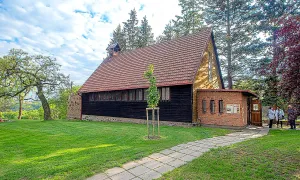
Horní Krč played a significant role in the Hussite Wars, and the 1928-built chapel is a testament to its importance. Dedicated to Saint Wenceslas, the functionalist chapel reflects the village's modernization in the early 20th century. The village was also known for its brewery and mill, significant economic drivers.
Today, the Horní Krč site is a reminder of the village's rich history and cultural significance. The rybník Labuť, a pond, and the lípa malolistá, a malolistá linden tree, are two of the remaining natural features. The jilm vaz, a wych elm tree, is another notable feature. Visitors can explore the area and learn about the village's history at the nearby Thomayerova nemocnice, a hospital built in the 1920s.
Horní Krč is a unique and fascinating historical site offering a glimpse into the past. Its rich history, architecture, and natural features make it a must-visit destination for those interested in Prague's history.
Then and now
Drag the slider to compare how the landmark may have looked when it was built with the view today.
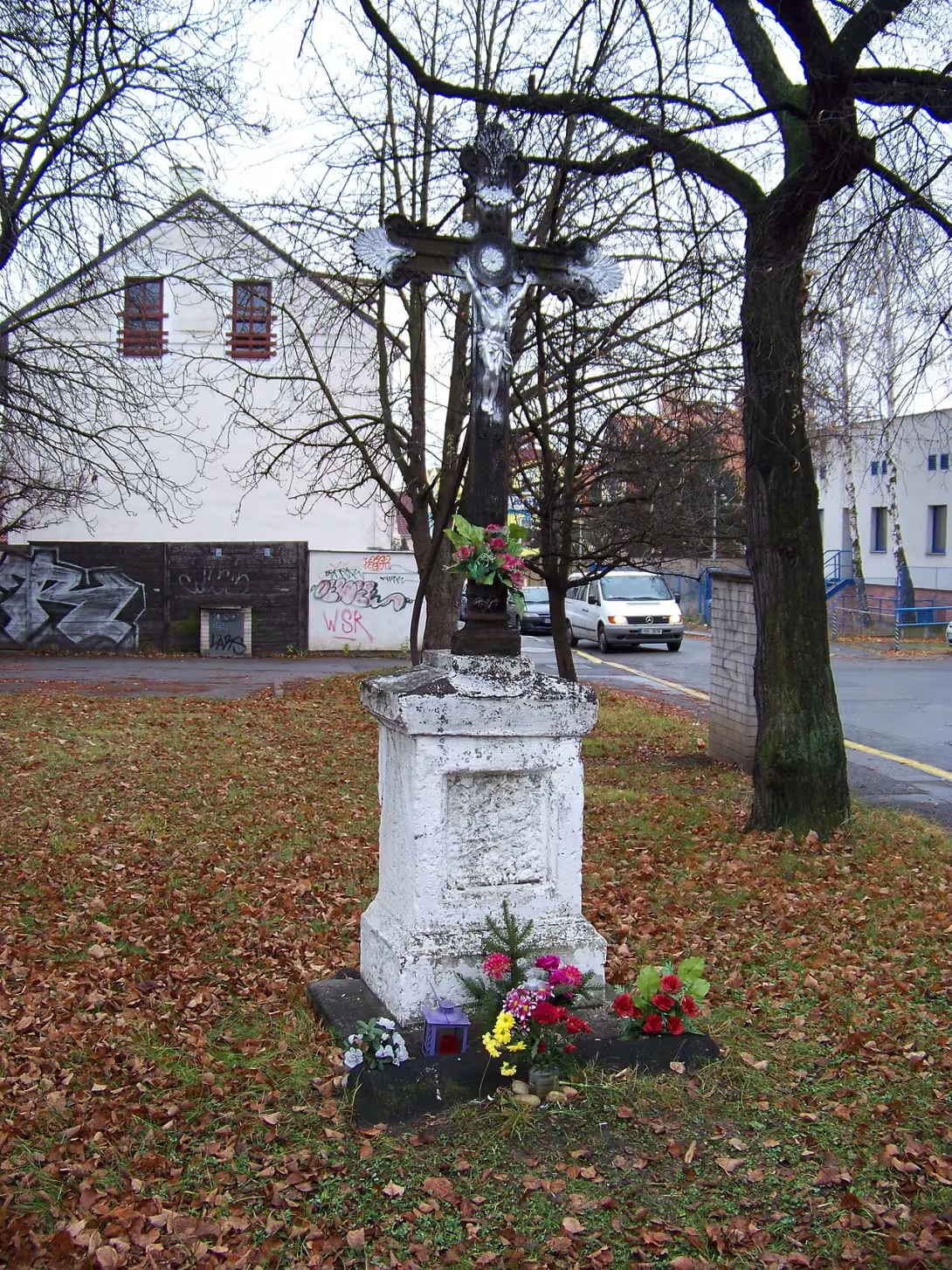
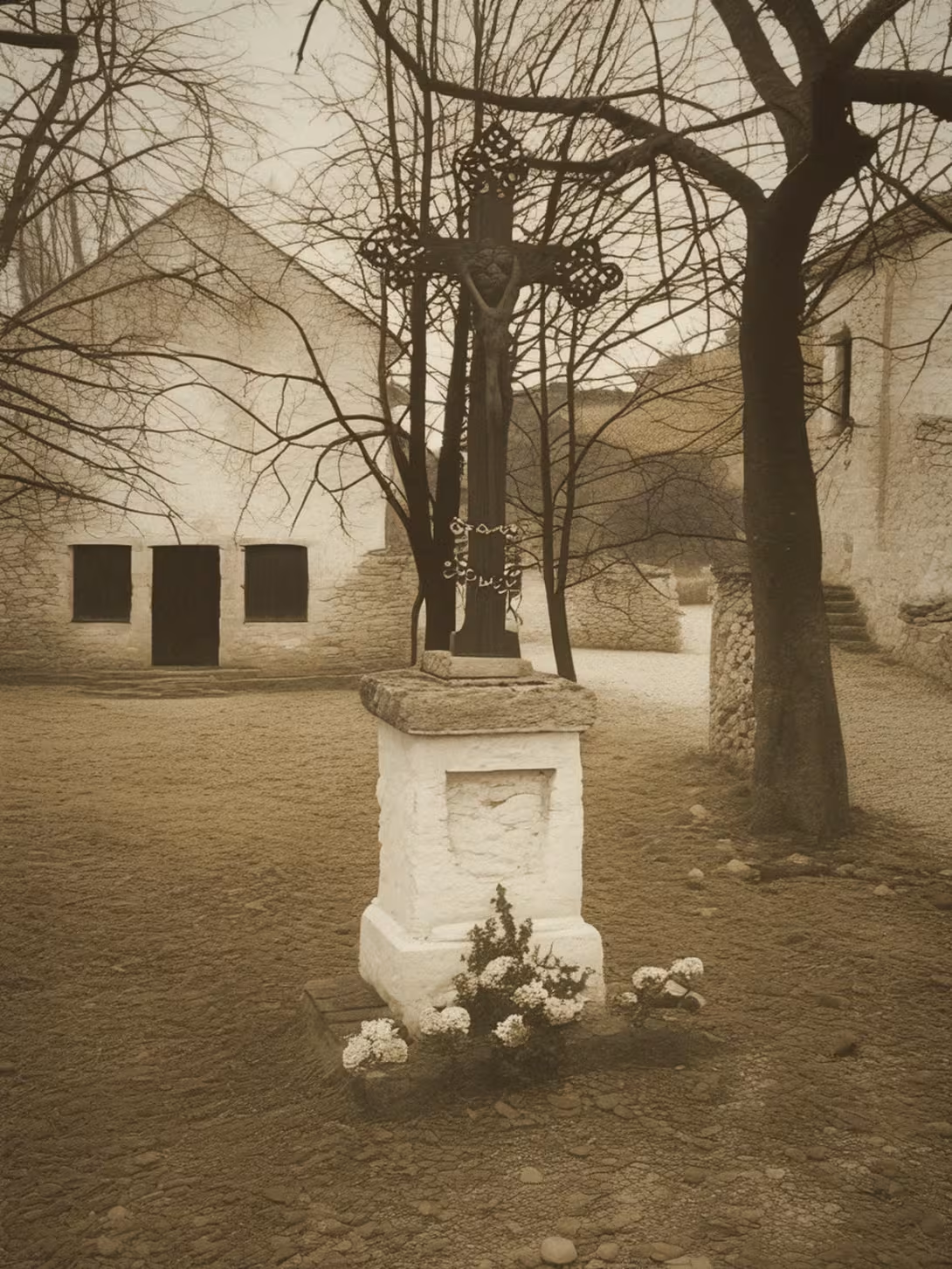
The historical appearance on the left is an AI-generated visualisation and serves as inspiration only.
Historical milestones
- 13th century
- First mentioned
- 1420
- Occupied by Prague forces during the Hussite Wars
- 1621
- Execution of Leander Rüppel z Ruppachu
- 1900
- Had 823 inhabitants
- 1922
- Merged with Prague
- 1948
- Merged with Dolní Krč
Architectural development
The village had several notable buildings, including a fortress, a brewery, a mill, a guesthouse, and a chapel.
Historical events
Hussite Wars (1420)
Execution of Leander Rüppel z Ruppachu (1621)
Merging with Dolní Krč (1948)
Owners
Antonín z Munheimu, Leander Rüppel z Ruppachu, Tomáš family
Points of interest
– The village of Horní Krč was owned by Leander Rüppel z Ruppachu in the 17th century, a merchant who was executed in 1621 for his involvement in the Thirty Years' War.
– The chapel built in 1928, dedicated to Saint Wenceslas, is a functionalist building that reflects the village's modernization in the early 20th century.
– The village's brewery, Pivovar Pragovar, was located at the intersection of Vídeňská and V Podzámčí streets, and the Krčský mlýn, a mill, was situated in the bend of the Kunratický potok stream.
– The guesthouse U Labutě was situated near a pond on the Vídeňská silnice road, indicating the village's former prosperity.
– The Thomayerova nemocnice, a hospital built in the 1920s, is located near the site and offers information about the village's history.
Guide
This guide is narrated by a synthetic voice generated by artificial intelligence.
Show guide text
This text was created by artificial intelligence and has not been editorially reviewed. It may contain inaccuracies.
Welcome! You are standing before the historical monument of Horní Krč, a former village and cadastral area of Prague. Look up and take a closer look at this place with its rich history dating back to the early 13th century. The first mentions of Horní Krč come from that time when the village was first recorded in written documents.
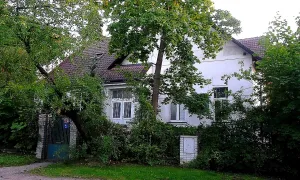
Let's move forward in time and see what happened during the Hussite Wars. The village was occupied by Prague troops in 1420. To better imagine that era, take a closer look at the façade of the building before you. Notice that it is simple yet functional and practical, reflecting the period.
Now pay attention to the personalities who contributed to the history of this village. One of them was Leander Rüppel from Ruppach, a merchant who owned the village in the 17th century. However, he was executed in 1621 for his involvement in the Thirty Years' War. His fate is an interesting story that unfolded in these places.
Another point of interest is the chapel of Saint Wenceslas, built in 1928. It is an example of functionalist style reflecting the modernization of the village at that time. The chapel is functional and well-maintained, as seen in its clean façade and carefully maintained windows.
Note that the chapel was constructed in accordance with the architecture of the time, which was very contemporary then. It is a good example of how architecture adapted to the needs of society.
Now let's pause for a moment and take a look at what is interesting here. After all, it is right here that the intriguing story of Leander Rüppel from Ruppach unfolded. His fate symbolizes how people’s lives in the past intertwined with historical events.
Whether you have already learned much about Horní Krč or are visiting for the first time, I hope you enjoyed this journey into the past. It is time to bid farewell to this historic monument and continue your travels.
Frequently asked questions
Can the monument be visited?
This is a structure in a public space that can usually be seen from outside free of charge. We have not verified that this particular one is freely accessible.
Where is the monument?
Location: Krč, Hlavní město Praha. The map on this page shows the exact spot.
Businesses nearby
Do you run a restaurant, accommodation, shop, museum, rental, wellness or other visitor service near this monument? Show yourself directly to the people heading to it — this is how they will see you in the app and on the web:
Events nearby

Zdroj akcí: otevřená data měst a obcí ČR (Národní katalog otevřených dat) a kalendář akcí Národního památkového ústavu.
Nearby
The village was surrounded by the Kunratický potok and the Vídeňská silnice.
Accommodation nearby
Trips and activities nearby
Guided tours, tickets and activities nearby from GetYourGuide
Affiliate link: if you buy from the partner, we may receive a commission. The price for you does not change.
Search tours and activities →Themed route
Route: Krč and its surroundings
1. Horní Krč (residential area): This residential area is an important monument worth visiting due to its unique architecture and rich history. It is located in the heart of the village of Krč and offers a glimpse into the lives of past residents.
2. Kunratický potok: This stream flows through the surroundings of the village of Krč, offering peaceful walks and beautiful natural scenery. It is an ideal place for relaxation and unwinding.
3. Vídeňská silnice: This road passes through the village of Krč and offers interesting views into its history and development. Even today, you can see how it stretches from Prague to Vienna, reminding us of its significant role in the past.
Seasonal recommendations
Jaro
Spring is the ideal time to visit Horní Krč, a residential area in Prague. The atmosphere is full of life and energy, nature awakens from its winter slumber, and the windows of historic landmarks bask in sunlight. The lighting is soft and warm, creating a pleasant environment for exploring historical buildings. Visit Horní Krč during spring to enjoy beautiful greenery and floral views.
Practical tips: Visit Horní Krč in spring to avoid crowds that come during the main summer season. The best time to visit is early morning or late afternoon to steer clear of tourist groups. Don't forget to bring layered clothing, as Prague's weather can be unpredictable during the spring months.
Léto
Summer is the peak season for visitors to Horní Krč, a residential area in Prague. The atmosphere is full of life and energy, nature is in full bloom, and the windows of historic landmarks bask in sunlight. The lighting is more intense, creating a pleasant environment for exploring historical buildings. Visit Horní Krč during summer to enjoy beautiful greenery and floral views.
Practical tips: Visit Horní Krč early in the morning or late afternoon to avoid crowds that come during the main summer season. Don't forget to bring layered clothing, as Prague's weather can be very hot in the summer. Also, remember to take a sun hat and water with you.
Podzim
Autumn is a time when nature changes colors and the atmosphere is calm and romantic in Horní Krč, a residential area in Prague. The lighting is soft and warm, creating a pleasant environment for exploring historical buildings. Visit Horní Krč during autumn to enjoy beautiful greenery and the colors of nature.
Practical tips: Visit Horní Krč in autumn to avoid crowds that come during the main summer season. The best time to visit is early morning or late afternoon to steer clear of tourist groups. Don't forget to bring layered clothing, as Prague's weather can be chilly during the autumn months.
Zima
Winter offers a calm and romantic atmosphere in Horní Krč, a residential area in Prague. The lighting is soft and warm, creating a pleasant environment for exploring historical buildings. Visit Horní Krč during winter to enjoy a peaceful atmosphere and beautiful illumination.
Practical tips: Visit Horní Krč in winter to avoid crowds that come during the main summer season. The best time to visit is early morning or late afternoon to steer clear of tourist groups. Don't forget to bring warm clothing, as Prague's weather can be chilly during the winter months.
Visualizations and artistic views


The visualisations are generated by artificial intelligence and serve as inspiration.
Photos from the area
Real photos taken near the monument


Zdroj a licence jsou uvedeny u každého snímku.
Tips from visitors
No tips yet. Be the first!
Log in and add your tip.
Sources and literature
Photos: ŠJů (cs:ŠJů) / CC BY-SA 3.0 — Wikimedia Commons. The author and licence also appear when you hover over the image.
Faktickým podkladem tohoto textu byl článek na Wikipedii, jehož autory jsou přispěvatelé Wikipedie. Článek je dostupný pod licencí CC BY-SA 4.0.
Location on the map

Příběhy a pověsti
Legendy, pověsti a příběhy spjaté s touto památkou
Fotografie návštěvníků
Zatím žádné fotografie. Buďte první, kdo přidá fotografii z návštěvy!
Log in a přidejte svou fotografii nebo hodnoťte.
Za ověřenou návštěvu v aplikaci získáte víc bodů — poznáme podle GPS, že jste na místě.
Reviews and comments