






Kostel svatého Františka z Assisi v Praze-Krči Church
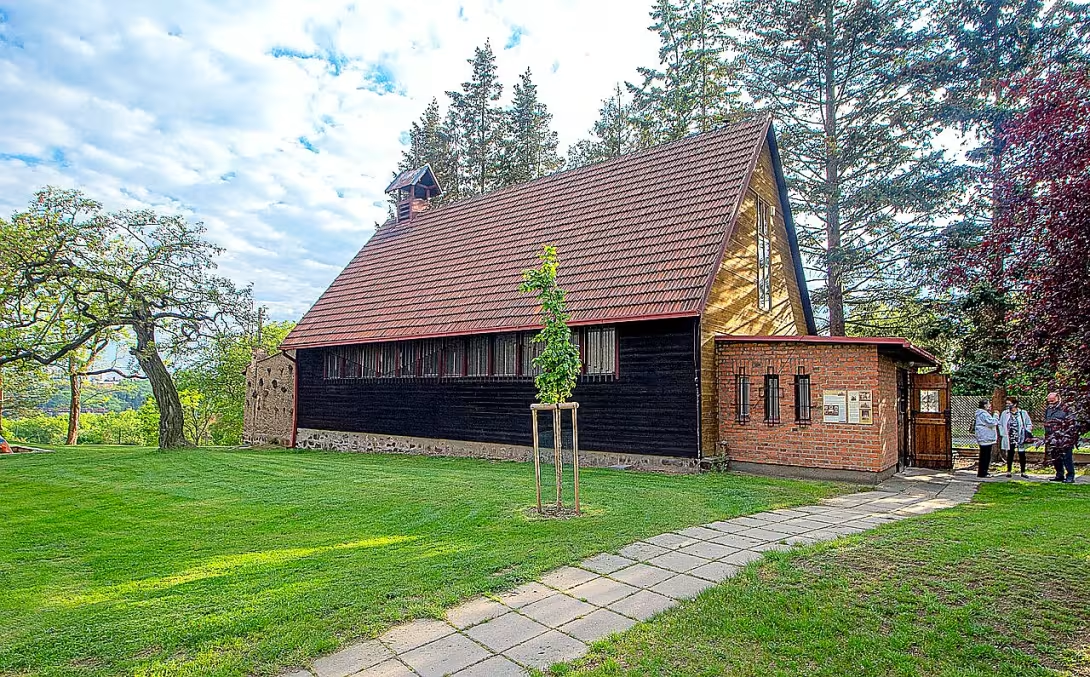
The Church of Saint Francis of Assisi in Prague-Krč is a notable wooden Roman Catholic filial church built in 1941 at Habrovka. Situated on the former vineyard estate grounds of Habrovka in Dolní Krč, it is protected as a cultural monument of the Czech Republic. Its significance lies not only in its architectural form but also in its historical context, reflecting the urgent need for religious spaces during World War II.
The origins date back to the mid-1930s when plans emerged due to growing demand for religious infrastructure on Prague's outskirts. In 1935, local magnate JUC Václav Welz founded the Society for Building a Church in Prague XIV and contributed half of the necessary land for construction. The onset of World War II necessitated a provisional design; thus, the church was constructed as a single-nave wooden structure with a gabled roof covered in tar paper. This expedited process allowed completion within just two weeks, culminating on Christmas Day 1941. Consecrated by P. Vlasák, who chose Saint Francis of Assisi as its patron due to his significance to the Knights Hospitaller, the church was completed under challenging wartime conditions.
Architecturally, the Church reflects a pragmatic approach necessitated by financial and material constraints during its construction in 1941. Designed by Ing. arch. Emanuel Hruška for both exterior and interior, including the altar, it stands as an example of resourceful design amidst adversity. Post-war plans to expand into a brick structure were halted due to communist policies, leaving the church in its original wooden form. Minor modifications occurred in the 1960s under architect Vladimír Hladík, who incorporated elements from another dismantled church, including two rows of wooden pews with late secessionist carvings.
Throughout its history, various administrators and benefactors have played roles. P. Josef Vlasák was crucial in fundraising efforts alongside František Nosk, leading to the establishment of the Dílo blahoslavené Anežky Přemyslovny society aimed at building Catholic churches on Prague's outskirts. The church was later declared a cultural monument in 2010, recognizing its historical and architectural significance.
The Church remains active today as part of the farnost alongside the Church of the Nativity of the Virgin Mary in Michle. It is administered by Alberto Giralda Cid since 2018, with Antonín Lukeš having served previously. Additionally, the church grounds host the annual music festival Habrovka since 2003, adding a cultural dimension to its religious significance.
Visitors today can appreciate the Church of Saint Francis of Assisi not only for its historical and architectural value but also as a living testament to resilience and community spirit during challenging times. Its status as a protected cultural monument underscores its importance in Czech history, making it a worthwhile destination for those interested in exploring Prague's rich heritage.
Then and now
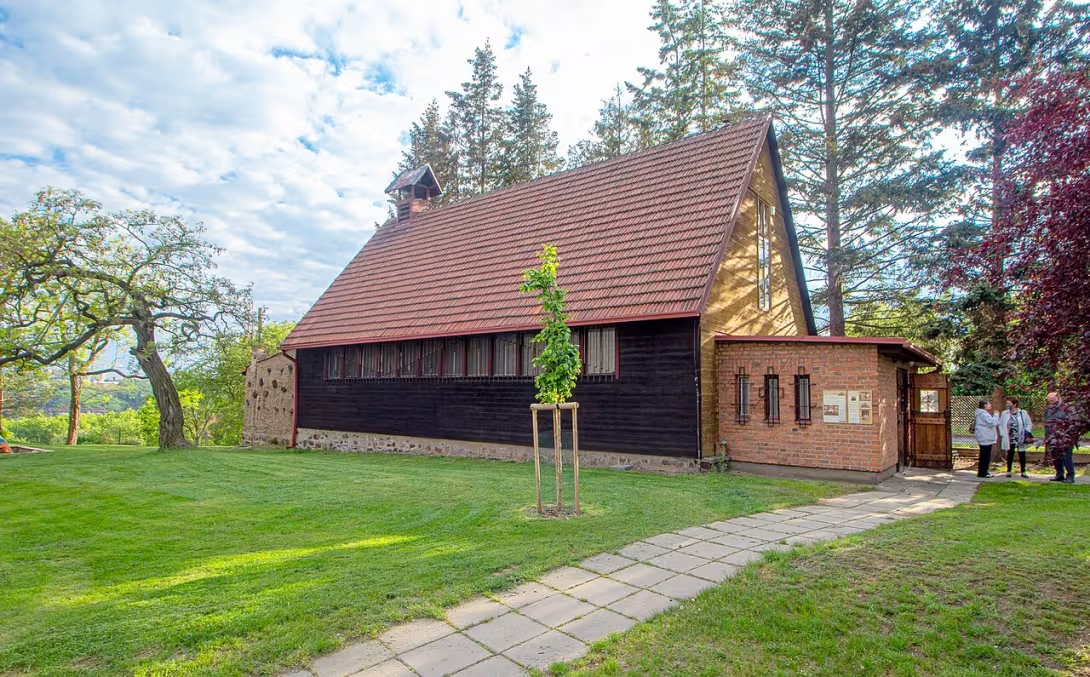
Drag the slider to compare how the landmark may have looked when it was built with the view today.
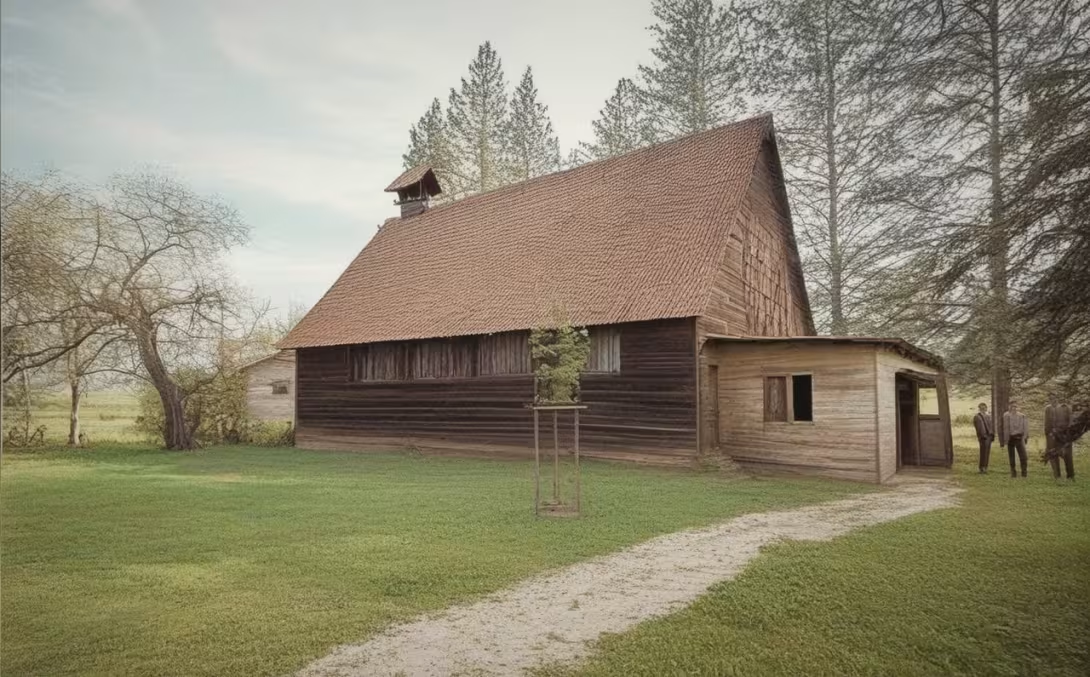
The historical appearance on the left is an AI-generated visualisation and serves as inspiration only.
Historical milestones
- 1941
- Construction of the Church began on December 8 and was completed by Christmas Day.
- 2010
- The church was declared a cultural monument.
Architectural development
The church's construction, initiated in 1941, was a response to the need for religious infrastructure during World War II. Designed as a provisional wooden structure due to financial and wartime constraints, it features a gabled roof covered with tar paper. Post-war plans for a brick extension were halted by communist policies, leaving the church in its original form. Minor modifications occurred in the 1960s under architect Vladimír Hladík.
Historical events
- 1935
- Foundation of the Society for Building a Church in Prague XIV, initiating plans for the church.
- 1941
- Construction began on December 8 and was completed by Christmas Day; consecrated by P. Vlasák.
Points of interest
- The Church of Saint Francis of Assisi was built in just two weeks during World War II, a remarkably rapid construction period for such a significant structure.
- Despite initial plans to expand the church into a brick building post-war, it remained as a wooden structure due to communist policies that halted further development.
- Architect Emanuel Hruška designed both the exterior and interior of the church, including its altar, showcasing his versatility and resourcefulness under wartime constraints.
- The annual music festival Habrovka has been held on the church grounds since 2003, blending cultural events with religious heritage to create a unique community space.
- P. Josef Vlasák played a pivotal role in fundraising for the church's construction by establishing the Dílo blahoslavené Anežky Přemyslovny society, highlighting his significant contribution to expanding Catholic infrastructure on Prague’s outskirts.
Guide
This guide is narrated by a synthetic voice generated by artificial intelligence.
Show guide text
This text was created by artificial intelligence and has not been editorially reviewed. It may contain inaccuracies.
Welcome to the Church of Saint Francis of Assisi in Prague-Krč, a remarkable wooden structure that stands as a testament to resilience and ingenuity. As you stand here at Habrovka, imagine the serene surroundings of this former vineyard estate in Dolní Krč, where history has left its indelible mark.
This church was built during World War II, starting on December 8, 1941, and completed by Christmas Day—a mere two weeks later. The rapid construction is a marvel given the financial constraints and wartime conditions of that era. Designed by Ing. arch. Emanuel Hruška and arch. Jaroslav Čermák, this church was initially intended to be a temporary solution but has since become a cherished cultural monument, declared as such in 2010.
As you look around, take note of the simplicity yet elegance of its wooden design. The structure's unassuming exterior belies the historical significance it holds. This church stands as a reminder of the era’s challenges and the community spirit that brought it to life so swiftly.
Key figures associated with this site include P. Josef Vlasák and František Nosk, who played significant roles in its history. Their dedication is woven into the fabric of this place, adding layers of personal stories to its walls.
One fascinating aspect of this church is its story of unfulfilled expansion plans. Originally intended to be replaced by a brick building after the war, it remained wooden due to communist policies—a poignant reminder of how historical and political contexts can shape our built environment.
As you continue your exploration, let yourself be drawn into the atmosphere that envelops this unique site. While the church may not boast grandiose features like towering spires or intricate frescoes, its charm lies in its authenticity and the stories it holds.
We invite you to delve deeper into its history and perhaps discover more about the people who walked these grounds before you. Thank you for visiting this cultural treasure, and we hope your journey here has been as enriching as it is enlightening.
Tips for visitors
The best time to visit the Church of Saint Francis of Assisi in Prague-Krč is during late spring or early autumn, when the weather is pleasant for exploring the surrounding vineyard landscapes and attending cultural events like the annual Habrovka music festival. These seasons offer comfortable temperatures and beautiful natural lighting, enhancing your experience at this historic site.
When visiting, consider bringing comfortable walking shoes as you may want to explore the broader cultural landscape surrounding Dolní Krč. A camera or smartphone is recommended to capture the church's unique wooden architecture and serene vineyard settings. Don't forget water and perhaps a light snack if you plan on spending several hours in the area.
For photography enthusiasts, early morning or late afternoon provides the best natural lighting for capturing the Church of Saint Francis with its picturesque backdrop. The eastern side of the church often offers stunning views as the sun rises or sets, casting soft shadows across the wooden structure. Additionally, during events like Habrovka, you'll find unique opportunities to photograph local musicians and cultural activities.
Nearby attractions within a 30-minute reach include the Church of the Nativity of the Virgin Mary in Michle, which offers another glimpse into the region's rich religious heritage. Families with children might also enjoy exploring the surrounding vineyards or visiting local parks for outdoor activities. These nearby sites provide additional context and enjoyment to your visit to Krč.
Frequently asked questions
Can the monument be visited?
Religious buildings are usually open mainly during services; at other times a visit is normally arranged with the parish or the operator. We have not verified specific times.
Where is the monument?
Location: U Habrovky, Krč, Praha, Hlavní město Praha. The map on this page shows the exact spot.
Why is the monument protected?
It is listed in the Central List of Cultural Monuments of the Czech Republic as a cultural monument (register no. 104103).
Businesses nearby
Do you run a restaurant, accommodation, shop, museum, rental, wellness or other visitor service near this monument? Show yourself directly to the people heading to it — this is how they will see you in the app and on the web:
Events nearby

Zdroj akcí: otevřená data měst a obcí ČR (Národní katalog otevřených dat) a kalendář akcí Národního památkového ústavu.
Nearby
Located in Dolní Krč, the church is part of a broader cultural landscape that includes other religious sites like the Church of the Nativity of the Virgin Mary in Michle. The area hosts an annual music festival called Habrovka since 2003.
Accommodation nearby
Trips and activities nearby
Guided tours, tickets and activities nearby from GetYourGuide
Affiliate link: if you buy from the partner, we may receive a commission. The price for you does not change.
Search tours and activities →Themed route
Thematic Walking Tour: Dolní Krč and Surroundings
1. Kostel svatého Františka z Assisi (Church of Saint Francis of Assisi)
Type: Religious Site
Why Visit: Located in the heart of Dolní Krč, this church is a stunning example of modernist architecture with its unique design and vibrant colors. It offers visitors an opportunity to appreciate both spiritual artistry and architectural innovation.
2. Church of the Nativity of the Virgin Mary (Kostel Narození Panny Marie) in Michle
Type: Religious Site
Why Visit: A short walk from Dolní Krč, this church is renowned for its striking modernist design by architect Karel Prager. Its unique structure and historical significance make it a must-see for those interested in 20th-century architecture.
3. Habrovka Music Festival
Type: Cultural Event
Why Visit: Although the festival occurs annually, visiting during this time offers an immersive cultural experience with live music performances that celebrate local talent and community spirit. The festival brings together people from all walks of life in a vibrant celebration of music.
This tour highlights the rich cultural and architectural heritage of Dolní Krč and its surroundings, providing insight into both historical and contemporary influences in the area.
Seasonal recommendations
Spring: Visiting the Church of Saint Francis of Assisi in Prague-Krč during spring offers a unique experience as nature begins to awaken around this historical site. The blooming flowers and fresh greenery create a vibrant backdrop, enhancing the church's serene atmosphere. Spring light is softer and more diffuse, casting gentle shadows that highlight architectural details beautifully. To make the most of your visit, consider arriving early in the day when fewer crowds are present, allowing you to appreciate both the natural beauty and the tranquility of the site. Layered clothing is advisable as temperatures can vary; a light jacket or sweater might be necessary during cooler mornings or evenings.
Summer: Summer at the Church of Saint Francis of Assisi brings long daylight hours and warm weather, making it an ideal time for exploring the church's surroundings. The lush greenery around the site is in full bloom, offering picturesque views that complement the historical architecture. However, summer can also mean larger crowds, especially during peak tourist season. To avoid the busiest times, plan your visit early in the morning or later in the afternoon. Comfortable walking shoes and light clothing are recommended to stay cool under the sun, along with sunscreen and a hat for protection.
Autumn: The autumn season transforms the Church of Saint Francis of Assisi into a stunning canvas of warm colors, as leaves turn shades of red, orange, and gold. This natural spectacle creates an atmospheric setting that enhances the historical charm of the church. Cooler temperatures make it a pleasant time to visit without the summer crowds. It's advisable to wear layers, including a warmer coat or jacket, as evenings can become quite chilly. Visiting in late morning or early afternoon allows you to enjoy both the light and the changing foliage.
Winter: Winter at the Church of Saint Francis of Assisi offers a serene and contemplative experience, with snow often blanketing the area in a peaceful white cover. The church's architecture stands out starkly against this backdrop, creating a picturesque scene that is particularly enchanting during early morning or late afternoon when the light is softer. However, shorter daylight hours mean that visits should be planned accordingly, as opening times may also be reduced. Dress warmly with layers and wear comfortable boots to navigate any icy paths. An early visit can help you avoid the cold of later in the day while still enjoying a quieter atmosphere before winter crowds arrive for holiday festivities.
Visualizations and artistic views


The visualisations are generated by artificial intelligence and serve as inspiration.
Photos from the area
Real photos taken near the monument


Zdroj a licence jsou uvedeny u každého snímku.
Tips from visitors
No tips yet. Be the first!
Log in and add your tip.
Sources and literature
Photos: VitVit / CC BY-SA 4.0 — Wikimedia Commons. The author and licence also appear when you hover over the image.
Faktickým podkladem tohoto textu byl článek na Wikipedii, jehož autory jsou přispěvatelé Wikipedie. Článek je dostupný pod licencí CC BY-SA 4.0.
Location on the map
More monuments – Krč
Show all in the municipality


Příběhy a pověsti
Legendy, pověsti a příběhy spjaté s touto památkou
Fotografie návštěvníků
Zatím žádné fotografie. Buďte první, kdo přidá fotografii z návštěvy!
Log in a přidejte svou fotografii nebo hodnoťte.
Za ověřenou návštěvu v aplikaci získáte víc bodů — poznáme podle GPS, že jste na místě.
Reviews and comments