






Horní mlýn Mill
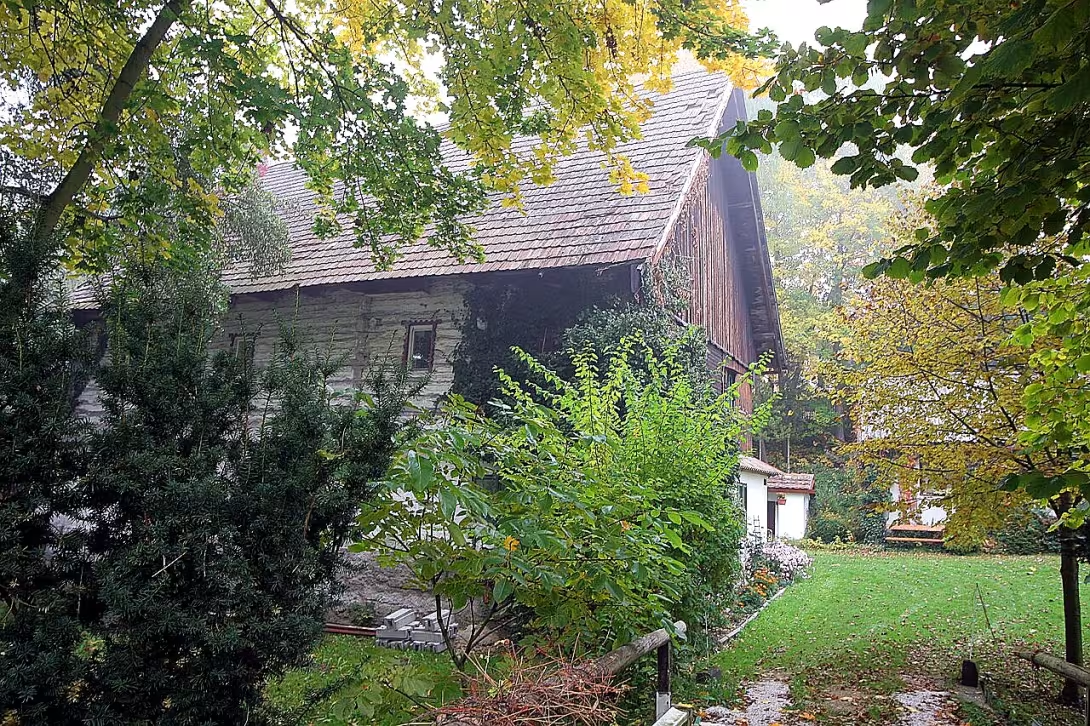
Horní Mlýn in Býšť is a water mill located in the northern part of the village along the Býšťský potok. Recognized as a cultural heritage site in the Czech Republic, this historical monument features notable architectural elements and a storied past. Documented on a map from 1840, Horní Mlýn provides insights into regional milling practices from the late 18th to mid-20th centuries.
The origins of Horní Mlýn are somewhat obscure, with no specific records detailing its construction or builder. However, historical sources suggest it was established by 1788 on communal land. The first recorded owner, Hein Johanes Heys, acquired the property in April of that year for 1,000 zlatých. Ownership transitioned through various hands until Václav Růžička inherited it from his father Jan Růžička in 1912.
Architecturally, Horní Mlýn is a single-story building with a gabled roof. It features plastered rubble stone for the residential section and dressed sandstone blocks for the milling area. Timber-framed elements are covered with bricks on one side of the mill, while lime wash coats its walls. The original water wheel was powered by a channel from a pond, with traces still visible in the sandstone masonry.
Throughout its history, Horní Mlýn has seen several owners and changes in fortune. After Hein Johanes Heys, it passed through various proprietors until Václav Růžička's tenure as the 17th miller. Milling operations ceased in 1950, marking an era's end for this historic site.
Today, Horní Mlýn stands as a testament to traditional milling practices and regional history. While its original milling technology has not been preserved, the structure itself remains intact, offering visitors a glimpse into the past. Its status as a protected cultural monument underscores its significance in the Czech Republic's heritage landscape.
Visiting Horní Mlýn provides an opportunity to connect with Býšť's historical fabric and appreciate the craftsmanship of bygone eras. As a preserved piece of history, it invites exploration and reflection on the evolution of local industry and community life.
Historical milestones
- 1840
- The mill was documented on a map of the Císařských povinných otisků.
- 1950
- Milling operations were discontinued.
Architectural development
Constructed with plastered rubble stone for residential areas and dressed sandstone blocks for milling, Horní mlýn features timber-framed elements covered with bricks. The building's walls are coated with lime wash, and the gabled roof is a defining characteristic of its architecture.
Historical events
The mill was documented on a map of the Císařských povinných otisků in 1840.
Milling operations ceased in 1950.
Owners
The first recorded owner was Hein Johanes Heys, who acquired the mill in 1788 for 1000 zlatých. Over time, it changed hands multiple times until Václav Růžička inherited it from his father Jan Růžička in 1912.
Points of interest
- Horní Mlýn is recognized as a cultural heritage site in the Czech Republic. - Documented on a map from 1840, it provides insights into regional milling practices from the late 18th to mid-20th centuries. – The origins of Horní Mlýn are somewhat obscure, with no specific records detailing its construction or builder; however, historical sources suggest it was established by 1788. - Hein Johanes Heys acquired the property in April 1788 for 1,000 zlatých and became its first recorded owner. - Architecturally, Horní Mlýn features a single-story building with a gabled roof, plastered rubble stone for the residential section, dressed sandstone blocks for the milling area, timber-framed elements covered with bricks on one side, and lime wash-coated walls.
Guide
This guide is narrated by a synthetic voice generated by artificial intelligence.
Show guide text
This text was created by artificial intelligence and has not been editorially reviewed. It may contain inaccuracies.
Welcome! You are standing in front of the historic mill known as Horní mlýn in Býšť. This watermill is located on the Býšťský potok and is recognized as a cultural monument in the Czech Republic.
Let's move to its historical context. The first mention of the mill dates back to 1840, when it was recorded on the map of Císařských povinných otisků. This gives us insight into regional milling practices from the late 18th century to the mid-20th century.
Now pay attention to its architecture. The mill is a single-story residential and milling building with a gabled roof. The construction consists of rendered masonry made of voussoir stones for the residential part and hewn sandstone blocks for the milling section. Both walls are rendered and equipped with wooden frames.
Notice that there are many questions left unanswered. Did this place really originate from 1840? Who were the first millers here?
Now take a moment to appreciate the atmosphere. Take in the façade and sense the historical ambiance that prevails here.
Thank you for your attention to this historic monument. I hope you enjoyed it.
Tips for visitors
The best time to visit Horní mlýn is during the spring or early autumn when the weather is mild, and the surrounding nature is particularly vibrant. During these seasons, you can enjoy pleasant temperatures that make exploring both the mill and its natural surroundings comfortable. Additionally, visiting outside of peak summer months helps avoid crowds, allowing for a more serene experience.
Public transport details should be verified through a travel planner or local tourism office.
When visiting Horní mlýn, bring comfortable walking shoes as the terrain can be uneven in natural areas around the mill. Don't forget to carry water and some snacks, especially if you plan to explore the surrounding landscape of Býšťský potok. A camera is also recommended for capturing the scenic views.
For photography enthusiasts, the best spots are likely near the Býšťský potok where natural light can beautifully illuminate the mill's structure and surroundings. Early morning or late afternoon offers softer lighting conditions ideal for capturing stunning images of the landscape and architecture.
In terms of nearby attractions within a 30-minute drive, you might explore other cultural sites or natural landscapes in the region. While specific monuments are not detailed, the area around Býšť is known for its picturesque settings that could be worth exploring.
Frequently asked questions
Can the monument be visited?
This is a technical monument. Some are open as exhibitions, others are out of use or on private land. We have not verified whether this one is accessible.
What are the opening hours and admission?
We have not verified the opening hours or admission. Current information is published by the operator. Official website: https://www.byst.cz/informace-o-obci/pamatky/
Where is the monument?
Location: Býšť, Pardubický kraj. The map on this page shows the exact spot.
Why is the monument protected?
It is listed in the Central List of Cultural Monuments of the Czech Republic as a cultural monument (register no. 1000123220).
Businesses nearby
Do you run a restaurant, accommodation, shop, museum, rental, wellness or other visitor service near this monument? Show yourself directly to the people heading to it — this is how they will see you in the app and on the web:
Nearby
Horní mlýn is situated in the northern part of Býšť on the Býšťský potok. The surrounding landscape includes natural features typical of the region, though specific nearby monuments are not detailed.
Accommodation nearby
Themed route
Horní mlýn (main attraction)
1. Býšťský potok: Take a look at the local watercourse that runs by the mill and provides it with energy.
2. Horní mlýn: Enter the mill and explore its interior, where you will learn more about its history and function.
3. Nádvoří: Explore the courtyard of the mill and its surroundings, where additional architectural elements and points of interest are located.
Seasonal recommendations
Jaro
Spring is the time when Horní Mlýn in Býště comes to life. The lighting, which is usually modest, is replaced by daylight and nature around the mill awakens from its winter slumber. The woods are green and blooming, creating a pleasant atmosphere for walks and photography. If you wish to visit Horní Mlýn during the spring season, we recommend arriving early before the main tourist season begins to avoid crowds. The best time to visit is in February or March when the weather is still relatively calm, allowing you to enjoy a peaceful walk around the mill.
Summer
In summer, Horní Mlýn in Býště is the most visited site. The main season is at its peak and many tourists gather here to explore this historical landmark. If you wish to visit Horní Mlýn during the summer, we recommend arriving early before the daily influx of tourists begins to avoid crowds. The best time to visit is in the morning hours when it is still relatively calm, allowing you to enjoy a peaceful walk around the mill. Also, remember to bring plenty of water and food as refreshment options in the vicinity are limited.
Autumn
Autumn is the time when Horní Mlýn in Býště takes on a romantic charm. The lighting becomes less intense and nature changes into vibrant shades of gold and orange. The atmosphere is calm and serene, ideal for those seeking rest and relaxation. If you wish to visit Horní Mlýn during the autumn season, we recommend arriving in September or October when the weather is still relatively warm, allowing you to enjoy a peaceful walk around the mill. Also, remember to bring warm clothing as temperatures can be chilly in the evenings.
Winter
Winter is the time when Horní Mlýn in Býště is closed to the public. The lighting is minimalist and nature is covered with snow. If you wish to visit Horní Mlýn during the winter season, we recommend arriving in December or January when the weather is calmest, allowing you to enjoy a peaceful walk around the mill. Also, remember to bring warm clothing and boots with grips as paths can be icy.
Visualizations and artistic views


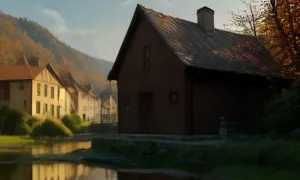
The visualisations are generated by artificial intelligence and serve as inspiration.
Photos from the area
Real photos taken near the monument

Zdroj a licence jsou uvedeny u každého snímku.
Tips from visitors
No tips yet. Be the first!
Log in and add your tip.
Sources and literature
Photos: Petr1888 / CC BY-SA 3.0 — Wikimedia Commons. The author and licence also appear when you hover over the image.
Faktickým podkladem tohoto textu byl článek na Wikipedii, jehož autory jsou přispěvatelé Wikipedie. Článek je dostupný pod licencí CC BY-SA 4.0.
Location on the map

Příběhy a pověsti
Legendy, pověsti a příběhy spjaté s touto památkou
Fotografie návštěvníků
Zatím žádné fotografie. Buďte první, kdo přidá fotografii z návštěvy!
Log in a přidejte svou fotografii nebo hodnoťte.
Za ověřenou návštěvu v aplikaci získáte víc bodů — poznáme podle GPS, že jste na místě.
Reviews and comments