






Hrádek u Kněževsi Ruin
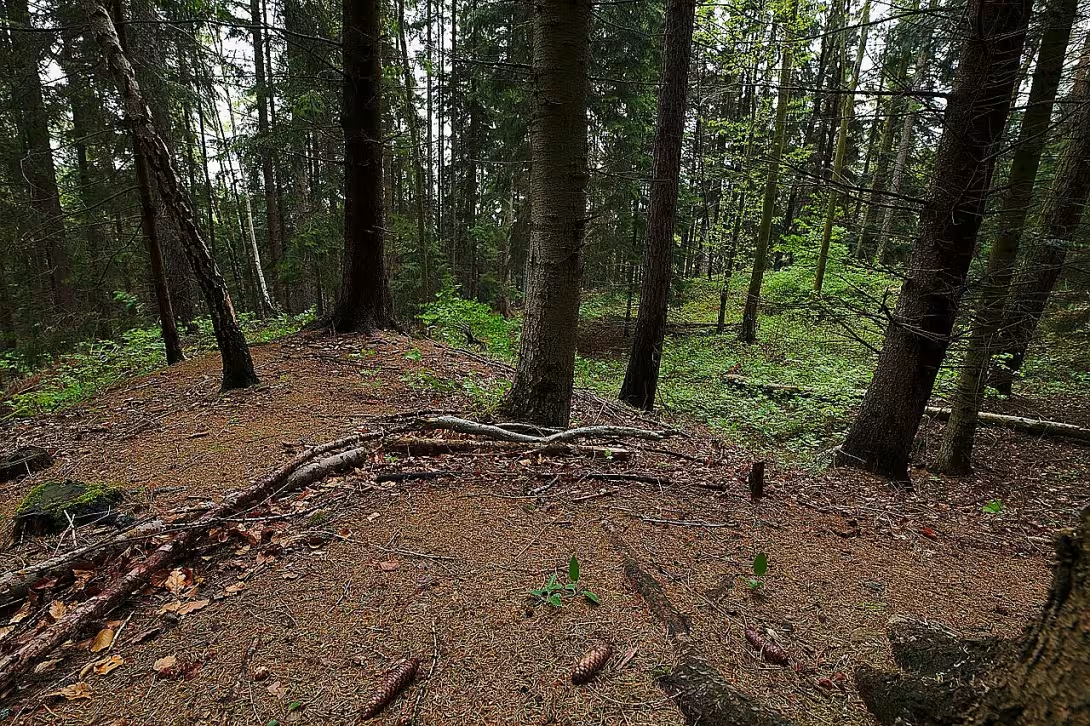
Hrádek u Kněževsi is a medieval hill fort ruin located in the Pardubický region of the Czech Republic. It lies approximately 1 km north of the village of Kněževes and 0.8 km southwest of Dolní Lhoty. Established likely in the 13th century as part of the royal estate of Svojanov, it served a strategic defensive role on the historical border between Bohemia and Moravia. This site is notable for its architectural significance and association with Queen Kunhuta Uherská, who reportedly gave birth to her son Ješek here in 1282.
The origins of Hrádek u Kněževsi date back to the medieval period when Bohemia was under the Přemyslid dynasty. During this time, there was a focus on territorial consolidation and fortification, reflecting broader European trends towards fortified settlements. The hill fort was constructed as part of these efforts to protect the border between Bohemia and Moravia, highlighting its strategic importance within the royal estate of Svojanov.
Architecturally, Hrádek u Kněževsi features typical medieval fortifications, although specific details about its construction are not well-documented. Its primary function was defensive, serving as a protective structure along the historical Bohemian-Moravian border. The lack of detailed architectural records leaves much to speculation, but it likely included elements common to hill forts of that era.
The site's historical significance is enriched by local legends and documented events. Queen Kunhuta Uherská, a notable figure in Czech history, is said to have given birth to her son Ješek at this location in 1282. This event ties the fortification to royal history and underscores its importance during that period. Additionally, the fort was part of a strategic defense network along the border, emphasizing its role in regional security.
Today, Hrádek u Kněževsi stands as a testament to medieval defensive architecture and offers visitors a glimpse into the historical landscape of the Pardubický region. The area around the site is characterized by scenic beauty, with nearby villages such as Kněževes and Dolní Lhoty adding to its charm. While there are no other significant monuments within a 5 km radius, the fort's ruins provide a unique opportunity to explore a piece of Czech history.
Visiting Hrádek u Kněževsi is worthwhile for those interested in medieval history and architecture. Its connection to Queen Kunhuta Uherská and its role as part of a strategic defense network make it a site of historical intrigue. The serene landscape surrounding the ruins offers a peaceful setting for reflection on the past, inviting visitors to step back in time and appreciate the legacy of this remarkable monument.
Then and now
Drag the slider to compare how the landmark may have looked when it was built with the view today.
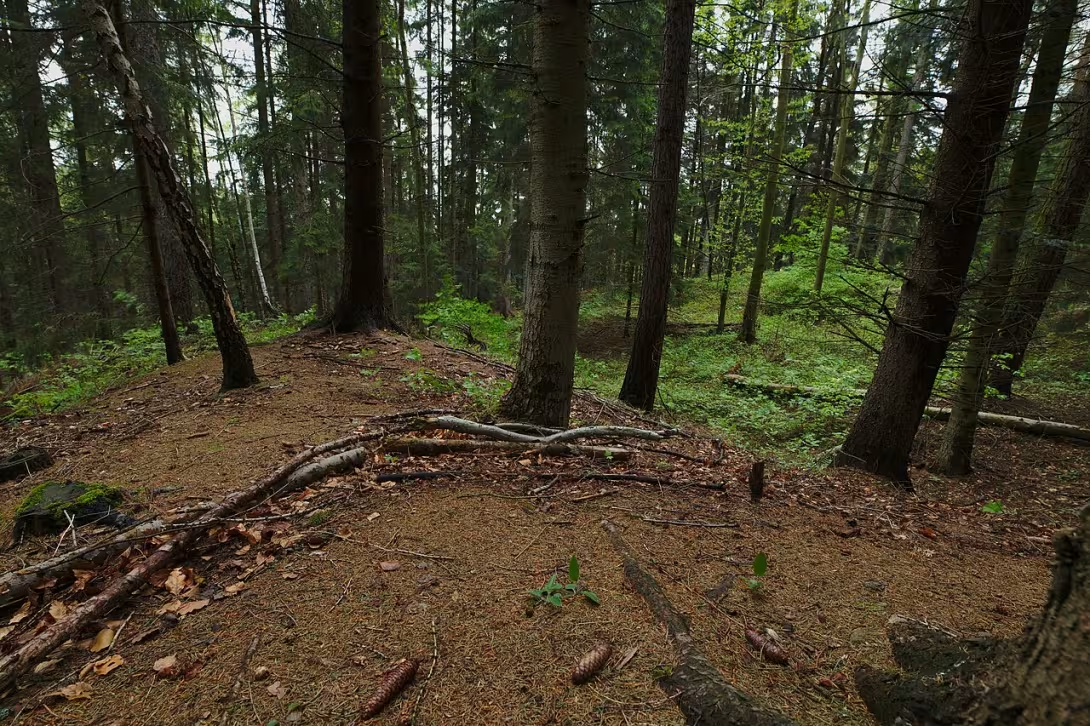
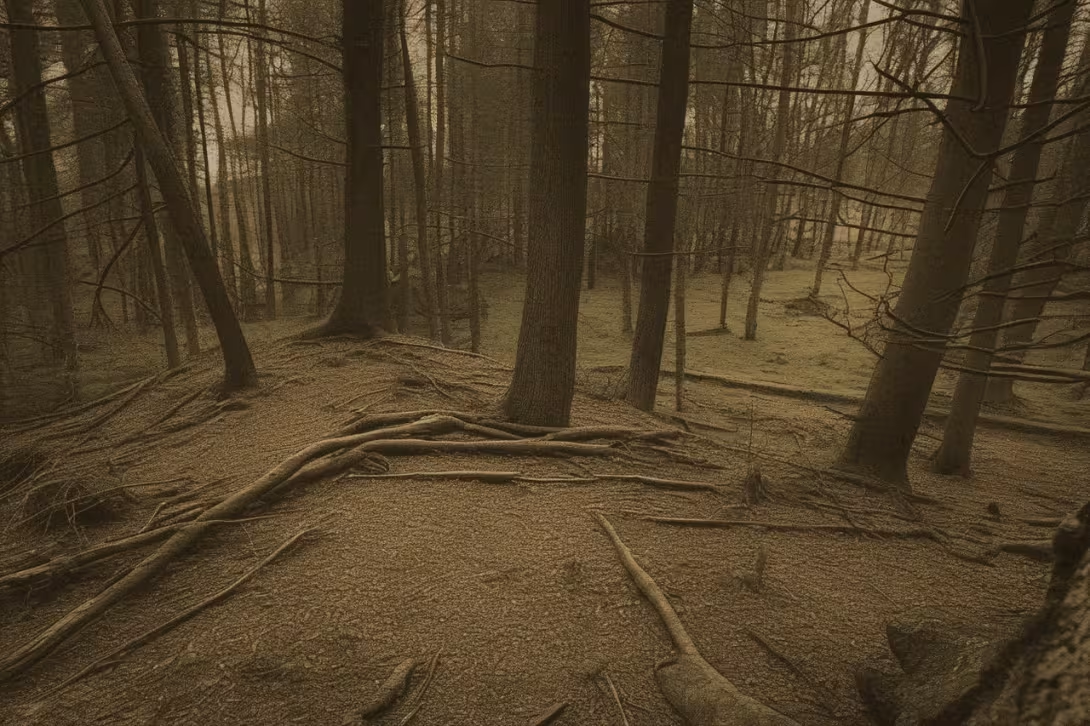
The historical appearance on the left is an AI-generated visualisation and serves as inspiration only.
Historical milestones
- 1282
- Queen Kunhuta Uherská reportedly gave birth to her son Ješek at this site.
Architectural development
The fortification was constructed in the medieval period as a defensive structure. Its primary role was to protect the border between Bohemia and Moravia. The exact architectural details are not well-documented, but it likely featured typical medieval fortifications.
Historical events
Established in the 13th century as part of the royal estate of Svojanov for border defense.
In 1282, Queen Kunhuta Uherská reportedly gave birth to her son Ješek at this site.
Guide
This guide is narrated by a synthetic voice generated by artificial intelligence.
Show guide text
This text was created by artificial intelligence and has not been editorially reviewed. It may contain inaccuracies.
Welcome to the historic site of Hrádek u Kněževsi, a captivating medieval hill fort ruin nestled in the picturesque landscape of Svojanov, within the enchanting Pardubický region of the Czech Republic. As you stand here, imagine the rolling hills that once served as a natural fortress, where history whispers through the remnants of stone and earth.
This site likely came to life in the 13th century, during a time when fortified settlements were becoming essential across Europe for defense and control. Positioned strategically on the historical border between Bohemia and Moravia, Hrádek u Kněževsi was part of the royal estate of Svojanov, underscoring its significance in medieval geopolitics.
As you take in your surroundings, notice how nature has reclaimed much of this site. The remnants of walls blend seamlessly with the landscape, offering a glimpse into the past where human ingenuity met natural beauty. Although specific architectural details are sparse due to limited documentation, what remains is enough to evoke curiosity about its construction and purpose.
A fascinating chapter in the story of Hrádek u Kněževsi involves Queen Kunhuta Uherská. In 1282, it was here that she reportedly gave birth to her son Ješek z Falkenštejna. This connection adds a layer of intrigue, intertwining royal history with this serene location.
The mystery surrounding the exact details of its architecture and construction invites you to ponder what life might have been like during its prime. Imagine the people who once walked these grounds, their stories now etched into the very stones beneath your feet.
As we conclude our journey here at Hrádek u Kněževsi, I invite you to wander further, letting your imagination explore the possibilities of this historic site. With each step, consider the layers of history and legend that have shaped this remarkable place. Thank you for joining me on this exploration, and may your curiosity lead you to discover even more hidden gems in our world's rich tapestry of history.
Frequently asked questions
Can the monument be visited?
This is a ruin. Such sites are often freely accessible, but some can only be visited with a guide or are closed for safety reasons. We have not verified the current situation – take care and respect any restrictions.
Where is the monument?
Location: Svojanov, Pardubický kraj. The map on this page shows the exact spot.
Businesses nearby
Do you run a restaurant, accommodation, shop, museum, rental, wellness or other visitor service near this monument? Show yourself directly to the people heading to it — this is how they will see you in the app and on the web:
Nearby
The area around Hrádek u Kněževsi is characterized by its scenic landscape in Pardubický region. Nearby are the villages of Kněževes and Dolní Lhoty, with no other significant monuments within a 5 km radius.
Accommodation nearby
Themed route
Thematic Route: Exploring the Ruins of Hrádek u Kněževsi and Its Surroundings
1. Hrádek u Kněževsi (Castle Ruin) - Type: Historical site - Why Visit: Begin your journey at this captivating medieval castle ruin located in Svojanov, Pardubický kraj. The remnants of Hrádek u Kněževsi offer a glimpse into the region's rich history and provide stunning views of the surrounding landscape. Explore the ruins to imagine life during its heyday and appreciate the strategic significance it once held.
2. Kněževes (Village) - Type: Cultural site - Why Visit: A short walk from Hrádek u Kněževsi, Kněževes is a charming village that showcases traditional architecture and local culture. Stroll through its streets to experience the peaceful rural life of the Pardubický region. The village's proximity to the castle ruins makes it an ideal stop for visitors interested in exploring both historical and cultural aspects.
3. Dolní Lhoty (Village) - Type: Scenic destination - Why Visit: Continue your exploration by visiting Dolní Lhoty, another picturesque village nearby. Known for its serene environment and scenic beauty, it offers a perfect opportunity to relax and enjoy the natural surroundings after exploring the ruins. The village's tranquil setting provides an ideal backdrop for reflection on the historical narratives encountered earlier.
This thematic route allows you to immerse yourself in the history and culture of the Pardubický region while enjoying its beautiful landscapes.
Seasonal recommendations
Spring: Visiting Hrádek u Kněževsi during spring offers a unique experience as the surrounding landscape begins to awaken from winter's slumber. The ruins are enveloped in vibrant greenery, with wildflowers and fresh foliage creating a picturesque setting that enhances the historical atmosphere of the site. As daylight hours lengthen, the play of light through budding branches adds an ethereal quality to your exploration. Spring is relatively quiet compared to summer, making it ideal for those who prefer fewer crowds. It's recommended to wear comfortable walking shoes and layers, as temperatures can vary widely throughout the day.
Summer: Summer at Hrádek u Kněževsi is characterized by lush landscapes and longer daylight hours, perfect for extended exploration of the ruins. The warm weather allows visitors to fully appreciate the natural beauty surrounding the site, with vibrant wildflowers in full bloom and a canopy of greenery that provides ample shade. This season attracts more visitors, especially during weekends and holidays, so arriving early can help avoid crowds. Sun protection is essential—bring hats, sunscreen, and sunglasses—and consider carrying water to stay hydrated.
Autumn: Autumn brings a stunning transformation to the area around Hrádek u Kněževsi, as the foliage turns into fiery shades of red, orange, and gold. The cooler temperatures make for comfortable walking conditions, allowing visitors to enjoy the historical site without the summer heat. This is an ideal time to capture photographs with the dramatic backdrop of autumnal colors. As the days grow shorter, it's advisable to plan your visit earlier in the day to take advantage of natural lighting. Layered clothing will help you adapt to changing temperatures throughout the day.
Winter: Winter at Hrádek u Kněževsi offers a serene and atmospheric experience as snow blankets the ruins, creating a mystical landscape that feels like stepping into another world. The quietness of the site during this season is particularly appealing for those seeking solitude and reflection amidst historical beauty. However, accessibility might be limited due to weather conditions, so checking in advance is advisable. Dress warmly with thermal layers, hats, gloves, and sturdy boots to navigate snowy paths safely.
Visualizations and artistic views


The visualisations are generated by artificial intelligence and serve as inspiration.
Photos from the area
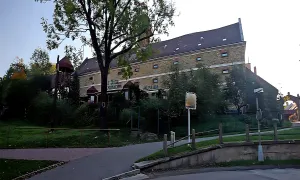
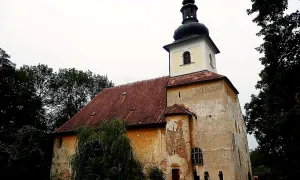
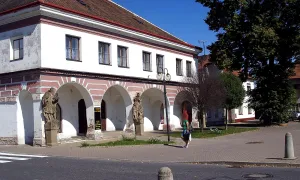
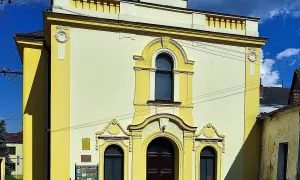
Real photos taken near the monument


Zdroj a licence jsou uvedeny u každého snímku.
Tips from visitors
No tips yet. Be the first!
Log in and add your tip.
Sources and literature
Photos: Jiří Komárek / CC BY-SA 4.0 — Wikimedia Commons. The author and licence also appear when you hover over the image.
Faktickým podkladem tohoto textu byl článek na Wikipedii, jehož autory jsou přispěvatelé Wikipedie. Článek je dostupný pod licencí CC BY-SA 4.0.
Location on the map

Příběhy a pověsti
Legendy, pověsti a příběhy spjaté s touto památkou
Fotografie návštěvníků
Zatím žádné fotografie. Buďte první, kdo přidá fotografii z návštěvy!
Log in a přidejte svou fotografii nebo hodnoťte.
Za ověřenou návštěvu v aplikaci získáte víc bodů — poznáme podle GPS, že jste na místě.
Reviews and comments