






Hraniční zámek Summer palace
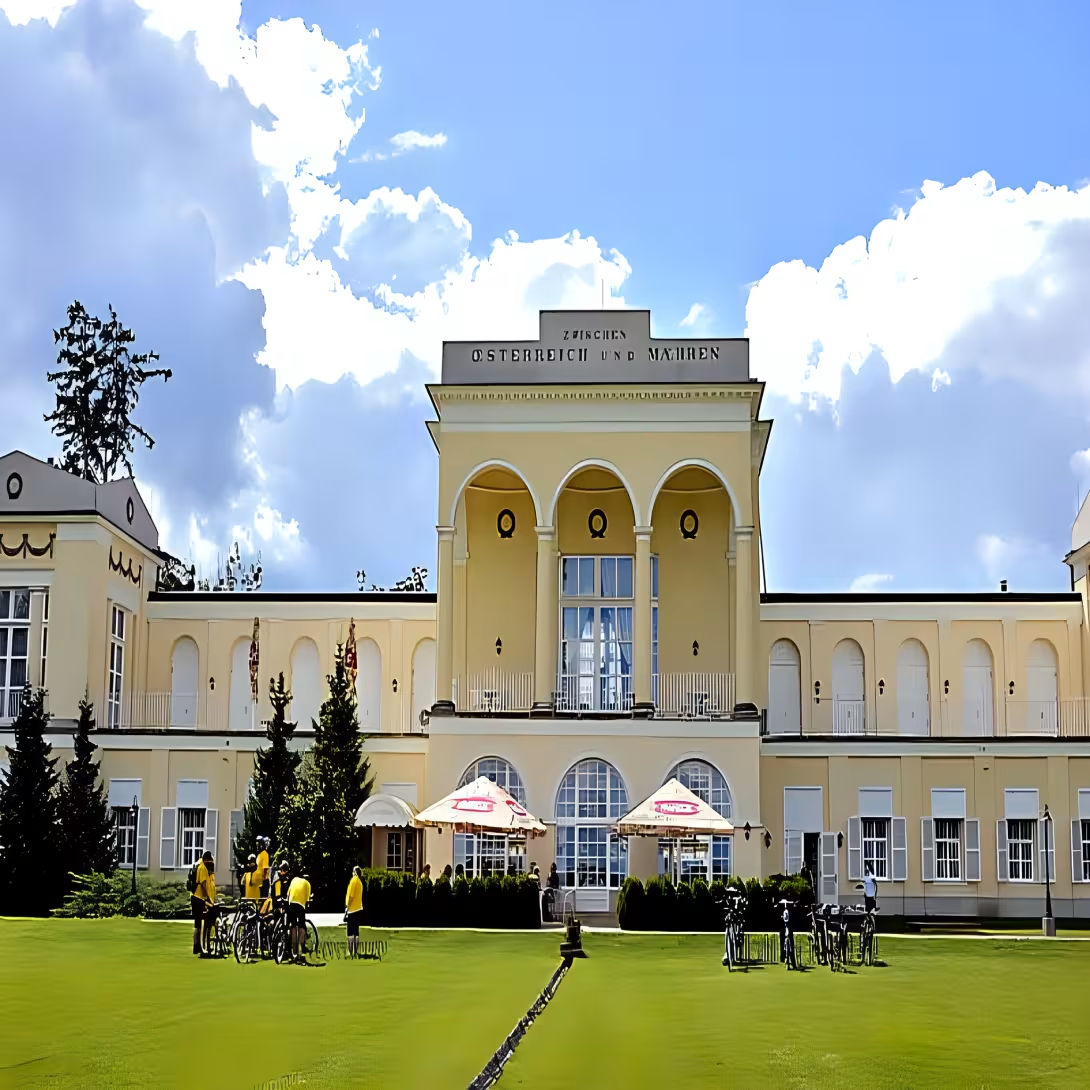
Hraniční zámek is a classical-style summer palace located in the Lednicko-valtické areály near Hlohovec in the Jihomoravský kraj region of the Czech Republic. Constructed between 1826 and 1827, it serves as an elegant architectural piece with historical significance as a border marker between Austria and Moravia. The site is notable for its picturesque natural setting and its role in marking territorial shifts during a period of significant political change in Europe.
The origin of Hraniční zámek dates back to the early 19th century, when it was commissioned by Jan I. Josef z Lichtenštejna. Its construction coincided with post-Napoleonic border adjustments between Austria and Moravia, marking a shift in territorial boundaries that placed the palace directly on this new frontier. The authorship of its design remains uncertain but is often attributed to architects such as Josef Kornhäusel or Josef Engel, while builders like Josef Poppelack or Karel Schleps are credited with its realization.
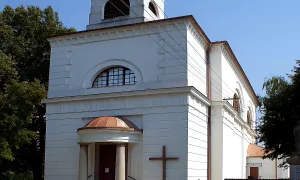
Architecturally, Hraniční zámek exemplifies classical style through its elegant form and thoughtful integration into the landscape. Built on marshy land that required stabilization using wooden pilings, the structure features three single-story pavilions connected by ground-level passages and viewing terraces. The central building boasts a regular rectangular floor plan with semi-circular arcades and a loggia supported by Tuscan columns. Symmetrical side wings extend from the main building, featuring simple oblong windows separated by lisenes, while the structure is crowned by two-story pavilions with porthole-like portals.
Ownership of Hraniční zámek has seen significant changes over time. Originally belonging to Jan I. Josef z Lichtenštejna, it was confiscated in 1945 following World War II. In 1995, the estate underwent extensive reconstruction, transforming it into a modern hotel complex that includes luxury dining and social event spaces.
Key events associated with Hraniční zámek include its construction as a border marker between Austria and Moravia from 1826 to 1827 and its confiscation in 1945. An interesting curiosity is the unique inscription "Zwischen Österreich und Mähren" on its facade, commemorating its historical role as a territorial boundary. Additionally, a bunker built into the southern ramp of the palace in 1937 was removed in 2007 to make way for a wine cellar.
Today, Hraniční zámek is part of a hotel complex that offers visitors luxury accommodations and dining experiences within its historic walls. The site remains accessible to tourists who are drawn by both its architectural beauty and historical significance. Its picturesque setting, complete with an artificial pond featuring a statue of Hygie, enhances the appeal for those interested in exploring cultural heritage sites.
Hraniční zámek stands as a testament to the rich history and architectural elegance of 19th-century Europe. It invites visitors to immerse themselves in its storied past while enjoying modern amenities, making it a worthwhile destination for anyone interested in history, architecture, or simply experiencing a unique cultural site.
Then and now
Drag the slider to compare how the landmark may have looked when it was built with the view today.
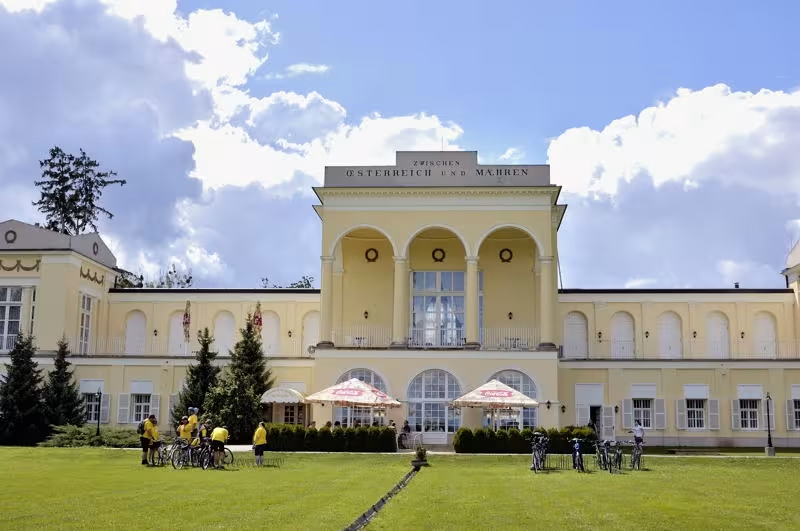
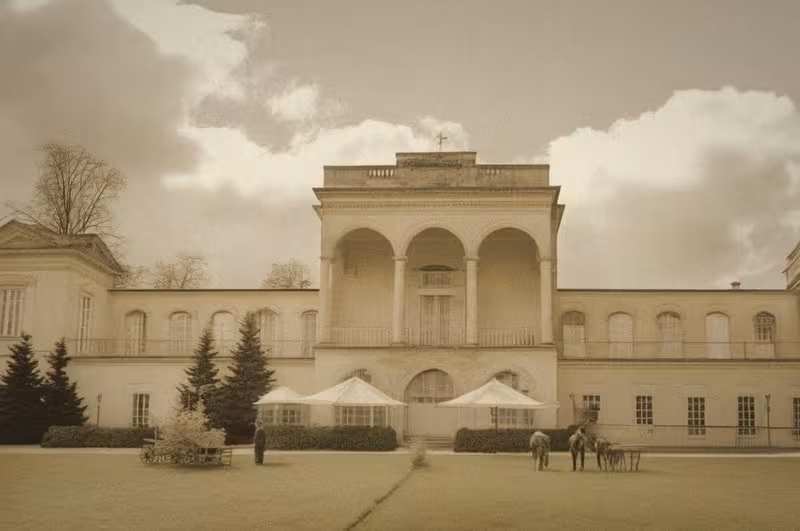
The historical appearance on the left is an AI-generated visualisation and serves as inspiration only.
Historical milestones
- 1826
- Construction of Hraniční zámek began.
- 1945
- The estate was confiscated by the state.
- 1995
- Extensive reconstruction of the summer palace was completed.
Architectural development
The construction of Hraniční zámek took place from 1826 to 1827, with its design attributed to architects such as Josef Kornhäusel or Josef Engel. Built on marshy land, the foundation required wooden pilings for stabilization. The structure features a classical style with single-story pavilions and semi-circular arcades.
Historical events
1826-1827: Construction of Hraniční zámek as a border marker between Austria and Moravia.
1945: The estate was confiscated post World War II.
1995: Extensive reconstruction of the summer palace.
Owners
Originally owned by Jan I. Josef z Lichtenštejna, the estate was confiscated in 1945 and later underwent significant reconstruction in 1995. It is currently part of a hotel complex.
Points of interest
- The Hraniční zámek's construction on marshy land required the use of wooden pilings for stabilization, showcasing early 19th-century engineering ingenuity in adapting to challenging environments.
- An intriguing aspect of the palace is its facade inscription "Zwischen Österreich und Mähren," which translates to "Between Austria and Moravia," highlighting its historical role as a literal boundary marker between two regions.
- The southern ramp of Hraniční zámek once housed a bunker built in 1937, reflecting the geopolitical tensions leading up to World War II; this structure was later removed in 2007 to create space for a wine cellar, blending history with modern luxury.
- Despite its classical architecture and historical significance as a border marker, the authorship of Hraniční zámek's design remains uncertain, with possible contributors including architects Josef Kornhäusel or Josef Engel, adding an element of mystery to its origins.
- Following World War II, in 1945, Hraniční zámek was confiscated and underwent significant changes in ownership before being transformed into a modern hotel complex in 1995, illustrating the adaptive reuse of historical sites for contemporary purposes.
Guide
This guide is narrated by a synthetic voice generated by artificial intelligence.
Show guide text
This text was created by artificial intelligence and has not been editorially reviewed. It may contain inaccuracies.
Welcome to the Hraniční zámek, a captivating piece of history nestled in the picturesque Lednicko-valtické areály near Hlohovec. As you stand before this elegant summer palace, its classical style and serene surroundings invite you into a world where architecture meets history. The harmonious blend of nature and man-made beauty sets the stage for an exploration filled with intrigue and elegance.
The story of Hraniční zámek begins in 1826 when construction commenced on what was then marshy land, presenting unique challenges that required innovative solutions. This site became a testament to early 19th-century engineering prowess as wooden pilings were used to stabilize the terrain—a fascinating detail highlighting the ingenuity of its creators. The palace emerged not only as an architectural marvel but also as a significant historical marker delineating the border between Austria and Moravia.
Architects Josef Kornhäusel, Josef Hardtmuth, and Josef Engel crafted this summer retreat for Jan I. Josef z Lichtenštejna, infusing it with classical elegance while ensuring functionality in its unique setting. As you wander through the estate, notice how three single-story pavilions are connected by ground-level passages, creating a seamless flow that invites exploration. The viewing terraces offer panoramic vistas, allowing you to appreciate both the landscape and architectural finesse.
The central building stands out with its regal presence, inviting visitors to ponder the lives of those who once walked these grounds. Jan I. Josef z Lichtenštejna's vision is palpable in every detail, from the strategic positioning of the pavilions to the thoughtful integration with nature.
An intriguing aspect that captures attention is the facade inscription "Zwischen Österreich und Mähren," a reminder of its historical role as a border marker. This phrase not only speaks volumes about its past but also invites you to reflect on the shifting sands of history and borders over time.
In 1945, the estate was confiscated by the state, marking a new chapter in its storied existence. It wasn't until 1995 that extensive reconstruction breathed new life into this architectural gem, allowing it to share its stories with future generations. As you explore, imagine the layers of history embedded within these walls and grounds.
As we conclude our journey through Hraniční zámek, I invite you to linger a moment longer in this enchanting setting. Let your senses absorb the tranquil atmosphere, the whispers of history carried by the wind, and the architectural beauty that has stood the test of time. Thank you for joining me on this exploration; may it inspire further curiosity and discovery as you continue your journey through the Lednicko-valtické areály.
Tips for visitors
The best time to visit Hraniční zámek is during late spring through early autumn, specifically from May to September. During this period, the surrounding Lednicko-valtické areály offer lush landscapes and pleasant weather, making it ideal for exploring both the historical site and its natural surroundings. The summer months provide longer daylight hours, allowing more time to appreciate the classical architecture of the zámek and enjoy outdoor activities nearby.
Parking and transportation options are convenient for visitors to Hraniční zámek. There is parking available near the site, making it accessible by car. For those preferring public transport, you can reach the area using local bus services; however, it's advisable to check current routes and schedules in advance through a travel planner or official transportation websites. The proximity of Hlohovec makes it easy to navigate to the zámek from nearby towns.
When visiting Hraniční zámek, consider bringing comfortable walking shoes as you'll likely explore both the interior of the summer palace and its scenic surroundings. A camera is recommended for capturing the picturesque views and architectural details. Additionally, bring a hat or sunscreen to protect against sun exposure during your visit in the warmer months.
Photography enthusiasts will find several excellent spots around Hraniční zámek. The best light for photography is typically early morning or late afternoon when the sunlight creates soft shadows and highlights the classical architecture beautifully. The artificial pond with the statue of Hygie offers a charming backdrop, while the natural setting provides diverse landscapes to photograph.
In addition to exploring Hraniční zámek itself, visitors can enjoy nearby attractions within a 30-minute drive or walk. Hlohovecký rybník is a perfect spot for a leisurely stroll and enjoying nature. The area's rich history and natural beauty make it an ideal destination for families with children, offering both educational insights into the region’s past as well as opportunities to engage in outdoor activities.
Frequently asked questions
Can the monument be visited?
Yes. We verified the opening hours or admission on the official website (4. 10. 2026); you will find them in the visitor information on this page. Please double-check with the operator before you travel.
What are the opening hours and admission?
Details verified on the official website (4. 10. 2026) are listed in the visitor information on this page. Official website: http://chateaudefrontiere.com
Where is the monument?
Location: Hlohovec, Jihomoravský kraj. The map on this page shows the exact spot.
Why is the monument protected?
It is listed in the Central List of Cultural Monuments of the Czech Republic as a cultural monument (register no. 1000148326).
Businesses nearby
Do you run a restaurant, accommodation, shop, museum, rental, wellness or other visitor service near this monument? Show yourself directly to the people heading to it — this is how they will see you in the app and on the web:
Events nearby



Zdroj akcí: otevřená data měst a obcí ČR (Národní katalog otevřených dat) a kalendář akcí Národního památkového ústavu.
Nearby
Hraniční zámek is situated in a picturesque natural setting within the Lednicko-valtické areály. Nearby features include Hlohovecký rybník and an artificial pond with a statue of Hygie.
Accommodation nearby
Themed route
Thematic Walking Tour: Hlohovec and Its Enchanting Environs
1. Hraniční zámek (letohrádek) - Type: Historical Letohrádek - Why Visit: Begin your journey at the charming Hraniční zámek, a picturesque letohrádek nestled within the serene Lednicko-valtické areály. This historical site offers visitors a glimpse into its storied past and provides stunning views of the surrounding natural landscape.
2. Hlohovecký rybník - Type: Natural Pond - Why Visit: A short walk from Hraniční zámek, Hlohovecký rybník is a tranquil spot perfect for those seeking peace and relaxation amidst nature. The pond's serene waters reflect the beauty of the surrounding greenery, making it an ideal place to unwind.
3. Artificial Pond with Statue of Hygie - Type: Sculpture and Water Feature - Why Visit: Continue your exploration by visiting a nearby artificial pond that features a captivating statue of Hygie. This artistic installation adds a unique cultural dimension to the natural setting, inviting visitors to reflect on themes of health and well-being.
4. Return Path through Nature Trails - Type: Scenic Walking Trail - Why Visit: Conclude your tour by retracing your steps along nature trails that weave through the lush landscapes surrounding Hraniční zámek. These paths offer a peaceful way to absorb the beauty of the area and provide an opportunity for quiet contemplation.
This thematic walking tour offers a harmonious blend of history, art, and natural beauty, making it a perfect excursion for those visiting the Jihomoravský kraj region.
Seasonal recommendations
Spring: Visiting Hlohovec's Border Castle during spring offers a unique experience as the surrounding landscape bursts into life with vibrant colors and fragrant blooms. The castle grounds, once stark in winter, are now adorned with wildflowers and budding trees, creating an enchanting atmosphere that invites leisurely strolls. As daylight extends, visitors can enjoy longer tours of the historic site without feeling rushed. However, it's wise to dress in layers as temperatures can fluctuate, and early arrival is recommended to avoid crowds drawn by the pleasant weather.
Summer: Summer at Hlohovec's Border Castle is ideal for those who appreciate lush greenery and warm sunshine. The long days provide ample time to explore the castle’s exhibits and enjoy outdoor activities on its grounds. However, this season also sees increased visitor numbers, so arriving early in the morning can help you avoid peak crowds. Comfortable footwear and light clothing are advisable due to the warmer temperatures, and carrying water is essential for staying hydrated while soaking up the summer atmosphere.
Autumn: Autumn transforms Hlohovec's Border Castle into a picturesque setting with its rich tapestry of reds, oranges, and yellows. The cooler weather makes it an excellent time for photography enthusiasts eager to capture the castle against the backdrop of fall foliage. As temperatures begin to drop, dressing warmly is recommended, especially in the evenings when it can get quite chilly. This season offers a quieter experience compared to summer, with fewer visitors enjoying the serene beauty of autumn.
Winter: Winter at Hlohovec's Border Castle provides a magical and tranquil atmosphere, as snow blankets the historic site, creating a fairy-tale-like setting. The shorter days mean that visiting in the morning is ideal to make the most of the daylight hours available for exploring. Due to colder temperatures, visitors should dress warmly with layers and wear sturdy boots suitable for potentially icy conditions. While some areas may have limited accessibility due to weather, the castle’s charm during winter makes it a unique time to visit this historical gem.
Visualizations and artistic views


The visualisations are generated by artificial intelligence and serve as inspiration.
Photos from the area
Real photos taken near the monument

Zdroj a licence jsou uvedeny u každého snímku.
Tips from visitors
No tips yet. Be the first!
Log in and add your tip.
Sources and literature
Photos: Doronenko / CC BY 3.0, rozlišení zvýšeno umělou inteligencí — Wikimedia Commons. The author and licence also appear when you hover over the image.
Faktickým podkladem tohoto textu byl článek na Wikipedii, jehož autory jsou přispěvatelé Wikipedie. Článek je dostupný pod licencí CC BY-SA 4.0.
Location on the map

Příběhy a pověsti
Legendy, pověsti a příběhy spjaté s touto památkou
Příběh: Hraniční zámek
Bylo to v pondělí ráno, kdy Martin zjistil, že jeho obvyklé procházky mezi sady Hraničního Zámku jsou již nevratně změněny. Aplikoval si bavlněný kabát na vř…
Číst příběh
Pověst: Hraniční zámek
Traduje se, že když Jan I. Josef z Lichtenštejna vyhlédl místo pro svůj nový letohrádek na západním břehu Hlohoveckého rybníka, nikdo z jeho správců se příli…
Číst příběhFotografie návštěvníků
Zatím žádné fotografie. Buďte první, kdo přidá fotografii z návštěvy!
Log in a přidejte svou fotografii nebo hodnoťte.
Za ověřenou návštěvu v aplikaci získáte víc bodů — poznáme podle GPS, že jste na místě.
Reviews and comments