






Hřbitov sovětských zajatců Cemetery
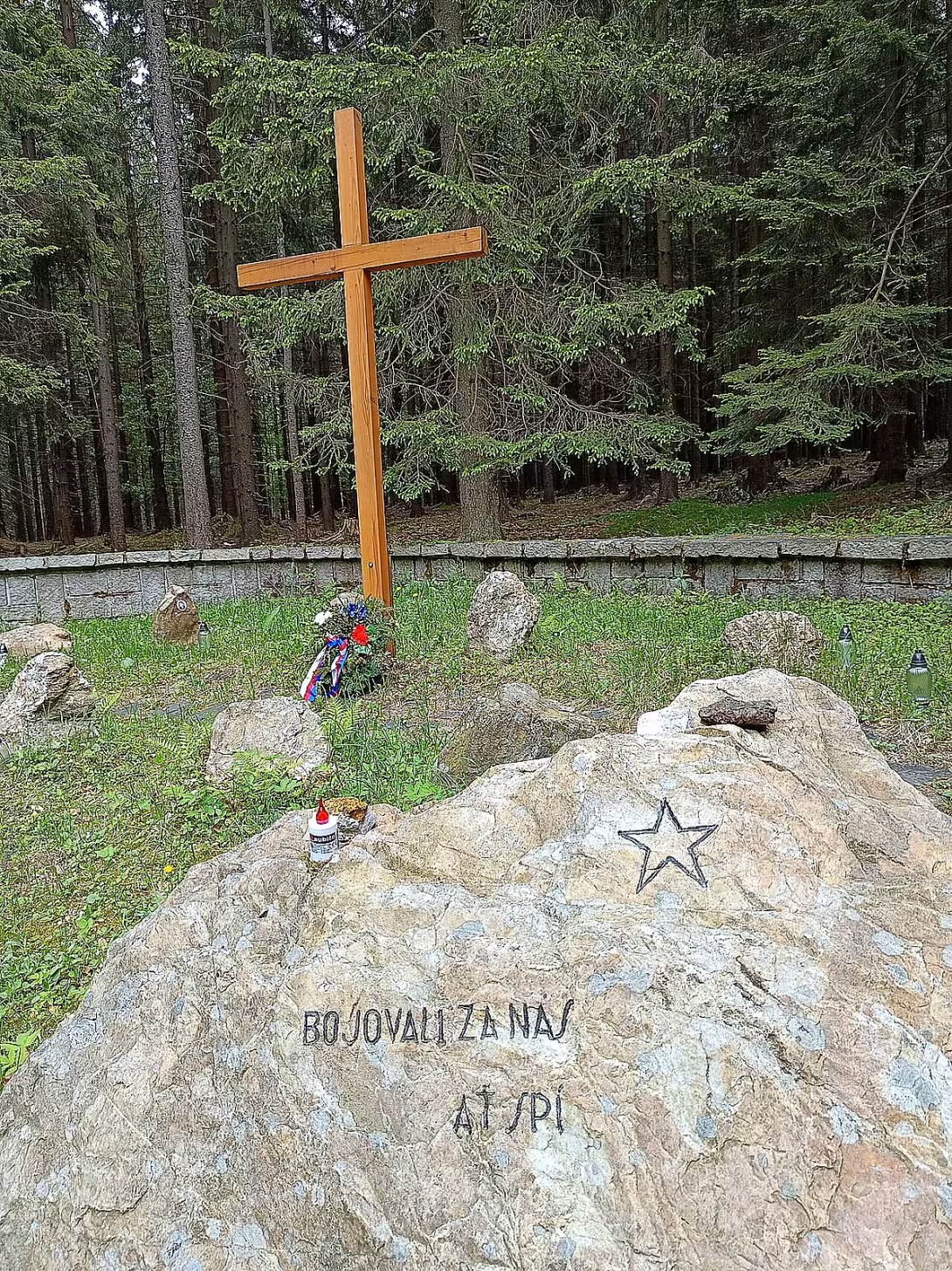
Hřbitov sovětských zajatců in the Upper Valley of the Golden Mountains, the district of Jeseník, is a cultural monument of the Czech Republic. Serves as a resting place for 24 Soviet soldiers dead during World War II. Its importance lies not only in the historical role, but also in the architecture and symbolism of the sacraments.
During World War II, a prison camp was established around the Upper Valley. At the beginning of the war, Polish soldiers came to him to replace the German labor force. In 1941, however, they were replaced by Soviet prisoners. Living conditions were extremely difficult, leading to an epidemic of typhus and the deaths of several soldiers.
The architecture of the cemetery went through several stages of reconstruction. The original bridge and spruce crosses were replaced by stone monuments in 1951-1952. In 1975, changes were made according to the design of Vladimir Pražák, while the last amendment in 1999 brought the boulders as a symbol of the reconciliation crosses. The current design includes a five-pointed star and a sign saying, "They fought for us to sleep."
In 1963 the cemetery was entered into the Central List of Cultural Monuments of the Czech Republic. After the war, multiple graves of Russian prisoners were discovered, which were transferred to a newly founded cemetery. In 1948, the remains were moved to a place with stone monuments.
Today there is a cemetery in the management of the forest of the Czech Republic. It is accessible to visitors interested in the history of World War II. The cemetery is an important monument, reminiscent of the suffering and sacrifice of prisoners of war, as well as the importance of reconciliation and remembrance.
This monument is not only historically significant, but also architecturally transformed. It's a place to reflect on the tragedy of war and remember the victims. Visiting the cemetery of Soviet prisoners is a reminder that history has many teachings and that the memory of the past is necessary for the future.
Historical milestones
- 1941
- Replacing Polish soldiers with Soviet prisoners.
- 1942
- A typhoid epidemic has caused the deaths of several prisoners.
- 1963
- Registration of the cemetery in the Central List of Cultural Monuments of the Czech Republic.
Architectural development
The cemetery has undergone several stages of reconstruction. Originally, the bridge and spruce crosses were used, which in 1951-1952 were replaced by stone monuments. In 1975, changes were made according to the design of Vladimir Pražák, while the last amendment in 1999 brought the boulders as a symbol of the reconciliation crosses.
Historical events
- 1941
- Replacing Polish soldiers with Soviet prisoners.
- 1942
- A typhoid epidemic has caused the deaths of several prisoners.
- 1948
- The transfer of remains to a newly established cemetery with stone monuments.
- 1963
- Registration of the cemetery in the Central List of Cultural Monuments of the Czech Republic.
Points of interest
- Hřbitov sovětských zajatců is a cultural monument of the Czech Republic. - Serves as a resting place for 24 Soviet soldiers dead during World War II. - The architecture of the cemetery has undergone several stages of reconstruction, including changes according to the design of Vladimir Pražák and the addition of boulders as symbolism of the reconciliation crosses. - In 1963 the cemetery was entered into the Central List of Cultural Monuments of the Czech Republic. - The graves of Russian prisoners discovered after the war were transferred to a new cemetery and moved to a place with stone monuments in 1948.
Guide
Show guide text
This text was created by artificial intelligence and has not been editorially reviewed. It may contain inaccuracies.
Welcome to the cemetery of Soviet prisoners in the Upper Valley. If you look around, you'll see a place full of peace and memory. This cemetery is registered as a cultural monument of the Czech Republic and serves as a final rest for 24 Soviet soldiers who died during World War II. Look around you and you'll see the simple architecture of the cemetery that bears the symbolism of the peace crosses.
Let's dive into the history of this place. In 1941, field soldiers were replaced by Soviet prisoners who found their last refuge here. During 1942, a typhoid epidemic appeared in the camp, bringing death to several prisoners. This cemetery was later entered in the Central List of Cultural Monuments of the Czech Republic in 1963.
Look up and you will see a simple architecture with a cross that has been reconstructed several times. Notice the symbolic boulders that added depth to this memorable location and express ideas of reconciliation and memories.
Although particular historical figures associated with this location remain unknown, every stone in this cemetery tells the story of resilience and tragedy. The cemetery stands as witness to these historical events.
The interesting thing about this place is its role as sites of monument and reconciliation. It is a reminder of the importance of remembering those who have found their last rest here.
Let me thank you for your attention to this place. If you are further interested in the history and monuments of the Golden Mountains, try other interesting locations. I hope your visit was interesting and informative. With God on the next road!
Tips for visitors
The best time to visit the cemetery of Soviet prisoners is in the spring or autumn period when vegetation is best visible and the weather usually pleasant. This time of year offers a peaceful atmosphere for visitors.
Parking in the cemetery is not provided, so we recommend using public transport or parking in nearby municipalities. You can verify current connection options using an online search engine.
When visiting the cemetery, it is advisable to take with you protective clothes such as shoes and jackets because the conditions can be cold. Don't forget the water and sun cream too.
Photography is best in the early morning or evening when light is mild and atmospheric. The best places for photos are when entering the Black Opava Valley.
In the vicinity of the cemetery there is a captives' hunt, which can be visited as part of a historical excursion. This site is suitable for families with children, where they can zoom in on World War II history.
Businesses nearby
Do you run a restaurant, accommodation, shop, museum, rental, wellness or other visitor service near this monument? Show yourself directly to the people heading to it — this is how they will see you in the app and on the web:
Nearby
Hřbitov je umístěn v údolí řeky Černá Opava s blízkou Opavskou chatou a lokalitou Rejvíz.
V okolí se nachází zajatecký zábor, který byl vybudován na začátku druhé světové války.
Accommodation nearby
Themed route
Thematic cruise route: Hřbitov sovětských zajatců and surroundings
1.Hřbitov sovětských zajatců
Type: Historical monument
Why is it worth a visit: this cemetery is a key place to understand the tragedy experienced by Soviet prisoners during World War II. Located in the valley of the Black Opava River, it offers a quiet environment for memory and worship.
2. Prisoner's arrest
Type: Historical site
Why is it worth a visit: This score, which was built at the beginning of World War II, served as a location for the imprisonment of Soviet prisoners. His visit provides a deeper insight into the historical events and fates of these people.
3. Opava cottage
Type: Cultural monument
Why is it worth a visit: The Opava cottage, located near the cemetery, is an important cultural monument. Its history and architecture attract people interested in regional culture and traditions.
4. Register
Type: Historical site
Why is it worth a visit: Rejviz is an important historic place, which resembles the fate of Soviet prisoners. His visit complements his understanding of the context and events associated with the cemetery.
Route order:
Start a trip to Hřbitov sovětských zajatců, where you will enjoy a quiet moment to remember. Then move to a nearby captives capture that will provide a deeper historical context. Then visit the Opava cottage for the cultural traditions of the area. Close the trip by visiting Rejviz, which reminds of the tragic events associated with the cemetery.
This route offers a comprehensive view of history and memory associated with Soviet prisoners in the Upper Valley area.
Seasonal recommendations
Spring: During the spring season, Hřbitov sovětských zajatců in the Upper Valley turns into a special place where nature wakes up from its winter sleep. The green flower has not yet started to bloom fully, but the first leaves on trees and yellow flowers create a dazzling atmosphere. The lighting is milder thanks to longer lasting evenings, which contributes to a cheap visit without hot summer sun. For the visit it is recommended to dress suitable for mild weather - short gloves and light coat because temperatures may be medium. The best time to visit is in the afternoon when the crowd is falling.
Summer: In summer, Hřbitov sovětských zajatců offers an escape to a quiet space full of life and history. Sun rays illuminate the graves, making them more attractive for photography. Nature reaches its peak during this period - trees are dense and flowering plants add colour to the landscape. The atmosphere is full of insects, which may be an obstacle to some visitors. It is recommended to visit early afternoon or evening to avoid the main doses of the crowd and intense sunlight. Don't forget the sun protection and plenty of drinking water.
Autumn: Autumn brings Hřbitov sovětských zajatců in its most beautiful outfit. Tree leaves turn into living colors - green, orange and red - creating a unique dazzling environment. The sun is milder than summer, so the visit takes on a calmer character. The atmosphere becomes cosy thanks to colder temperatures and short evenings. For travelers it is suitable clothes that protect against cold - long gloves, warm shoes and raincoat or jacket are ideal. The best time to visit is an early afternoon when the crowd is decreasing and the atmosphere is in the best condition.
Winter: In winter, Hřbitov sovětských zajatců offers a peaceful visit without a large crowd. The snow blanket can add magic and mystery to this historic place, while cold temperatures make the environment quite different from in other seasons. Lighting is weaker due to shorter days and longer nights, which may be an obstacle to some activities. It is recommended to visit in the morning or in the middle of the day when opening is usually shorter and the temperature is lighter. Remember the warm clothes - leather shoes, scarf and protective jacket are necessary for comfort during the visit.
Visualizations and artistic views

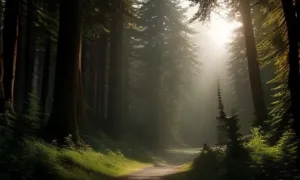
The visualisations are generated by artificial intelligence and serve as inspiration.
Photos from the area
Real photos taken near the monument


Zdroj a licence jsou uvedeny u každého snímku.
Tips from visitors
No tips yet. Be the first!
Log in and add your tip.
Sources and literature
Photos: Fry72 / CC BY-SA 4.0 — Wikimedia Commons. The author and licence also appear when you hover over the image.
Faktickým podkladem tohoto textu byl článek na Wikipedii, jehož autory jsou přispěvatelé Wikipedie. Článek je dostupný pod licencí CC BY-SA 4.0.
Location on the map
Příběhy a pověsti
Legendy, pověsti a příběhy spjaté s touto památkou
Fotografie návštěvníků
Zatím žádné fotografie. Buďte první, kdo přidá fotografii z návštěvy!
Log in a přidejte svou fotografii nebo hodnoťte.
Za ověřenou návštěvu v aplikaci získáte víc bodů — poznáme podle GPS, že jste na místě.
Reviews and comments