






Kostel svatého Jana Křtitele (Horní Údolí) Church
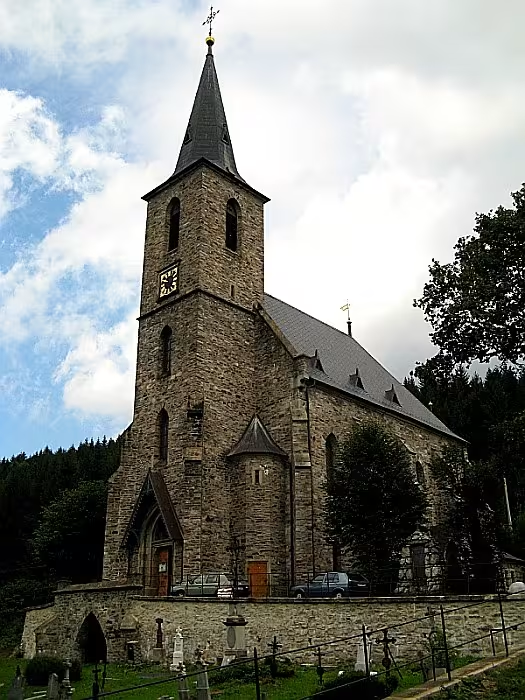
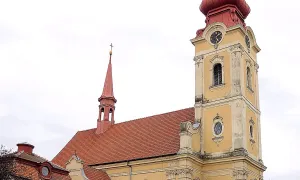
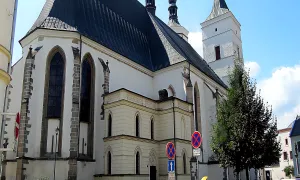
The Church of Saint John the Baptist in Horní Údolí is a remarkable Neo-Gothic structure built in 1888. Located within the Zlaté Hory district of Olomoucký kraj, it stands as an important cultural monument due to its architectural style and historical significance. This reflects late 19th-century revivalist trends across Europe.
Constructed primarily from quarry stone with sandstone decorative elements, it replaced a previous Baroque church on the site now occupied by a cemetery. The Church of Saint John the Baptist was built during a period when Bohemia experienced a resurgence in interest for medieval architectural styles, known as Historicism. This era saw many Neo-Gothic buildings emerge, embodying a romanticized vision of the Middle Ages.
Architecturally, the church is characterized by its prevalent Neo-Gothic style from that time. Built using quarry stone and adorned with sandstone decorative elements, it reflects late 19th-century architectural preferences. These choices highlight the era's aesthetic values and underscore the church's historical significance as a representation of period trends.
Over the years, the church experienced significant changes in use and condition. Following World War II, demographic shifts led to the displacement of Horní Údolí’s original German inhabitants, resulting in decreased usage of the church. By 1992, interior furnishings were removed, leading to its abandonment and subsequent deterioration. However, since 2002, restoration efforts have been underway under the care of the Spiritual Administration of the Marian Pilgrimage Site Panny Marie Pomocné.
A pivotal moment occurred in 2003 when it was declared a cultural monument. This recognition underscores its importance as both an architectural piece and a historical artifact reflecting broader socio-cultural dynamics over time. The designation has likely played a role in garnering attention and resources for ongoing restoration efforts.
Today, the Church of Saint John the Baptist stands as a testament to its rich history and the enduring legacy of Neo-Gothic architecture in the region. Despite periods of neglect, it is gradually being restored to its former glory, making it an intriguing site for visitors interested in architectural history and cultural heritage. Its designation as a cultural monument ensures protection and appreciation by future generations.
Visiting the Church of Saint John the Baptist offers a unique opportunity to explore 19th-century architecture while reflecting on historical narratives that have shaped its existence. Restoration efforts highlight the community’s commitment to preserving their cultural heritage, making it an enriching experience for anyone interested in history and architecture.
Then and now
Drag the slider to compare how the landmark may have looked when it was built with the view today.
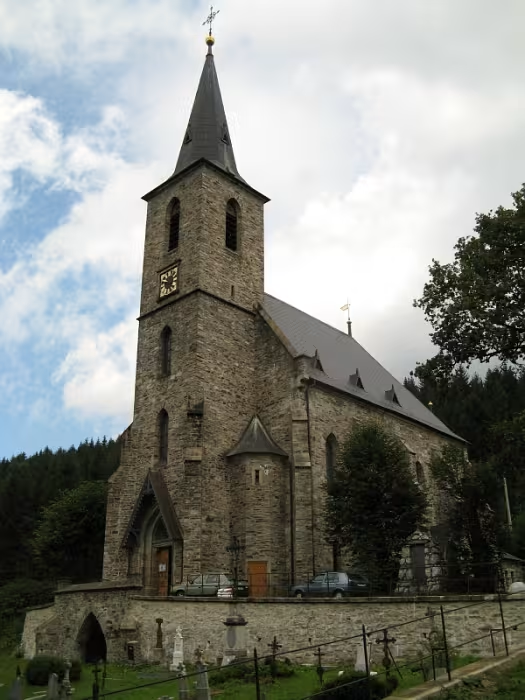
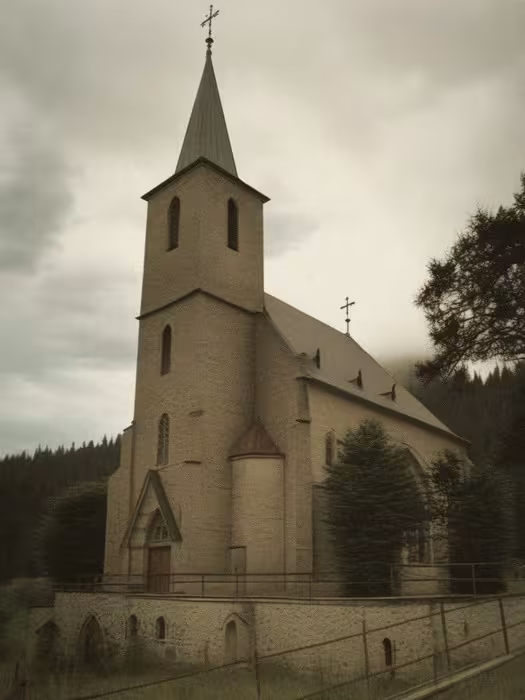
The historical appearance on the left is an AI-generated visualisation and serves as inspiration only.
Historical milestones
- 1888
- Construction of the Church in Neo-Gothic style.
- 1992
- Interior furnishings removed and church abandoned.
- 2003
- Declared a cultural monument.
Architectural development
The church was built in the Neo-Gothic style using quarry stone and sandstone for decorative elements. It replaced an older Baroque church that stood on the site of what is now a cemetery. Since its construction, it has undergone periods of neglect but has been under restoration since 2002 by the Spiritual Administration of the Marian Pilgrimage Site Panny Marie Pomocné.
Historical events
1888: The Church was constructed, replacing an older Baroque structure.
1992: Interior furnishings were removed, leading to its abandonment.
2003: Declared a cultural monument.
Guide
This guide is narrated by a synthetic voice generated by artificial intelligence.
Show guide text
This text was created by artificial intelligence and has not been editorially reviewed. It may contain inaccuracies.
Welcome to the Church of Saint John the Baptist in Horní Údolí, a remarkable testament to architectural evolution and history nestled within this serene landscape. As you stand here, take a moment to absorb the Neo-Gothic elegance that frames your view. The church, constructed from robust quarry stone with intricate sandstone embellishments, stands as a proud replacement of an older Baroque structure, marking a significant shift in architectural preferences during its time.
Let's delve into its origins and historical context. Built in 1888, this church was conceived during a period when the Neo-Gothic style was gaining popularity across Europe. This era saw architects seeking to revive medieval Gothic elements, characterized by pointed arches, ribbed vaults, and flying buttresses. The decision to replace the Baroque church with one reflecting these styles speaks volumes about the cultural and artistic currents of the late 19th century in this region.
As you explore its architecture, notice how the church's design embodies the Neo-Gothic spirit. While specific details are subtle, the overall aesthetic is evident in the stonework and structural lines that guide your gaze towards the sky. The craftsmanship involved in blending quarry stone with sandstone decorative elements showcases a dedication to both durability and beauty.
While there may not be well-documented architects or historical figures directly associated with this church, its story is intertwined with broader narratives of change and resilience. After World War II, Horní Údolí experienced significant demographic shifts as the original German inhabitants were displaced. This event marked a new chapter for the community and the church itself.
An intriguing aspect of this site lies in its transformation over time. Once bustling with activity, by 1992, the interior furnishings had been removed, leading to its abandonment. Yet, its historical significance was recognized when it was declared a cultural monument in 2003, ensuring its preservation for future generations to appreciate and study.
As you continue your journey around this historic site, allow yourself to be captivated not just by what is visible but also by the stories embedded within these walls—the aspirations of those who built it, the community that gathered here, and the enduring legacy it represents.
Thank you for joining us on this exploration. We invite you to linger a little longer, perhaps pondering the layers of history beneath your feet or simply enjoying the tranquility of Horní Údolí. May your visit inspire curiosity and appreciation for the rich tapestry of our past. Safe travels as you continue discovering more hidden gems in this region.
Businesses nearby
Do you run a restaurant, accommodation, shop, museum, rental, wellness or other visitor service near this monument? Show yourself directly to the people heading to it — this is how they will see you in the app and on the web:
Nearby
The church is located in Horní Údolí within the Zlaté Hory district of Olomoucký kraj. The surrounding area includes natural landscapes typical of the region, though specific nearby monuments or features are not detailed.
Accommodation nearby
Themed route
Tematická výletní trasa: Kostel svatého Jana Křtitele (Horní Údolí)
1. Kostel svatého Jana Křtitele - *Typ:* Náboženská památka - *Proč stojí za návštěvu:* Tento kostel je srdcem Horního Údolí a nabízí návštěvníkům pohled na bohatou historii a architekturu. Je to ideální místo pro ty, kteří mají zájem o duchovní památky a chtějí se dozvědět více o místních tradicích.
2. Nádvoří kostela - *Typ:* Historický areál - *Proč stojí za návštěvu:* Nádvoří před kostelem poskytuje klidné místo k odpočinku a reflektování. Je to také ideální výchozí bod pro procházku po okolním krajině, která nabízí pohledy na typické regionální přírodní scenérie.
3. Věž kostela - *Typ:* Architektonický prvek - *Proč stojí za návštěvu:* Vystoupení do věže nabízí jedinečný pohled na Horní Údolí a okolní krajinu. Je to nejen fascinující zkušenost pro milovníky architektury, ale také příležitost prozkoumat historii a techniku věže.
4. Park kolem kostela - *Typ:* Zelená plocha - *Proč stojí za návštěvu:* Park nabízí klidný prostor k relaxaci a procházce, což je ideální způsob, jak si užít přírodní krásy okolního kraje. Je to také místo, kde mohou rodiny s dětmi vychutnat si venkovní čas.
5. Expozice kostela - *Typ:* Kulturní prohlídka - *Proč stojí za návštěvu:* Expozice nabízí pohled na historické artefakty a informace o vývoji kostela. Je to skvělá příležitost pro ty, kteří chtějí hlouběji pochopit kulturní a historický kontext této památky.
Tato trasa nabízí komplexní zážitek o kostele svatého Jana Křtitele v Horním Údolí, kombinující náboženskou, kulturní a přírodní prvky.
Seasonal recommendations
Spring: In the spring, Kostel svatého Jana Křtitele is enveloped by a rejuvenating atmosphere as nature awakens around it. The surrounding landscape bursts with vibrant colors from blooming flowers and fresh greenery, offering a picturesque setting for visitors. Soft sunlight filters through the clouds, casting gentle illumination on the church's historic architecture. This season is ideal for photography enthusiasts looking to capture the interplay of light and nature. To make the most of your visit, consider arriving in the morning when the light is softer and crowds are fewer. Dress comfortably with layers that can be adjusted as temperatures fluctuate throughout the day.
Summer: During summer, Kostel svatého Jana Křtitele basks in long daylight hours, enhancing its architectural beauty with warm, golden sunlight. The lush greenery surrounding the church provides a serene backdrop for visitors seeking respite from the heat. This is also the peak tourist season, so expect larger crowds and plan your visit accordingly by arriving early to avoid the midday rush. Wear light, breathable clothing and comfortable shoes suitable for walking around the area. Don’t forget sun protection such as hats or sunglasses to enhance your experience.
Autumn: Autumn brings a magical transformation to Kostel svatého Jana Křtitele with its rich tapestry of reds, oranges, and yellows adorning the landscape. The crisp air adds an invigorating quality to the atmosphere, making it perfect for leisurely strolls around the church grounds. This season is less crowded than summer, allowing for a more relaxed exploration of the site. Dress in layers to accommodate the cooler temperatures and consider bringing a light jacket or sweater as evenings can become quite chilly.
Winter: In winter, Kostel svatého Jana Křtitele exudes a serene charm with its snow-covered surroundings creating a tranquil, almost ethereal atmosphere. The church's architecture is beautifully accentuated by the soft glow of lights during evening visits. This season offers a peaceful experience with fewer visitors, making it ideal for those seeking quiet reflection or intimate photography sessions. Dress warmly in layers and wear waterproof boots to navigate any icy paths comfortably. Be mindful that opening hours may be reduced due to shorter daylight hours.
Visualizations and artistic views


The visualisations are generated by artificial intelligence and serve as inspiration.
Photos from the area
Real photos taken near the monument

Zdroj a licence jsou uvedeny u každého snímku.
Tips from visitors
No tips yet. Be the first!
Log in and add your tip.
Sources and literature
Fotografie: Sovicka169 / CC BY-SA 3.0 — Wikimedia Commons. The author and licence also appear when you hover over the image.
Faktickým podkladem tohoto textu byl článek na Wikipedii, jehož autory jsou přispěvatelé Wikipedie. Článek je dostupný pod licencí CC BY-SA 4.0.
Location on the map
Příběhy a pověsti
Legendy, pověsti a příběhy spjaté s touto památkou
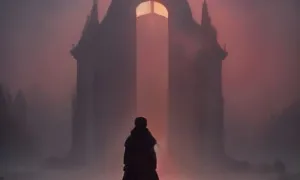
Příběh: Kostel svatého Jana Křtitele (Horní Údolí)
Bylo to v pondělí ráno, kdy Martin Vrba stál u vchodu kostela svatého Jana Křtitele, podél závěsů mlhy a červenavého svitu se slunečními proužky prolínajícím…
Číst příběh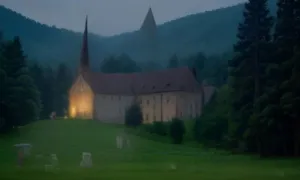
Pověst: Kostel svatého Jana Křtitele (Horní Údolí)
Traduje se, že starý barokní kostelík, který stával na místě dnešního hřbitova v Horním Údolí, nevzdal svůj poslední dech bez odporu. Když v roce 1888 dokonč…
Číst příběhFotografie návštěvníků
Zatím žádné fotografie. Buďte první, kdo přidá fotografii z návštěvy!
Přihlaste se a přidejte svou fotografii nebo hodnoťte.
Za ověřenou návštěvu v aplikaci získáte víc bodů — poznáme podle GPS, že jste na místě.
Reviews and comments