






Jezuitský seminář v Olomouci Building
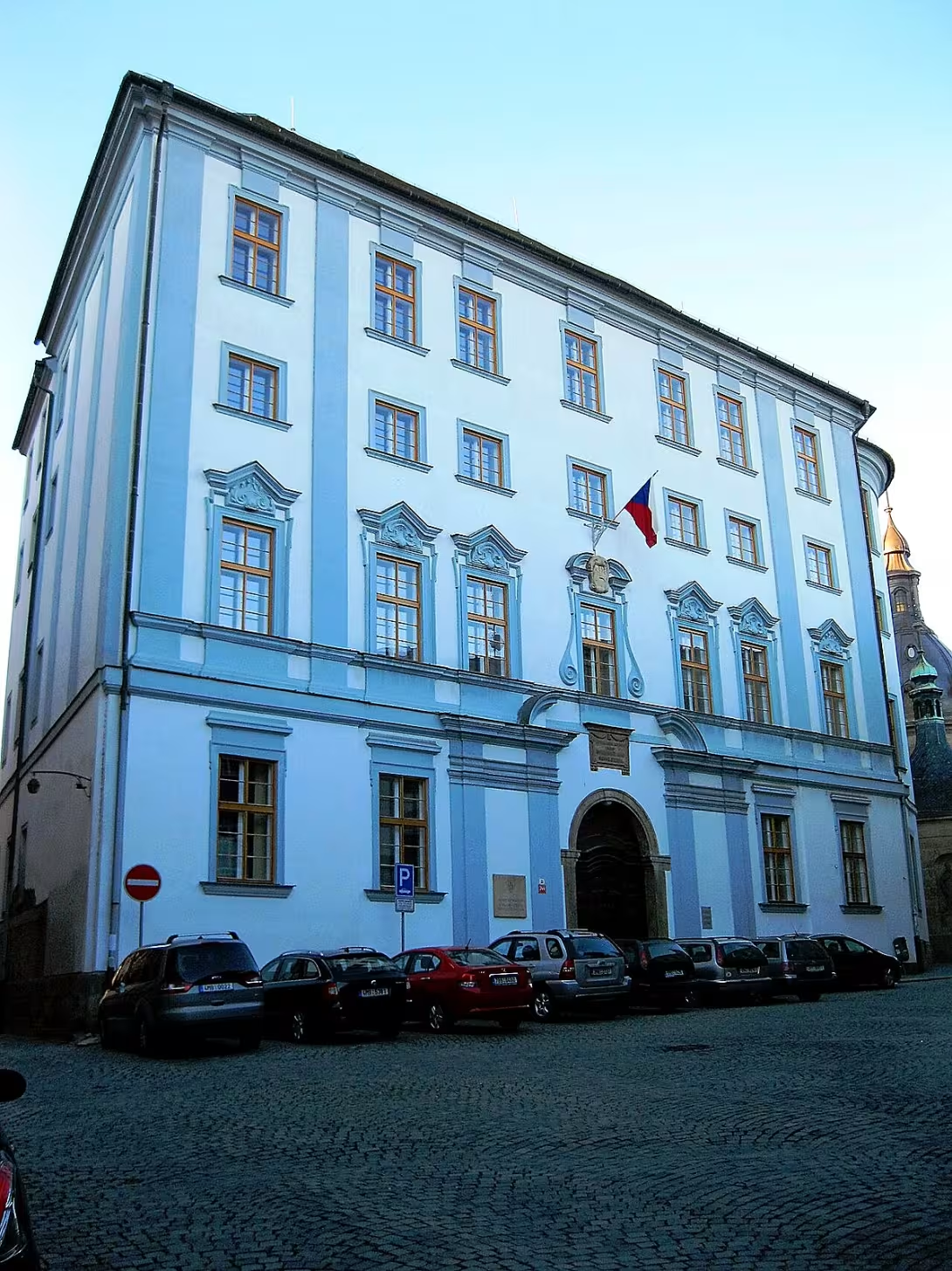
Jezuitský seminář v Olomouci is an important Baroque building in the historical heart of Olomouce. It serves as a seat for the Cyril Methodology Theological Faculty at Palacka University. The established Jesuits in the early 18th century to educate poor students have undergone various transformations over centuries. This monument is a testament to the architectural and educational history of Olomouce.
The seminar follows its origin until 1582, when Bishop Stanislav Pavlovský founded an institution for poor students. At the beginning of the 17th century he was named after the Jesuit Saint Francis Xavier and became part of the Jesuit educational network. The original structure included a collection of houses which were gradually consolidated by Jesuits to meet their needs. Between 1717 and 1720 they were replaced by a new building proposed by Wolfgang Reich on the basis of the plans of Lucas Glöckel. This period meant significant religious and educational reforms throughout Europe that reflected the wider anti-reform efforts of the led Jesuit.
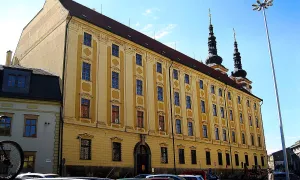
Architecturally, the seminar is a three-storey Baroque decoration characterized by a rich profile facade decorated with presses and window decoration. The entrance has stucco work that highlights its central position, while the ground floor is separated from the upper floors by an elaborate profile cornice. In the building there is a statue of St. Wenceslas in a gap on one corner and a memorial plate for Gregor Johann Mendel, which he studied there. The interior was connected through a corridor that originally performed in arcades, now walled up, which led to a larger salon intersecting with smaller closets.
The ownership and administration of the seminar have seen dramatic changes over time. Originally under Jesuit control until they were suppressed in 1773, then he got under state control. In 1783, Emperor Josef II. appointed the building as a university headquarters and marked its importance in education. After various uses, including serving as a military hospital during the First World War and housing various educational institutions post-1918, he became home to the Cyril Methodology Theological Faculty.
Key events in the seminar include his appointment as Emperor Joseph II in 1783, which highlighted his role in education. The building also witnessed important historical moments, such as the service of a military hospital during the First World War and Hitler Youth used it during the Nazi occupation. After World War II it was restored to university use, although the theological faculty was later dissolved under the Communist government.
Today Jezuitský seminář v Olomouci is a cultural monument apartment of the Cyril Methodology Theological Faculty and offers various modernized spaces including auditorium and renovated chapel. The rich history and architectural importance of the building make it a useful visit for the interested in the educational heritage Olomouce.
This site offers more than a historical view; calls on visitors to explore their historical past and appreciate their role in shaping education for centuries. Whether she is attracted to Baroque architecture or interested in its connection to remarkable figures such as Gregor Johann Mendel, a visit to this monument promises a rewarding experience.
Then and now
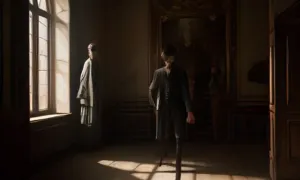
Drag the slider to compare how the landmark may have looked when it was built with the view today.
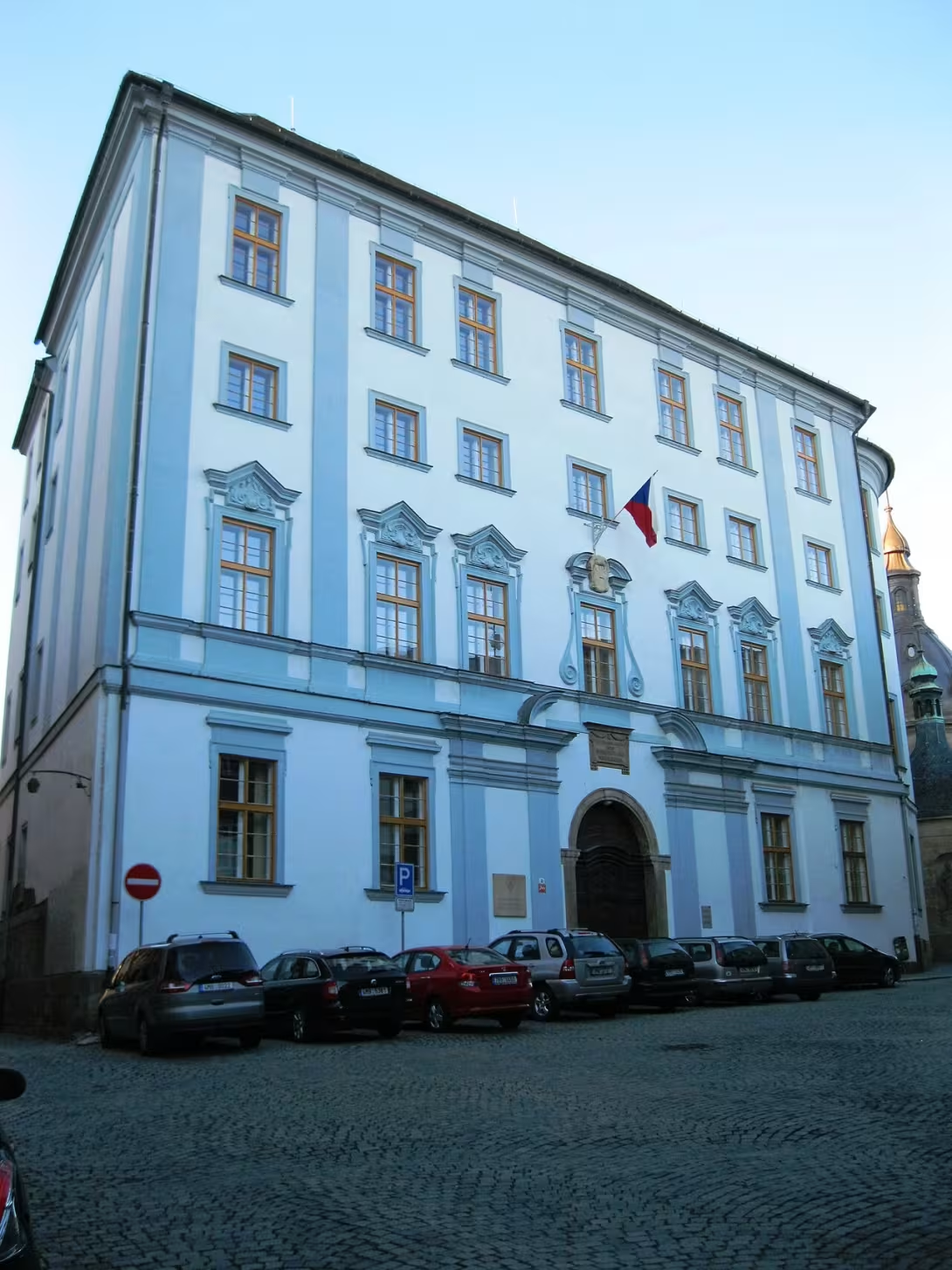
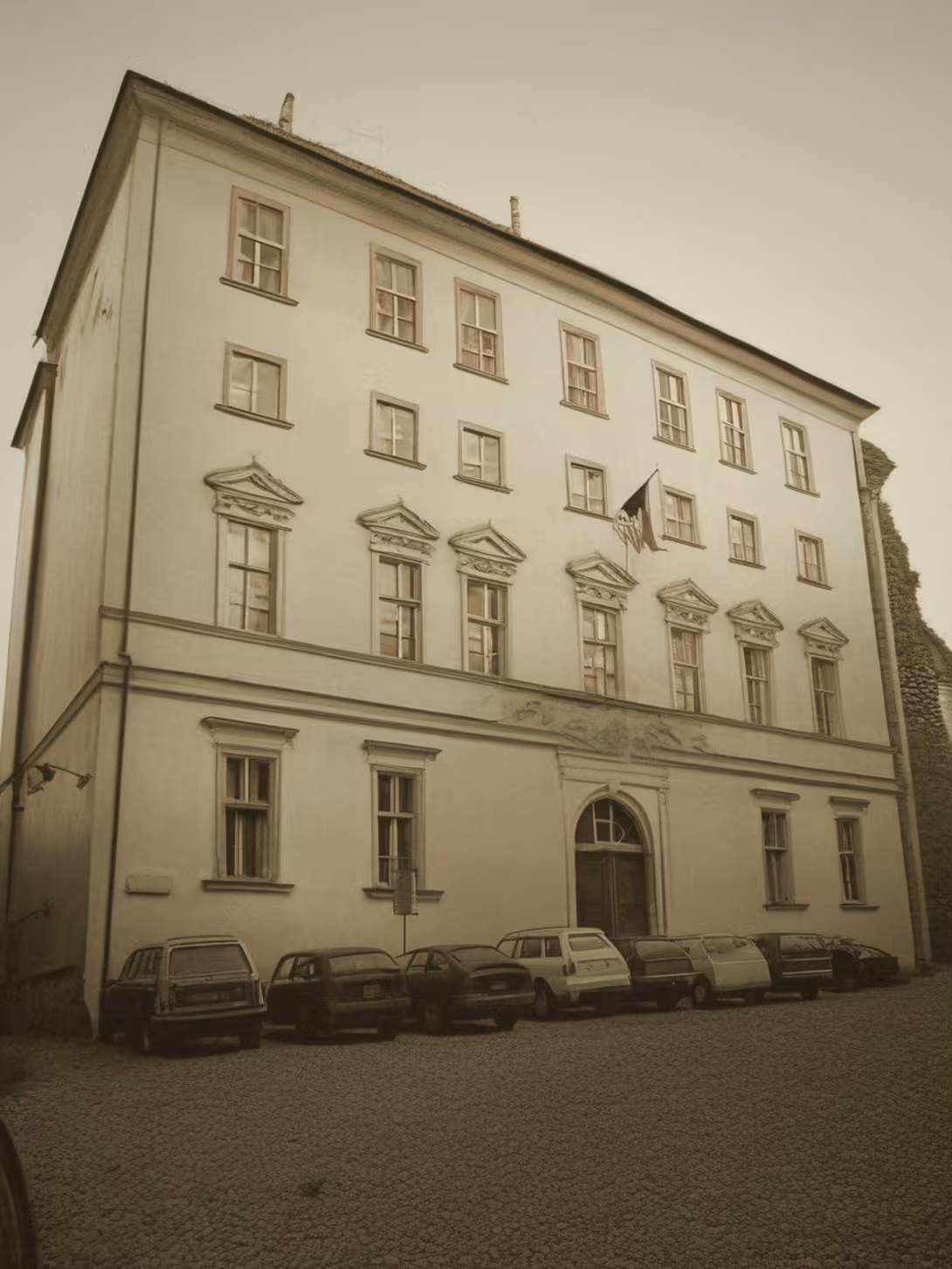
The historical appearance on the left is an AI-generated visualisation and serves as inspiration only.
Historical milestones
- 1783
- Emperor Josef II. marked the seminar as a university seat.
- 1860
- The university was dissolved and left only the library and theological faculty in the building.
Architectural development
The seminar was built between 1717 and 1720 Wolfgang Reich according to plans Lucas Glöckel. Originally a collection of houses evolved into a unified Baroque structure. The building experienced various modifications, including the addition of auditorium and restoration in the early 21st century.
Historical events
1582: Establishment of the seminar by Bishop Stanislav Pavlovský.
1773: The suppression of the Jesuit Order led to the administration of the building.
1783: Emperor Josef II. described him as a university residence and identified his importance in education.
1946: University renewal after World War II.
Owners
Originally owned by Jesuits until they were suppressed in 1773, then managed under state administration. In 1783, Emperor Josef II. appointed it for university use. Post-1918, she was based in the Cyrillodoza Theological Faculty and later served various educational purposes.
Points of interest
- Jezuitský seminář v Olomouci was originally founded by Bishop Stanislav Pavlovský in 1582 as an institution for poor students who highlighted her early commitment to social justice in education.
- The architectural facade of the seminar is decorated with complex stucco work and has a statue of St. Wenceslas, symbolizing regional heritage and religious devotion.
The building served as a military hospital during the First World War, reflecting its adaptability and importance beyond educational purposes throughout history.
- During the Nazi occupation, the seminar was used by Hitler Youth and called it a place of historical importance during the stormy times of European history.
- Gregor Johann Mendel, known for his basic work in genetics, studied in this institution, underlines his role in the care of influential scientific minds.
Guide
This guide is narrated by a synthetic voice generated by artificial intelligence.
Show guide text
This text was created by artificial intelligence and has not been editorially reviewed. It may contain inaccuracies.
Welcome to the Jesuit seminar in Olomouci, a remarkable Baroque masterpiece in the historic heart of this vibrating city. As you stand here, take a moment to absorb the size of his architecture and the rich history surrounding it. This building is not only an important milestone, but also serves as a home for the Cyril Methodology Theological Faculty at Palacka University.
The origin of this seminar returned to 1582, when it was founded by Bishop Stanislav Pavlovský with a noble mission: educate poor students. This early commitment to social justice in education laid the ground for its lasting legacy. Fast forward in the early 18th century, and you will find that the Jesuits have taken the lead in this institution, thereby strengthening its educational offers.
Architectural speaking, the seminar is a feast for the eyes. As you look at it now, notice the intricately shaped facade decorated with stucco work - evidence of the craftsmanship of architects Wolfgang Reich and Lucas Glöckel. These details are not just decorative; tell stories from centuries ago.
Let's dive into the key stories associated with this place. Emperor Josef II. made a major decision in 1783 which called this seminar the place of the university. This step highlighted its importance in the region's educational landscape. In 1860, however, the wind of change led to the dissolution of the university, leaving behind only the library and theological faculty within these walls.
Among the remarkable figures associated with this site is Gregor Johann Mendel, whose pioneering work laid the foundations for modern genetics. His presence here adds another layer of intrigue to your visit.
We will now touch on something particularly fascinating: the role of the seminar as an educational beacon from its origin. It is a reminder of how education can be a powerful tool for social change. This commitment is entangled in the structure of the building itself and still inspires.
As you conclude this short journey through time, I call you to further explore. Walk around and let your imagination wander with him - discover more stories hidden in every corner of this historic place. Thank you for joining me on this survey; I hope you leave with a bigger award for Jezuitský seminář v Olomouci. Enjoy your continuing journey through history!
Tips for visitors
The best time to visit Jezuitský seminář v Olomouci is at the end of spring or early autumn when the weather is pleasant, allowing you to comfortably explore the interior and exterior of this baroque masterpiece. During these months, the surrounding gardens are in full bloom, increasing the beauty of your visit. In addition, a visit outside the top tourist season can provide a quieter experience with fewer crowds.
Parking near the Jesuit seminar is limited due to its central location in the historical heart of Olomouce. It is appropriate to use public transport or park on designated areas further from the centre and walk to the destination. The area around the seminar is walking-friendly, so it is easy to explore the nearby sights on foot.
When visiting, consider bringing comfortable walking shoes as you probably will explore various parts of the historical center Olomouc. A camera or smartphone is recommended for photography, especially if you are interested in capturing architectural details and surrounding gardens. Since this area can get quite busy during peak tourist seasons, a small bottle of water and sunscreen would also improve your comfort.
For photographic enthusiasts, the best places to capture the Jesuit seminar are from his garden side or across the street where you can frame with Sarkandeva maple in the background. Early morning light provides soft shadows that highlight the Baroque details of the building while late afternoon offers warm lighting for a more dramatic effect.
Within a 30-minute walk, visitors can explore other historical university buildings and nearby Sarkanava maple, which complements the cultural heritage experience Olomouc. These pages offer additional knowledge of the rich history of the city and architectural diversity.
Businesses nearby
Do you run a restaurant, accommodation, shop, museum, rental, wellness or other visitor service near this monument? Show yourself directly to the people heading to it — this is how they will see you in the app and on the web:
Nearby
The seminar is located near other historical university buildings and the Sarkander Maple in Olomouci. The area has architectural monuments from different periods that contribute to its cultural heritage.
Accommodation nearby
Trips and activities nearby
Guided tours, tickets and activities nearby from GetYourGuide
Affiliate link: if you buy from the partner, we may receive a commission. The price for you does not change.
Search tours and activities →Themed route
Thematic Development Route: Historical and Cultural Heritage Olomouce
1. Jezuitský seminář v Olomouci (building) * Type: * Architectural landmark * Why is it worth visiting: * This building is a positive example of the baroque architecture and history of the Jesuit state in Bohemia. The Jesuit seminar was carried by a building centre, but also by a lot of cultural development, which is a fascinating activity for its own resources about history and architecture.
2. Sarcania maple * Type: * Chapel * Why is it worth visiting: * Sarčaneva Chapel is a tribute to the martyr Ján Sarkandra, who was the subject of counter-reformation. This chapel is an important monument distance of its own historical and revered value, offered by a victim of a biography and suffered by one of the most famous attitudes of the Czech Circus.
3. Historical Universal Buildings * Type: * Architectural landmark * Why is it worth a visit: * These buildings are rebuilding a long tradition and production that sucks into the minimum century. Their architecture reflects new historical business and stylization, what is doing an ideal system for developing development in the region.
4. Freedom Square * Type: * Historical mission * Why is it worth a visit: * Freedom Square is the heart of Olomouce, which intersects with history and modernity. It's my cultural activities and architectural pearls that can make the city's rich past.
This route offers on the site in Olomouci, which goes to the design of cultural and historical city.
Seasonal recommendations
Spring: Visiting the Jesuit seminar in Olomouci in spring offers a unique experience as nature begins to awaken, with flowering flowers and fresh green provides a picturesque background in this historic place. The soft light of early spring increases architectural details of the seminar, creating a charming atmosphere for photographers enthusiasts. With fewer tourists compared to summer, this is the perfect time to explore at your own pace. Dress in layers to adapt variable weather, and consider bringing a hat or sunglasses for sunny days. Early morning visits can be especially quiet, allowing you to enjoy the peace before the larger crowd arrives.
Summer: Summer months bring pulsating energy and longer hours, which is an excellent time to visit the Jesuit seminar in Olomouci. Fresh green is at the top, which provides a stunning contrast to historical architecture. However, it is also a high tourist season, so expect more crowds and plan accordingly by arriving early or visiting on weekdays. Light, breathable clothes are recommended due to high temperatures, along with comfortable shoes for walking. Don't forget sunscreen and sun protection hat.
Autumn: Autumn in Olomouci transforms the Jesuit seminar into a fascinating canvas of warm colors, as the leaves change shades of red, orange and yellow. Colder weather creates a cozy atmosphere ideal for peaceful exploration without summer crowds. Soft autumn light adds magical quality to historical architecture, making it ideal for photography. Dress in layers to stay comfortable during fluctuating temperatures, and consider bringing an umbrella or raincoat as rain can be more frequent at this time of year.
Winter: Winter offers a unique charm in Jesuit seminar with its peaceful, snowy landscape that creates a picturesque environment that increases the historical beauty of the site. Shorter days mean fewer visitors, which allows a quieter experience and better opportunities to appreciate architectural details in soft winter light. Dress warmly in layers, including heat wear and watertight outer clothing, because temperatures may be relatively low. Keep in mind possible closure or shortened hours during the coldest month, it is therefore advisable to check in advance.
Visualizations and artistic views


The visualisations are generated by artificial intelligence and serve as inspiration.
Photos from the area
Real photos taken near the monument


Zdroj a licence jsou uvedeny u každého snímku.
Tips from visitors
No tips yet. Be the first!
Log in and add your tip.
Sources and literature
Photos: Lehotsky / CC BY-SA 3.0 — Wikimedia Commons. The author and licence also appear when you hover over the image.
Faktickým podkladem tohoto textu byl článek na Wikipedii, jehož autory jsou přispěvatelé Wikipedie. Článek je dostupný pod licencí CC BY-SA 4.0.
Location on the map

Příběhy a pověsti
Legendy, pověsti a příběhy spjaté s touto památkou
Fotografie návštěvníků
Zatím žádné fotografie. Buďte první, kdo přidá fotografii z návštěvy!
Log in a přidejte svou fotografii nebo hodnoťte.
Za ověřenou návštěvu v aplikaci získáte víc bodů — poznáme podle GPS, že jste na místě.
Reviews and comments